Sushi Blue
Sushi Blue sits in Snyderville's Redstone Center, bringing a sushi-focused menu to a corner of greater Park City better known for après-ski burgers and mountain comfort food. The room occupies a strip-mall address that belies a dining ritual shaped by the precision and pacing Japanese counter tradition demands. For visitors rotating through Utah's resort corridor, it represents one of the few places where the meal itself sets the pace.
Pearl is the En Primeur Club membership app — saves, bookings, and concierge access live there. Same editors, same standards.
- Address
- 1571 Redstone Center Dr #140, Park City, UT 84098
- Phone
- +1 435 575 4272
- Website
- sushiblueparkcity.com
- Directions
- Get directions
 Saves & bookings on Pearl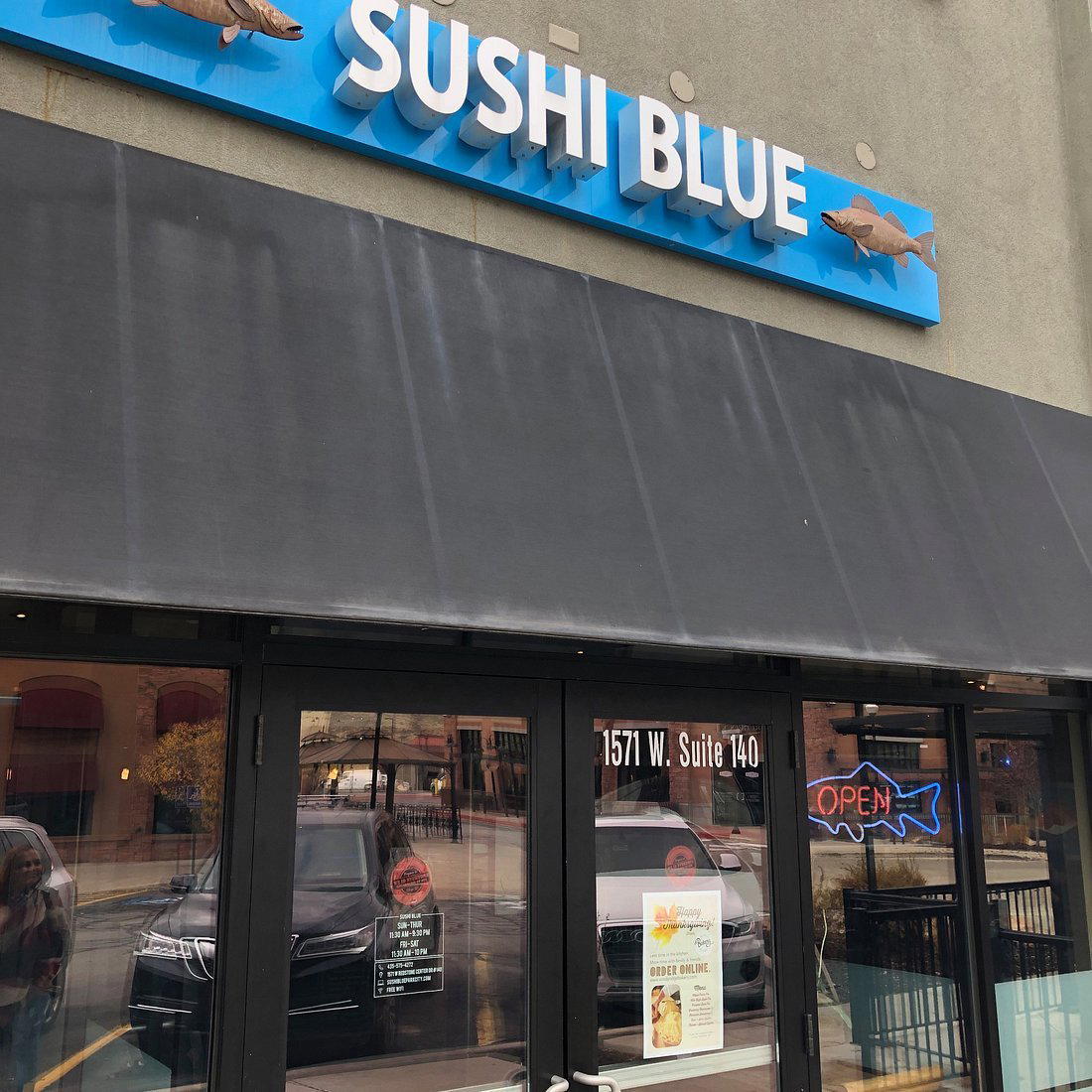
Sushi in the Mountain West: What the Setting Tells You
Sushi Blue is a modern sushi restaurant in Park City, Utah, with. In greater Park City, where the dining scene divides sharply between high-altitude resort destinations and the quieter commercial corridors of Snyderville Basin, Redstone Center tilts toward the latter. The address at 1571 Redstone Center Drive puts Sushi Blue inside a retail cluster that also houses casual American dining, Drafts Burger Bar and Maxwell's operate nearby. Sushi Blue occupies a different register, one shaped less by après-ski appetite and more by the specific rituals that Japanese-style counter dining imposes on a meal.
That context matters. The Mountain West has historically been thin territory for serious sushi, with the gap between a ski-resort California roll and the tightly sequenced omakase counters of coastal cities remaining wide. But the presence of a sushi-dedicated restaurant in this corridor signals a shift in what the local dining public will support year-round, beyond the winter rush that fills the resort-side rooms. Compare the ambition level here to what The Farm Restaurant attempts a short distance away, and you get a sense of the range Snyderville is trying to hold.
The Dining Ritual: Pacing, Format, and What to Expect at the Table
Sushi as a dining ritual carries its own grammar, and that grammar differs meaningfully from how the Mountain West typically eats. At the formal end of the spectrum, the counters at places like Atomix in New York City or the meticulous progression at Providence in Los Angeles, the sequence is fixed, and the diner's role is receptive rather than directive. Sushi Blue operates closer to the casual end of that spectrum, where à la carte ordering returns agency to the table and the meal's shape depends on how much the guests know about the format.
In practice, this means the experience at the restaurant rewards a certain approach. Ordering in stages rather than all at once allows each piece or plate to arrive at the right moment rather than stacking up. Starting lighter, with delicate preparations before richer rolls, follows the internal logic that Japanese counter culture developed over centuries and that even casual sushi restaurants benefit from. The distinction between nigiri, sashimi, and composed rolls is not just a menu taxonomy; it is a pacing framework. Nigiri eaten immediately, without soy sauce drowning the fish-to-rice balance the kitchen has set, is the standard the format was built around.
This is worth stating plainly because many American sushi restaurants have quietly absorbed the format while discarding the ritual. The result is often good food eaten badly, premium fish overwhelmed by heavy sauce applications, temperature lost through slow table service, the sequence inverted because no one mentioned that the spicy tuna crispy rice was intended as a snack, not a main. Arriving with the grammar in mind puts any diner in a better position regardless.
Snyderville's Dining Context and Where Sushi Fits
The resort corridor running from Park City through Snyderville Basin has always had a boom-bust dining ecology: packed from December through March, then recalibrating for a shoulder season that stretches into summer. Restaurants that survive across both cycles tend to have either a strong local following or a format that remains relevant outside ski conditions. Sushi, consumed year-round with no seasonal dependency, fits that second category. The fish-forward menu has no particular relationship to powder days or base depth, which gives a restaurant like Sushi Blue structural advantages over the more seasonally anchored mountain-comfort places around it.
For visitors coming through rather than staying for the week, the Snyderville Basin corridor is often the practical dining zone, closer to the interstate, easier to park, less subject to resort-village pricing dynamics. That positions the restaurant as a sensible option on arrival or departure days, when resort-side restaurants feel either too celebratory or too closed. The Redstone Center location is accessible from US-40 without the traffic that builds on the resort access roads during peak periods.
At the broader level of American sushi culture, the restaurant occupies a mid-tier that sits well below the Michelin-cited coastal counters, places like Le Bernardin in New York City or the hyper-sourced approach at Single Thread Farm in Healdsburg, and operates instead in the register of neighborhood sushi that prioritizes accessibility and consistency. That tier, when executed with care, is where most sushi is actually eaten in America, and there is nothing reductive about the comparison. The question for any restaurant in this bracket is whether the execution meets the ritual's minimum requirements: fish at the right temperature, rice seasoned properly, a room that doesn't actively work against the meal.
The Broader Mountain West Sushi Moment
Utah's dining scene has undergone measurable change in the past decade, with Salt Lake City in particular developing a more diverse restaurant base that has gradually extended influence into the resort satellite communities. The regional sushi market has followed that pattern, moving from novelty toward expectation in ski-adjacent towns that once treated Japanese cuisine as a specialty import. Snyderville's version of this shift is visible in the Redstone Center cluster itself, where a sushi restaurant now sits alongside casual American options without apparent incongruity.
The analogous evolution has happened in other mountain dining markets. Frasca Food and Wine in Boulder demonstrated that resort-adjacent cities could sustain serious fine dining well beyond the seasonal visitor window. The Wolf's Tailor in Denver showed that technically ambitious cooking could find an audience in landlocked Mountain West cities. Neither comparison is direct, the restaurant operates at a different tier and format, but both points confirm that the Mountain West dining public has shifted its expectations upward in ways that make a dedicated sushi restaurant in Snyderville less surprising than it might have seemed fifteen years ago.
Planning Your Visit
The restaurant's Redstone Center location is at 1571 Redstone Center Drive, Suite 140, in Snyderville, Utah 84098. The address sits within a commercial center that is direct to reach by car from both Park City and the Salt Lake Valley via US-40. The restaurant is open daily from 11:30 AM to 9 PM, and reservations are recommended. During peak ski season, walk-in availability at sushi restaurants in the greater Park City area tends to compress significantly on weekends, making advance planning a reasonable precaution. Outside the December-to-March window, the same tables are typically more accessible on shorter notice.
Cuisine Lens
Comparable venues nearby, for context on price, style, and recognition.
| Venue | Cuisine | Price | Notes |
|---|---|---|---|
| Sushi BlueThis venue — the venue you are viewing | Modern Sushi | $$$ | Not listed |
| Drafts Burger Bar | Gourmet American Burgers & Gastropub | $$ | Canyons Village |
| The Farm Restaurant | French-inspired American Farm-to-Table | $$$ | Canyons Village |
| Red Rock Park City | Dining | $$ | Snyderville |
| Maxwell's | East Coast Italian Pizza | $$ | Kimball Junction |
Continue exploring
More in Snyderville
Restaurants in Snyderville
Browse all →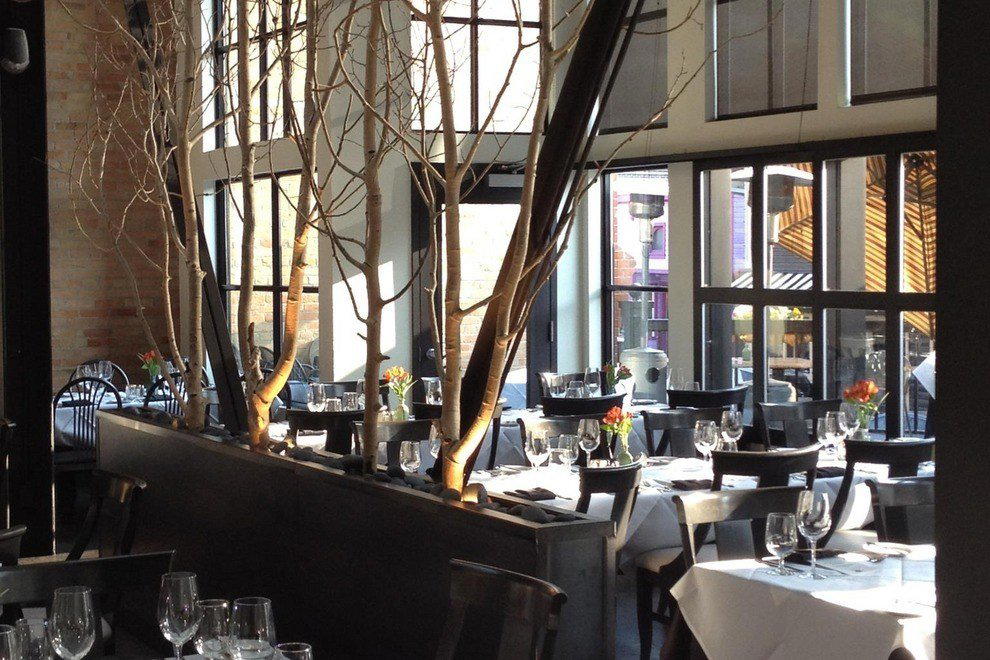
Bars in Snyderville
Browse all →
Hotels in Snyderville
Browse all →

Wineries in Snyderville
Browse all →
At a Glance
- Modern
- Trendy
- Lively
- Group Dining
- Casual Hangout
- Open Kitchen
- Sake Program
Current opening hours
- Monday
- 11:30 AM–9 PM
- Tuesday
- 11:30 AM–9 PM
- Wednesday
- 11:30 AM–9 PM
- Thursday
- 11:30 AM–9 PM
- Friday
- 11:30 AM–9 PM
- Saturday
- 11:30 AM–9 PM
- Sunday
- 11:30 AM–9 PM
Hours can change for holidays and private events. Last verified .
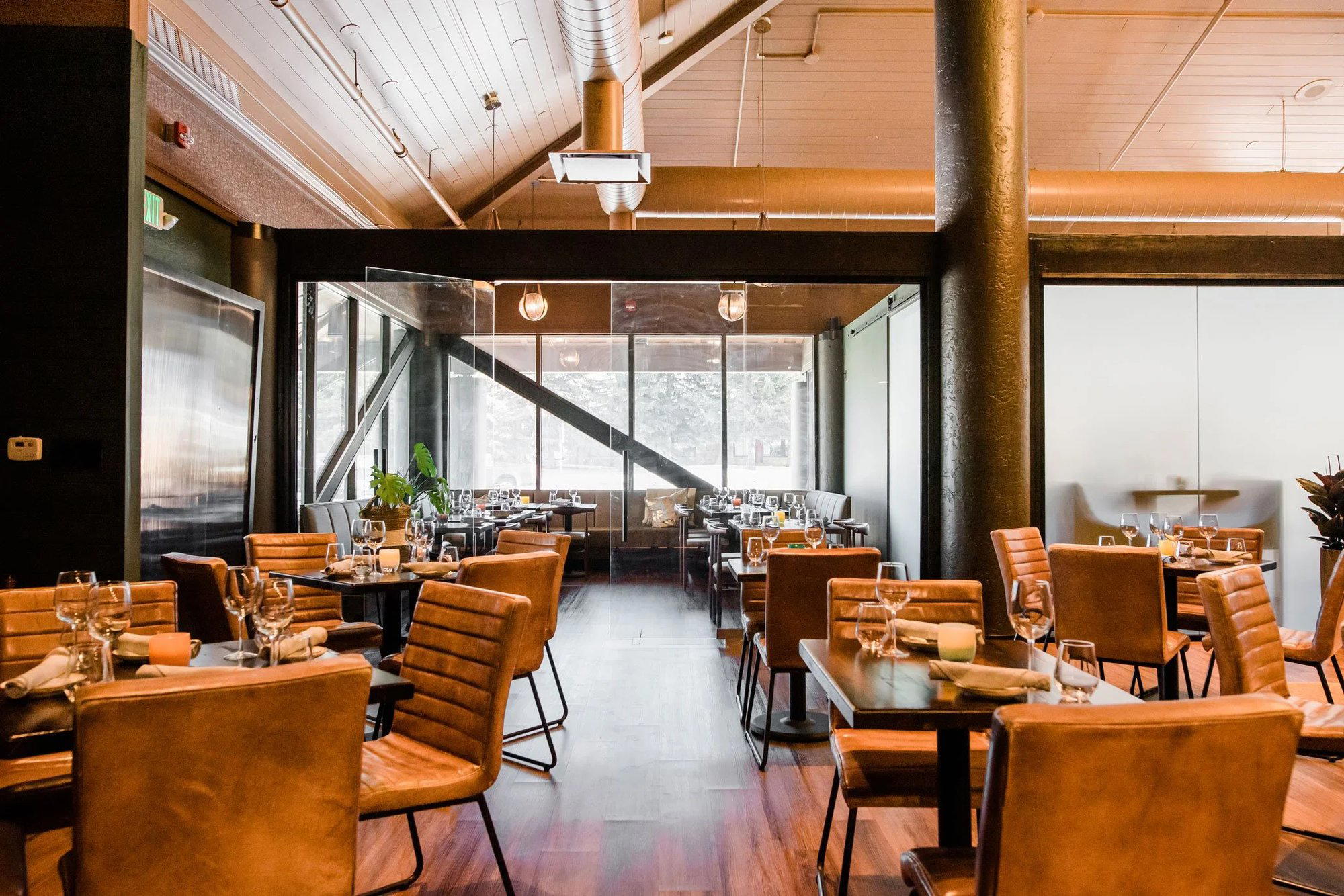
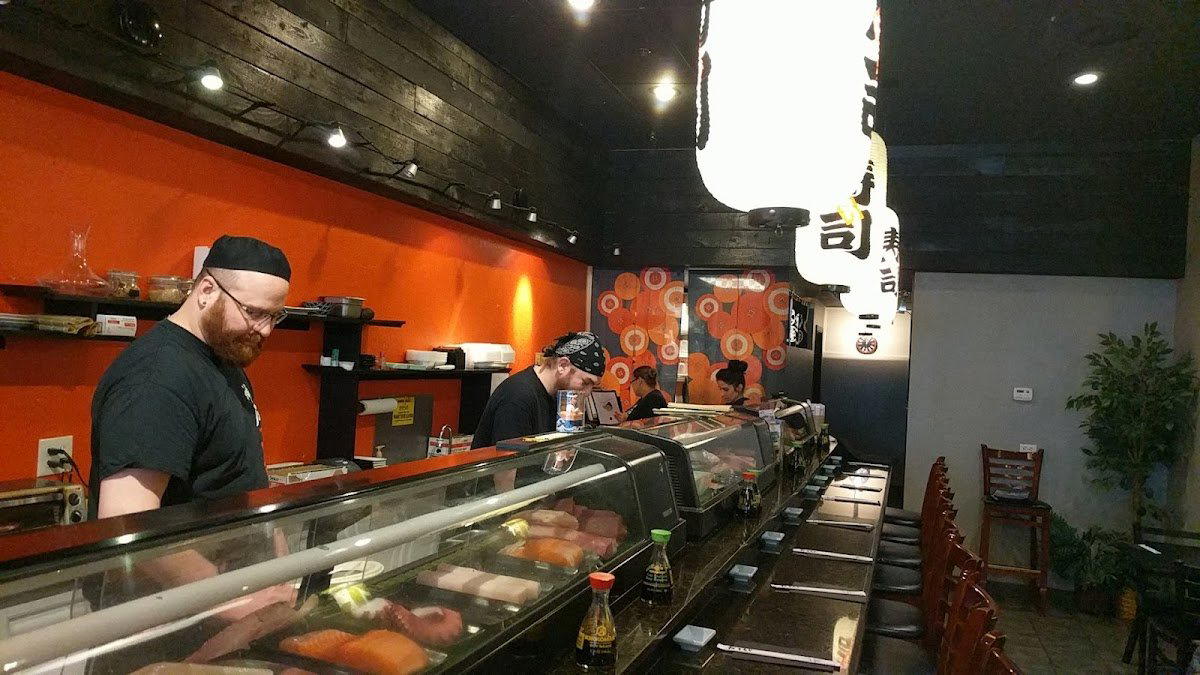
Modern and diverse with eclectic contemporary atmosphere, lively sushi bar featuring flat screens, and traditional tatami tables.