The Coriander Club
Our verdict
The Coriander Club on Royal Avenue in Calcot sits within Reading's broader South Asian dining scene, where the menu structure and seasoning approach tell you more about the kitchen's priorities than any single dish. Located at 98 Royal Ave, RG31 4UT, it draws a local following from the western residential edges of the town. Visitors to Reading with an interest in regional Indian cooking will find it a practical and considered option.

Pearl is the En Primeur Club membership app, where members save venues, book tables and use the concierge.
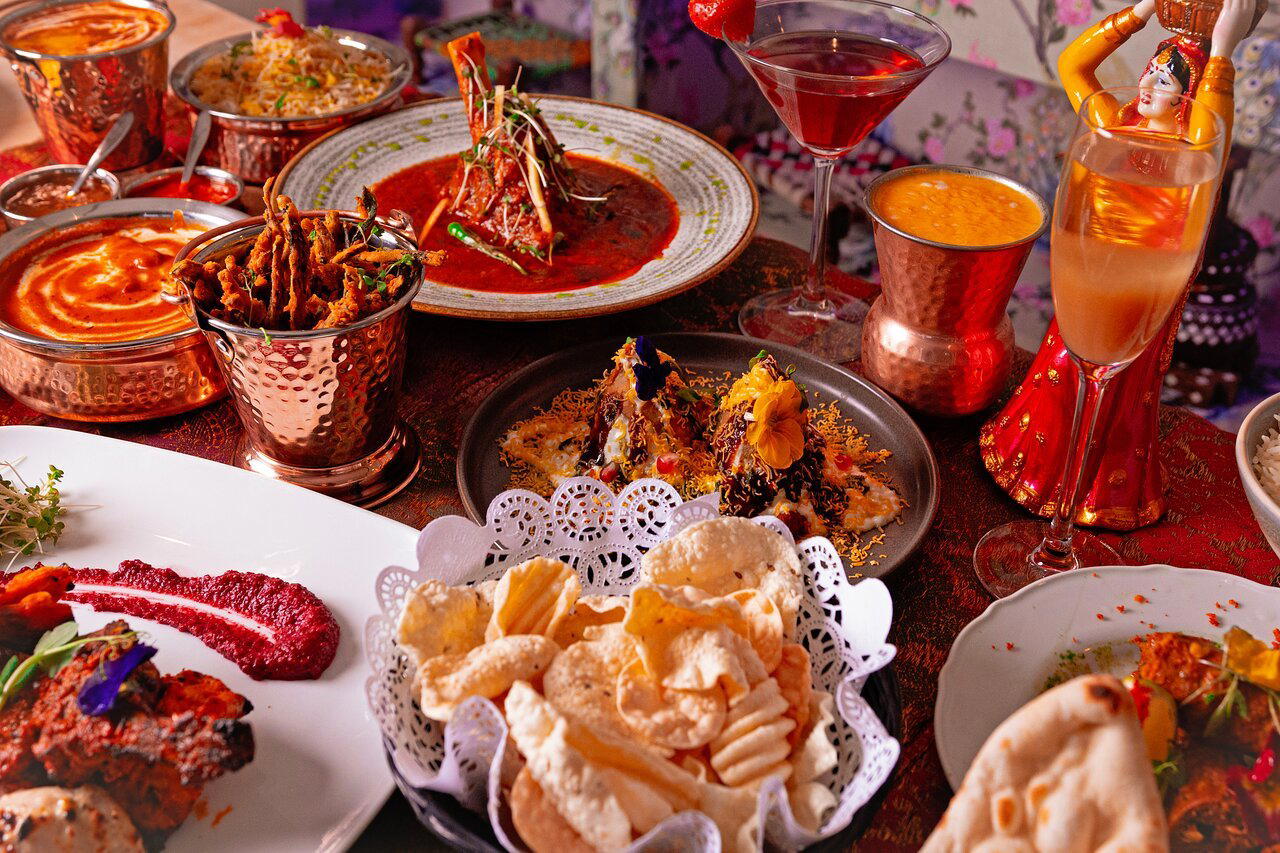
The menu
What to order
- Mixed grill
- Lamb rogan josh
- Punjabi prawn curry
Reading's Western Fringe and the Shape of Neighbourhood Indian Dining
Royal Avenue in Calcot sits on the quieter residential western edge of Reading, well outside the town centre restaurant corridors that cluster around Friar Street and the Oracle. Dining rooms in this part of RG31 tend to serve a settled local clientele rather than transient footfall, which changes what a kitchen has to do. There is less pressure to perform novelty and more expectation of consistency, depth, and the kind of menu that earns return visits rather than one-time curiosity. The Coriander Club operates within that dynamic, at an address that rewards the drive rather than the stumble.
Reading's South Asian dining provision has expanded considerably over the past decade, with venues ranging from street-food-inflected spots in the town centre to older, more formal establishments holding steady in the suburbs. The pattern across the UK's smaller cities is familiar: a first generation of curry-house formats, a second generation of regional specialists, and an emerging third tier that frames Indian cooking through contemporary plating and tasting structures. Where a given venue sits within that progression tells you a great deal about what to expect before you arrive. For broader context on what Reading's restaurant scene currently offers across all categories, the EP Club Reading restaurants guide maps the full picture.
What the Menu Structure Reveals
Menu architecture in South Asian restaurants tends to carry more editorial weight than it is usually given credit for. A menu organised by cooking method rather than protein, or one that sequences dishes in a way that mirrors a regional meal structure, signals something deliberate about the kitchen's ambitions. Equally, a menu built around familiar subcontinental headings, tikkas and baltis and kormas arranged for accessibility, tells you that the kitchen's contract with the guest is one of reliability rather than education. Neither is a failure; they are simply different propositions for different dining occasions.
The Coriander Club's name alone gestures toward a certain sensibility. Coriander is a herb that appears at almost every register of South Asian cooking, from the cilantro scattered over a street-food plate to the coriander seeds toasted as the base of a spice blend that takes an hour to build. Naming a restaurant after it rather than a geographical region or a founder's name suggests the kitchen's self-definition runs through flavour and technique rather than provenance alone. That kind of positioning tends to produce menus where the detail is in the spicing, where dishes are constructed to reveal individual spice contributions rather than merge them into an undifferentiated heat.
In the broader Reading Indian dining field, venues like Chilis Indian and Indo Chinese Restaurant and Chilis South Indian and Asian Restaurant address the regional diversity question from a South and East Indian perspective, while Lina Tandoori holds a more traditional tandoor-forward format. Clay's has built a reputation on a more contemporary presentation, and Dans at Green Hills operates at a different price register entirely. The Coriander Club occupies the Calcot pocket of this distribution, where the competitive set is thinner and the venue benefits from being the primary option for a large residential catchment.
Spice Architecture and the Question of Regional Depth
The question that separates Indian restaurants at the mid-to-upper tier is whether the kitchen sources and blends its own spices or works from pre-mixed pastes. It is not a snobbery point; pre-mixed preparations can produce excellent results in trained hands. But kitchens that grind their own spice blends to order tend to produce dishes with a layered quality, where the aromatic leading note, the middle warmth, and the lingering finish are distinct and sequential rather than simultaneous and flat. That quality is most legible in dishes with a shorter cook time: a chaat, a simple dal, a grilled protein returned to a finishing sauce.
Regional Indian cooking across the UK has been enriched by kitchens that have moved beyond the generic Mughal-influenced North Indian format toward the specificity of Keralan fish preparations, Goan vinegar-braised meats, the dry-spiced southern vegetarian tradition, or the Punjabi tandoor technique in its full range. Restaurants like Opheem in Birmingham have demonstrated that Indian cooking in a British context can hold its own against European fine dining formats and attract serious critical attention. That shift in the category's ceiling has raised expectations across the board, even for neighbourhood venues.
The Calcot Address: Practical Considerations
Calcot sits roughly three miles west of Reading town centre, accessible via the A4 Bath Road. The postcode RG31 places it in a residential zone with good car access and parking that central Reading cannot offer. For diners arriving from the M4 corridor, the location sits conveniently between junction 12 and the town centre, making it a more practical stopping point than venues that require navigating into the Oracle car parks. The residential setting means the surrounding streets are quiet in the evenings, which affects the character of a meal here: there is no ambient street noise, no passing foot traffic, the room carries its own atmosphere without borrowing from the city outside.
The wider Thames Valley dining circuit, for those making a longer evening of it, places this part of Berkshire within reach of some of the most decorated country-house restaurants in the UK. Waterside Inn in Bray and Hand and Flowers in Marlow are within a twenty-minute drive to the east; Le Manoir aux Quat'Saisons in Oxford lies further up the A4074 to the northwest. Those venues operate in an entirely different category and price tier. The comparison is useful not for what it says about The Coriander Club's ambitions but for what it says about the density of serious eating available within this part of the Home Counties. Across the UK more broadly, the standard for regional cooking at the highest level is set by rooms like L'Enclume in Cartmel, Moor Hall in Aughton, and Gidleigh Park in Chagford, while Midsummer House in Cambridge and hide and fox in Saltwood represent the kind of fine dining ambition that has taken root in non-London markets. CORE by Clare Smyth in London remains the metropolitan benchmark for produce-led tasting menus. Internationally, the precision of Le Bernardin in New York City and the Korean tasting-menu rigour of Atomix in New York City illustrate how clearly structured menus communicate a kitchen's discipline before a single dish arrives.
Planning Your Visit
The Coriander Club is located at 98 Royal Avenue, Calcot, Reading RG31 4UT. Given its position in a residential catchment with limited walk-in competition nearby, evenings at weekends are likely to be the busiest service periods, and booking ahead is advisable for Friday and Saturday sittings. The western Reading location is leading reached by car; street parking on Royal Avenue and surrounding roads is generally available in the evenings.
Frequently asked questions
What's the address for The Coriander Club?
The Coriander Club is located at 98 Royal Ave. Calcot, Reading RG31 4UT, United Kingdom, Reading.
Is The Coriander Club in Calcot suitable for a sit-down Indian meal away from Reading's town centre restaurants?
The Coriander Club sits at 98 Royal Avenue in the RG31 postcode, placing it firmly outside Reading's central dining corridors. For those based in west Reading or passing through Calcot via the A4 Bath Road, it represents a neighbourhood option without the town-centre parking and footfall. The address is residential in character, making it a quieter setting than comparable Indian restaurants closer to Reading's commercial core.
What do people recommend at The Coriander Club?
In mid-to-upper-tier Indian restaurants of this type, regulars tend to return for kitchen signatures that reflect regional spice work rather than a generic pan-Indian list. Asking staff what the kitchen is running that week is generally the most reliable approach at neighbourhood restaurants in the RG31 catchment.
Should I book The Coriander Club in advance?
Given its position in a residential pocket of Calcot, roughly three miles from Reading town centre, The Coriander Club draws a loyal local catchment rather than casual passing trade. That dynamic typically means tables fill on weekends from repeat visitors rather than walk-ins. Booking ahead is the safer approach, particularly for Friday and Saturday evenings.
Recognition Snapshot
Comparable venues nearby, for context on price, style, and recognition.
| Venue | Cuisine | Price | Notes |
|---|---|---|---|
| The Coriander ClubThis venue (the venue you are viewing) | Authentic Punjabi Indian | $20–30 | Not listed |
| Chilis South Indian & Asian Restaurant | South Indian & Indo-Chinese | $20–30 | The Village |
| Lina Tandoori | Authentic Indian Tandoori | $10–20 | Pangbourne |
| Chilis Indian & Indo Chinese Restaurant | Indian & Indo-Chinese Fusion | $20–30 | The Village, Reading Town Centre |
| Clay's | Modern Indian | $50–100 | Caversham |
| Street Food Shack | Mexican Street Food & Tex-Mex | $10–20 | Theale |
Continue exploring
More in Reading
Restaurants in Reading
All restaurants in Reading →
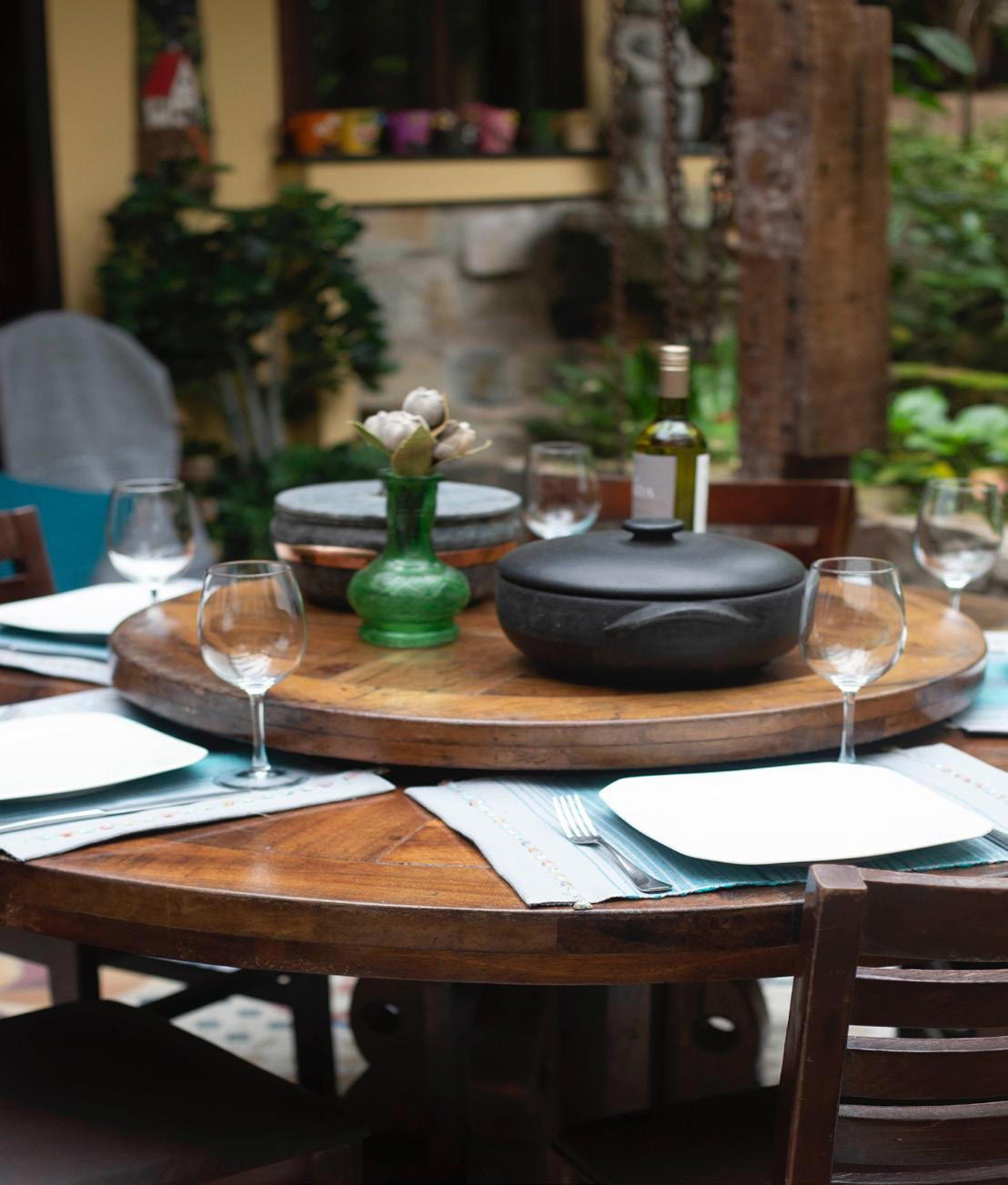
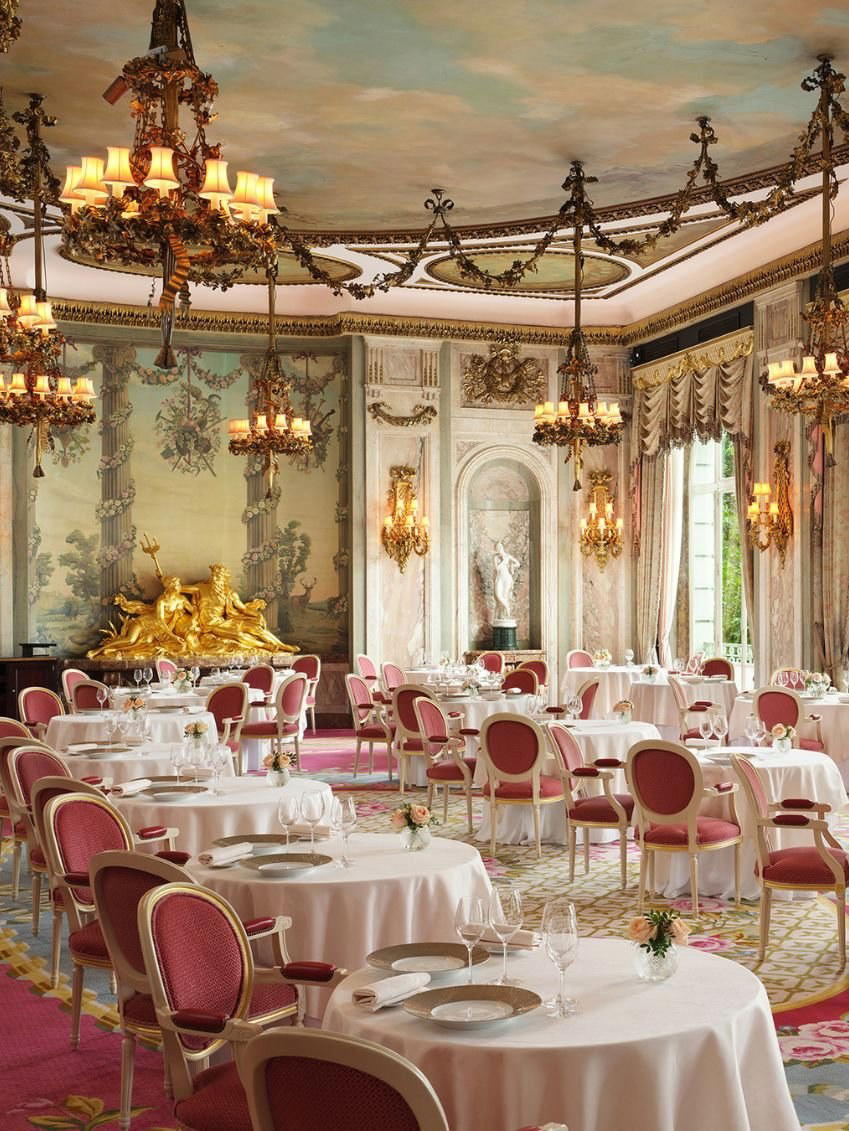
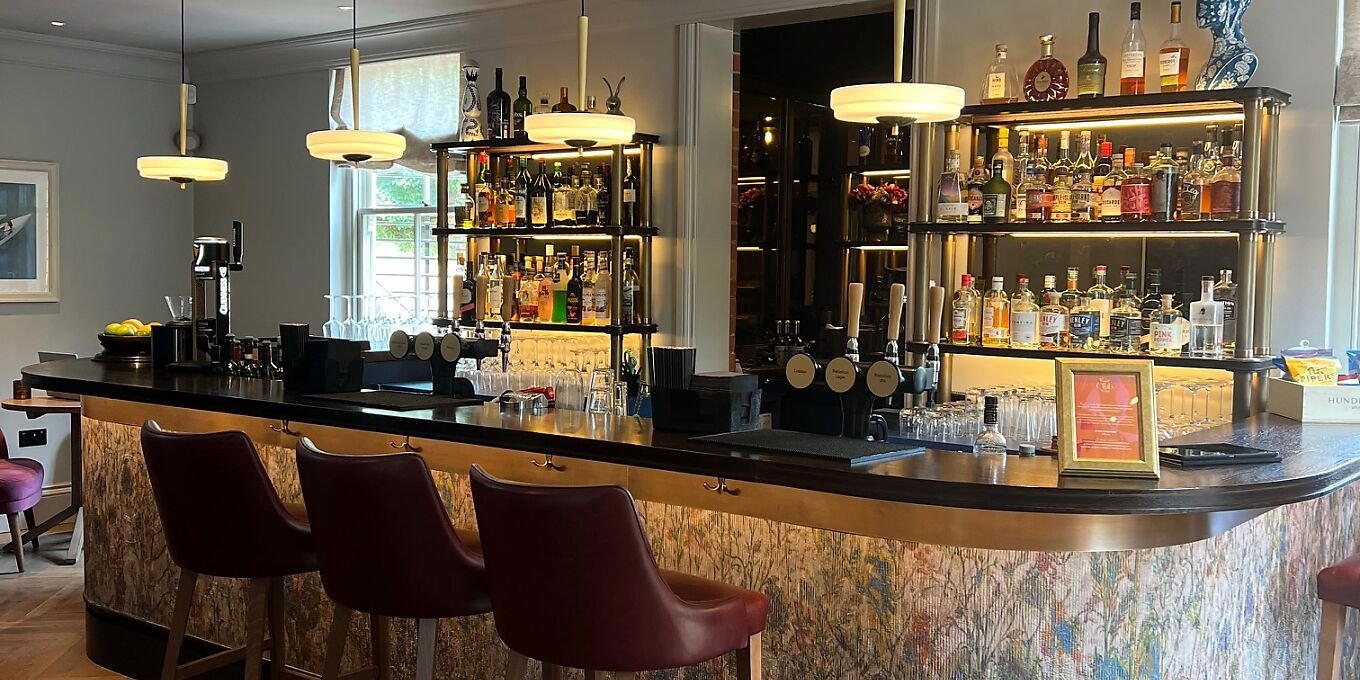
Bars in Reading
Browse all →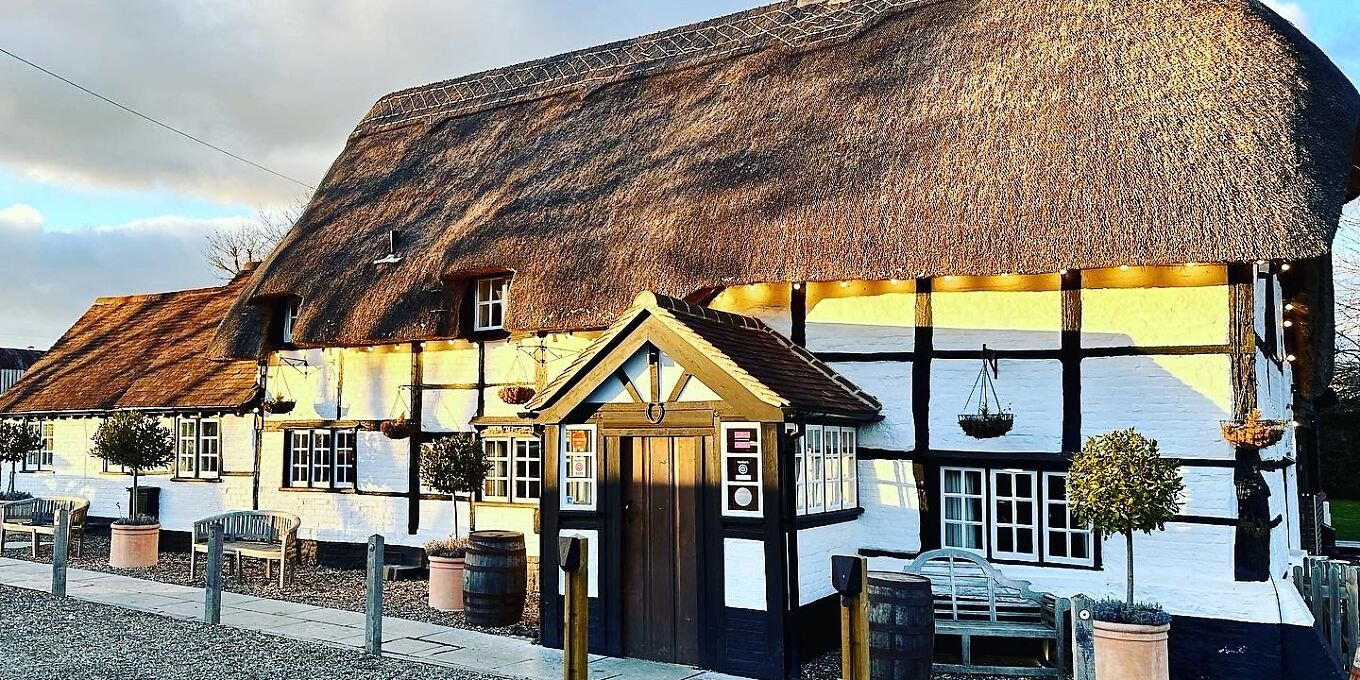



Details
- Lively
- Casual Hangout
- Family
- Standalone
- A La Carte
- Vegetarian Friendly
- Vegan Options
Current opening hours
- Monday
- Closed
- Tuesday
- 12–2:30 PM, 5–10 PM
- Wednesday
- 12–2:30 PM, 5–10 PM
- Thursday
- 12–2:30 PM, 5–10 PM
- Friday
- 12–2:30 PM, 5–10 PM
- Saturday
- 12–2:30 PM, 5–10 PM
- Sunday
- 12–9 PM
Hours can change for holidays and private events. Hours as of .
Lively and welcoming with great vibes as noted by guests enjoying authentic Punjabi flavors.