The Coach House by Wazwan

Michelin Plate
Our verdict
A Michelin Plate-recognised dining room on West Division Street where South and Southeast Asian cuisines converge through the lens of pickling, fermentation, and dry-spice technique. The Coach House by Wazwan operates out of a historic coach house on Chicago's Wicker Park edge, serving a menu that treats achars and fermented ingredients as structural elements rather than garnishes.

Pearl is the En Primeur Club membership app, where members save venues, book tables and use the concierge.
The menu
What to order
- Kulcha with date butter
- Crab momo
- Fara dumplings
- Duck Numidian
A Coach House on Division Street, and What It Signals
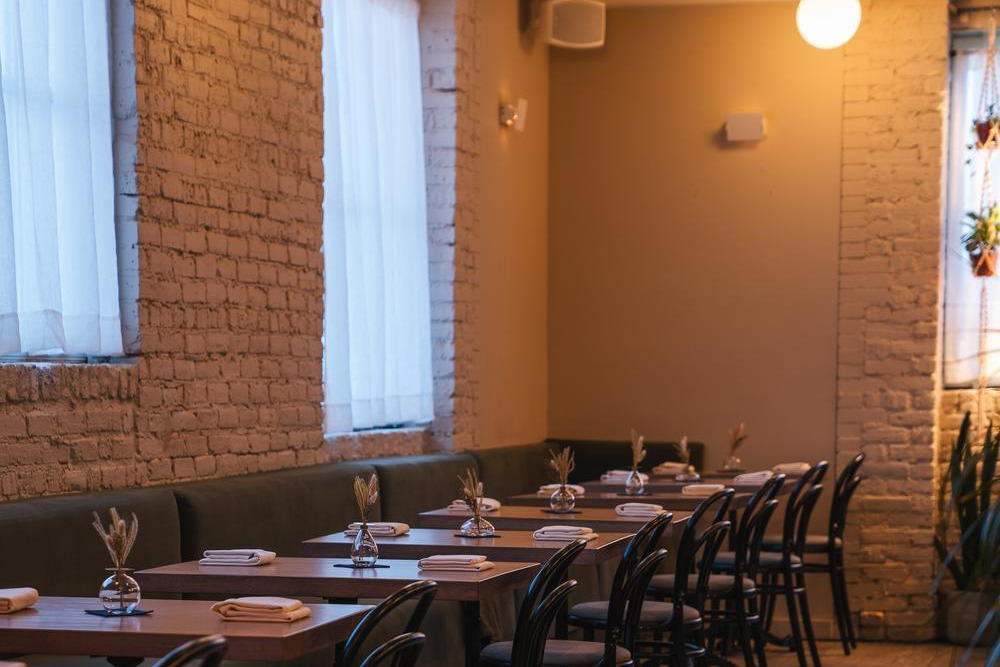
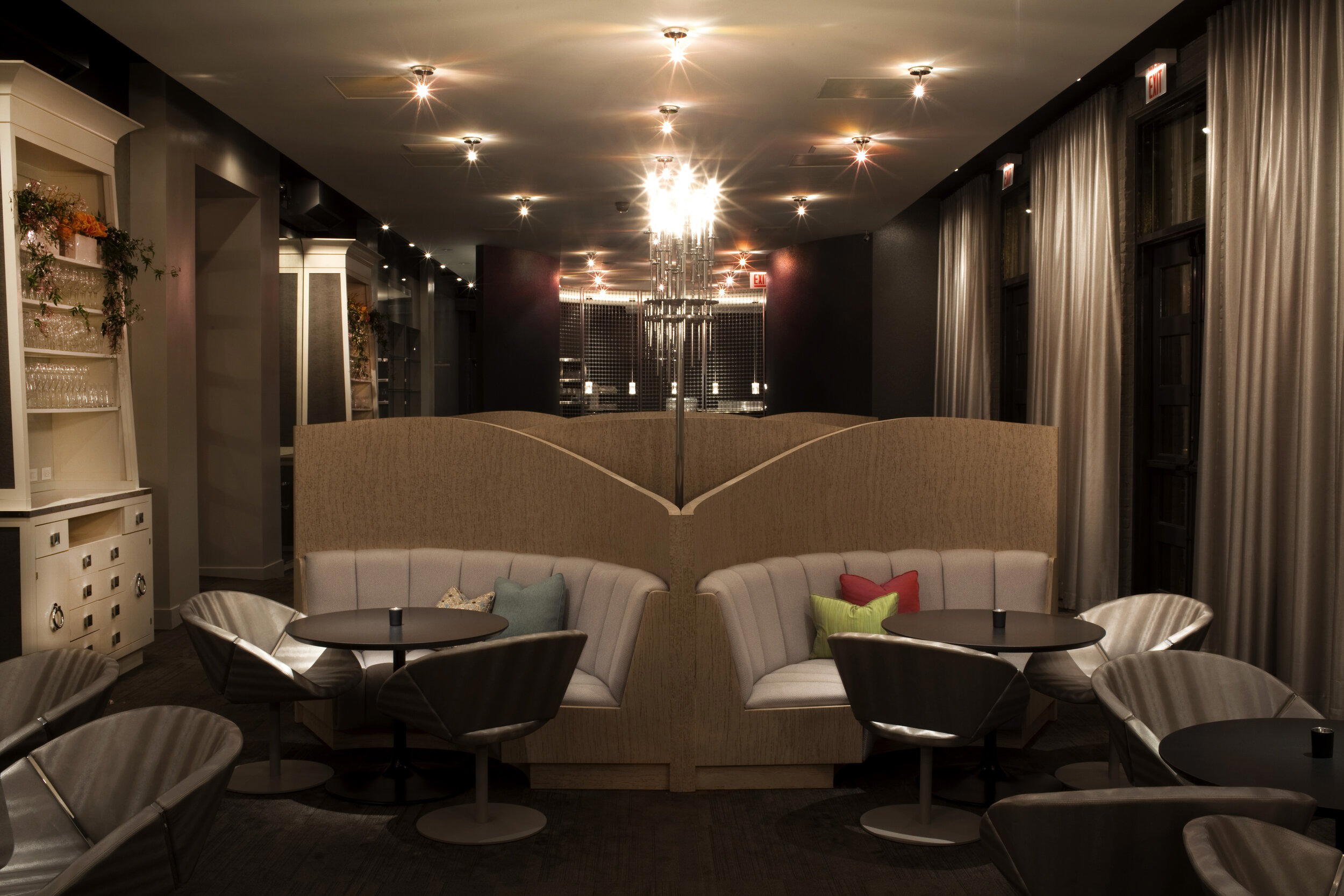
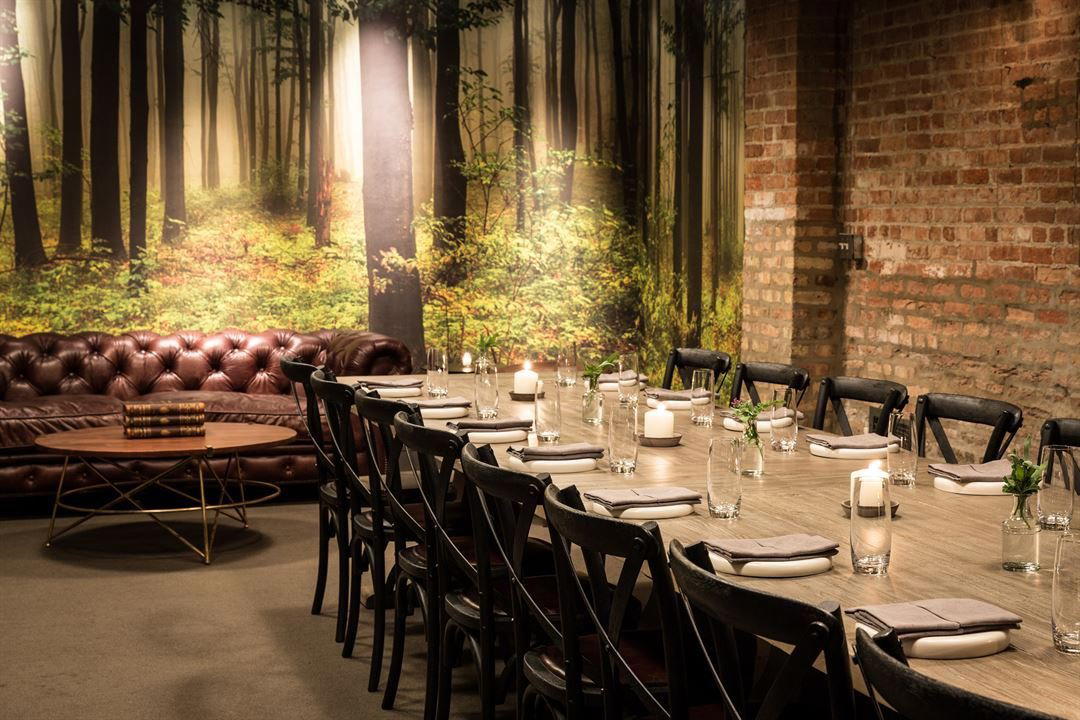
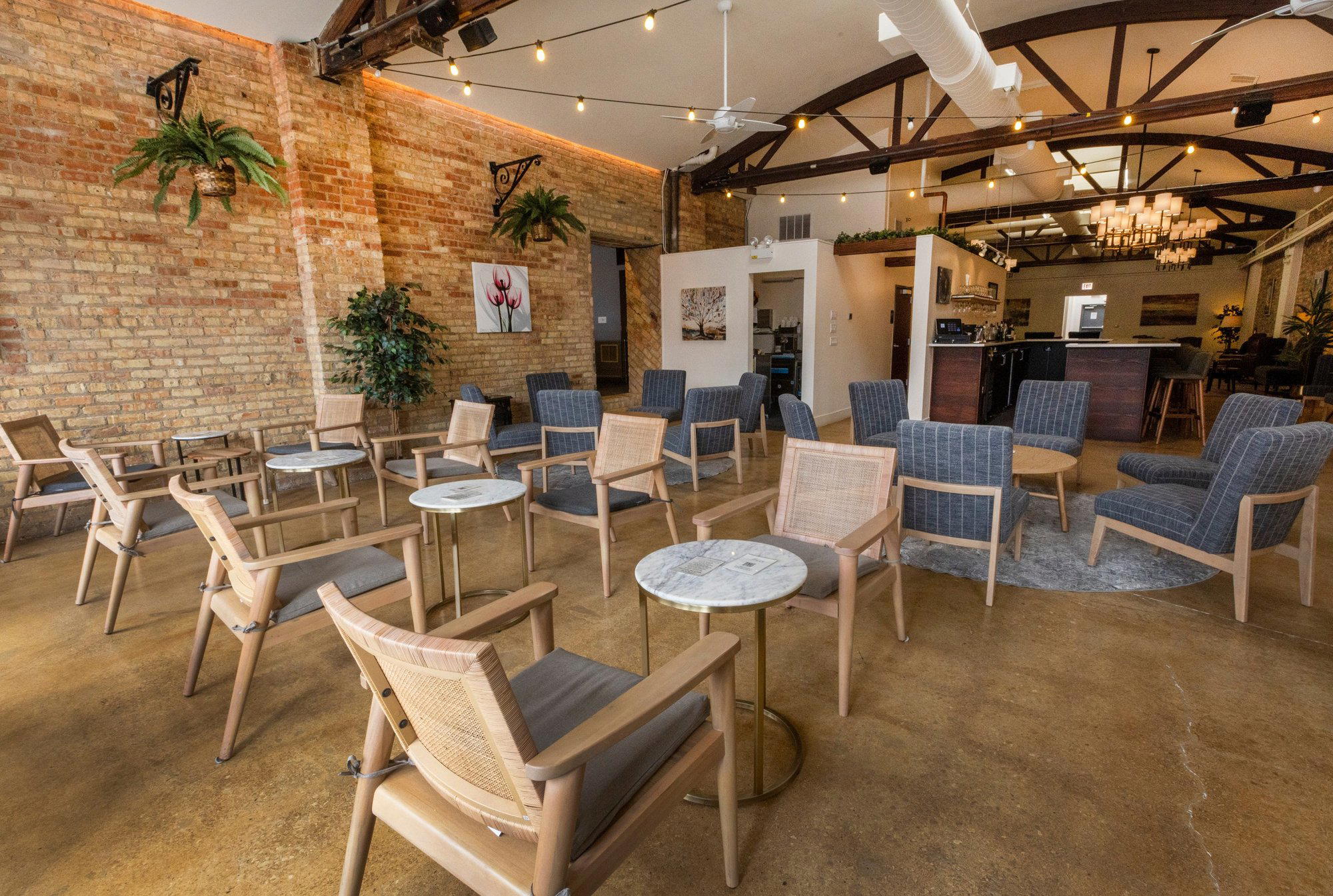
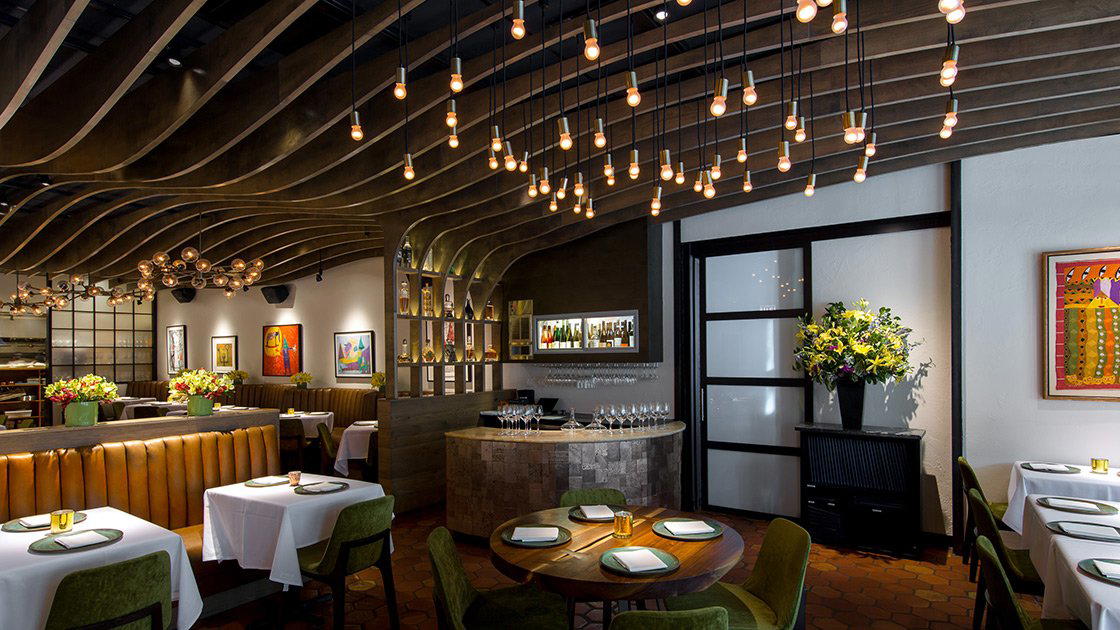
West Division Street at the Wicker Park boundary is the kind of address that rewards walkers who look up from their phones. The building at 1742 is a historic coach house, the sort of compact, repurposed structure that Chicago's older residential neighbourhoods still harbour between greystone apartment blocks and corner taverns. Entering a small dining room inside a space built for horses and carriages rather than kitchen passes sets a particular register before a single plate arrives: this is not a large-format, open-kitchen theatre. The scale is intimate, the ceiling low, the room self-contained. That physical setting is not incidental to what The Coach House by Wazwan does at the table.
Where the Ingredients Come From, and Why That Shapes the Menu
Chicago's more ambitious restaurants have, over the past decade, developed a recognisable grammar around provenance. At Smyth and Single Thread Farm in Healdsburg, the sourcing logic runs through hyper-local produce and farm-direct relationships. At The Coach House by Wazwan, the sourcing logic runs in a different direction entirely: toward the larder traditions of South and Southeast Asia, where preservation is not a trend but a centuries-old method of extending, deepening, and transforming ingredients.
Pickling and fermentation are not accent notes here. They are the structural vocabulary of the menu. The array of achars, the fermented and spiced pickles that anchor Indian and South Asian cooking, appear as a through-line across courses rather than as condiments set to the side. This is a meaningful distinction. In most Western-facing restaurants, achar functions as a digestive aside. At Wazwan, the pickling tradition carries weight as a primary flavour mechanism, and the menu is built around that premise.
The sourcing implications extend to the spice pantry. Dry spice rubs, such as the molaga podi applied to sweet potato in a recent menu iteration, draw from South Indian pantry staples that are themselves products of dried and ground ingredient traditions. Molaga podi, a coarse mix of lentils, dried chillies, and sesame, is typically a breakfast condiment in Tamil Nadu. Deploying it as a dry rub on a pavé of sweet potato is a repositioning that respects the ingredient's origin while placing it in a different structural role. That kind of movement, pulling pantry staples from their traditional context and asking them to carry a different load, is what defines the menu's intellectual character.
The Cuisine Category and Its Chicago Peers
Chicago's fine-dining tier at the $$$$ price point has historically been organised around European-derived fine dining and its American progressive descendants. Alinea, Oriole, and Next Restaurant all operate within that framework, however radically they depart from French classicism in execution. The Coach House by Wazwan occupies a different coordinate.
Globally, the movement to apply fine-dining rigour to South and Southeast Asian culinary traditions is producing some of the most closely watched restaurants in the world. Farang in Stockholm applies Nordic precision to Southeast Asian flavour profiles. Chuan Kitchen in Pak Kret operates within an entirely different register of Thai regional cooking. The Coach House by Wazwan is doing something distinct from both: it is working at the hyphen between South Asian and Southeast Asian cuisines, a culinary zone that has its own internal logic around spice, fermentation, and the use of dairy, legumes, and rice-based preparations.
Reading the Menu Through Its Techniques
The Michelin Plate recognition the restaurant earned in 2024 positions it clearly within the broader ecosystem of serious Chicago dining without placing it in the same tier as the city's starred houses. A Michelin Plate signals food worth seeking out, a marker the guide uses for kitchens that cook with genuine commitment even where the complete package falls short of star criteria. For a small, intimate room on Division Street working a cuisine category that Chicago's Michelin inspectors do not often encounter, the recognition is a meaningful coordinate.
The documented menu moments give a reliable read on technique. Fara, the dumplings of North Indian origin, served here with beet butter and shiitake mushrooms, demonstrate a cross-regional instinct: fara is a wheat-dough preparation common in Uttar Pradesh, while shiitakes connect to East Asian pantry traditions, and the beet butter is a Northern European idiom. The fact that the combination earns Michelin recognition suggests the kitchen has the technical control to make such lateral moves without the dish reading as arbitrary.
Desserts follow the same logic. Ube jalebi soaked in saffron syrup and served with pistachio ice cream draws from three distinct ingredients traditions: ube from Filipino cooking, jalebi from South Asian sweet-making, and pistachio as a pan-Middle Eastern and Central Asian flavour. The combination is not accidental eclecticism. It reflects a kitchen working from culinary memory that spans multiple geographies, and translating that memory into a coherent tasting progression.
Where This Fits on the Division Street Dining Circuit
Wicker Park and the Division Street corridor have accommodated a wide range of dining registers over the years, from neighbourhood-casual to destination-level. The Coach House by Wazwan occupies the destination end of that range without requiring the production-level investment that drives reservation queues at Alinea or Le Bernardin in New York City.
For anyone building a Chicago dining itinerary around serious cooking outside the European-derived tradition, The Coach House by Wazwan sits alongside Kasama as the clearest evidence that the city's Michelin-recognised tier is broadening in real terms. The fermentation and pickling orientation places it in a different category from the technique-driven precision of Lazy Bear in San Francisco or the sourcing-obsessed model of The French Laundry in Napa, but the ambition is comparable. Explore the full depth of the city's dining scene through our full Chicago restaurants guide, and plan the broader trip with our full Chicago hotels guide, our full Chicago bars guide, our full Chicago wineries guide, and our full Chicago experiences guide.
Planning Your Visit
Address: 1742 W Division St, Chicago, IL 60622. Price range: $$$$ (comparable to peer fine-dining rooms in the Wicker Park area). Recognition: Michelin Plate 2024. Reservations are advisable given the intimate capacity of the coach house format; walk-in availability cannot be relied upon at a room of this size.
Frequently asked questions
How do I find The Coach House by Wazwan?
The Coach House by Wazwan is located at 1742 W Division St, Chicago, IL 60622, Chicago.
What price level is The Coach House by Wazwan?
Pricing at The Coach House by Wazwan is listed as $$$$.
What awards or recognition does The Coach House by Wazwan have?
The Coach House by Wazwan has received recognition including: Chef Zubair Mohajir's culinary respite is a delicious and welcome surprise. The small, intimate, and historic "coach house" brings a myriad of new flavors and layers of complexity to the cuisines of both South- and Southeast Asia. Born in I….
What should I eat at The Coach House by Wazwan?
The menu is anchored by fermentation and pickling, so the achar selection is the right place to start. Documented highlights include a sweet potato pavé with molaga podi, fara dumplings with beet butter and shiitake, and an ube jalebi soaked in saffron syrup with pistachio ice cream. The dessert course in particular signals the kitchen's interest in cross-cultural collisions rather than regional purity.
What kind of cuisine does The Coach House by Wazwan serve?
Can I walk in to The Coach House by Wazwan?
The restaurant operates at the $$$$ price tier in an intimate coach house format at 1742 W Division St, Chicago, both factors suggest a reservation is the safer approach.
What's The Coach House by Wazwan best at?
The kitchen's clearest strength is placing South and Southeast Asian fermentation technique inside a formal fine-dining frame, a combination that earned it a Michelin Plate in 2024. At the $$$$ price point, it occupies a position in Chicago dining where the cuisine category itself is the differentiator: there are few rooms in Wicker Park working at this register with this regional scope.
Credentials Lens
| Venue | Cuisine | Price | Awards | Notes |
|---|---|---|---|---|
| The Coach House by WazwanThis venue (the venue you are viewing) | Modern South & Southeast Asian Tasting Menu | $150–200 | Michelin Plate | Not listed |
| Alinea | Avant-Garde Molecular Gastronomy | $300–500 | 2 Michelin Stars · World's 50 Best #37 | Progressive American, Creative |
| Smyth | Modern American Tasting Menu | $200–300 | 3 Michelin Stars · World's 50 Best #1 | Progressive American, Contemporary |
| Kasama | Modern Filipino | $30–50 | 2 Michelin Stars · World's 50 Best #31 | Filipino |
| Next Restaurant | Avant-Garde Themed Tasting Menus | Not listed | 1 Michelin Star · We're Smart World 2 Radishes | American Cuisine |
| Boka | Modern American Seasonal Fine Dining | $150–200 | 1 Michelin Star · La Liste Top Restaurants | New American, Contemporary |
Recognition history
Dated appearances from independent guides and award organizations, with the underlying list record or original source where available.
Michelin Plate
Michelin
Full recognition history (2 entries)
Michelin Plate
Michelin