The Clearwater
Our verdict
The Clearwater sits in Suquamish, Washington, where the traditional food culture of the Suquamish people meets the cold, productive waters of Puget Sound. The restaurant operates within the territory of Chief Seattle's own tribe, making its relationship to local ingredients and indigenous provisioning traditions a central part of what it offers. For visitors crossing Agate Pass from the Kitsap Peninsula, the journey itself signals a different kind of dining geography.

Pearl is the En Primeur Club membership app — saves, bookings, and concierge access live there. Same editors, same standards.
The menu
What to order
- Crab Stuffed Colossal Shrimp
- Clearwater signature salad
Where the Food Comes From First
Restaurants that build identity around sourcing usually do so as a marketing posture — provenance labels on menus, farm names in footnotes. The Clearwater in Suquamish, Washington, operates in a different register. Located at 15347 Suquamish Way NE on the eastern shore of the Kitsap Peninsula, the restaurant sits within the homeland of the Suquamish Tribe, and that geographic and cultural placement shapes what ends up on the plate in ways that go beyond typical farm-to-table framing. The waters immediately surrounding this part of Puget Sound have sustained Coast Salish communities for thousands of years. Salmon, shellfish, and the broader marine ecosystem of the Sound are not imported ingredients here — they are local in the deepest sense of that word.
This matters because sourcing in the Pacific Northwest is not uniform. Seattle's dining scene, visible across the water, draws from the same regional larder but packages it through a very different set of culinary references and price expectations. The Clearwater sits outside that urban framework, closer to the origin point of much of what those Seattle restaurants import by the case.
The Setting and How You Arrive
Getting to Suquamish from Seattle involves either the Bainbridge Island ferry and a short drive north, or a longer drive around through Poulsbo and across the Agate Pass Bridge. Neither route is incidental, both pass through landscapes that provide direct context for the meal ahead. The ferry crossing gives you thirty minutes of open water with views of the Olympic Mountains to the west and the Seattle skyline receding behind you. The drive across Agate Pass Bridge offers a narrower but no less striking passage over the tidal channel that separates the Kitsap Peninsula from Bainbridge Island.
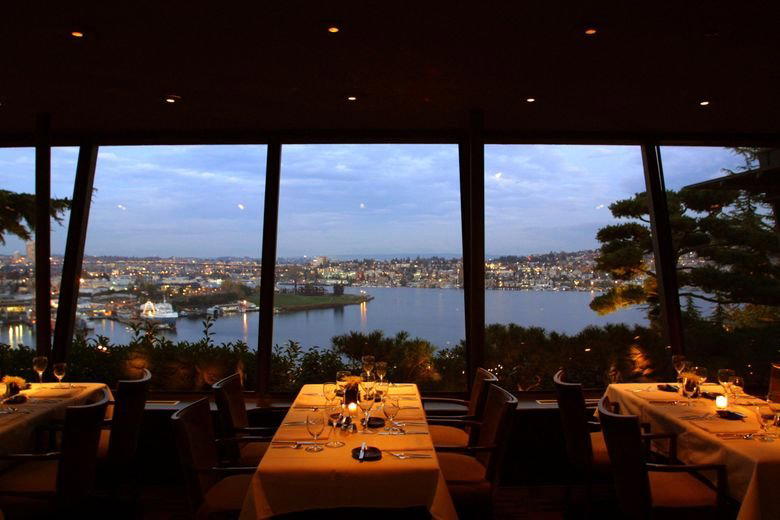
The Clearwater itself occupies a waterfront position that places the sourcing story in plain sight. Puget Sound's marine ecosystem, one of the most productive temperate cold-water systems on the Pacific coast, is visible from the dining room. For the kind of seafood-anchored cuisine that defines much of this region's serious cooking, that physical relationship between kitchen and origin point is not incidental atmosphere. It is the premise. Restaurants like Le Bernardin in New York City or Providence in Los Angeles operate at the apex of American seafood dining but function hundreds or thousands of miles from their primary sources. Here, the supply chain compresses dramatically.
Indigenous Provisioning and the Broader Pacific Northwest Tradition
The Suquamish Tribe's relationship with salmon and shellfish predates statehood, European contact, and the entire modern restaurant industry by several thousand years. The Treaty of Point Elliott, signed in 1855, preserved tribal fishing rights in these waters, rights that have been legally contested and defended through multiple federal court decisions since. That legal and cultural backstory is not decorative context. It defines who has legitimate access to certain fisheries and how those fisheries are managed. A restaurant operating within this tribal context draws from provisioning relationships that function differently than the distributor networks feeding most Pacific Northwest kitchens.
Broader Pacific Northwest is well-represented in American fine dining through venues like Single Thread Farm in Healdsburg, which has built a nationally recognized program around agricultural sourcing, or Lazy Bear in San Francisco, which applies a communal, narrative-driven format to seasonal American ingredients. What distinguishes the Suquamish context is that the sourcing story is not constructed retrospectively around a culinary concept. It precedes the concept entirely. The food traditions of the Suquamish people, smoking, drying, preserving salmon; harvesting shellfish from tidelands managed across generations, represent an unbroken provisioning culture that any serious kitchen in this location necessarily encounters.
This is the framework through which ingredient-led programs elsewhere in the United States are increasingly being evaluated. Blue Hill at Stone Barns in Tarrytown and The French Laundry in Napa have made sourcing transparency central to their national reputations. The question the Clearwater raises is whether a restaurant embedded in an indigenous cultural geography can bring that same level of sourcing intentionality to a tradition that long predates the vocabulary of farm-to-table.
Suquamish is not a destination dining town in the way that, say, Healdsburg or the Napa Valley wine corridor functions. There is no cluster of competing high-end tables, no chef migration from larger cities establishing satellite outposts. The Clearwater operates in relative isolation from that kind of restaurant ecosystem, which cuts both ways. It faces less competitive pressure but also less of the editorial attention and reservation infrastructure that drives awareness for comparable programs in denser markets.
Within the Pacific Northwest, serious sourcing-led restaurants tend to concentrate in Seattle proper, Portland, and a handful of wine-adjacent destinations. Programs in smaller coastal or inland towns, including tribal-operated venues, receive far less attention from national food media than their urban counterparts. This gap is narrowing, partly because the conversation around indigenous food sovereignty and Native-led culinary programs has moved from niche academic discussion into mainstream food journalism over the past decade. Venues like ITAMAE in Miami, which draws on Peruvian-Japanese fishing traditions, and Causa in Washington, D.C., which grounds its menu in Peruvian coastal ingredients, represent the wider national trend toward cuisine defined by specific aquatic and agricultural geographies. The Clearwater sits within that broader current, but from a position that is geographically and culturally more grounded than most.
For visitors who have engaged with similarly sourcing-conscious programs, Bacchanalia in Atlanta, Addison in San Diego, or Frasca Food & Wine in Boulder, the Clearwater offers a version of that conversation rooted in a very specific place. See our full Suquamish restaurants guide for broader context on what dining in this part of Washington looks like.
Planning a Visit
Suquamish sits approximately eight miles north of Winslow on Bainbridge Island by road, making the Washington State Ferry from Seattle Pier 52 the most practical route for visitors coming from the city. The crossing runs roughly 35 minutes and operates on a regular schedule throughout the day, though weekend departures book up quickly in summer months, and arriving early at the terminal is advisable. The Kitsap Peninsula's tourism season peaks between June and September, when daylight hours extend and the Sound is at its most active. Visitors combining the Clearwater with other Kitsap or Bainbridge destinations will find the geography manageable without a car if they are comfortable with ferry timing, though having a vehicle opens up considerably more flexibility for exploring the surrounding area. Contact details and current hours are best confirmed directly with the venue before travel, as scheduling can vary by season.
Frequently asked questions
Does The Clearwater work for a family meal?
Suquamish is a low-key waterfront community on the Kitsap Peninsula, and The Clearwater's position on Puget Sound suits a relaxed pace rather than a high-formality dining occasion. The connection to Pacific Northwest food traditions — salmon, shellfish, waters that have sustained the Suquamish Tribe for generations — gives the meal a grounding that resonates across ages. It is not a loud, high-turnover environment, which generally works in a family's favour.
What kind of setting is The Clearwater?
The Clearwater sits at 15347 Suquamish Way NE, directly within the Suquamish Tribe's territorial homeland on the Kitsap Peninsula, with Puget Sound as the immediate backdrop. The setting is waterfront without being resort-adjacent — Suquamish is a working community, not a tourist corridor, which keeps the atmosphere grounded. Arriving via the Washington State Ferry from Seattle Pier 52 to Bainbridge Island, then driving north, frames the meal with the geography that defines the kitchen's sourcing.
Is The Clearwater accessible from Seattle without a car?
Washington State Ferries run regularly from Seattle Pier 52 to Bainbridge Island, and Suquamish sits roughly eight miles north of Winslow by road on the Kitsap Peninsula. Without a car, onward travel from the ferry terminal requires a rideshare or local transit connection, as Suquamish at 15347 Suquamish Way NE is not walkable from the Bainbridge terminal. Planning that connection in advance is advisable before booking the crossing.
What's the must-try dish at The Clearwater?
Specific menu data is not available, but the geographic logic is clear: The Clearwater operates within the Suquamish Tribe's homeland on Puget Sound, where salmon and shellfish have been harvested for thousands of years. Following whatever the kitchen draws from those waters is the reliable approach. Dishes tied to that provenance will reflect the strongest regional identity on the menu.
What's the address for The Clearwater?
The Clearwater is located at 15347 Suquamish Way NE, Suquamish, WA 98392, Suquamish.
Do they take walk-ins at The Clearwater?
Suquamish draws far less foot traffic than Seattle or Winslow on Bainbridge Island, so the pressure on tables is generally lower than at comparable Pacific Northwest waterfront spots. Contacting the venue directly before making the ferry crossing is the practical step, particularly if travelling as a group.
Side-by-Side Snapshot
Comparable venues nearby, for context on price, style, and recognition.
| Venue | Cuisine | Price | Notes |
|---|---|---|---|
| The ClearwaterThis venue — the venue you are viewing | Contemporary American Steakhouse & Seafood | $30–50 | Not listed |
| FlintCreek Cattle Co | Modern American Steakhouse with Game Meats | $50–100 | Greenwood |
| Founders Club | Modern American Bar Snacks | Not listed | Central Business District |
| Charcoal | Modern American Charcoal Grill | $30–50 | Edmonds |
| Alder & Ash | New American Grill | $50–100 | Central Business District |
| allister | Scratch-Made American with British Influences | $50–100 | Downtown Mercer Island |
Continue exploring
More in Suquamish
Restaurants in Suquamish
All restaurants in Suquamish →
Bars in Suquamish
Browse all →
Details
- Casual
- Relaxed
- Date Night
- Casual Hangout
- Waterfront
- Local Sourcing
- Waterfront
- A La Carte
- Gluten Free Options
Current opening hours
- Monday
- 4:30–9 PM
- Tuesday
- 4:30–9 PM
- Wednesday
- 4:30–9 PM
- Thursday
- 4:30–9 PM
- Friday
- 4:30–9 PM
- Saturday
- 4:30–9 PM
- Sunday
- 4:30–9 PM
Hours can change for holidays and private events. Last verified .
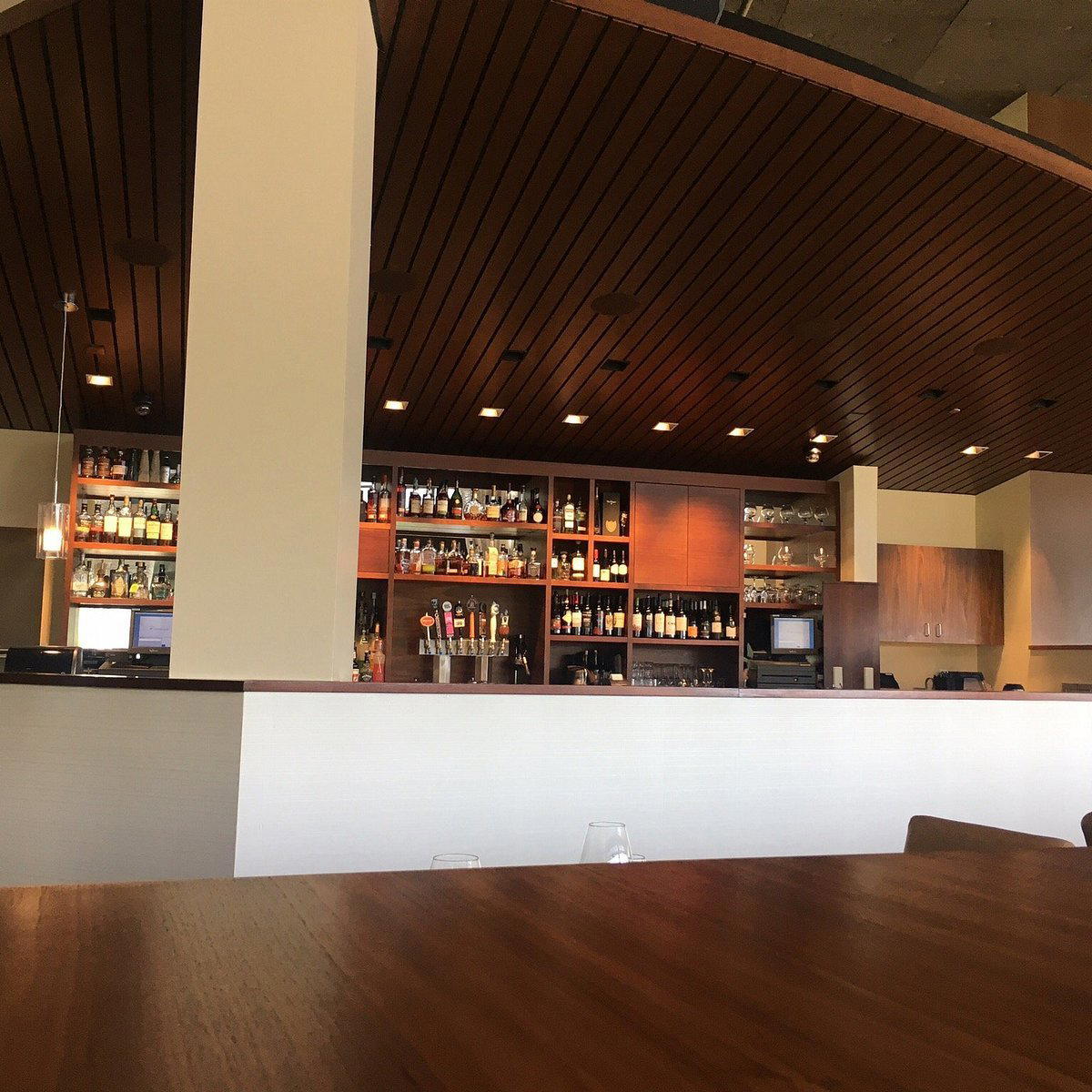
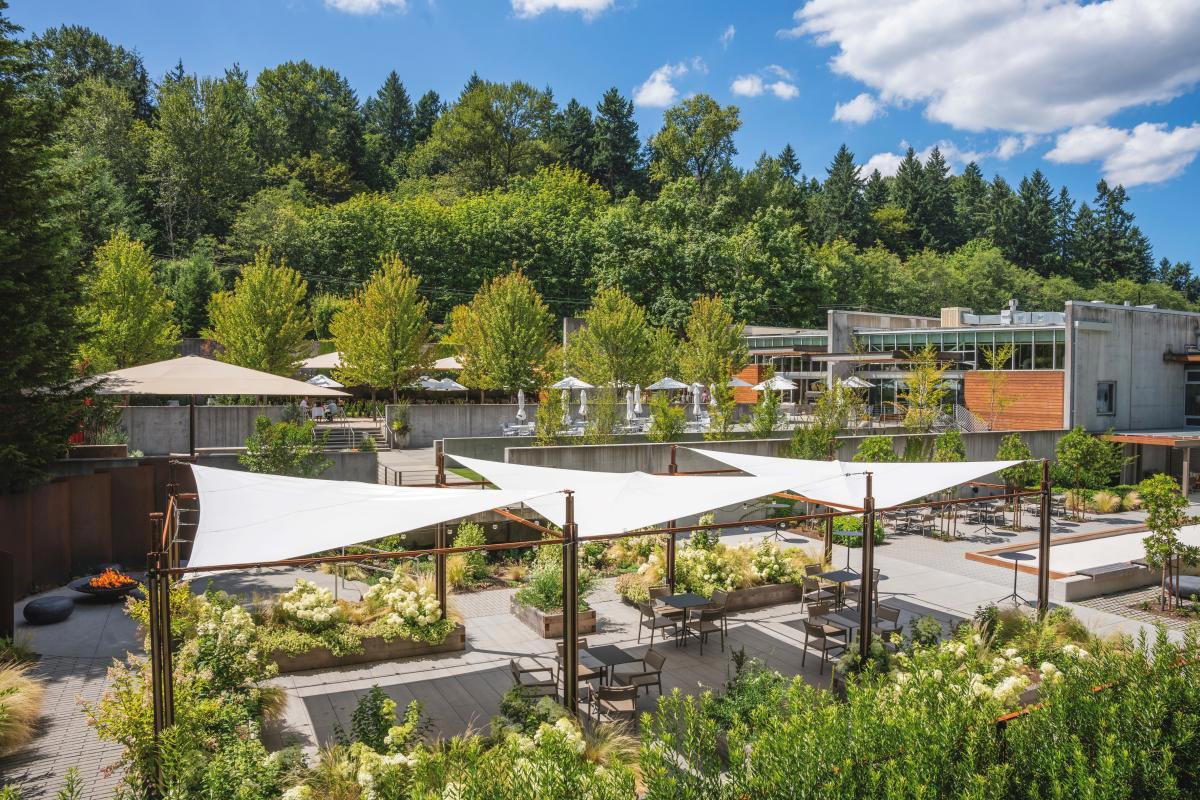
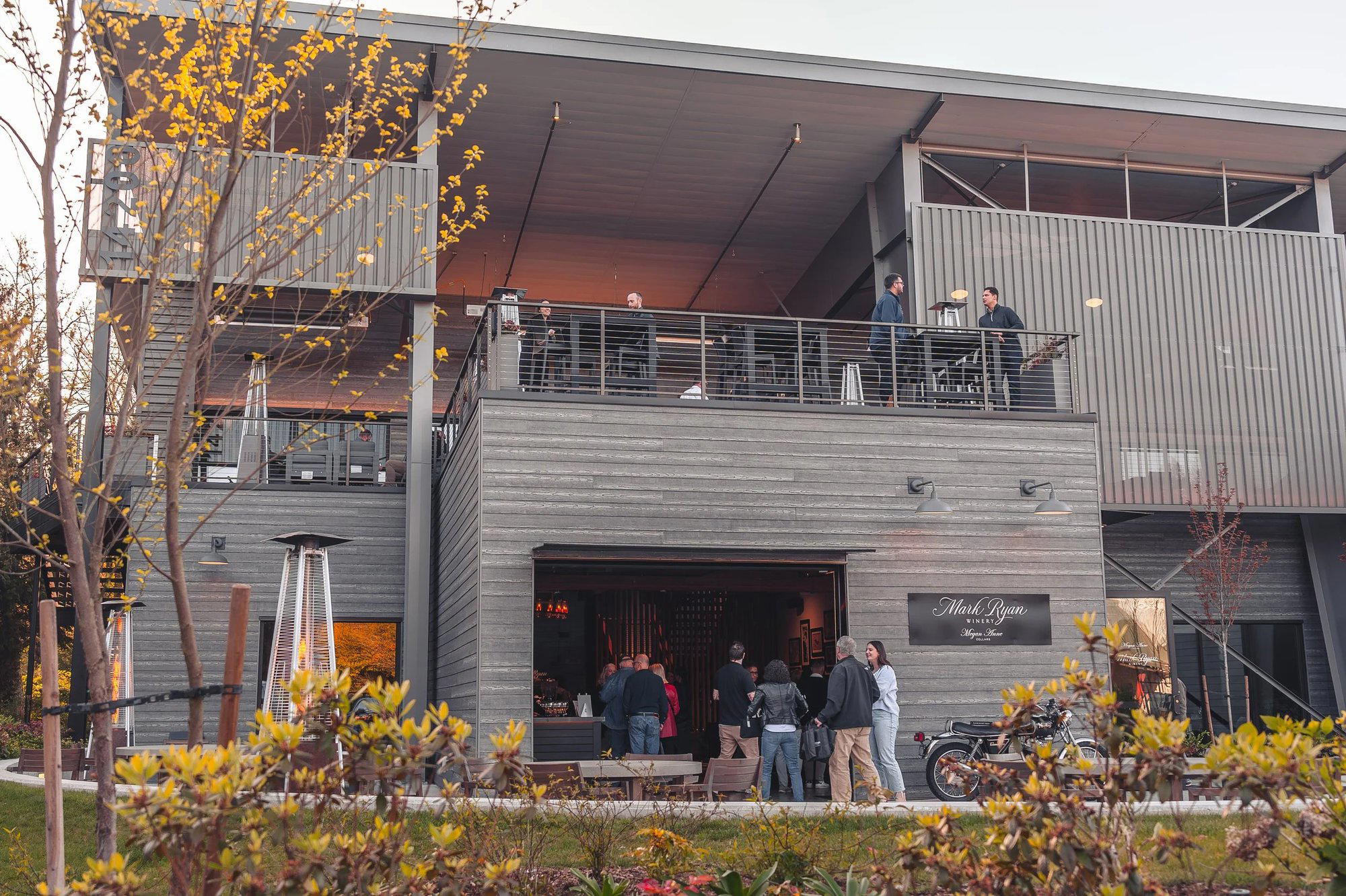
Relaxed atmosphere with bright lighting, floor-to-ceiling bay windows providing water views, and polished seating booths.