The Cider Barn

The Good Food Guide GFG Good
Our verdict
Housed in a Grade II-listed barn attached to the original Dunkertons Cider Mill, The Cider Barn in Pembridge is one of Herefordshire's more considered dining addresses. Chef Sophie Bowen works with ingredients drawn from the surrounding countryside, producing a menu that ranges from casual lunchtime café plates to a more ambitious evening format anchored in slow-cooked local produce and well-sourced seasonal cooking.

Pearl is the En Primeur Club membership app — saves, bookings, and concierge access live there. Same editors, same standards.
- Address
- The Cider Barn, Dunkertons Cider Mill, Leominster HR6 9ED, United Kingdom
- Phone
- +44 1544 388161
- Hours
- Mon–Wed ClosedThu–Sat 12–3 PM, 6–11 PMSun 12:30–4 PM
- Website
- the-cider-barn.co.uk
- Directions
- Get directions
- Booking
- Book on the venue's website
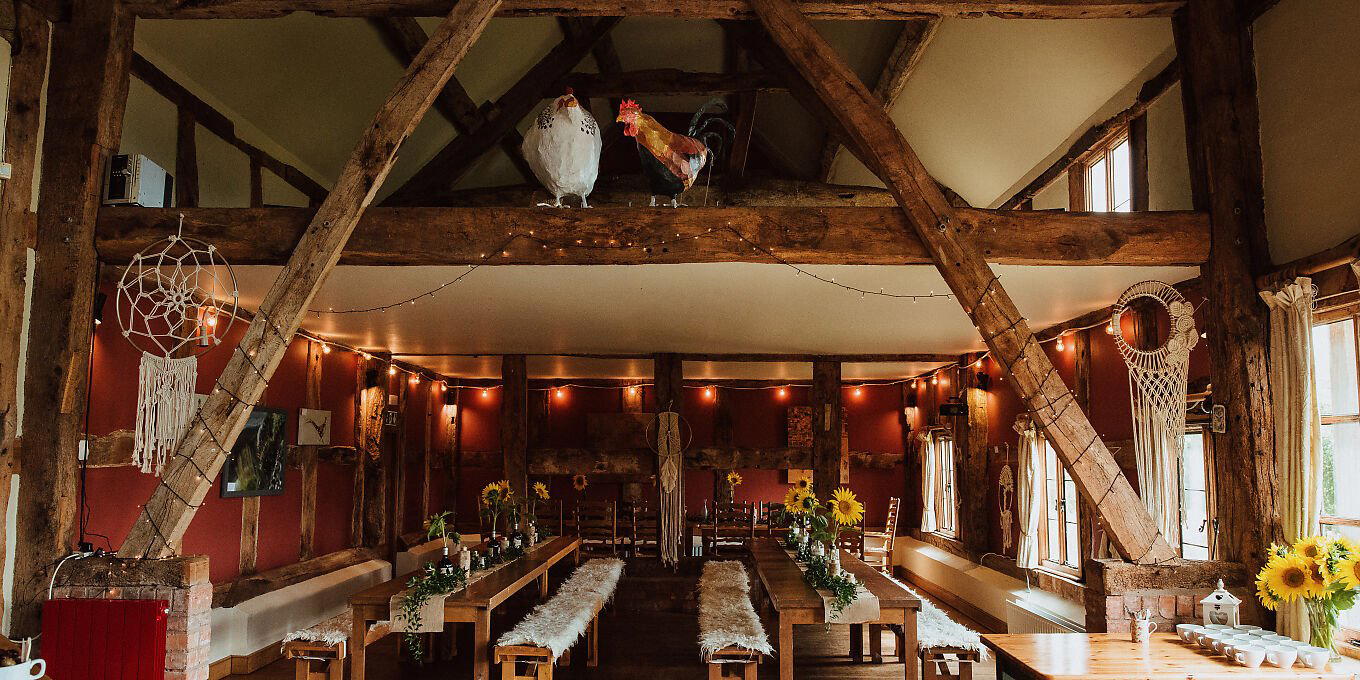
Where the Building Does Half the Work
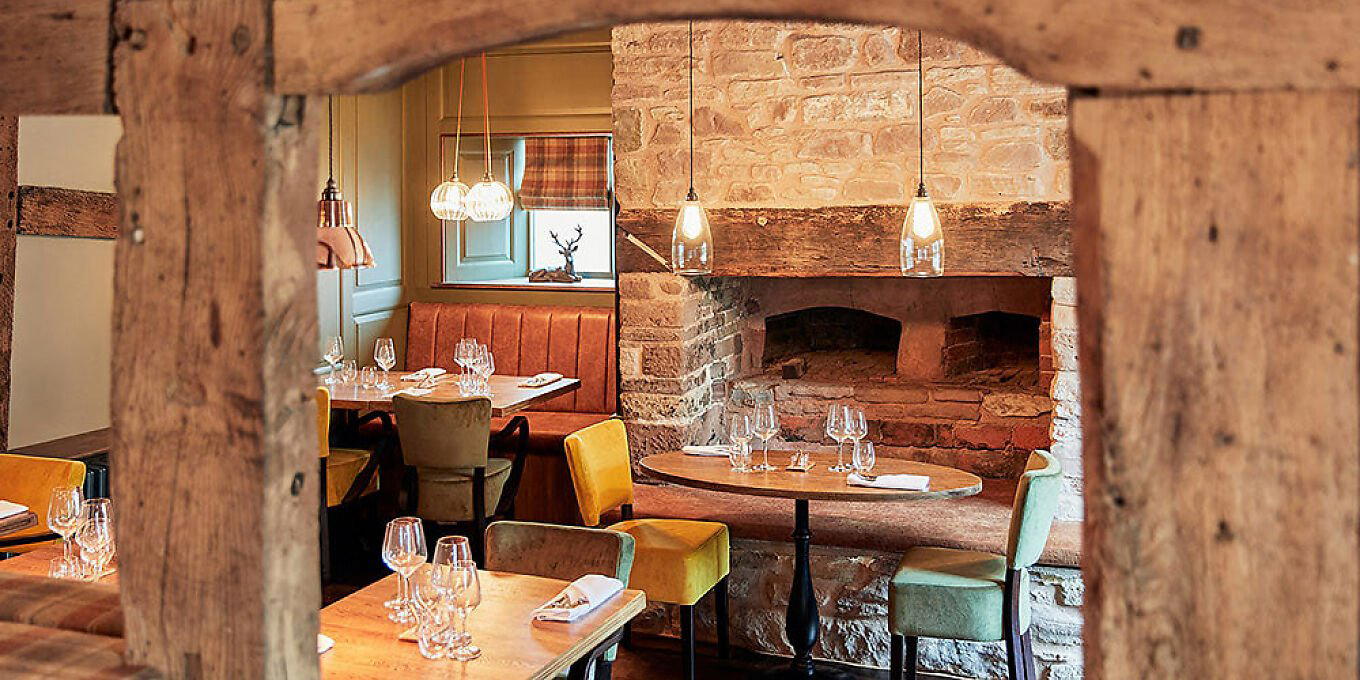
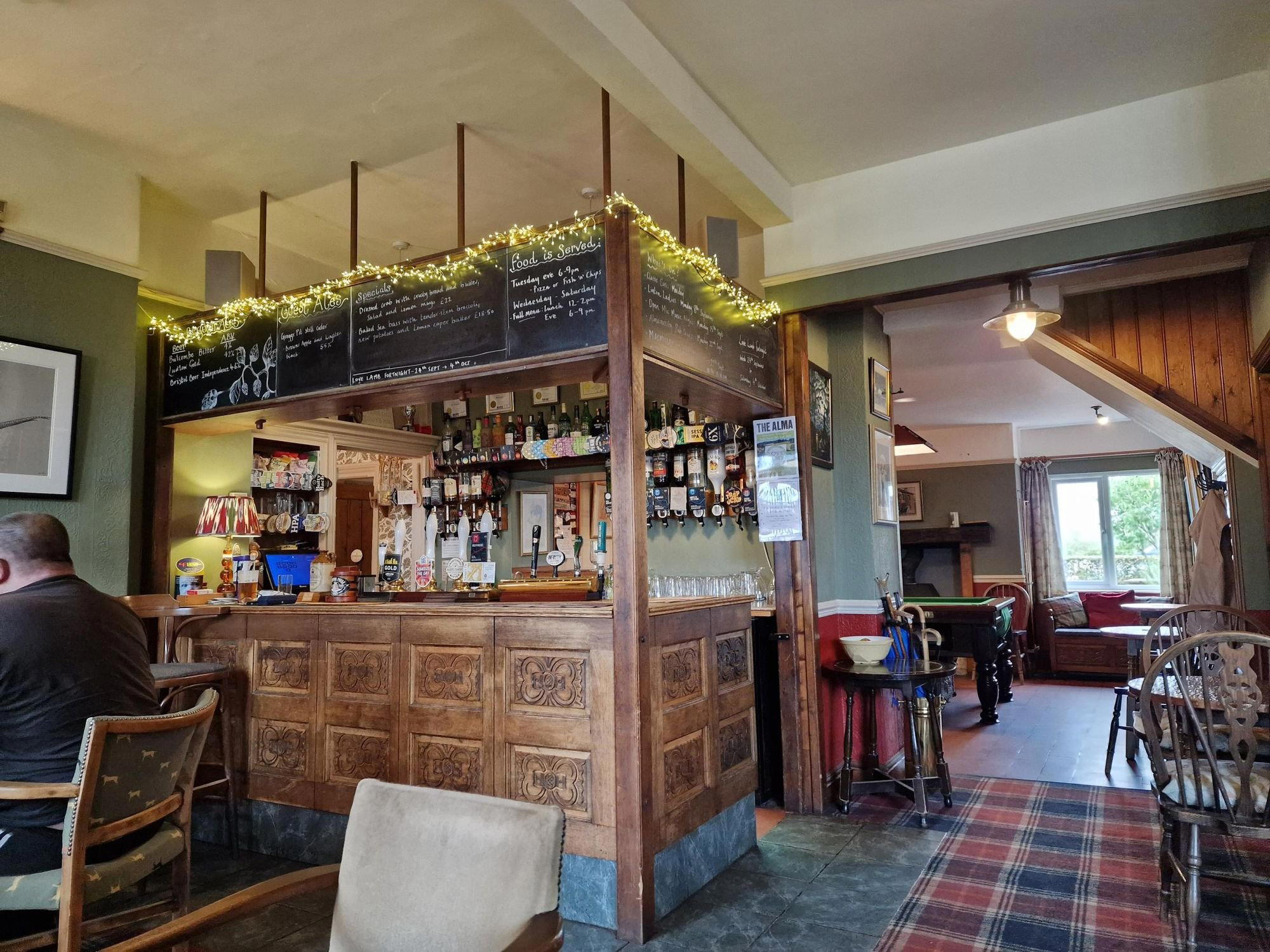
There are barns, and then there are barns that have been standing for four centuries. The structure housing this restaurant on the edge of Dunkertons Cider Mill in Pembridge is Grade II-listed, a designation that signals not just age but architectural distinction. Exposed timbers, the particular quality of light through old windows, the faint residue of a working agricultural past: the room establishes its character before a plate arrives. In the English countryside, a heritage building can become a crutch for mediocre cooking, a shortcut to atmosphere that substitutes for genuine kitchen effort. The Cider Barn resists that trap.
Herefordshire on the Plate
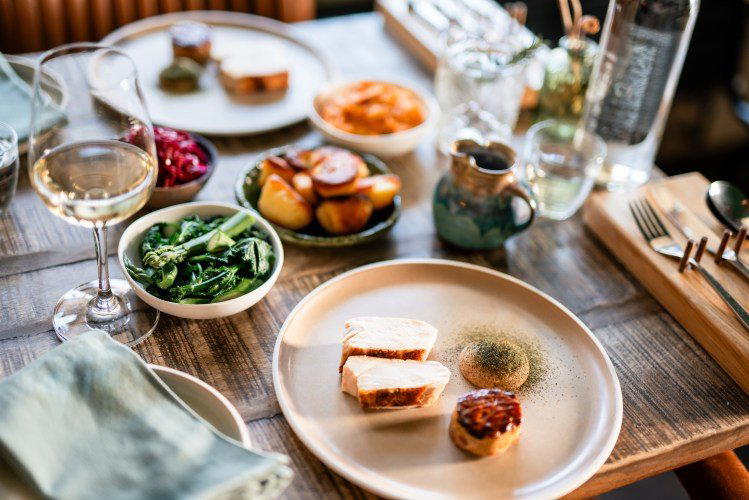
The most important thing to understand about the food here is its provenance logic. The surrounding countryside is among the most productive in England for meat, orchard fruit, and wild ingredients, and the menu reflects that geography directly. Slow-cooked Herefordshire beef anchors the Sunday lunch offer, the county's most celebrated agricultural product applied straightforwardly at its finest. On the evening menu, soy-marinated pork loin arrives with a black pudding croquette, caraway-spiked spring greens and horseradish mayo, a combination that draws on rural English flavour references without retreating into nostalgic pastiche. Baked hake with creamy polenta, sautéed wild mushrooms and kale dressed with shrimps and capers speaks a similar language: local provenance, seasonal produce, technique applied with confidence rather than showmanship.
This kind of sourcing-first approach has become the dominant logic for serious rural restaurants across England. Kitchens in the Welsh Marches and the broader West Midlands have advantages that city restaurants at comparable price points, such as Opheem in Birmingham or Midsummer House in Cambridge, cannot easily replicate: farms within a few miles, direct relationships with growers, and a landscape that provides wild mushrooms, game, and orchard produce within the same postcode. The challenge is using that access with enough kitchen skill to justify a serious evening booking rather than just a nice country lunch. Chef Sophie Bowen navigates that line credibly.
Two Formats, One Kitchen
The restaurant operates across two distinct registers. At lunch, the café menu runs to lighter plates: shallot fishcakes, teriyaki beef with pickled cabbage, seafood chowder. These are calibrated for visitors passing through Herefordshire rather than diners making a dedicated journey, and they work on that basis. The evening format shifts gear. The menu here carries more ambition, with composed plates and combinations that reward proper attention. If the dessert list is any guide to the kitchen's sensibility, the caramelised white chocolate, tarragon and rhubarb millefeuille represents a more technically demanding register than most rural restaurants of this type attempt. Freshly fried doughnuts with citrus curd sit alongside it on the menu as the more accessible option, but neither reads as an afterthought.
This split-register approach is common among rural English restaurants that serve both local communities and visiting diners. Properties like Hand and Flowers in Marlow or hide and fox in Saltwood have built reputations around the same tension between accessibility and ambition, though at higher price points and with formal award recognition. The Cider Barn operates in a more modest register but shares the underlying logic: a kitchen that takes its ingredients seriously enough to span a café lunch and a composed evening menu without one undermining the other.
The Cider Mill Context
The Dunkerton family began making organic cider and perry on their Herefordshire smallholding in 1980. That founding commitment to organic production was early by English standards, predating the broader shift toward provenance-led food culture by a decade or more. The business has since grown, with production relocated to Cheltenham and the enterprise now run by the second generation, but the original mill site in Pembridge remains accessible to visitors. The barn restaurant sits adjacent to it, drawing on that heritage without being trapped by it. Dunkertons ciders are the natural pairing with food here, the fruity character of a well-made Herefordshire cider cutting through the richness of slow-cooked beef or complementing the earthiness of wild mushrooms. The wine list runs to a concise selection from £21, which is a practical rather than ambitious list, suited to a room where cider is the more interesting drink.
For diners interested in how English cider production has evolved since the early organic pioneers of the 1980s, the Pembridge site offers something that no amount of reading about it can replicate. The West Midlands and Welsh Marches hold the densest concentration of serious cider producers in England, and Dunkertons occupies a distinct position in that history. For more on what the broader area offers, see our full Pembridge wineries guide and our full Pembridge experiences guide.
Planning a Visit
The address is Dunkertons Cider Mill, Leominster HR6 9ED. Pembridge is a small market town in north-west Herefordshire, and the surrounding area rewards a longer stay rather than a single-meal detour. The evening menu is worth booking in advance, particularly if you are visiting at weekends when Sunday lunch draws on the county's beef reputation most directly. Lunch operates on a more informal café basis and is more forgiving of walk-ins, though the format is less ambitious. For accommodation options nearby, our full Pembridge hotels guide covers the area. Those building a wider Herefordshire itinerary can map additional eating and drinking options through our full Pembridge restaurants guide, our full Pembridge bars guide, and our full Pembridge experiences guide.
The Cider Barn occupies a specific niche in English rural dining: a kitchen taking its local ingredients seriously, operating inside a historically significant building, attached to one of the country's pioneer organic producers. It is not the destination restaurant that a serious foodies' pilgrimage demands in the way that L'Enclume in Cartmel or Gidleigh Park in Chagford might justify a multi-hour journey, but for anyone already in Herefordshire, bypassing it in favour of a pub lunch would be a genuine missed opportunity.
Frequently asked questions
Can I bring kids to The Cider Barn?
Nothing in the format or menu at The Cider Barn suggests a child-unfriendly environment. The Grade II-listed barn setting is relaxed, and the lunch café menu — shallot fishcakes, seafood chowder, teriyaki beef — offers accessible plates alongside the more composed evening cooking. Worth confirming directly when booking, as specific family policies are not documented.
What kind of setting is The Cider Barn?
The restaurant occupies a 400-year-old Grade II-listed barn adjacent to the original Dunkertons Cider Mill site on the edge of Pembridge in north-west Herefordshire. The structure is the defining feature: stone and timber on a working rural estate, far removed from the converted-pub aesthetic that dominates this part of England. Chef Sophie Bowen's contemporary menu deliberately resists the folksy register that the building could easily invite.
What awards or recognition does The Cider Barn have?
The Cider Barn has received recognition including: London escapees Ivor and Susie Dunkerton started making organic cider and perry on their Herefordshire smallholding back in 1980 and their enterprise has reaped rich rewards ever since. The business is now run by their son and production ha….
What's the must-try dish at The Cider Barn?
The evening menu is where the kitchen makes its clearest statement. Baked hake with creamy polenta, sautéed wild mushrooms and kale dressed with shrimps and capers shows the kitchen's approach: Herefordshire produce handled with precision rather than rusticity. For dessert, the caramelised white chocolate, tarragon and rhubarb millefeuille is the more technically ambitious finish, though the freshly fried doughnuts with citrus curd are harder to pass up. On Sundays, the slow-cooked Herefordshire beef is the anchor dish.
What part of town is The Cider Barn in?
The Cider Barn is located at The Cider Barn, Dunkertons Cider Mill, Leominster HR6 9ED, United Kingdom, Pembridge.
Should I book The Cider Barn in advance?
Booking ahead is advisable, particularly for evening sittings and Sunday lunch. The barn has a fixed physical capacity and draws visitors from well beyond Pembridge, partly because there is limited competition for this style of cooking in rural north-west Herefordshire. The address is Dunkertons Cider Mill, Leominster HR6 9ED.
A Quick Peer Check
Comparable venues nearby, for context on price, style, and recognition.
| Venue | Cuisine | Price | Awards | Notes |
|---|---|---|---|---|
| The Cider BarnThis venue — the venue you are viewing | Contemporary British Gastropub | $20–30 | The Good Food Guide GFG Good | Not listed |
| Glencoe Gathering | Scottish Highland Pub and Seafood | $20–30 | Not listed | Glencoe Village |
| Poco | British Seasonal Tapas | $30–50 | We're Smart World 3 Radishes | Ashley |
| Wreck | Modern British Bistro | $30–50 | The Good Food Guide GFG Good | Ropewalks |
| The Boot Factory | British Gastropub | $20–30 | Not listed | Ashley |
| The Hart | Modern British Gastropub | $30–50 | Michelin Plate | Marylebone |
Recognition history
Dated appearances from independent guides and award organizations, with the underlying list record or original source where available.
The Good Food Guide GFG Good
The Good Food Guide
Continue exploring
More in Pembridge
Restaurants in Pembridge
Browse all →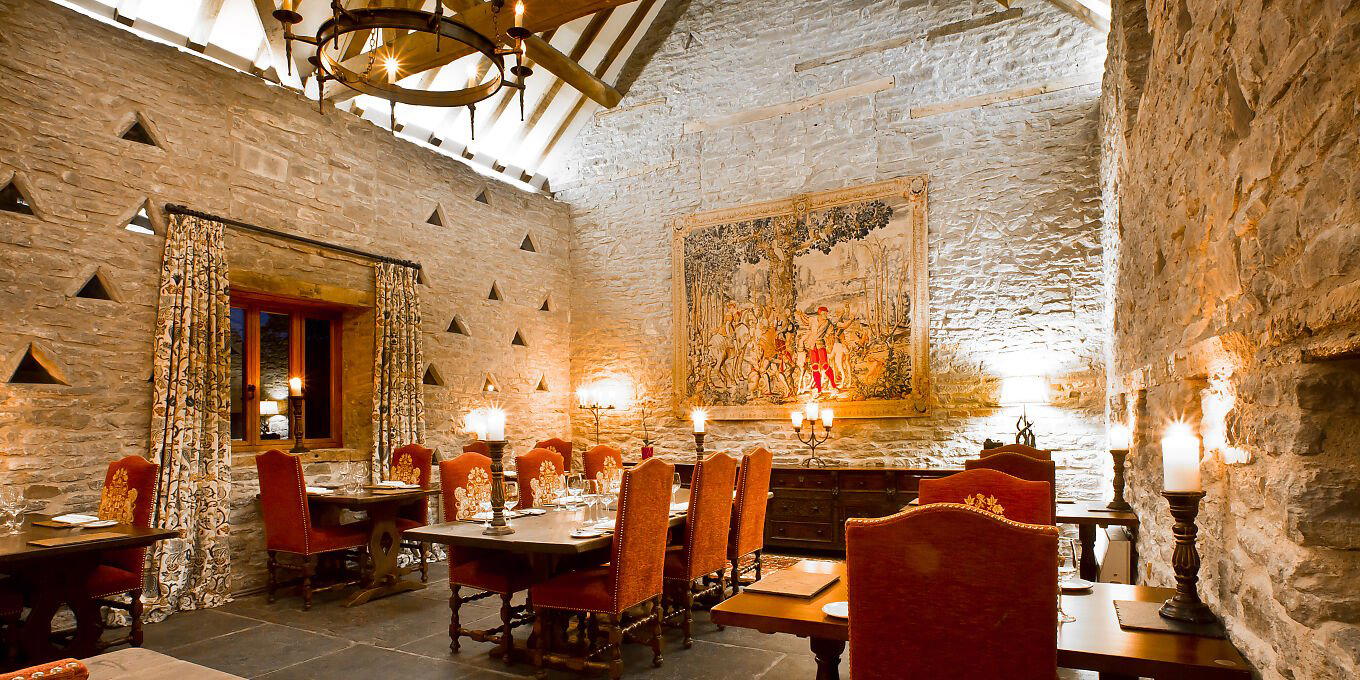

Details
- Rustic
- Cozy
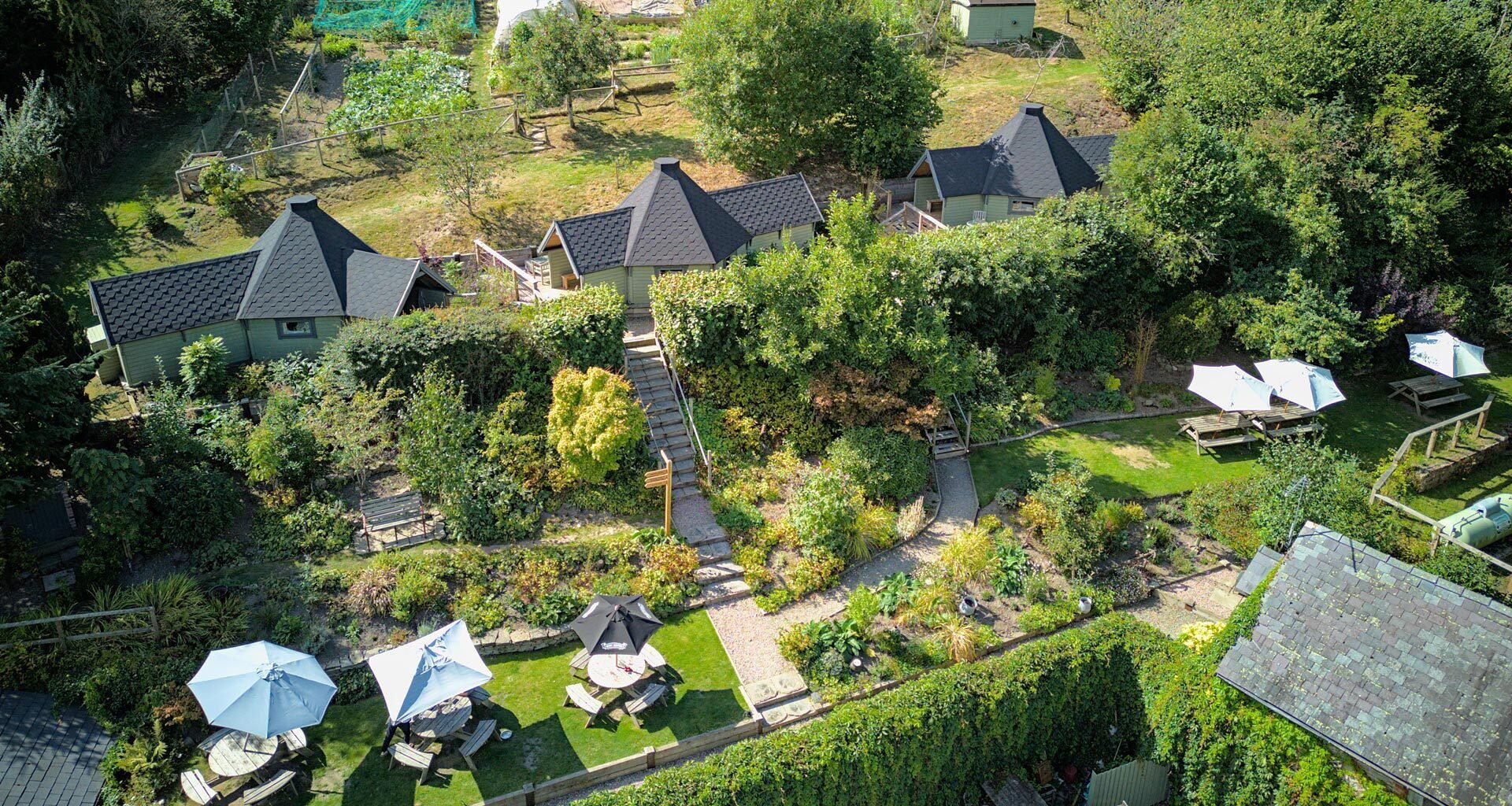
- Scenic
- Family
- Group Dining
- Casual Hangout
- Brunch
- Historic Building
- Beer Program
- Local Sourcing
- A La Carte
- Cider
- Vegetarian Friendly
- Vegan Options
- Gluten Free Options
Current opening hours
- Monday
- Closed
- Tuesday
- Closed
- Wednesday
- Closed
- Thursday
- 12–3 PM, 6–11 PM
- Friday
- 12–3 PM, 6–11 PM
- Saturday
- 12–3 PM, 6–11 PM
- Sunday
- 12:30–4 PM
Hours can change for holidays and private events. Last verified .
Cozy and charming historic barn atmosphere enhanced by fairy lights and warm hospitality.