The Beltliner sits on 12th Avenue SW in Calgary's Beltline district, a neighbourhood that has anchored much of the city's independent dining energy over the past decade. The address places it squarely within a stretch where sourcing credentials and kitchen ambition tend to matter more than square footage or spectacle. For Calgary diners tracking the city's ingredient-forward restaurant conversation, it belongs on the shortlist.
Pearl is the En Primeur Club membership app — saves, bookings, and concierge access live there. Same editors, same standards.
- Address
- 243 12 Ave SW, Calgary, AB T2R 1H7, Canada
- Phone
- +15879551555
- Website
- thebeltliner.ca
- Directions
- Get directions
 Saves & bookings on Pearl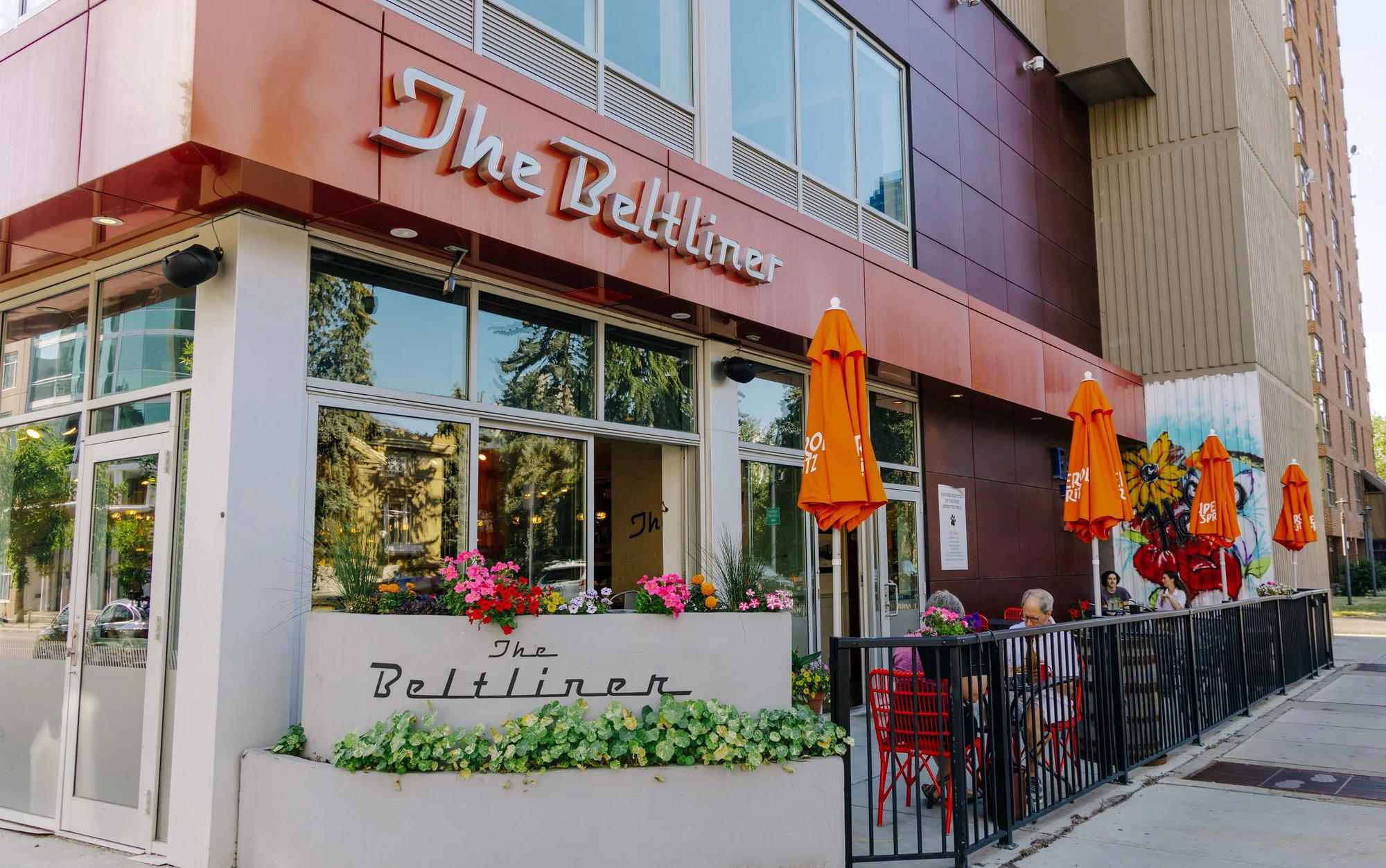
The Beltline's Dining Logic
Calgary's Beltline district has spent the better part of a decade functioning as the city's most concentrated zone for independent, chef-driven restaurants. Unlike the downtown core, where corporate dining rooms and hotel restaurants set the tempo, the Beltline operates on a different register: smaller rooms, kitchens with stronger points of view, and a clientele that tends to ask where things come from before they ask how much they cost. The Beltliner, at 243 12 Ave SW, sits inside that dynamic rather than above it.
That address is worth pausing on. The 12th Avenue corridor in the Beltline has gradually accumulated a critical mass of restaurants that take ingredient sourcing seriously — not as a marketing positioning, but as a structural kitchen commitment. It is the kind of neighbourhood where the gap between a well-sourced plate and a poorly sourced one becomes legible to regular diners, which raises the baseline expectation for every table in the area. The Beltliner operates within those raised expectations.
For broader context on how this fits into Calgary's wider dining conversation, the full Calgary restaurants guide maps the city's neighbourhoods and restaurant tiers in detail.
Where the Food Comes From
The ingredient-sourcing argument is one of the more consequential debates running through Canadian restaurant culture right now. In cities like Toronto, where Alo has built much of its reputation on precision sourcing within a French-leaning framework, or Vancouver, where AnnaLena has made locality central to its identity, the sourcing conversation has matured into something close to a kitchen ideology. In Quebec, Tanière³ has pushed that ideology toward its most ambitious local expression, building menus almost entirely from regional producers and foraged ingredients.
Calgary's version of this conversation is geographically distinct. Alberta's agricultural footprint — cattle ranching at scale, bison, heritage grain farming, cold-climate produce from the foothills, gives local kitchens a sourcing palette that is neither coastal nor central Canadian. It is its own thing, with its own seasonal rhythms and its own constraints. Restaurants that engage seriously with that palette, rather than defaulting to generic continental purchasing, tend to produce food that reads differently on the plate: heavier on protein character, more honest about what prairie winters do to the availability of fresh vegetables, and more confident about the quality of the region's meat.
The Beltline's better kitchens have generally understood this. Comparison venues like Ten Foot Henry and Pigeonhole, both operating in the New Canadian mode, have built menus that acknowledge Alberta's agricultural specificity rather than papering over it with imported luxury ingredients. The River Café, despite its Tuscan orientation, has long been cited for its commitment to regional sourcing within that framework. These are the restaurants against which Beltline diners calibrate their expectations, and they set a reasonable benchmark for what thoughtful sourcing looks like in this city.
The New Canadian Frame
The New Canadian category is doing a lot of work in Calgary right now. It is broad enough to absorb restaurants with very different aesthetics and price points, but at its most useful it describes a kitchen approach that takes Canadian ingredients seriously and resists the reflex to frame everything through a European lens. That means acknowledging that Alberta beef is not simply a commodity category but a genuine quality argument, that prairie grains have culinary personality worth exploring, and that the short growing season is a creative constraint rather than a deficiency.
Across Canada, the restaurants that have made this argument most convincingly tend to operate with strong producer relationships and a willingness to build menus around what is available rather than what is expected. Eigensinn Farm in Singhampton has taken this to an almost agricultural extreme. Restaurant Pearl Morissette in Lincoln has built an estate model around it. In Quebec, Narval in Rimouski has shown how the argument can function even at considerable remove from major urban centres. These are not direct comparators for a Beltline room, but they demonstrate the range of forms the commitment to regional sourcing can take.
In Calgary's immediate context, restaurants like Alloy and Annabelle's Kitchen Downtown represent adjacent approaches to the same city and the same ingredient base, while Alforno Eau Claire and Aloha Modern Kitchen show how different culinary frameworks can coexist within the same dining ecosystem. A Certain Flair Catering at Lougheed House sits in a different tier entirely, oriented around events rather than à la carte service, but it shares the city's general interest in quality regional produce.
Knowing What You Are Walking Into
The Beltline as a dining neighbourhood rewards a certain kind of visitor: one who is less interested in spectacle and more interested in whether the kitchen has a defensible position on what it is doing and why. These are rooms that tend to be smaller, louder, and more energetic than their downtown counterparts, and they price accordingly, not cheap, but not in the range of the city's most formal dining. For international reference points, the gap between a serious Beltline room and, say, Le Bernardin in New York or Atomix is large in terms of format and ambition, but the underlying seriousness about sourcing can be comparable at the ingredient level.
Across Canada, there are analogous conversations happening in different registers. Jérôme Ferrer's Europea in Montreal operates in a more formally European mode but shares the commitment to quality inputs. Aux Anciens Canadiens in Quebec City takes a historical approach to Canadian ingredients. Barra Fion in Burlington and The Pine in Creemore show how the regional sourcing conversation plays out in smaller Ontario markets. Calgary's version, rooted in Alberta's specific agricultural identity, has its own character that none of these can fully replicate.
Know Before You Go
- Address: 243 12 Ave SW, Calgary, AB T2R 1H7, Canada
- Neighbourhood: Beltline, Calgary
- Hours: Not confirmed, verify before visiting
- Dress code: Not specified
- Phone / Website: Not listed, search current contact details directly
Continue exploring
More in Calgary
Restaurants in Calgary
Browse all →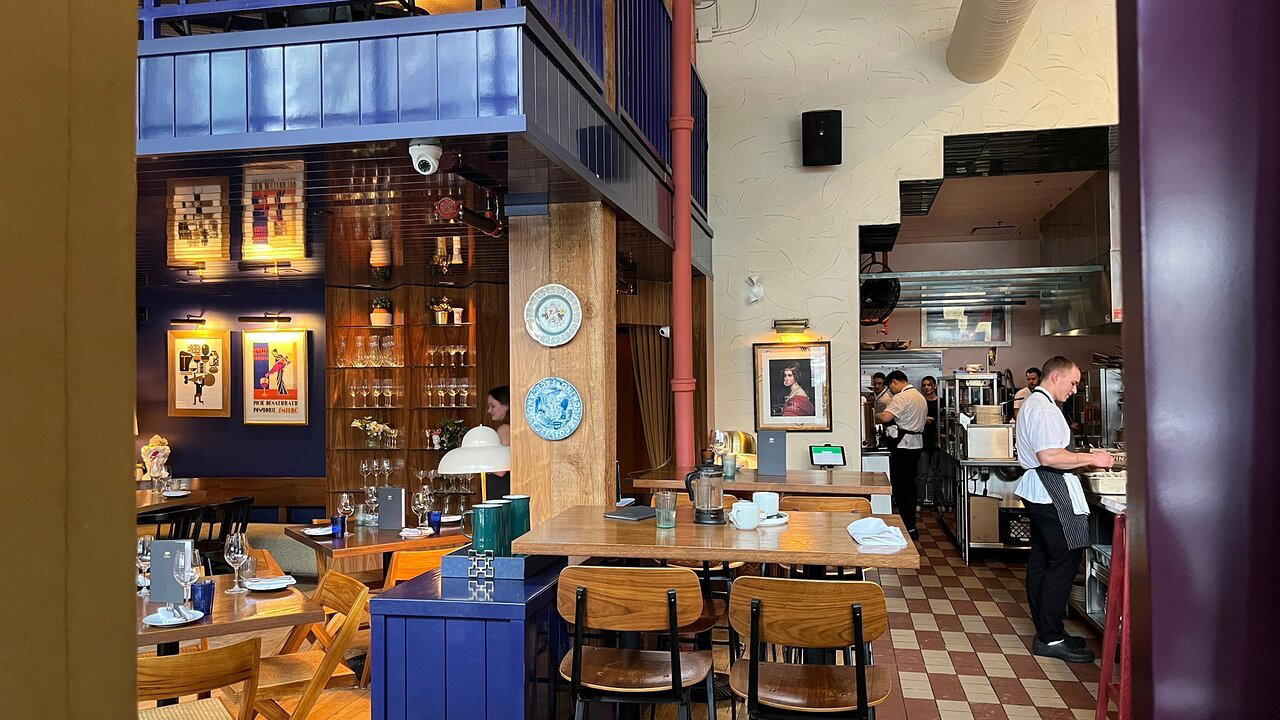
Bars in Calgary
Browse all →

Hotels in Calgary
Browse all →

Wineries in Calgary
Browse all →
At a Glance
- Modern
- Casual
- Cozy
- Brunch
- Casual Hangout
- Family
- Group Dining
- Open Kitchen
- Hotel Restaurant
- Craft Cocktails
- Farm To Table
- Local Sourcing
Current opening hours
- Monday
- 7 AM–4 PM
- Tuesday
- 7 AM–4 PM
- Wednesday
- 7 AM–4 PM
- Thursday
- 7 AM–4 PM
- Friday
- 7 AM–4 PM
- Saturday
- 8 AM–4 PM
- Sunday
- 8 AM–4 PM
Hours can change for holidays and private events. Last verified .
Bright, casual, and approachable with an open kitchen allowing diners to watch meal preparation; laid-back atmosphere with friendly service.
Know Before You Go
- Getting there
- 243 12 Ave SW, Calgary, AB T2R 1H7, Canada