The Begging Bowl

Open since 2012 on Bellenden Road in Peckham, The Begging Bowl has sustained one of south London's most consistent Thai kitchens through a rotating 12-dish menu grounded in directly imported ingredients and British produce. The format is communal and high-energy, with an all-weather outdoor terrace and group bookings now on offer. Chef Jane Alty trained under David Thompson, and the kitchen's coconut press signals the level of sourcing seriousness behind the casual room.
Pearl is the En Primeur Club membership app — saves, bookings, and concierge access live there. Same editors, same standards.
- Address
- 168 Bellenden Rd, London SE15 4BW, United Kingdom
- Phone
- +44 20 7635 2627
- Website
- thebeggingbowl.co.uk
- Directions
- Get directions
 Saves & bookings on Pearl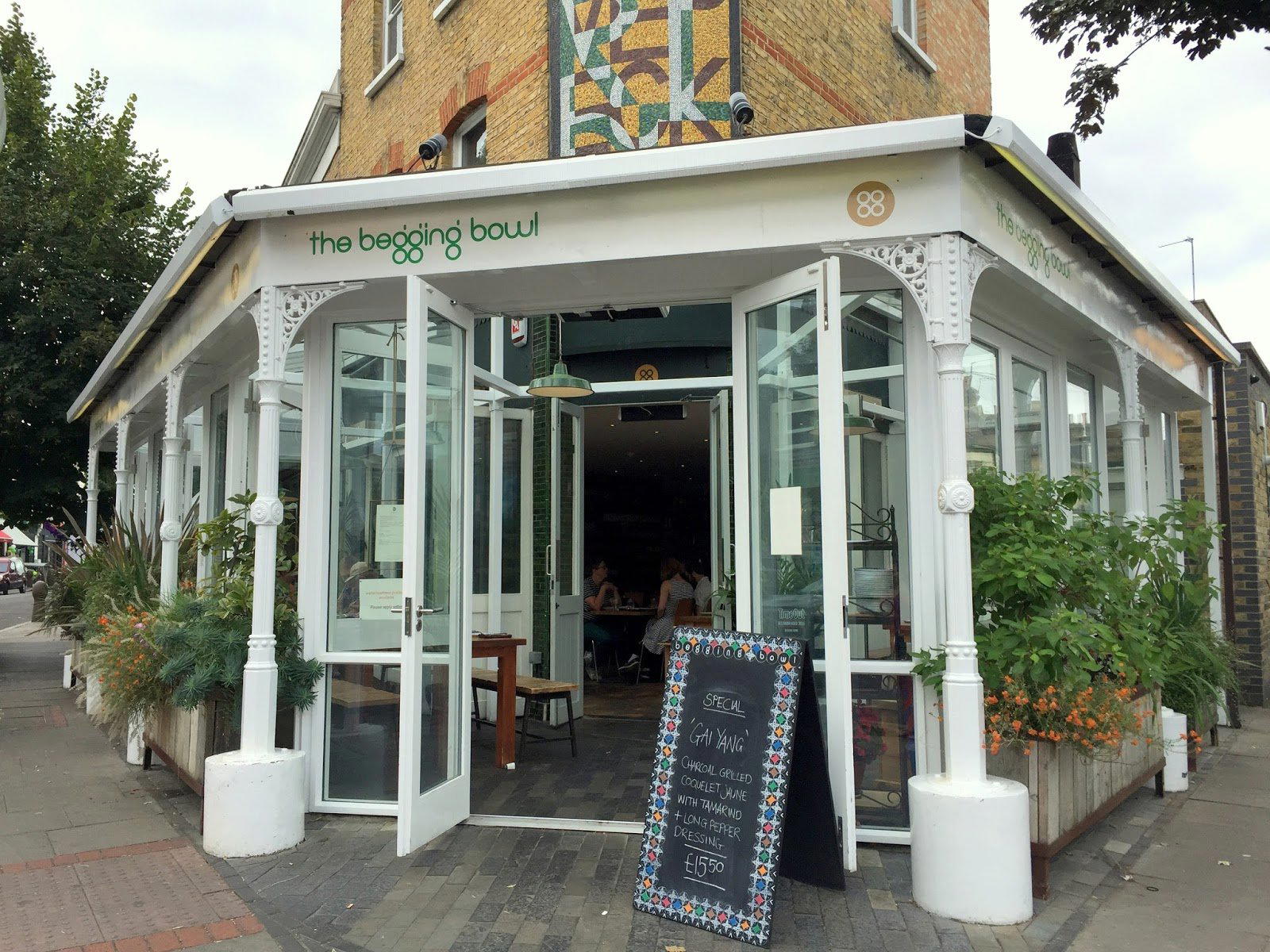
Peckham's Thai Kitchen, Twelve Years On
Bellenden Road in Peckham SE15 is the kind of street that accumulates restaurants through neighbourhood loyalty rather than destination dining, and The Begging Bowl has been one of its anchors since 2012. The restaurant serves modern regional Thai cuisine at around $35 per person, with casual dress and recommended reservations. What began as a relatively niche proposition for south London, a Thai kitchen with serious sourcing credentials in a postcode more associated with Caribbean food and pie-and-mash, has evolved into something the neighbourhood has genuinely absorbed as its own. The room runs loud on weekday evenings and louder on weekends, with the all-weather outdoor space pulling additional covers through seasons that would ordinarily empty a London terrace.
That longevity matters in context. London's Thai restaurant tier has shifted considerably since the early 2010s. The city's upper bracket once meant a handful of hotel restaurants and a few West End addresses. Now it includes a wave of more casual but technically serious kitchens, many drawing on the same David Thompson lineage that The Begging Bowl represents through chef and co-owner Jane Alty, who trained under Thompson directly. Alty's background functions here as a credential within a broader scene point: kitchens that trace their sourcing and technique to Thompson's Bangkok and Sydney work tend to operate at a different register from the high-street Thai norm, regardless of their price point or postcode.
The Menu Format and What It Has Become
The 12-dish rotating menu is the format that has defined the kitchen across its run, and it is worth understanding how that format sits in the current market. Tapas-style sharing is standard across casual London dining at this point, but The Begging Bowl's version has a specific discipline: dishes are underpinned by directly imported Thai ingredients alongside British produce, and the kitchen runs its own coconut press, a detail that places it outside the supply-chain shortcuts that compromise many otherwise decent Thai kitchens in the city.
The menu changes regularly, which means repeat visits yield different results. What remains consistent is the structural approach: dishes that balance heat, acidity, and aromatics with the specificity of krachai (fingerroot), Thai aubergines, and palm hearts alongside proteins from British suppliers. A green curry of guinea fowl built around those components is the kind of dish that illustrates the kitchen's method, combining a locally sourced bird with ingredients that require direct importing to be right. A chargrilled beef rump salad pointed with mint, coriander, and roasted rice offers a different register, one where texture and fragrance do the work that chilli alone cannot.
Deep-fried whole sea bass with physalis, green mango, and tamarind is the sort of set-piece dish that generates the strongest repeat orders, pulling together crisp, sweet, and sour elements in a single plate. The dessert list is more considered than most comparable kitchens bother with: rice tea jelly served with coconut cream and nectarine granita, and a Vietnamese espresso affogato built with condensed milk ice cream, are both worth staying for.
The Evolution From Neighbourhood Curiosity to Neighbourhood Institution
The editorial angle here is about what a kitchen becomes after a decade of consistency in a changing city. When The Begging Bowl opened in 2012, Peckham was on the outer edge of London's dining geography. That has shifted. The neighbourhood now holds a denser field of serious restaurants, and the addresses that have survived the waves of openings and closures carry a different authority than newcomers.
The outdoor space has been developed into a year-round draw. These are incremental evolutions rather than reinventions, and they signal a kitchen that has settled into its identity rather than chased trends. In London's broader Thai tier, that steadiness is less common than it sounds: the city has seen enough ambitious Thai openings cycle through in the last decade to make a restaurant still drawing crowds after twelve years worth noting on its own terms.
By comparison, the top end of London's dining scene at £££££ operates in a different register entirely. Kitchens like CORE by Clare Smyth, The Ledbury, Ikoyi, The Clove Club, and Alain Ducasse at The Dorchester sit in a comparable set defined by tasting menus, reservation scarcity, and award positioning. The restaurant operates several tiers below that in price and format but belongs in any conversation about London restaurants that have demonstrated sustained technical intent over time.
Service, Pace, and What to Expect
The service dynamic affects the experience more than the food does on any given visit. Staff are welcoming and the room has genuine energy, but the pacing is uneven: dishes arrive randomly rather than in a considered sequence, and the tendency to upsell can result in more food than a table of two can reasonably manage. The communal format is leading approached with four or more diners, which allows the menu's range to land properly without individual dishes getting lost in the rotation.
On drinks, the Thai lemonade is one food-appropriate non-alcoholic option on the menu. The cocktail list runs an Asian-themed selection alongside beers and a short wine list chosen for spice compatibility, which is the right framework for a menu built around Thai aromatics and heat.
Know Before You Go
Address: 168 Bellenden Rd, London SE15 4BW
Cuisine: Thai, sharing plates
Format: 12-dish rotating menu, tapas-style sharing
Group bookings: Now accepted
Outdoor space: All-weather terrace available year-round
Tip: Order for fewer dishes than you think you need, given the upselling tendency. Four or more diners makes the format work considerably better than two.
Getting there: Peckham Rye (Overground) is the closest station; Bellenden Road is a short walk from the main Rye Lane exit.
Comparable Options
Comparable venues nearby, for context on price, style, and recognition.
| Venue | Cuisine | Price | Notes |
|---|---|---|---|
| The Begging BowlThis venue — the venue you are viewing | Modern Regional Thai | $$ | Not listed |
| Patara Wimbledon | Contemporary Thai | $$ | Wimbledon |
| Mantanah | Authentic Regional Thai Cuisine | $$ | South Norwood |
| Tor | Authentic Thai | $$ | Thamesmead West |
| Patara Fulham Road | Authentic Thai | $$$ | Chelsea |
| Nipa | Authentic Thai | $$$ | Bayswater |
Recognition history
Dated appearances from independent guides and award organizations, with the underlying list record or original source where available.
The Good Food Guide GFG Good
The Good Food Guide


At a Glance
- Lively
- Trendy
- Cozy
- Group Dining
- Casual Hangout
- Family
- Open Kitchen
- Craft Cocktails
Current opening hours
- Monday
- Closed
- Tuesday
- 6–10 PM
- Wednesday
- 6–10 PM
- Thursday
- 6–10 PM
- Friday
- 12–2:30 PM, 5–10 PM
- Saturday
- 12–2:30 PM, 5–10 PM
- Sunday
- 12–3:30 PM
Hours can change for holidays and private events. Last verified .
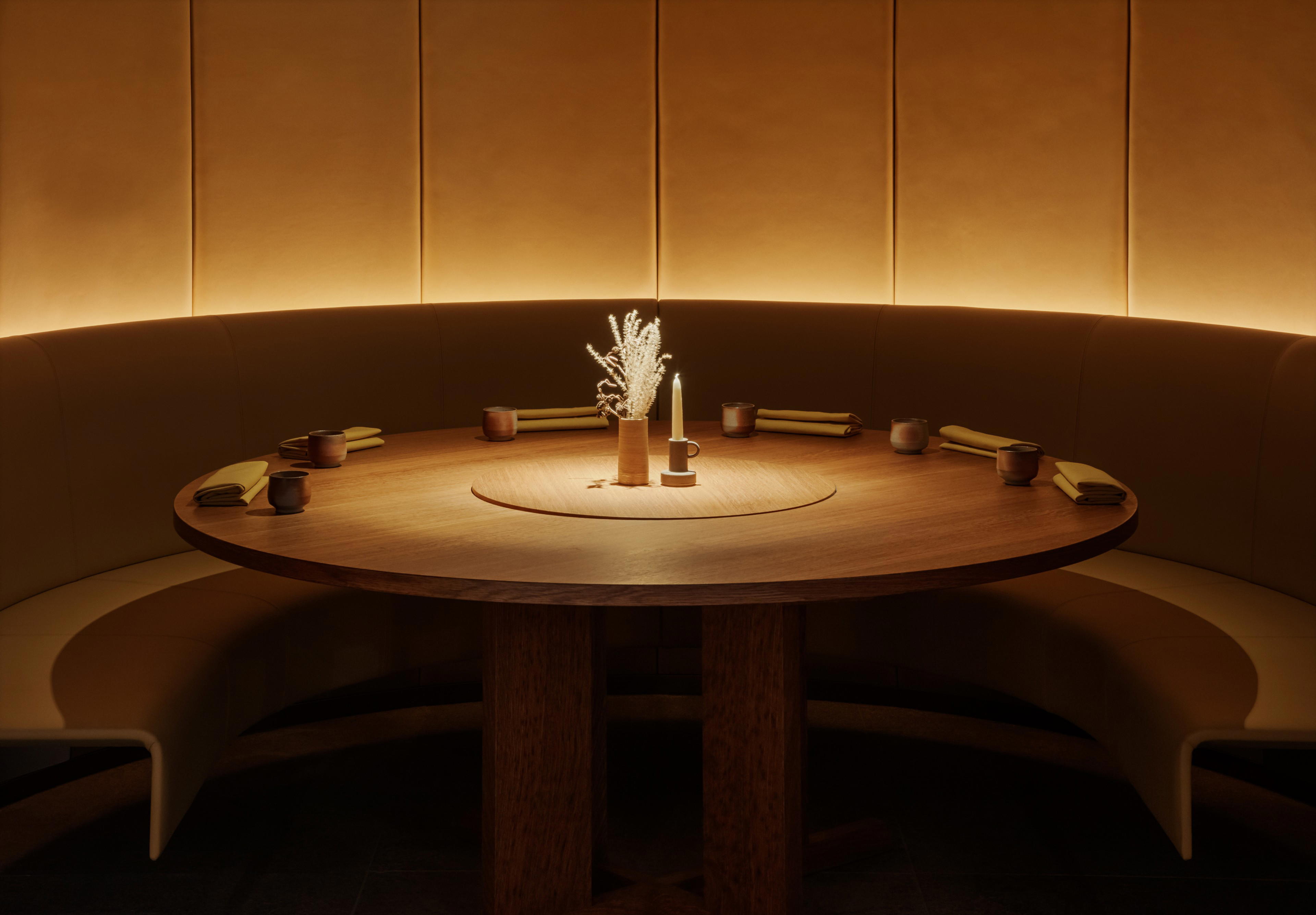
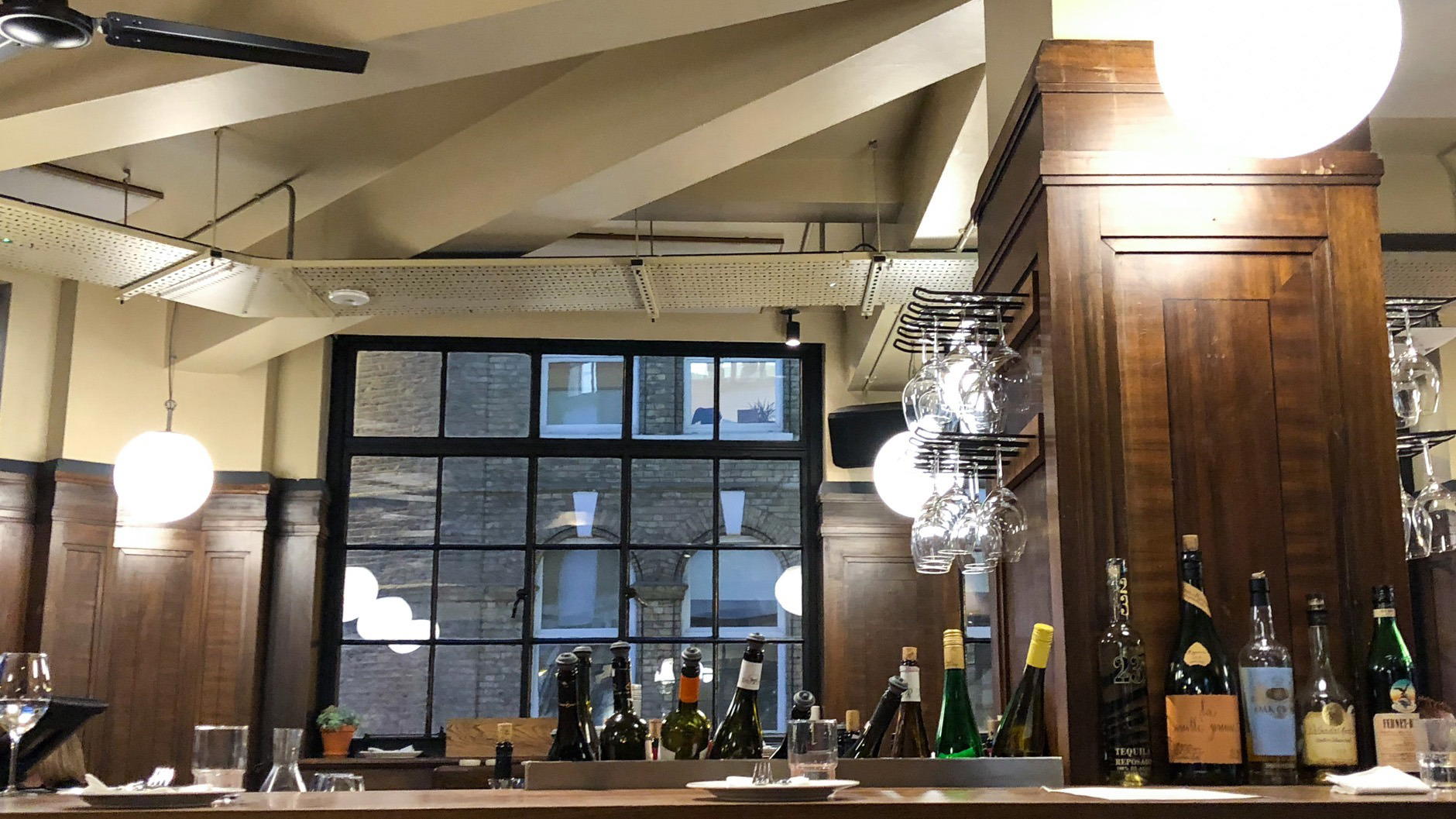
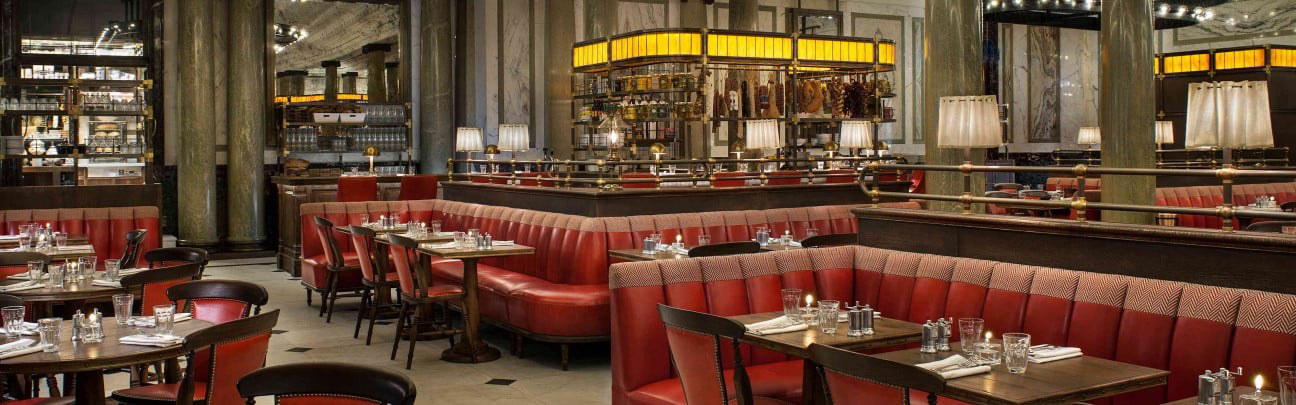
Buzzy and lively atmosphere with light flooding into the conservatory setting, candlelit tables at night, and a noisy, packed vibe especially on weekends.