The Barn at Rocky Fork Creek
Our verdict
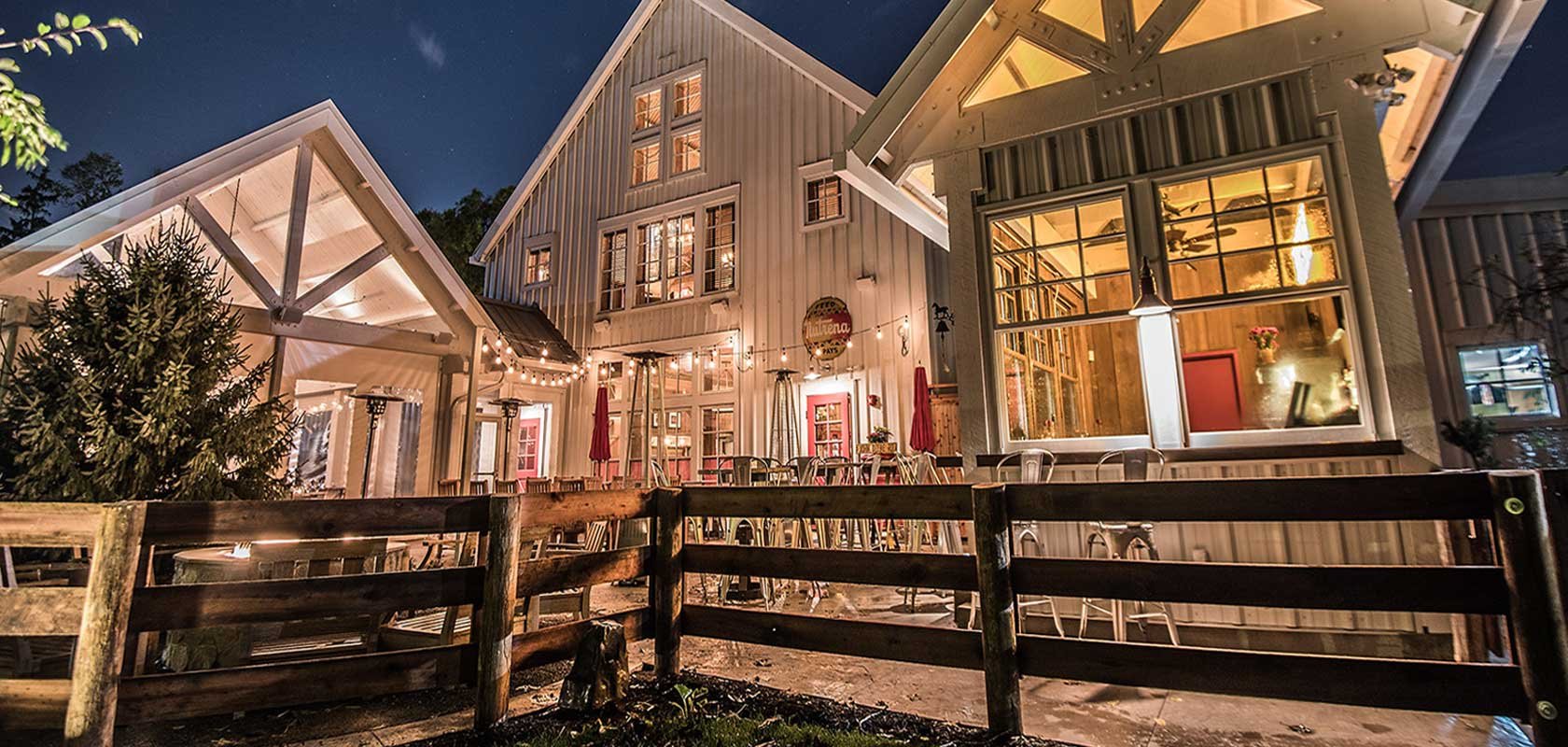
Set along Rocky Fork Creek in Gahanna, Ohio, The Barn at Rocky Fork Creek occupies a converted agricultural structure that positions it within Columbus's broader movement toward place-specific, sustainability-conscious dining. The setting alone signals a particular kind of intention: reclaimed materials, rural adjacency, and a format that connects the table to the land outside.

Pearl is the En Primeur Club membership app — saves, bookings, and concierge access live there. Same editors, same standards.
- Address
- 1370 E Johnstown Rd, Gahanna, OH 43230
- Phone
- (614) 855-9840
- Hours
- Mon–Thu 4–9 PMFri–Sat 4–10 PMSun 10 AM–2:30 PM, 4–9 PM
- Website
- thebarncolumbus.com
- Directions
- Get directions
- Booking
- Book on OpenTable
The menu
What to order
- Long-Bone Ribeye
- Prime Rib
- Ritz Cracker Walleye
- Baked Oysters Bingo
Where the Land Informs the Table
Ohio's farm-to-table conversation has, over the past decade, moved well past bumper-sticker status. What began as a marketing posture at mid-tier gastropubs has matured into a structural commitment at the state's more considered restaurants: sourcing agreements with named farms, menus that shift with harvest rather than season, and physical spaces that make the agricultural connection legible. The Barn at Rocky Fork Creek, located at 1370 E Johnstown Rd in Gahanna — a suburb that sits at Columbus's northeastern edge, close to the creek corridor that gives the venue its name — belongs to that more deliberate category. The building itself makes the argument before the first dish arrives. A converted barn structure communicates something that a purpose-built dining room cannot: that this space existed in relationship to working land before it existed as a restaurant.
That physical context matters more than it might seem. Across the country, the most credible sustainability-oriented restaurants have found that the built environment does much of the editorial work. Blue Hill at Stone Barns in Tarrytown operates on a functioning farm estate; Single Thread Farm in Healdsburg runs its own agricultural operation as a direct supply chain. The Barn at Rocky Fork Creek operates at a different scale and in a different context, but the underlying logic is consistent: the setting is not decorative. It is argumentative. It tells the diner, before the menu is read, that the relationship between kitchen and source is the point.
Gahanna and the Columbus Sustainability Arc
Columbus has developed a dining culture that rewards specificity. The Short North and Clintonville corridors have incubated restaurants that take sourcing seriously, and that ethic has spread outward into the suburbs. Gahanna, positioned close to the Hopewell and Rocky Fork creek systems and surrounded by exurban land that transitions into working Ohio farmland, is a logical location for a venue that wants to draw on regional agricultural networks without the overhead of a downtown address.
The broader Columbus restaurant community reflects this tension well. Venues like Agni and Alqueria have established that the city can support serious, concept-driven dining with a clear point of view. Agave & Rye Grandview shows that even casual formats can build identity around a regional lens. What distinguishes The Barn at Rocky Fork Creek from that urban cohort is the physical remove: the setting asks the diner to travel slightly, which functions as a kind of commitment filter. The restaurants that require effort to reach tend to attract guests who are more engaged with what they find when they arrive.
That dynamic is well-documented in American dining. The Inn at Little Washington, set in rural Virginia, and Lazy Bear in San Francisco both operate on the premise that destination dining, whether across a city or across a county, creates a different kind of attention at the table. The Barn at Rocky Fork Creek operates in that spirit, even if its ambition is calibrated to a different register.
The Sustainability Argument in Practice
The ethical sourcing conversation in American restaurants has become sophisticated enough that broad claims no longer carry much weight. Diners and critics have learned to ask specific questions: which farms, which practices, how far, what waste protocols. Venues that survive scrutiny at that level tend to share structural features: direct farm relationships with named suppliers, menus that change in response to actual availability rather than a fixed template, and kitchen practices that treat byproduct and offcut as primary rather than secondary material.
The farm-to-table restaurants that have achieved lasting recognition in the United States, from The French Laundry in Napa with its on-site gardens to Addison in San Diego with its California-sourced tasting format, demonstrate that ethical sourcing is most legible when it shapes the menu visibly and specifically. The diner should be able to trace the commitment through what arrives on the plate, not just through signage in the dining room. For The Barn at Rocky Fork Creek, the barn structure and creek-corridor location create a strong opening premise. How that premise is substantiated on the plate is the critical variable, and the answer to that question requires a visit and direct engagement with the current menu.
Placing The Barn in the Columbus Context
Columbus has attracted attention from national food media with increasing regularity. The city's restaurant scene now includes venues that would hold their own in peer-comparison with second-tier markets in coastal states, and a handful that reach further. 2110 and 'plas represent different points on the Columbus ambition spectrum. The Barn at Rocky Fork Creek represents a different kind of proposition: not urban sophistication, but considered rusticity. Those are not opposing values. They are different tools for the same end, giving the diner something to think about while they eat.
For visitors approaching Columbus from the perspective of the broader national dining conversation, the reference points help calibrate expectations. The farm-driven tasting format that Alinea in Chicago or Atomix in New York City deploy at the highest technical register has a regional counterpart in venues that prioritize ingredient provenance over technical complexity. The Barn at Rocky Fork Creek appears to operate in that regional, provenance-led space, where the credential is geographical and agricultural rather than award-driven.
For a full picture of where The Barn at Rocky Fork Creek sits within Columbus's wider dining offer, see our full Columbus restaurants guide.
Planning Your Visit
The venue is located at 1370 E Johnstown Rd, Gahanna, OH 43230, which places it northeast of central Columbus and accessible by car. Given the suburban location and the barn-format setting, driving is the practical approach; the address is direct to navigate via standard mapping applications. Venues in this category, particularly those that adjust menus to seasonal and farm availability, may operate with limited service windows or advance-booking requirements that are not captured in static online listings.
Frequently asked questions
What should I order at The Barn at Rocky Fork Creek?
The approach consistent with restaurants of this type, including sustainability-oriented peers in the Columbus area like Alqueria, is to ask the kitchen or service team what is freshest and most representative on the day of your visit. Award-holding venues in the farm-to-table category consistently recommend against ordering against a pre-set preference list when the menu is genuinely seasonal.
Is The Barn at Rocky Fork Creek reservation-only?
Venues in the farm-to-table category that operate in destination-adjacent settings, particularly those with limited seating capacity, frequently require advance booking. In Columbus, where dining demand at concept-driven restaurants can be higher than the physical scale of the room accommodates, assuming walk-in availability at smaller venues is a reliable way to be turned away at the door.
What is The Barn at Rocky Fork Creek leading at?
Based on available information, the venue's primary distinction is its setting and the sustainability-oriented premise that the converted barn structure communicates. Among Columbus-area restaurants, few operate in a physical environment that makes the agricultural argument as directly as a working barn adjacent to a creek corridor. Whether the kitchen fully substantiates that premise is something current visitors are better placed to assess than static records. For comparison context, the city's broader dining range is covered in our Columbus restaurants guide.
Can The Barn at Rocky Fork Creek accommodate dietary restrictions?
In Columbus, restaurants that operate with seasonal, sourcing-driven menus typically have flexibility on dietary restrictions built into their model, since the kitchen is already working with variable ingredient sets rather than a fixed production template. Direct communication before arrival is standard practice for venues in this category.
Is The Barn at Rocky Fork Creek suitable for private events or group dining?
A converted barn structure in a suburban Columbus setting is a format historically associated with private events, wedding receptions, and group dining in addition to standard restaurant service. Venues of this physical type in the Ohio market frequently operate a hybrid model, with event revenue supporting the restaurant's sourcing commitments.
Pricing, Compared
Comparable venues nearby, for context on price, style, and recognition.
| Venue | Cuisine | Price | Notes |
|---|---|---|---|
| The Barn at Rocky Fork CreekThis venue — the venue you are viewing | Classic American Steakhouse | $50–100 | Not listed |
| Goodale Station | New American Fusion | $30–50 | Uptown District, New American Fusion |
| Vine + Forge | Ohio-inspired American | $30–50 | Uptown District, Ohio-inspired American |
| Alqueria | Rustic American with Spanish Influences | $30–50 | University Area, Rustic American with Spanish Influences |
| Subourbon Southern Kitchen and Spirits | Southern Comfort | $30–50 | Northwest, Southern Comfort |
| Rusty Bucket - Gahanna | American Tavern Comfort Food | $20–30 | Wonderland, American Tavern Comfort Food |

Details
- Rustic
- Cozy
- Group Dining
- Celebration
- Brunch
- Business Dinner
- Private Dining
- Craft Cocktails
- Beer Program
- Local Sourcing
- A La Carte
- Whiskey Program
- Vegetarian Friendly
- Gluten Free Options
Current opening hours
- Monday
- 4–9 PM
- Tuesday
- 4–9 PM
- Wednesday
- 4–9 PM
- Thursday
- 4–9 PM
- Friday
- 4–10 PM
- Saturday
- 4–10 PM
- Sunday
- 10 AM–2:30 PM, 4–9 PM
Hours can change for holidays and private events. Last verified .
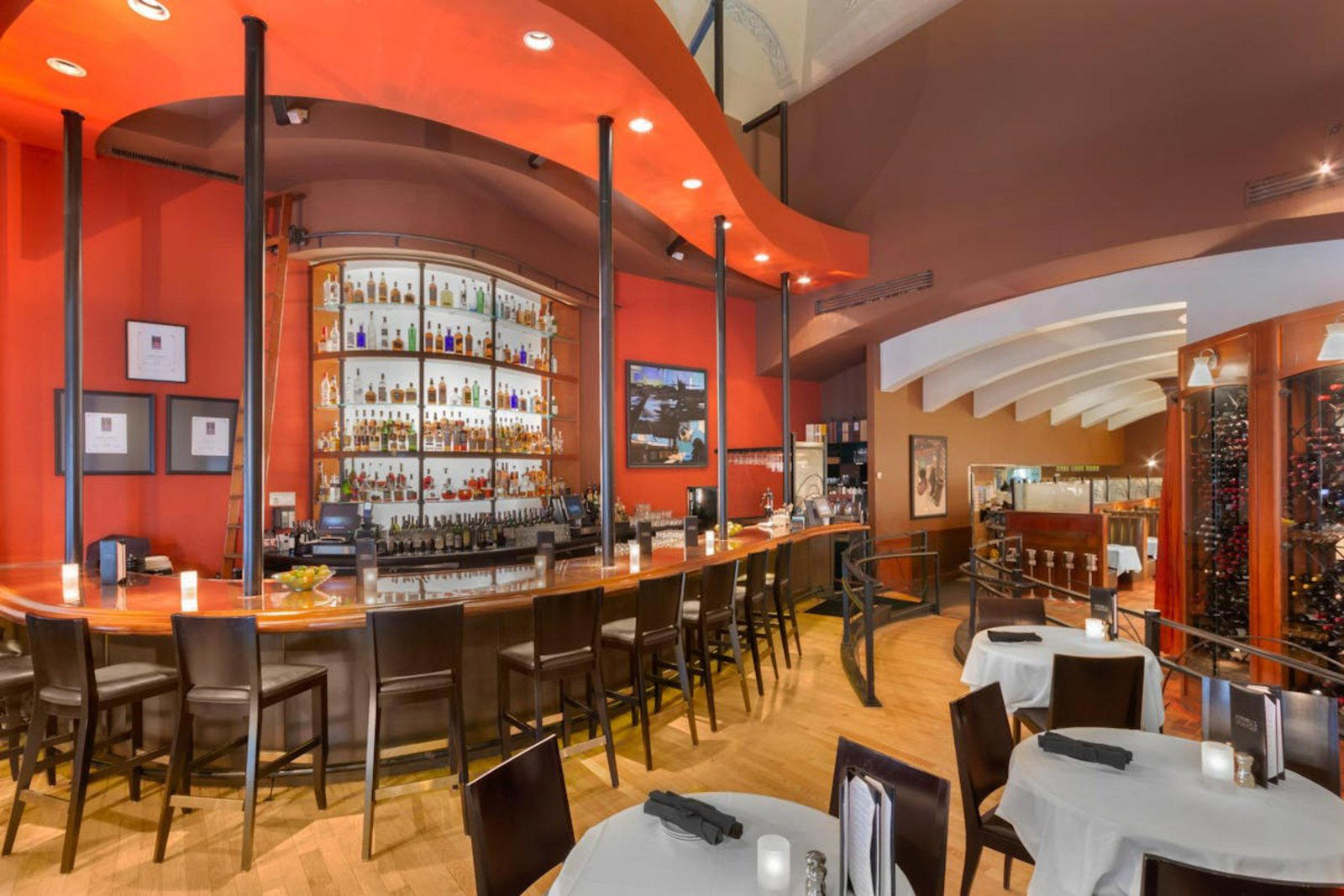
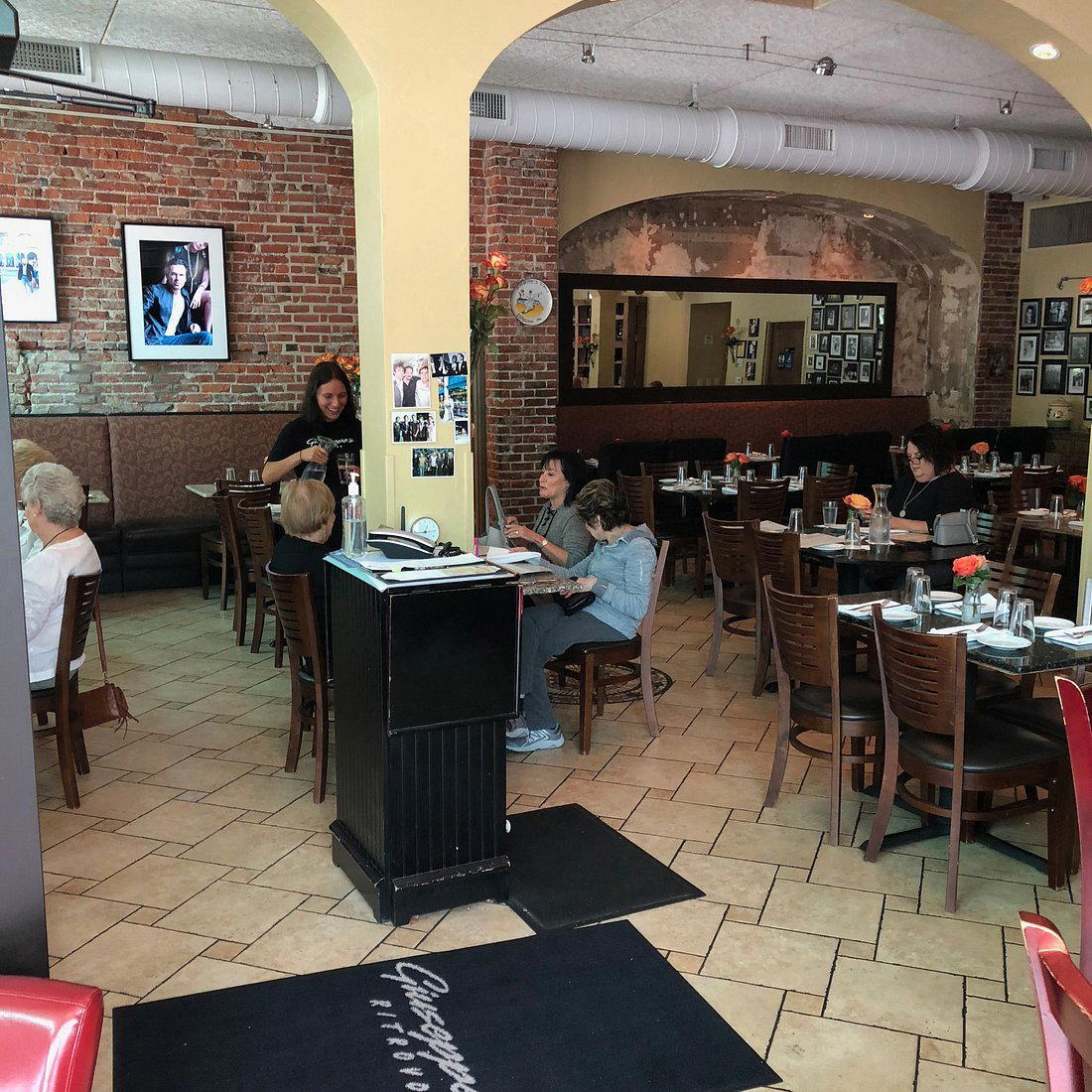
Welcoming airy space with natural wood, leather banquettes, rural-themed decor, cozy Bourbon Lounge, and seasonal outdoor patio with firepit overlooking woods.