The Avenue

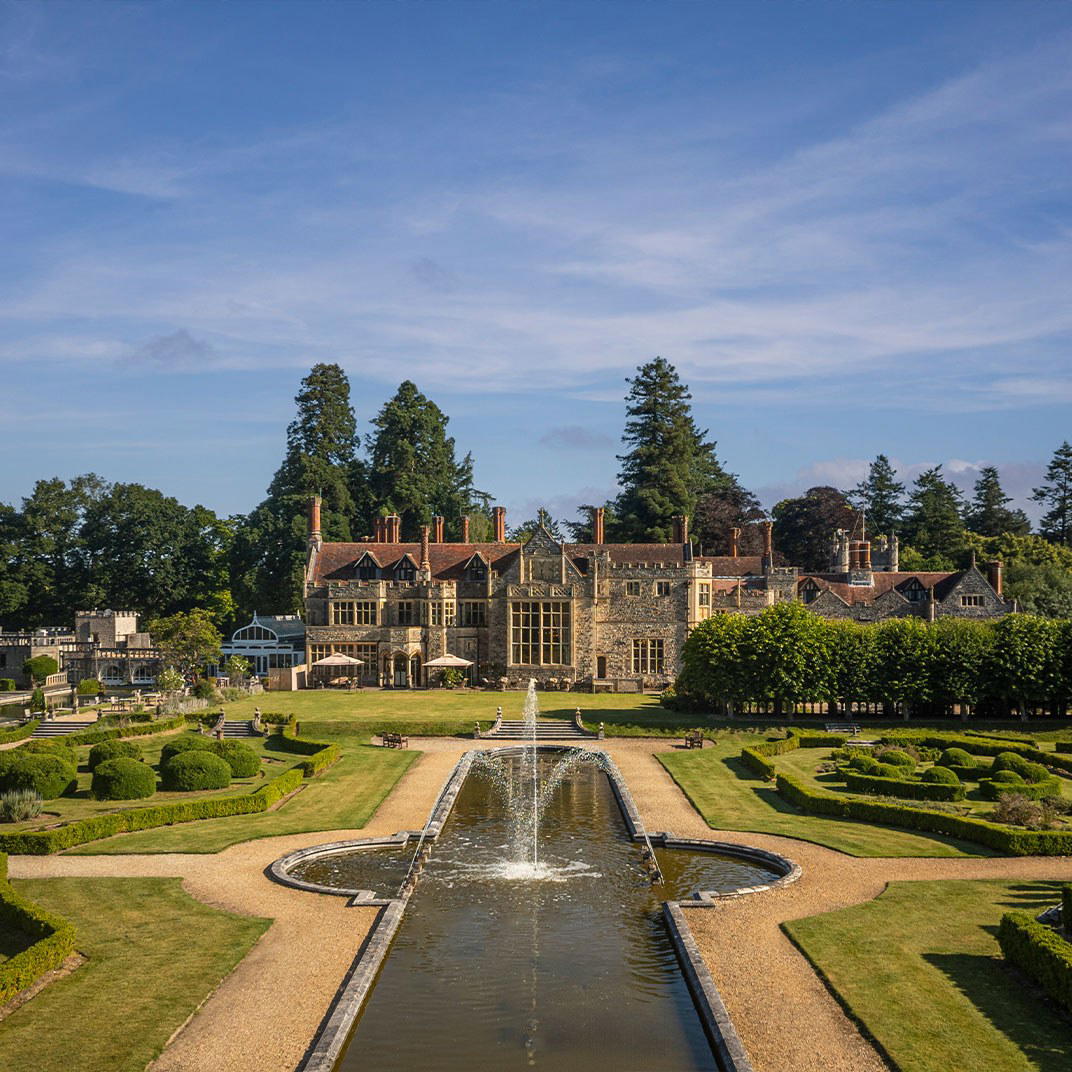
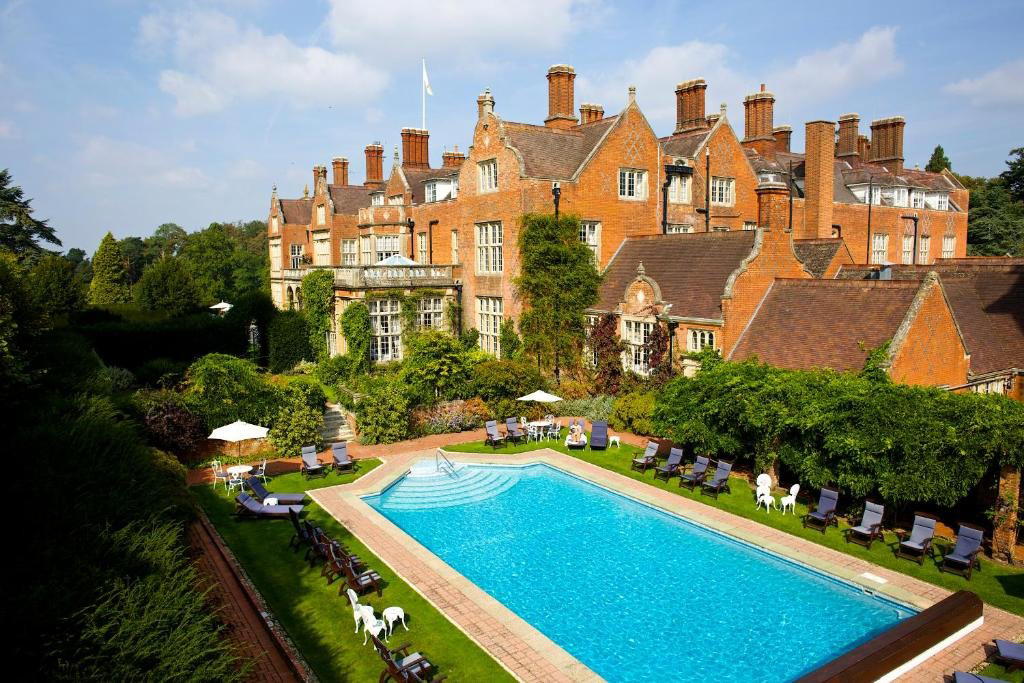
Set within the grounds of Lainston House, a 17th-century country manor outside Winchester, The Avenue offers a tasting menu with a structural twist: diners choose their own starter, main, and dessert, while the interstitial courses remain fixed. The format balances personal preference with the kitchen's technical ambition, set against 60 acres of Hampshire countryside.
Pearl is the En Primeur Club membership app — saves, bookings, and concierge access live there. Same editors, same standards.
- Address
- Woodman Ln, Sparsholt, Winchester SO21 2LT, United Kingdom
- Phone
- +44 1962 776088
- Website
- exclusive.co.uk
- Directions
- Get directions
 Saves & bookings on Pearl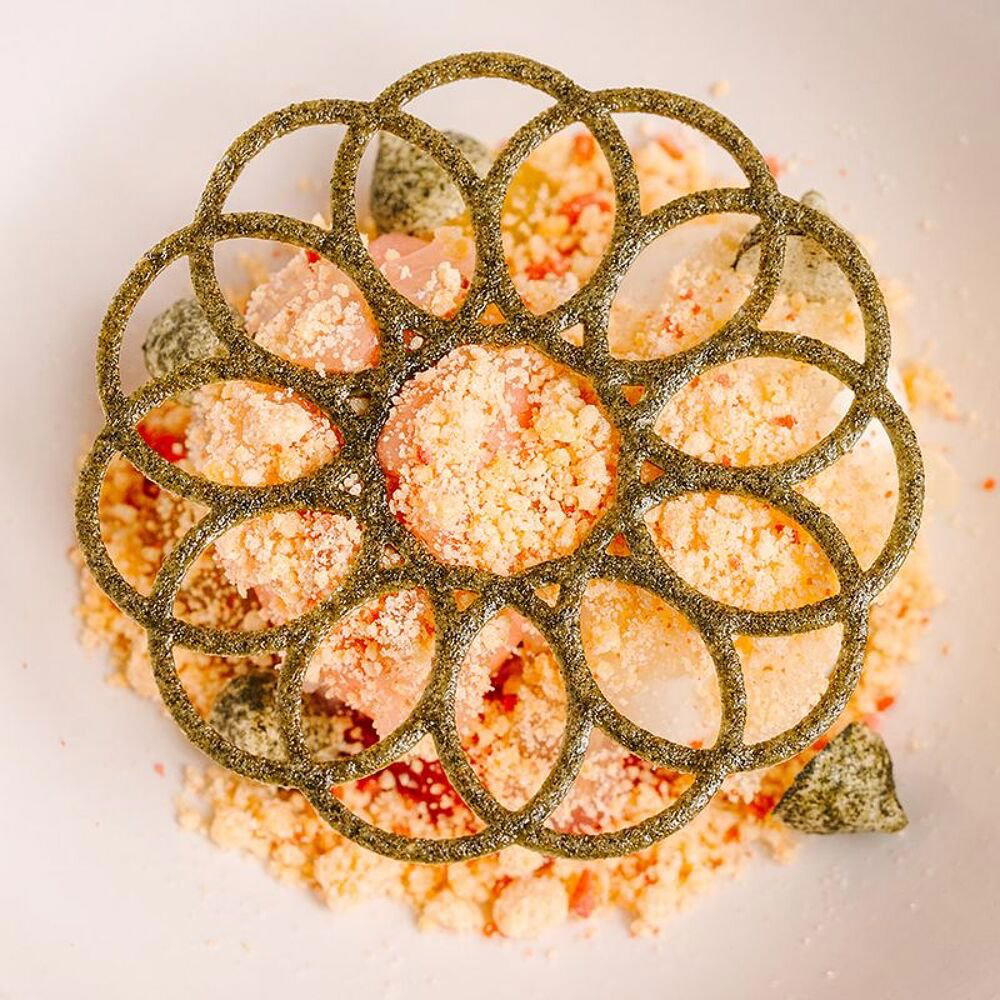
A Country House with a Kitchen Agenda
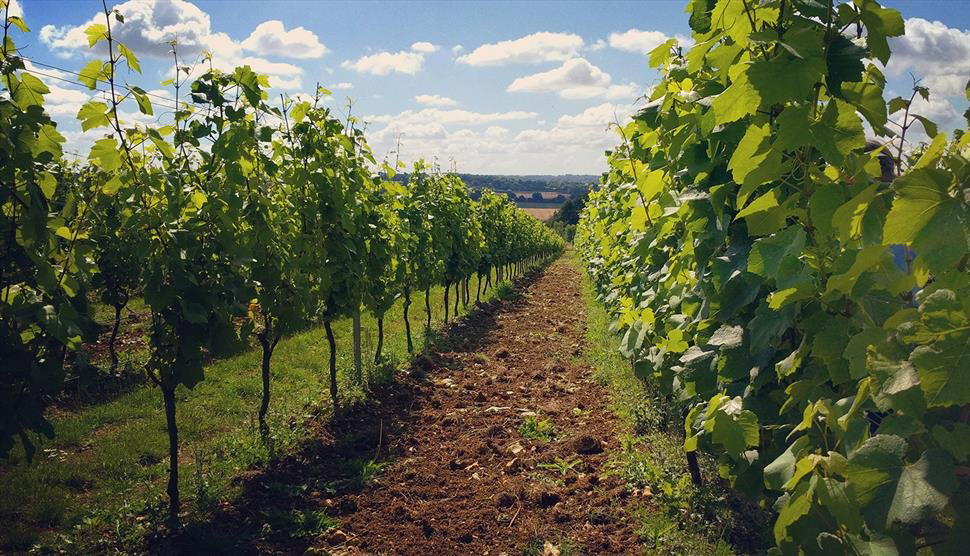
The approach to Lainston House sets the register before you reach the door. Sixty acres of Hampshire grounds, a William-and-Mary manor dating to the late 17th century, and a driveway that absorbs the distance between Winchester's commuter belt and something considerably quieter: this is the physical context in which The Avenue operates. Country house dining in England carries a specific tradition, and this part of Hampshire has long attracted kitchens that treat the rural setting as both an aesthetic and a sourcing argument. The Avenue is a modern British fine dining restaurant at Lainston House in Sparsholt, Winchester, with a £180 price point and a smart casual dress code.
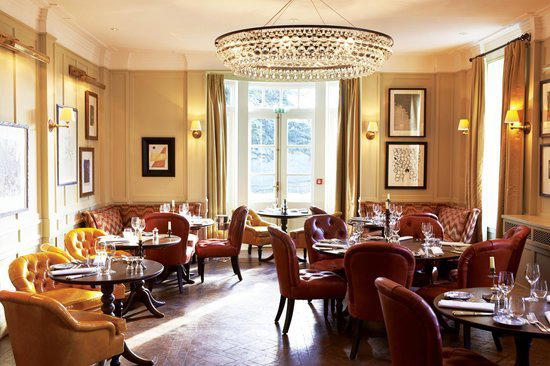
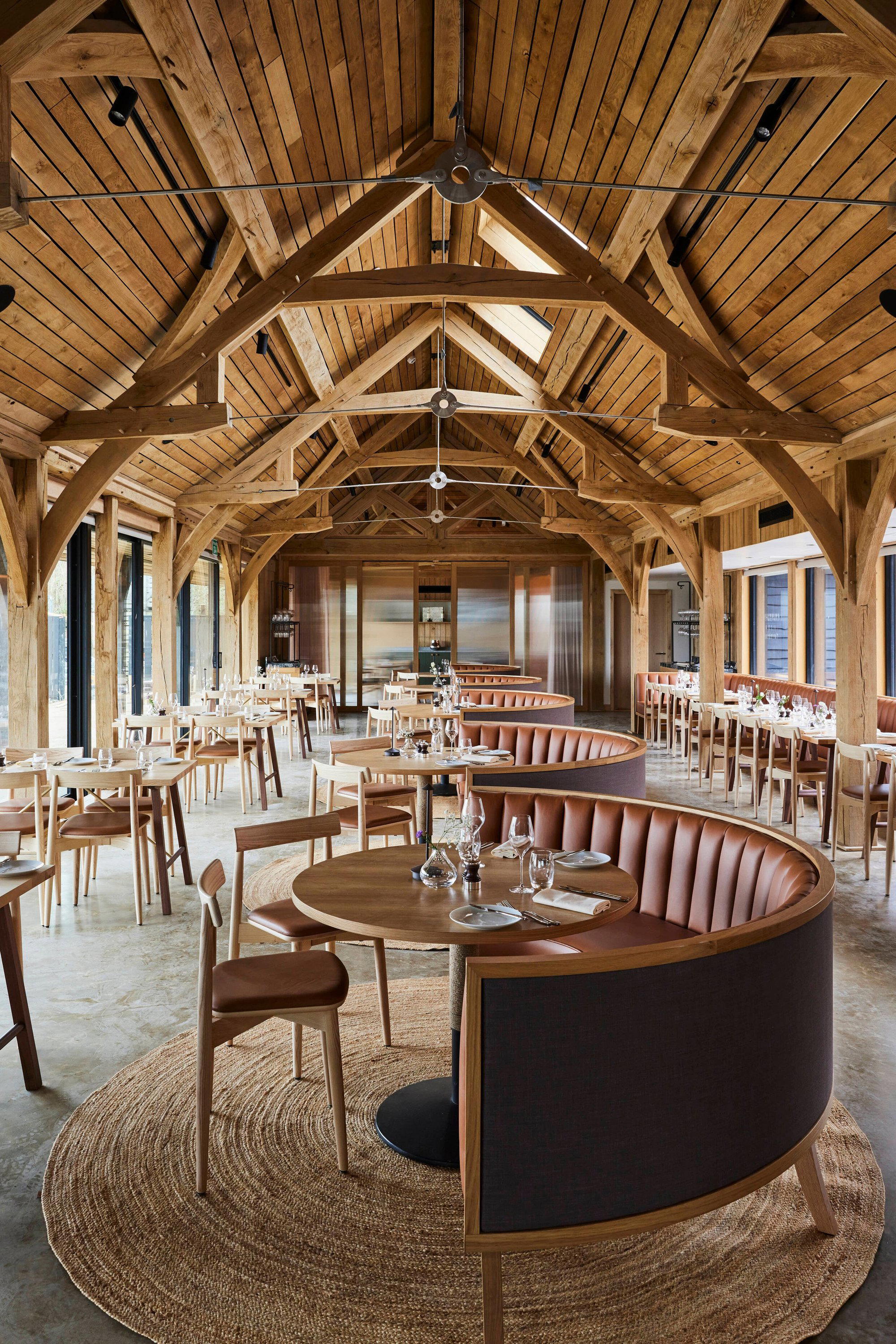
The two-roomed restaurant occupies a space shaped by the manor's architecture rather than fighting it. Proportions are formal, but the format is not, the menu structure is designed to allow diners agency within an otherwise tightly choreographed meal. That balance between structure and choice is the defining feature of the experience, and it places The Avenue in a specific subset of British fine dining: country house restaurants that have moved beyond the static prix fixe into something more conversational.
The Menu Structure and What It Says About the Kitchen
Format at the restaurant works as follows: the starter, main course, and dessert are guest-selected from a choice of options, while the smaller courses between them, amuse-bouche, pre-dessert, and interstitial plates, are fixed by the kitchen. This structure is more deliberate than it first appears. By retaining control of the connecting courses, the kitchen preserves the internal logic of the meal: texture progressions, pacing, and flavour arcs remain intact, while the guest retains a sense of authorship over its anchoring moments. Among the country house tasting menus that have proliferated across southern England in the last decade, this kind of hybrid format represents a thoughtful middle ground between rigid omakase and the freedom of à la carte. Comparable formats appear at venues like Gidleigh Park in Chagford and Le Manoir aux Quat' Saisons in Great Milton, both of which occupy the country house fine dining tier where the meal is expected to extend across several hours and multiple courses.
Cooking is described as intricate and technically demanding, with an emphasis on the kitchen's craft rather than on rustic simplicity. This is not the kind of country house restaurant that leans on provenance as a substitute for technique. The ambition is to demonstrate skill in preparation and composition, using the Hampshire setting as a supply chain rather than as a marketing shorthand.
Ingredient Sourcing and the Hampshire Argument
England's southern counties have a particular claim on ingredient quality that often goes underarticulated in favour of louder regional identities. Hampshire's chalk streams produce some of the country's leading trout and wild watercress. Its downland farms supply game during the season, and the county sits close enough to the south coast for seafood supply chains to remain short. A kitchen operating within 60 acres of managed estate grounds has additional options: kitchen gardens, foraging access, and the kind of close supplier relationships that proximity enables.
The ingredients-first argument is one that country house kitchens across Britain have increasingly leaned into, partly in response to the farm-to-table momentum that reshaped urban fine dining over the past fifteen years. What distinguishes a property like Lainston House from a city restaurant making the same claims is the physical reality of the grounds: the sourcing story is visible from the dining room window rather than printed on a card. Whether a guest arrives in summer, when the kitchen garden is at full production, or in autumn, when Hampshire game comes into season, the calendar of the surrounding estate has a direct influence on what lands on the table. The wine pairing is an optional addition.
Placing The Avenue in the British Country House Category
Country house dining occupies its own niche within British fine dining. It operates under different expectations from urban restaurants: longer meals, greater formality of setting, a built-in tourism dimension, and a guest base that often combines overnight stays with dinner. The competitive set for the restaurant is less The Ledbury in London or Midsummer House in Cambridge and more the cluster of estate and manor house restaurants that have developed serious kitchens in recent years: properties where the meal is inseparable from the wider guest experience of place. Moor Hall in Aughton and Restaurant Andrew Fairlie in Auchterarder operate in this same register, each combining technically serious cooking with a setting that asks more of the visit than a single dinner in an urban room would.
For broader context on what serious tasting menu cooking looks like at the upper end of the British spectrum, L'Enclume in Cartmel and The Fat Duck in Bray define the ceiling of the category, with Hand and Flowers in Marlow and hide and fox in Saltwood representing the more accessible southern England alternatives. Opheem in Birmingham and Le Bernardin in New York City illustrate how kitchens with clear technical ambition operate across different contexts. The restaurant occupies a considered position in this wider field: technically ambitious, rooted in place, and structured to take full advantage of a setting that few urban restaurants can replicate.
Planning Your Visit
Sparsholt sits a short drive west of Winchester, making it accessible from London as a longer day trip or, more sensibly, as part of an overnight stay at Lainston House itself. The estate's scale, and the specific recommendation to arrive early and walk the grounds before dinner, suggests that the experience is designed to be unhurried. A tasting menu format across two rooms, with optional wine pairing, will typically occupy several hours. Arriving with time to explore the grounds beforehand shifts the evening from a restaurant visit into something that uses the full 60 acres as context. Booking directly through the hotel is the logical approach for guests combining accommodation with dinner.
Side-by-Side Snapshot
Comparable venues nearby, for context on price, style, and recognition.
| Venue | Cuisine | Price | Awards | Notes |
|---|---|---|---|---|
| The AvenueThis venue — the venue you are viewing | Modern British Fine Dining | $$$$ | Michelin Plate | Not listed |
| The Hambrough | Modern British Fine Dining | $$$$ | Michelin Plate | Ventnor |
| Greyhound on the Test | Modern British Gastropub | $$$ | Michelin Plate | Stockbridge |
| Cycene at Blue Mountain School | Modern British Open-Fire Tasting Menu | $$$$ | Not listed | Shoreditch |
| Aqua Shard | Contemporary British | $$$$ | Michelin Plate | Borough |
| Kitty Fishers | Modern British Wood-Fired | $$$$ | Not listed | Mayfair |
Recognition history
Dated appearances from independent guides and award organizations, with the underlying list record or original source where available.
AA Rosettes 3 Rosettes
AA Rosettes
Michelin Plate
Michelin
Continue exploring
More in Sparsholt
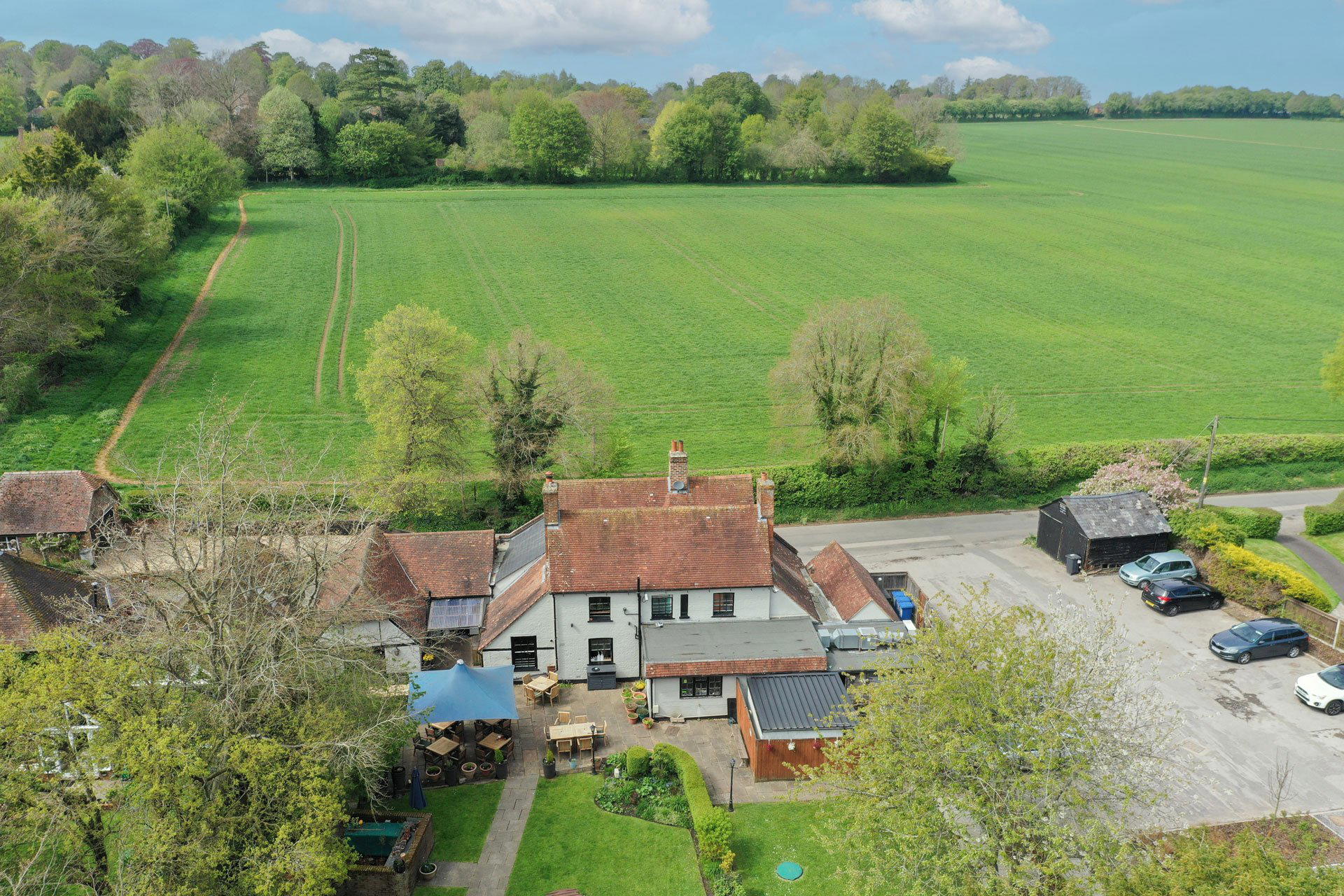
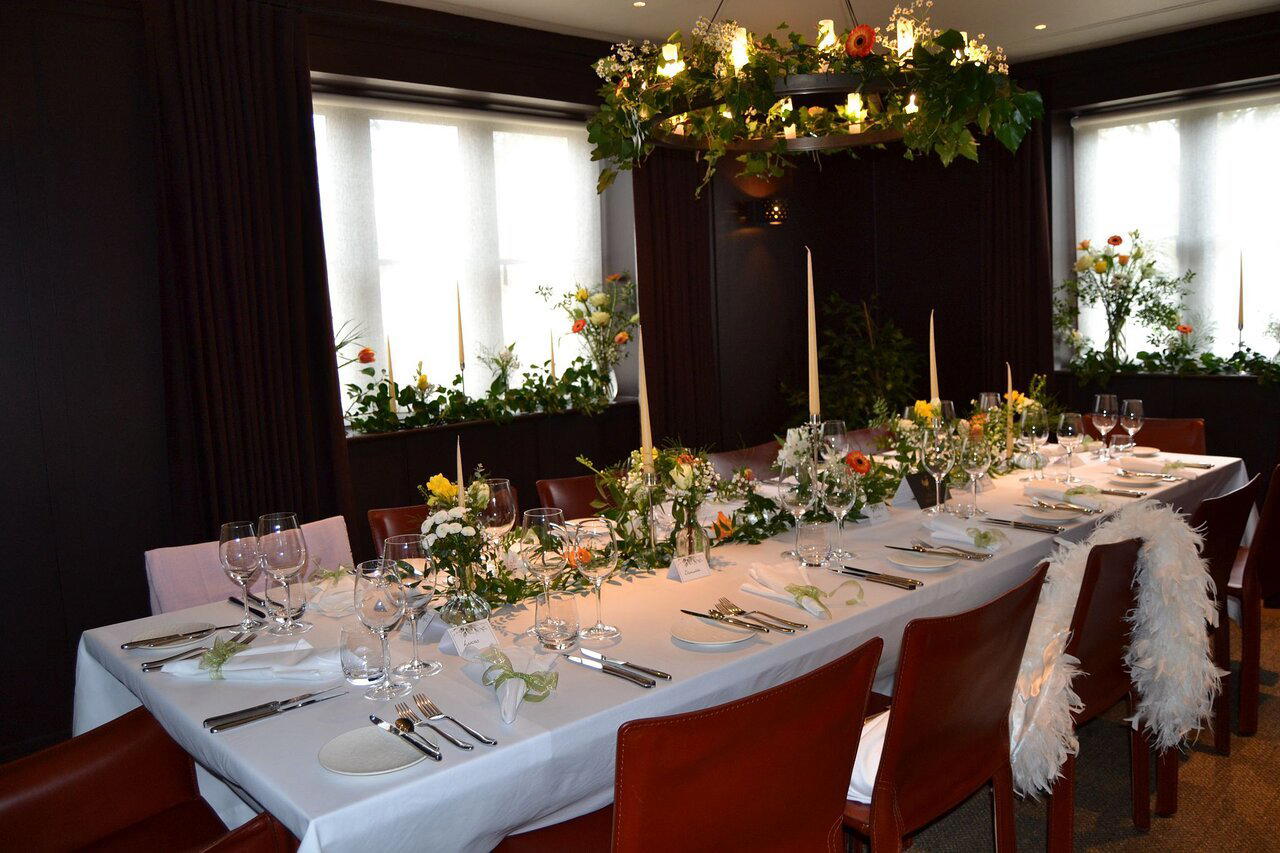
Restaurants in Sparsholt
Browse all →
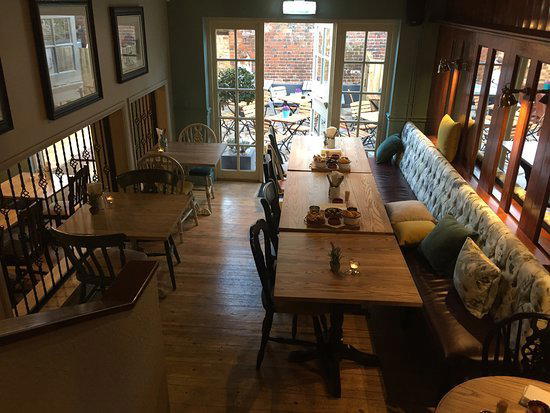
Bars in Sparsholt
Browse all →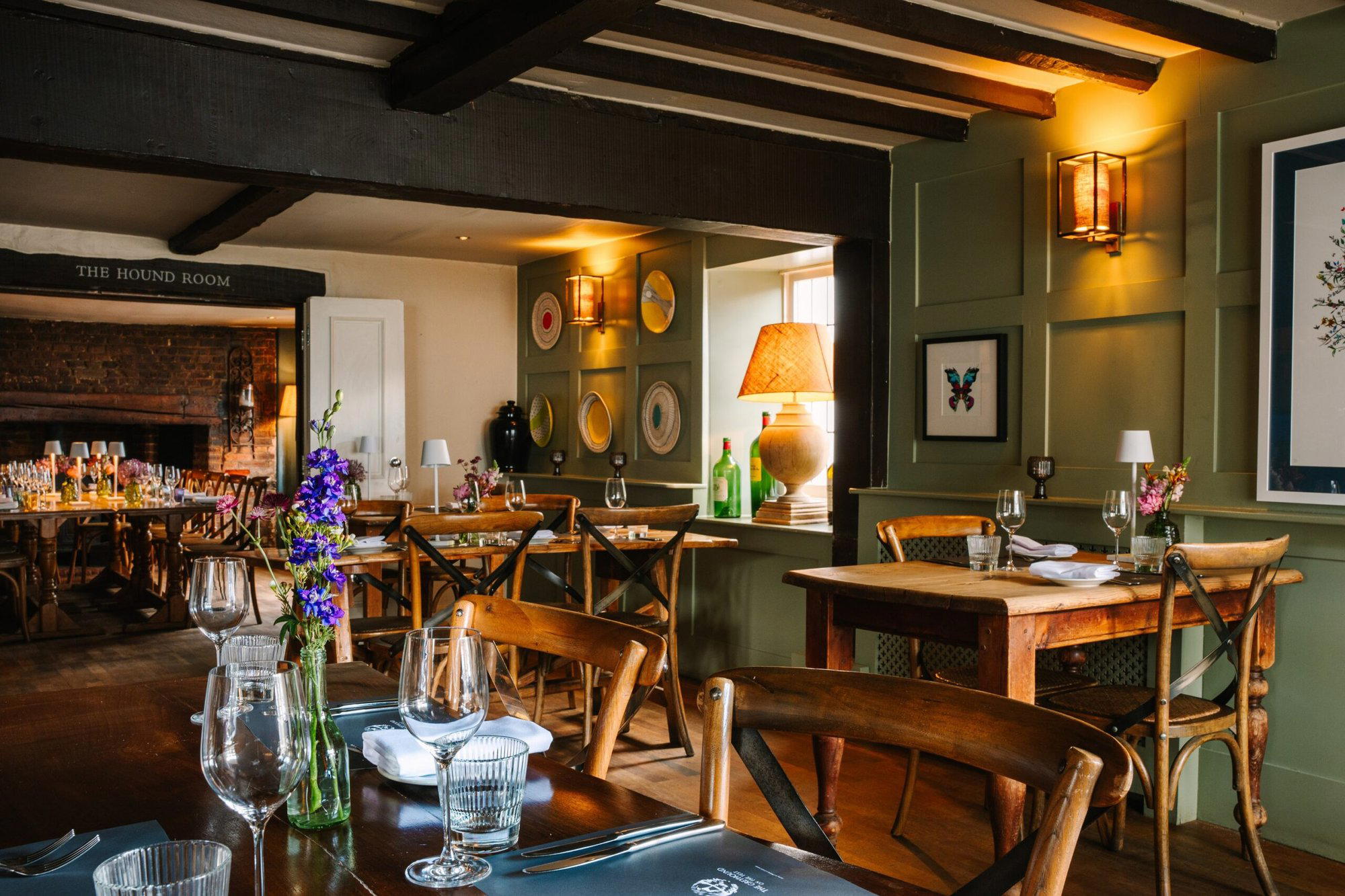

Hotels in Sparsholt
Browse all →

At a Glance
- Elegant
- Sophisticated
- Intimate
- Cozy
- Date Night
- Special Occasion
- Celebration
- Hotel Restaurant
- Extensive Wine List
- Sommelier Led
- Local Sourcing
- Garden
Current opening hours
- Monday
- 7 AM–5 PM
- Tuesday
- 7 AM–5 PM
- Wednesday
- 7 AM–9:30 PM
- Thursday
- 7 AM–9:30 PM
- Friday
- 7 AM–9:30 PM
- Saturday
- 7 AM–9:30 PM
- Sunday
- 7 AM–9:30 PM
Hours can change for holidays and private events. Last verified .
Elegant wood-panelled dining room with modern updates, comfortable country house atmosphere, and polished service.