The Abalone
Atlantic Avenue and the Shellfish Tradition of Florida's East Coast North Atlantic Avenue in Daytona Beach runs close enough to the ocean that the salt air is a permanent fixture. The strip has long supported a casual seafood economy shaped by...
Pearl is the En Primeur Club membership app — saves, bookings, and concierge access live there. Same editors, same standards.
- Address
- 422 N Atlantic Ave, Daytona Beach, FL 32118
- Phone
- +13862717979
- Website
- opentable.com
- Directions
- Get directions
 Saves & bookings on Pearl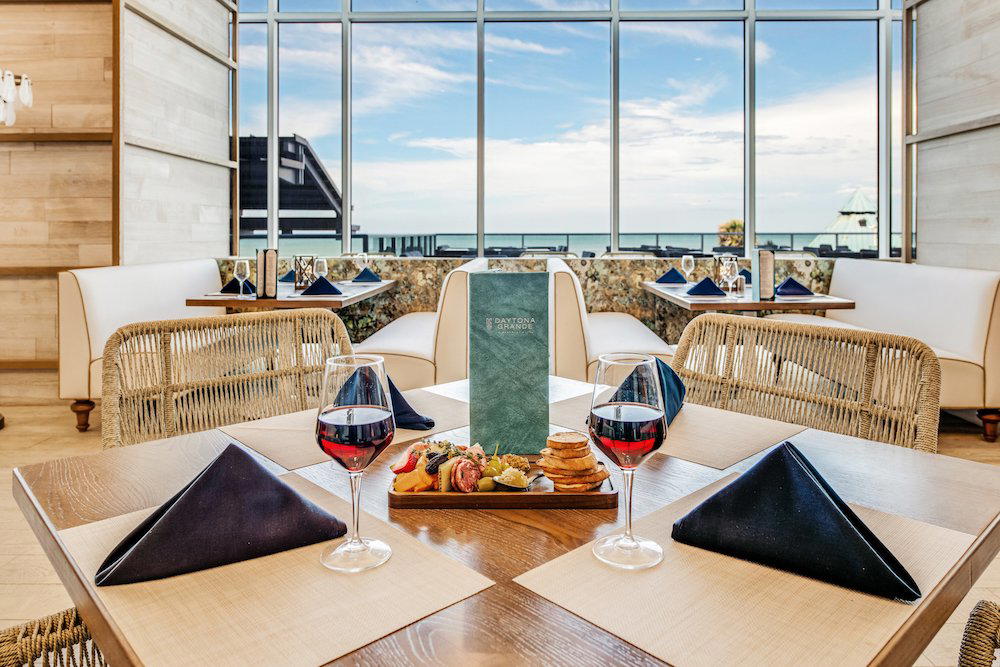
Atlantic Avenue and the Shellfish Tradition of Florida's East Coast
North Atlantic Avenue in Daytona Beach runs close enough to the ocean that the salt air is a permanent fixture. The strip has long supported a casual seafood economy shaped by proximity to the Atlantic, seasonal tourism cycles, and a dining culture that prizes direct, ingredient-led cooking over ceremony. The Abalone sits at 422 N Atlantic Ave, placing it within this established corridor where the water is never far from the plate.
Florida's coastal dining scene has always drawn on the Gulf and Atlantic traditions simultaneously, but the eastern shoreline from Daytona north to St. Augustine leans harder into Atlantic shellfish: clams, oysters, shrimp, and the spiny lobster that defines the Florida season from August through March. The abalone itself is an interesting signal. True abalone is not native to Florida waters and remains one of the more carefully managed mollusks in American fishery law; a restaurant naming itself after it is typically making a statement about culinary ambition rather than regional provenance, positioning itself at least one tier above the fried-basket format that dominates the beachside corridor.
Where The Abalone Sits in Daytona's Dining Picture
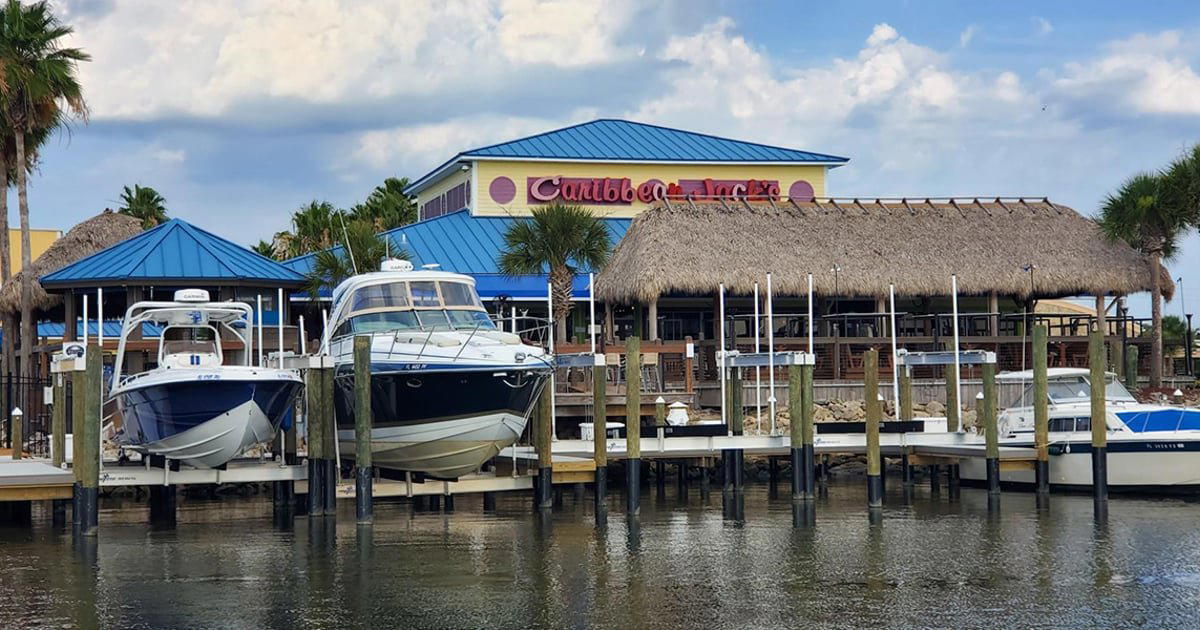
Daytona Beach's restaurant scene has historically split between high-volume beachside operations serving transient visitors and a smaller set of locally sustained spots that attract regulars year-round. The venues drawing consistent attention on the Atlantic Ave corridor include Crabby's Oceanside, which leans into the open-air seafood format with waterfront positioning, and Caribbean Jack's, which draws on Intracoastal sightlines and a broader menu spanning Caribbean-influenced preparations. Blue Flame occupies a different register again, with a fire-forward cooking approach that signals kitchen technique over beachside casualness.
The restaurant's address places it squarely in the beachside band, but the name carries a suggestion of a more considered seafood program. In this specific competitive tier, where Cast & Crew and Dancing Avocado Kitchen also occupy distinct niches, the restaurants that hold local loyalty tend to be those with a clear point of view: a specific catch source, a signature preparation style, or a format that gives regulars something to return to beyond seasonal foot traffic.
The Cultural Weight of Shellfish on the American Atlantic Coast
Shellfish dining in the American Southeast carries a layered history. Indigenous communities harvested oysters and clams along this coastline for thousands of years before European settlement, leaving shell middens that are still archaeologically documented along Florida's Atlantic and Gulf shores. The post-war tourist economy reframed shellfish as accessible abundance, giving rise to the clam bar and fish shack format that still defines much of the region's dining identity.
The contemporary movement within American seafood, represented at the highest end by venues like Le Bernardin in New York City and Providence in Los Angeles, has pushed toward sourcing transparency, species-specific preparation, and a rejection of the batter-and-fryer default. At the more ambitious regional level, restaurants in secondary coastal cities have absorbed some of these influences without the formal-dining trappings: they source locally where the fishery allows, adjust menus with the seasonal catch, and treat the shellfish as the subject rather than the supporting act.
In Daytona Beach, that middle register is where interesting dining decisions happen. The city does not have the critical mass of restaurant culture found in Miami or Tampa, but it has a working waterfront economy and a visitor base that, outside of the Speedweeks and Bike Week peaks, skews toward older, more settled travelers who eat deliberately. A restaurant willing to lean into that demographic with a shellfish-forward identity has a viable path that is distinct from the high-volume spring-break model.
American Seafood at Scale: What the comparable set Signals
To understand what a name like The Abalone implies for a Florida dining room, it helps to triangulate against the national seafood fine-dining map. Single Thread Farm in Healdsburg and Blue Hill at Stone Barns in Tarrytown represent the farm-to-table version of sourcing discipline, where the ingredient origin is the primary editorial statement. The French Laundry in Napa and Alinea in Chicago sit in a different tier entirely, where technique and progression define the experience. Restaurants like Emeril's in New Orleans built their regional identity on specific coastal ingredients refined through classical training.
None of these directly define what the restaurant is doing in Daytona Beach, but they sketch the range of choices available to any American seafood restaurant trying to mean something beyond the menu's face value. At the more accessible end of that spectrum, and in secondary coastal markets specifically, the conversation is about how seriously a kitchen treats sourcing, preparation, and the diner's expectation of specificity. Places like Addison in San Diego, Atomix in New York City, and The Inn at Little Washington occupy the credentialed apex; the question for a beachside Daytona room is how much of that discipline filters down into the format and price point available here.
For readers with broader American fine-dining context, Lazy Bear in San Francisco and 8 1/2 Otto e Mezzo Bombana in Hong Kong illustrate how occasion-dining formats have diversified globally, but the local analog for Daytona visitors is the city's own evolving tier of restaurants stepping past the seafood-shack default.
Planning Your Visit
The restaurant is located at 422 N Atlantic Ave, Daytona Beach, FL 32118, on the city's main beachside artery. Reservations are recommended, particularly during peak periods including Speedweeks in February and Biketoberfest in October, when the corridor's restaurants fill well ahead of normal seasonal patterns. Outside those windows, the beachside strip operates at a more manageable pace, and walk-in availability is typically higher from November through January.
Cost Snapshot
Comparable venues nearby, for context on price, style, and recognition.
| Venue | Cuisine | Price | Notes |
|---|---|---|---|
| The AbaloneThis venue — the venue you are viewing | Daytona Beach, American Seafood | $$$ | Not listed |
| Doc Bales' Grill | Not listed | $$ | Daytona Beach Boardwalk, Oceanfront American Seafood Grill |
| The Cellar Restaurant | Not listed | $$$$ | Historic District, Classical Northern Italian Fine Dining |
| Dancing Avocado Kitchen | Not listed | $$ | historic Beach Street, Healthy Contemporary American |
| Cast & Crew | Not listed | $$$ | Oceanfront, Oceanfront Seafood with Italian & Asian Influences |
| Caribbean Jack's | Halifax River, Caribbean Seafood | $$ | Not listed |
Continue exploring
More in Daytona Beach
Restaurants in Daytona Beach
Browse all →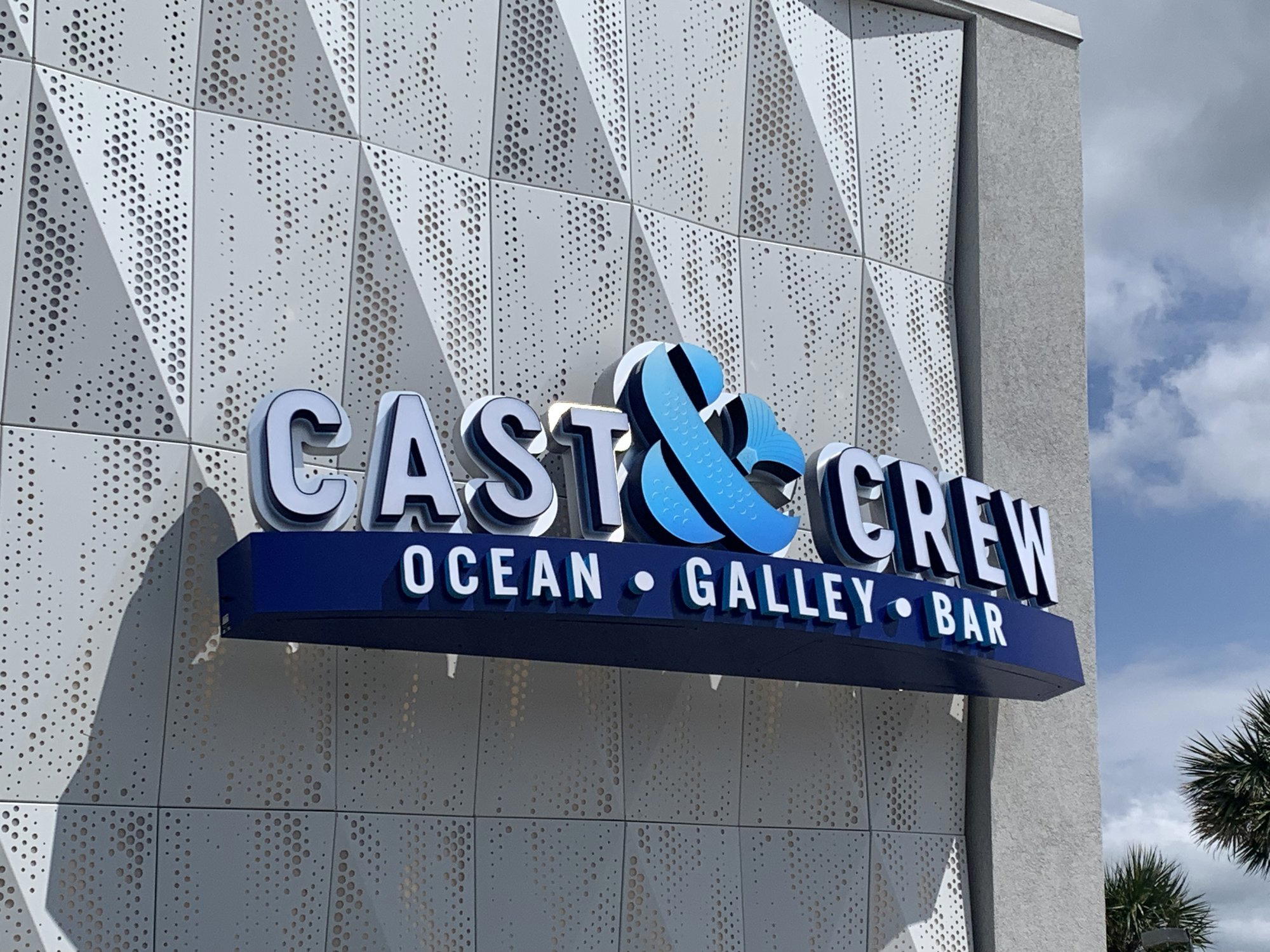
Bars in Daytona Beach
Browse all →
At a Glance
- Scenic
- Relaxed
- Waterfront
- Extensive Wine List
- Local Sourcing
- Waterfront
Current opening hours
- Monday
- 7 AM–10 PM
- Tuesday
- 7 AM–10 PM
- Wednesday
- 7 AM–10 PM
- Thursday
- 7 AM–10 PM
- Friday
- 7 AM–10 PM
- Saturday
- 7 AM–10 PM
- Sunday
- 7 AM–10 PM
Hours can change for holidays and private events. Last verified .
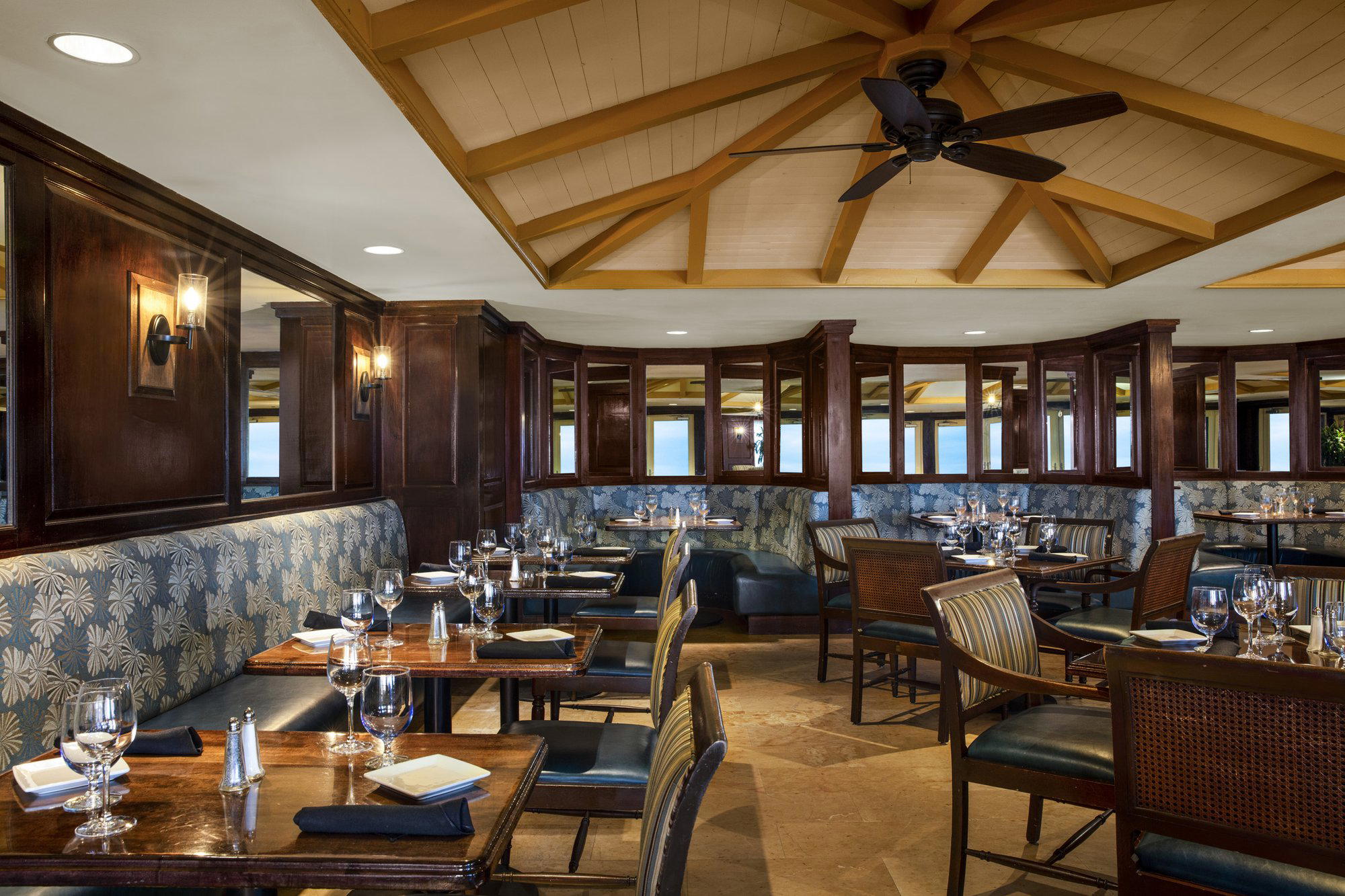
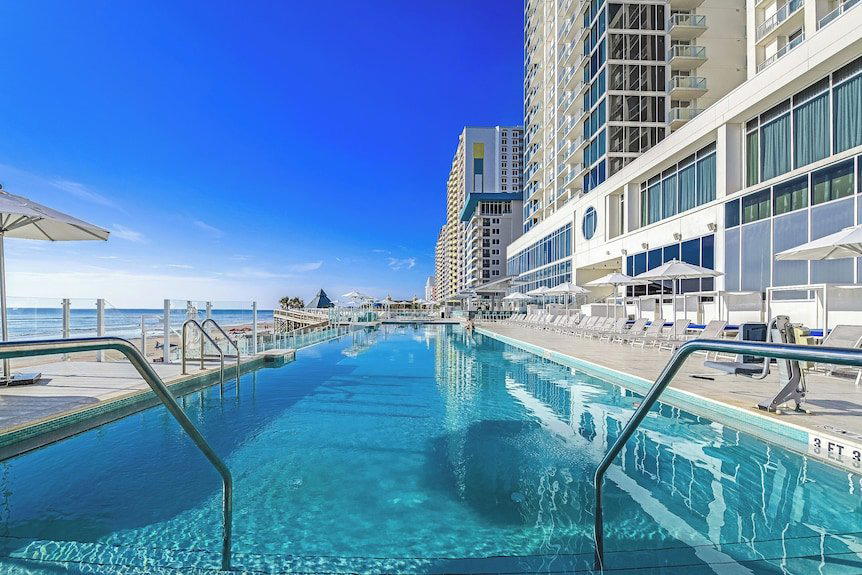
Relaxed atmosphere with large windows offering picturesque beach and ocean views, friendly service, and lively lighting.