
Tabelog 100 #36
Our verdict
Teuchi Udon Mugizo belongs to Kagawa’s serious udon culture, where speed, restraint, and noodle texture matter more than ceremony. Its Tabelog 100 Udon Kagawa 2024 selection, counter-only format, and compact menu orbit of udon, curry udon, and kara-age place it in the everyday end of a highly scrutinized regional tradition.

Pearl is the En Primeur Club membership app, where members save venues, book tables and use the concierge.
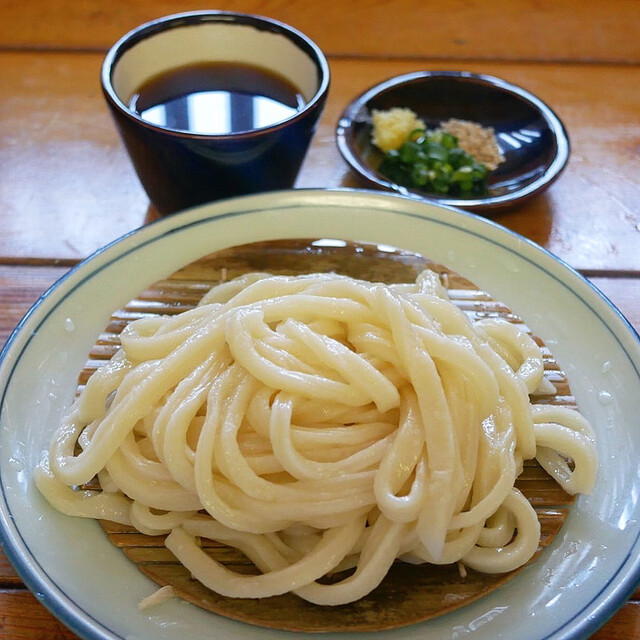
The menu
What to order
- Kashiwa (chicken) tempura bukkake udon
- Curry udon
- Kara-age (deep-fried chicken) udon
The approach to an udon shop is rarely theatrical. The signal is usually practical: a focused menu, a direct lunch or dinner rhythm, and the quiet choreography of diners who know what they want before they order. Teuchi Udon Mugizo fits that grammar. The venue belongs in Fukuoka, where everyday noodle dining is less about ceremony than about a clear bowl, a direct order, and a meal that respects the pace of the occasion.
Udon culture rewards clarity. The noodle is the point, and the meal often moves at the pace of a local routine: order, eat, and make room for the next diner when appropriate. That ritual can feel abrupt to travelers used to tasting-menu pacing, but it is part of the appeal. A focused udon shop strips away the soft distractions of hospitality theater and puts attention on three practical questions: noodle texture, broth or curry handling, and whether the side dishes support the bowl rather than crowd it.
A Fukuoka udon meal in the everyday register
In the broader Japanese dining hierarchy, udon often sits below sushi, kaiseki, and tempura in international prestige, but specialist noodle shops challenge that instinct. The category has its own canon, its own regulars, and its own audience of repeat diners. Teuchi Udon Mugizo’s 2024 Tabelog Hyakumeiten recognition places it inside that conversation, not as a luxury address but as a shop assessed within a demanding everyday-food field.
The listed categories explain the range without turning the meal into a sprawling menu: udon, curry udon, and kara-age. That combination is common enough to feel accessible, yet narrow enough to suggest a kitchen working inside a defined lane. Curry udon changes the center of gravity from clean broth to weight and spice; kara-age adds the familiar side-order logic of a quick Japanese meal. The point is not breadth. The point is choosing a bowl that matches appetite and then respecting the tempo of the room.
This is where the dining ritual becomes useful for visitors. Udon shops are not designed for indecision. The format often favors efficient eating and small-party discipline, while the listed price tier keeps it closer to daily food than occasion dining. Compared with other Fukuoka dining rooms, including Koryori Yarn in a different style of meal, this kind of udon asks for another kind of attention. The spend is modest; the standard is not.
Recognition without luxury signaling
Tabelog’s Hyakumeiten lists are useful here because they recognize category depth rather than only fine-dining ambition. A 2024 udon selection says something precise: the shop has enough diner credibility to be named among notable addresses in its category. It is a different signal from Michelin stars or global restaurant rankings, and for udon that distinction is apt.
The score attached to the listing, 3.79, also has to be read in Japanese context. Tabelog scoring is conservative, and casual specialists can carry serious weight without adopting the visual language of premium dining. In that sense, the direct category mix, the modest budget, and the award selection all point in the same direction: a meal where recognition follows craft and consistency, not room design or service choreography.
There is a useful comparison with Kawafuku Honten, another udon reference that can help travelers understand the category on its own terms. The shared lesson is that Japan’s noodle culture often places its sharpest everyday cooking in formats that are brief, practical, and operationally disciplined. Travelers who only chase formal restaurants miss this tier. It is where regional food habits become legible.
How to read the meal before sitting down
The smartest way to approach Teuchi Udon Mugizo is to think less like a destination diner and more like a local choosing a focused bowl. The meal is compact in spirit, the format is better suited to efficient eating than extended conversation, and the etiquette is simple: keep the order focused, keep the group contained, and read the room’s pace. For udon, that modesty is not a limitation. It is part of the form.
For travelers building a wider Japan food itinerary, this kind of stop supplies a necessary corrective to the capital-city bias. Fukuoka’s dining scene is often framed through ramen, seafood, and late-night drinking, while udon sits on a separate axis of noodle expertise. Readers comparing regional everyday dining can use Our full Fukuoka restaurants guide for the city view, then look at unnamed local contrasts across curry, fried foods, set meals, and other casual dining rooms.
The broader planning frame matters too. Food-focused trips rarely succeed by restaurants alone; hotels, bars, and cultural time shape the way meals land. For that wider map, use Our full Fukuoka hotels guide, Our full Fukuoka bars guide, Our full Fukuoka wineries guide, and Our full Fukuoka experiences guide. For cross-city context on casual and specialist formats, compare unnamed udon counters, grilled-meat rooms, seafood specialists, cafe formats, sake bars, curry shops, and other compact everyday venues in Japan and beyond.
The editorial case for Teuchi Udon Mugizo is not that it turns udon into spectacle. It does the opposite. It sits inside a tradition where the meal is direct, the format is functional, and the judgment falls heavily on execution. That is exactly why it belongs on a serious food itinerary: it shows how much Japan can communicate through a bowl and a dining ritual built for repetition.
Frequently asked questions
Is Teuchi Udon Mugizo suitable for children?
The available listing information places Teuchi Udon Mugizo in a modest price tier, with pricing listed as - JPY 999. For family suitability, seating, and current operating details, check the venue's official channels before visiting.
What kind of setting is Teuchi Udon Mugizo?
Teuchi Udon Mugizo is listed in the udon, curry udon, and kara-age categories, with 2024 Tabelog Hyakumeiten recognition. Expect an udon-focused meal rather than a luxury restaurant format.
What's the pricing like at Teuchi Udon Mugizo?
Pricing at Teuchi Udon Mugizo is listed as - JPY 999.
What's Teuchi Udon Mugizo's location?
Fukuoka.
Style and Standing
Comparable venues to calibrate price, style, and recognition.
| Venue | Cuisine | Price | Awards | Notes |
|---|---|---|---|---|
| Teuchi Udon MugizoThis venue (the venue you are viewing) | Handmade Sanuki Udon & Kara-age | $1–10 | Tabelog 100 #36 | Not listed |
| Rankan | Traditional Japanese Kissaten Coffee House | $10–20 | Not listed | Dazaifu |
| Mengekijo Genei (麺劇場 玄瑛) | Hakata Tonkotsu Ramen | $10–20 | Not listed | Yakuin |
| Miyake | Traditional Hakata Udon | $1–10 | Tabelog 100 #74 | Hakata |
| Umeyama Teppei Shokudo Honten | Casual Japanese fish set-meal canteen | $10–20 | Tabelog 100 #32 | Chūō |
| Tempura Dokoro Hirao Daimyou ten | Casual Tempura Specialist | $10–20 | Tabelog 100 #30 | Chūō |
Recognition history
Dated appearances from independent guides and award organizations, with the underlying list record or original source where available.
Tabelog 100 #36 · No. 36
Tabelog · Tabelog 100 - Udon - KAGAWA - 2024
Continue exploring
More in Fukuoka
Restaurants in Fukuoka
All restaurants in Fukuoka →
Bars in Fukuoka
All bars in Fukuoka →

Details
- Cozy
- Lively
- Solo
- Family
- Casual Hangout
- Group Dining
- After Work
- Standalone
- A La Carte
- Counter Dining
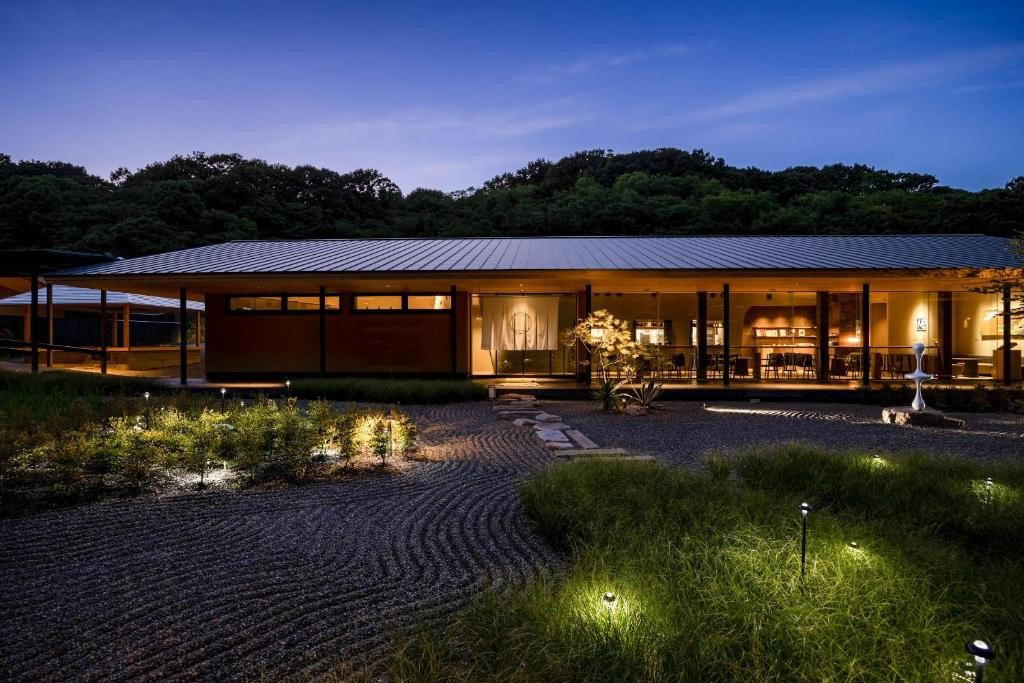
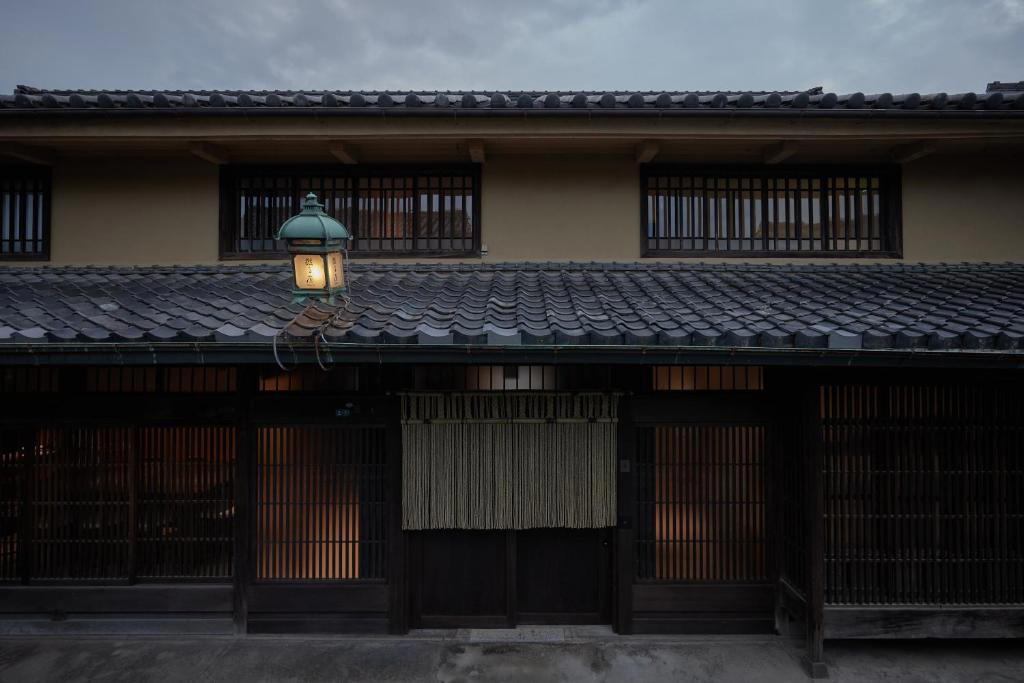
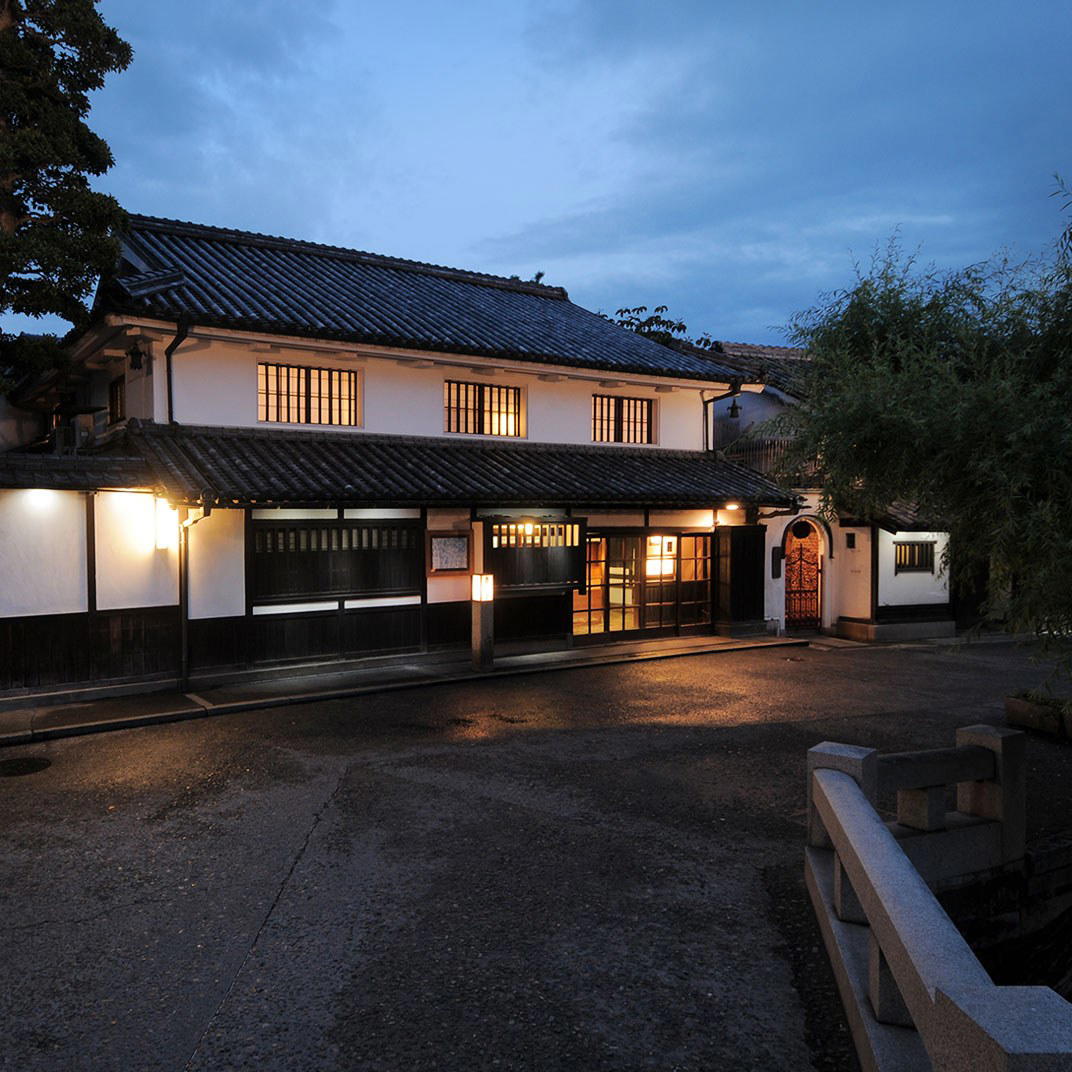
A compact, house-like, counter-only space with a relaxed, casual feel; guests line up for a short, focused lunch service, creating a lively yet welcoming atmosphere suited to solo diners and families alike.