
Tabelog 100 #32
Our verdict
Umeyama Teppei Shokudo Honten belongs to Fukuoka’s practical, fish-led set-meal culture rather than the city’s expensive tasting-menu circuit. The Watanabedori address, 25-seat format, Tabelog 100 Diner 2026 selection, and JPY 1,000–1,999 price band make it a useful counterpoint to Fukuoka’s higher-spend restaurants.

Pearl is the En Primeur Club membership app, where members save venues, book tables and use the concierge.
The menu
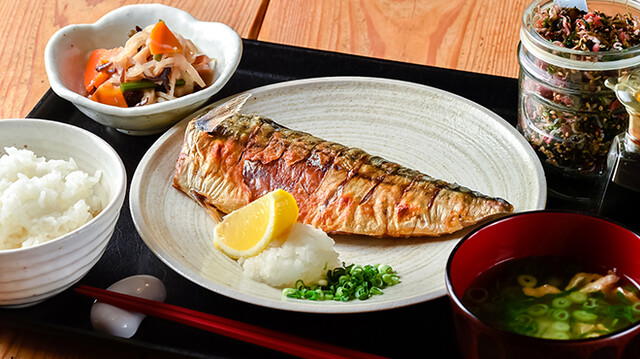
What to order
- Daily fish set meal
- Chicken karaage set
- Sashimi with sesame dressing
- Kaisendon (seafood bowl)
Fukuoka gives everyday dining a rhythm apart from polished hotel-lobby rooms and late-night counters. The appeal is civic rather than theatrical: office workers, families, solo diners, and visitors who have worked out that the city’s seafood culture is not confined to omakase or celebratory kaiseki. In that setting, Umeyama Teppei Shokudo Honten reads as part of the everyday Fukuoka table: compact in spirit, seafood-friendly, and built around the grammar of shokudo eating.
The shokudo form matters. Japan’s diner tradition is not casual because it lacks discipline; it is casual because the discipline is applied to speed, balance, and value. Rice, soup, seafood bowls, Japanese dishes, and straightforward service sit within a format that can serve lunch, early dinner, and family meals without asking diners to surrender an evening. Fukuoka, with its port-city identity and appetite for unfussy specialist cooking, gives that format particular force.
A fish-led shokudo in a city that often rewards specialization
Fukuoka’s restaurant conversation can skew toward ramen, yatai, motsunabe, and high-spend counters, but its quieter strength is the middle band: places where a clear format is executed with enough consistency to become part of local routine. The listed categories here are cafeteria, kaisen-don, and Japanese cuisine. That combination places the restaurant closer to daily dining than performance dining, even though its recognition now puts it on a wider map.
The useful comparison is not with ceremonial fine dining, but with the city’s range of price and format. Kuwaman and F ridge sit in a higher-spend bracket, Yama Basque occupies another dining register, and AKAMIYACOWSI reaches into a more premium lane. Against that spread, Umeyama Teppei Shokudo Honten occupies a leaner lane, with dinner and lunch both listed at JPY 1,000 - JPY 1,999 and a value proposition built into the set-meal idiom rather than added through ceremony.
Tabelog Hyakumeiten recognition for 2026 gives that lane a measurable signal. The listing carries a Tabelog score of 3.68, which matters because shokudo recognition is less about spectacle than repeat reliability. In a city with many specialists competing for attention, that kind of listing suggests a format that has clear relevance for diners looking beyond a single trend cycle.
The room favors turnover, solo dining, and low-friction meals
The experience is shaped as much by the category as by any individual dish. A cafeteria-style, kaisen-don-friendly Japanese restaurant is designed for legibility: diners can understand the promise quickly, eat well without ceremony, and move on with the rest of the day. That makes it useful for solo travelers, pairs, and small groups who want a grounded meal rather than a reservation-driven production.
The family and daily-dining signals come through in the format itself. This is not a restaurant whose appeal depends on long tasting menus, elaborate staging, or luxury cues. Its place in the Fukuoka dining landscape is closer to practical local infrastructure: a restaurant where the point is a satisfying meal, a clear category, and pricing that keeps the experience in everyday range.
For non-Japanese readers, the key is to approach it as a shokudo rather than as a trophy booking. Fukuoka’s value restaurants can be difficult to parse without language confidence, especially when seafood bowls, set meals, and daily choices are involved. Here, the listed categories do much of the work: cafeteria, kaisen-don, and Japanese cuisine tell you to expect a direct, meal-centered experience rather than a long-form counter performance.
How to place it in a Fukuoka itinerary
This is the kind of address that works when a trip needs one grounded meal between bigger restaurant commitments. Fukuoka rewards appetite planning: a bowl at lunch, a bar later, a higher-spend counter on another night. For a wider read on the city’s dining range, start with Our full Fukuoka restaurants guide, then use other Fukuoka dining rooms, casual specialists, and everyday Japanese restaurants to understand how broad the city’s casual and specialist registers can be.
The city context also helps with trip design. Because the venue is in Fukuoka, it can function as a practical meal around daytime plans, hotel logistics, or an evening built elsewhere in the city. Travelers building a fuller stay can pair restaurant planning with Our full Fukuoka hotels guide, Our full Fukuoka bars guide, Our full Fukuoka wineries guide, and Our full Fukuoka experiences guide.
For readers comparing Japanese casual dining beyond Kyushu, the useful point is format rather than sameness. A set-meal or seafood-bowl shokudo in Fukuoka has a different logic from other Japanese casual restaurants, beef-focused rooms, cafés, curry specialists, or drinking-led formats elsewhere. Abroad, Japanese snack and bar formats may translate in their own ways; Fukuoka’s shokudo culture remains more integrated into daily urban life.
The editorial case is simple: Umeyama Teppei Shokudo Honten is valuable because it explains a side of Fukuoka that luxury dining often misses. It is not asking to be treated as a trophy table. It is a recognized, fish-led everyday restaurant in a city where the serious meal can be quick, affordable, and deeply local in structure.
Frequently asked questions
Where do I go for Umeyama Teppei Shokudo Honten?
Fukuoka.
What's the pricing like at Umeyama Teppei Shokudo Honten?
Pricing at Umeyama Teppei Shokudo Honten is listed as JPY 1,000 - JPY 1,999 JPY 1,000 - JPY 1,999.
How hard is it to get a table at Umeyama Teppei Shokudo Honten?
Its Tabelog Hyakumeiten 2026 recognition and Fukuoka setting point to a restaurant with a clear local profile, especially for diners seeking an everyday Japanese meal.
What has Umeyama Teppei Shokudo Honten built its reputation on?
Its profile rests on the listed categories of cafeteria, kaisen-don, and Japanese cuisine, along with Tabelog Hyakumeiten 2026 recognition and a listed score of 3.68.
Cuisine Lens
Comparable venues for orientation by cuisine and category.
| Venue | Cuisine | Price | Awards | Notes |
|---|---|---|---|---|
| Umeyama Teppei Shokudo HontenThis venue (the venue you are viewing) | Casual Japanese fish set-meal canteen | $10–20 | Tabelog 100 #32 | Not listed |
| Bomber Kitchen Yakuin honten | Japanese-style Western set meals (yoshoku) | $10–20 | Tabelog 100 #22 | Chūō |
| Hakata Gion Tetsu Nabe | Hakata izakaya & iron-pan gyoza | $10–20 | Tabelog 100 #94 | Hakata |
| Afterglow | Curry & Cafe | $10–20 | Tabelog 100 #10 | Chūō |
| Aji Furai Shokudo Kaba | Japanese fried mackerel shokudo | $10–20 | Tabelog 100 #1 | Jōnan |
| Kiharu no Gomasaba ya | Mackerel-focused Japanese Izakaya | $30–50 | Tabelog 100 #16 | Chūō |
Recognition history
Dated appearances from independent guides and award organizations, with the underlying list record or original source where available.
Tabelog 100 #32 · No. 32
Tabelog · Tabelog 100 - Diner - 2026
Continue exploring
More in Fukuoka
Restaurants in Fukuoka
All restaurants in Fukuoka →
Details
- Lively
- Cozy
- Classic
- Solo
- Family
- Casual Hangout
- After Work
- Group Dining
- Standalone
- Local Sourcing
- Sustainable Seafood
- Set Menu
- A La Carte
- Counter Dining
- Pescatarian Friendly
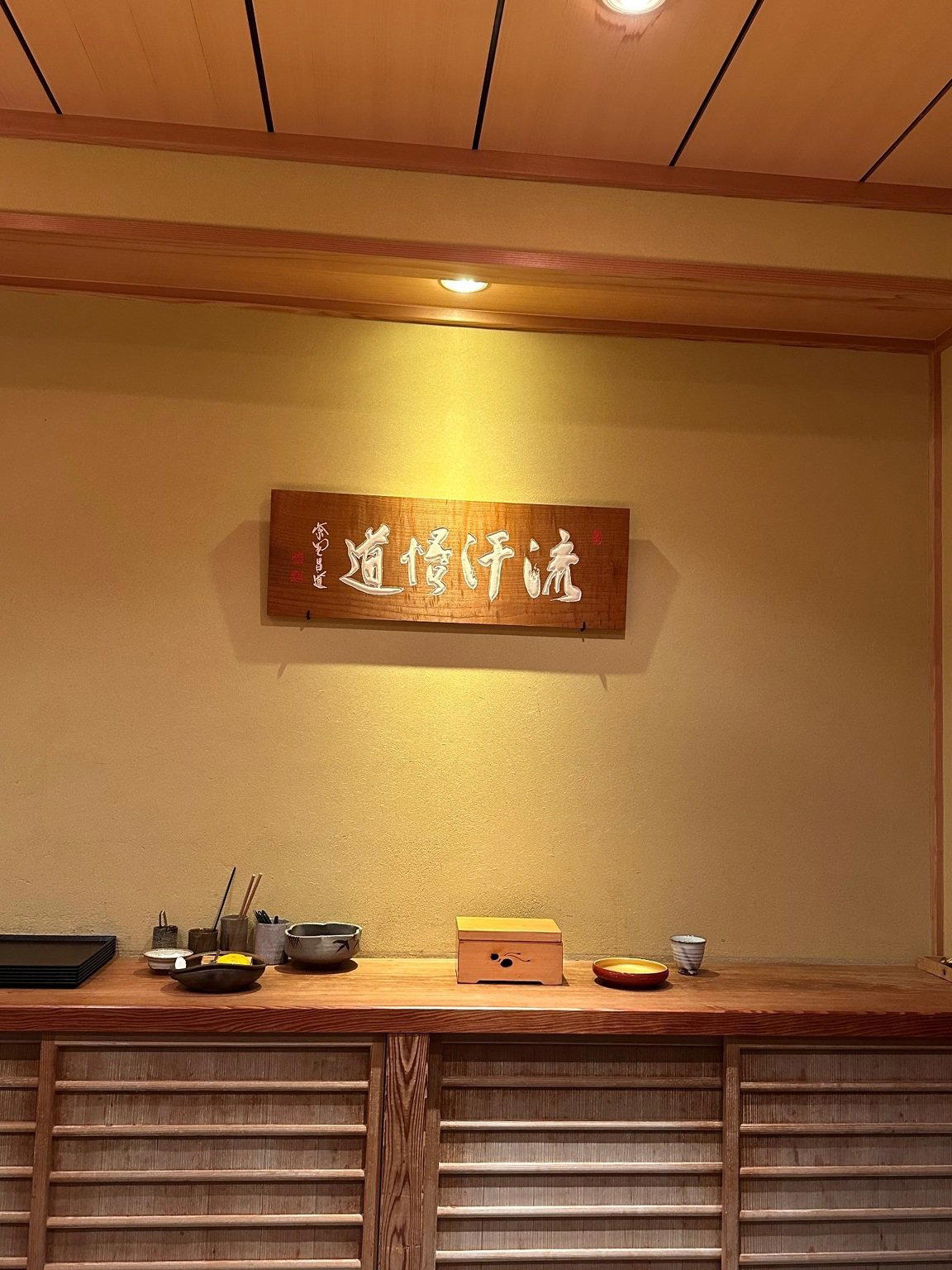
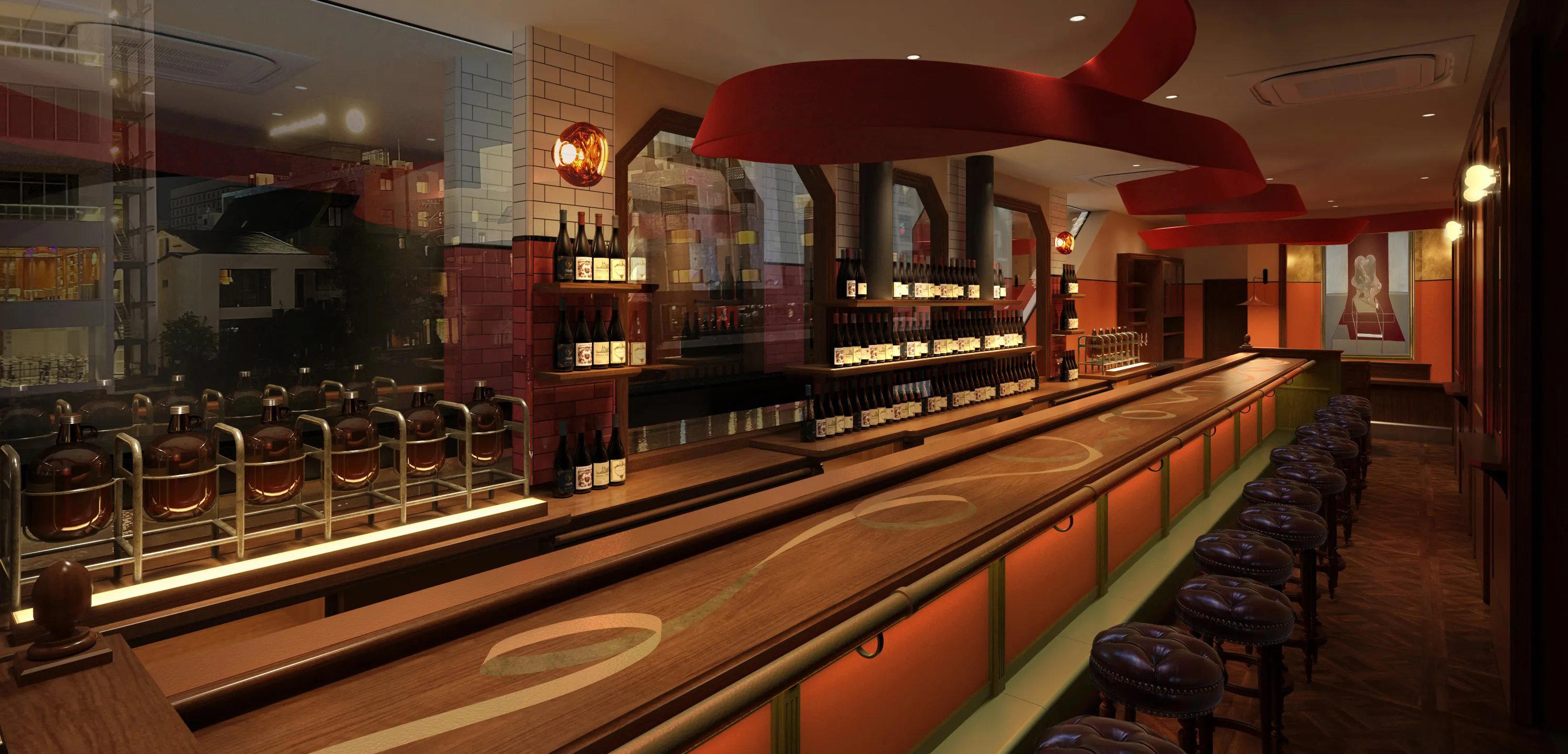
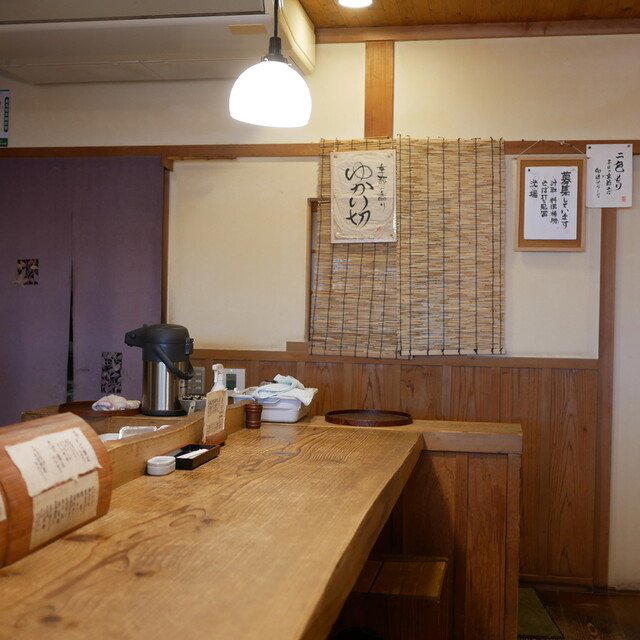
Bright, canteen-style dining room down an alley near Watanabe-dori Station, with a small mix of counter and table seating, a bustling atmosphere at peak times, and a homely everyday feel focused on enjoying fresh fish set meals.