
On the roof of the Mandarin Oriental on Passeig de Gràcia, Terrat brings the reach of Gastón Acurio's Peru-rooted kitchen to one of Barcelona's more commanding outdoor settings. The format shifts meaningfully between lunch and dinner, making the time of visit a genuine choice rather than a formality. For a city with many high-end rooftop options, the Peruvian-inflected menu gives it a distinct position.
Pearl is the En Primeur Club membership app — saves, bookings, and concierge access live there. Same editors, same standards.
- Address
- Pg. de Gràcia, 38-40, Eixample, 08007 Barcelona, Spain
- Phone
- +34 931 51 88 88
- Website
- mandarinoriental.com
- Directions
- Get directions
 Saves & bookings on Pearl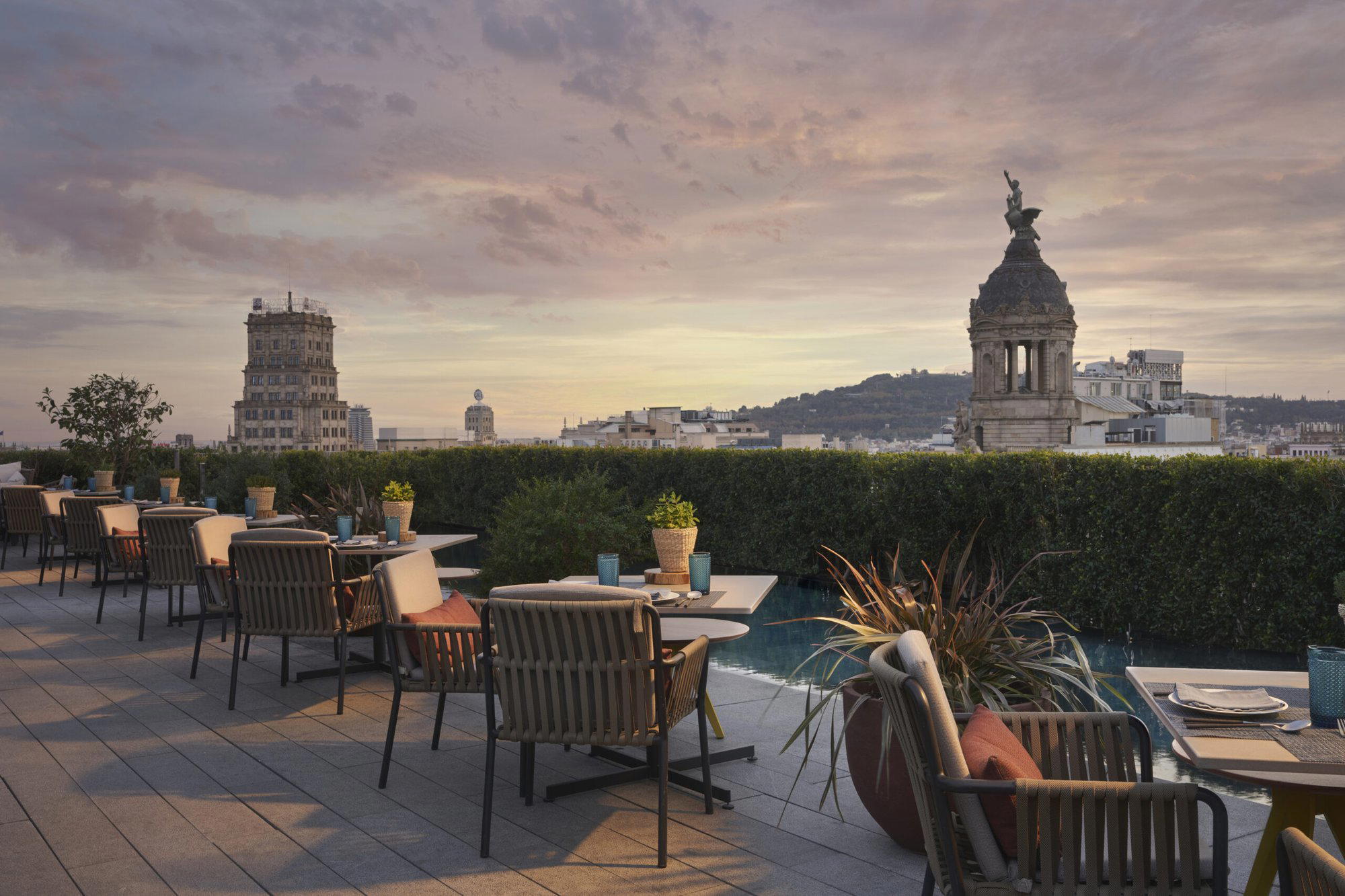
A Rooftop That Earns Its Elevation
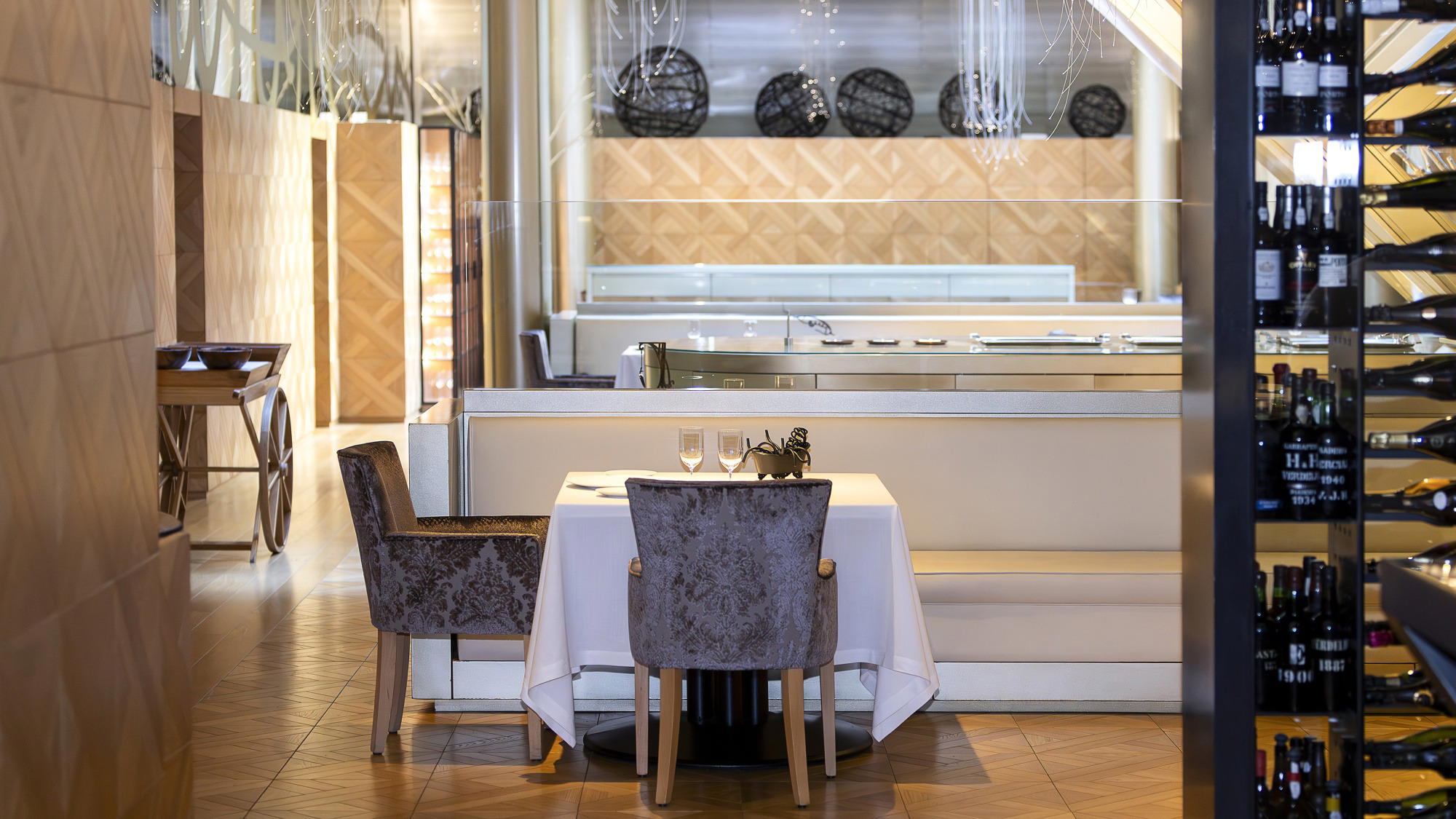
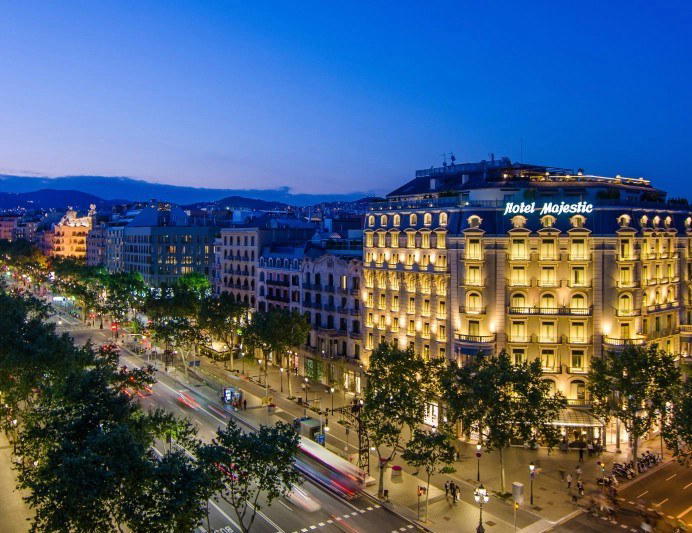
Passeig de Gràcia is Barcelona's most legible street of ambition: wide, tree-lined, flanked by Modernisme landmarks and the kind of hotel groups that treat their addresses as statements. The Mandarin Oriental occupies a mid-block position between Carrer d'Aragó and Carrer del Consell de Cent, and its rooftop restaurant, Terrat, sits above that intersection of money and architecture with views that take in the Eixample grid in close detail. What you notice first, arriving at the roof, is the scale: this is a contained space, not the vast terrace that the hotel's address might suggest. That compression works in its favour. The atmosphere tilts toward occasion-dining rather than casual poolside grazing, which sets the terms for everything that follows.
Where Gastón Acurio's Network Lands in Barcelona
Lima's culinary export story over the past two decades is one of the more consequential in global dining. Gastón Acurio built a network that now spans multiple continents, and Terrat sits within that network as the Barcelona outpost, carrying the Peruvian-inflected philosophy of his kitchen into a hotel rooftop format. That positioning matters for how you read the menu. The cooking here does not attempt to replicate the high-wire tasting sequences of Barcelona's own creative tier, which includes Disfrutar, Enigma, and Cocina Hermanos Torres. It operates in a different register: pleasure-forward, vegetable-generous, and rooted in the layered acid-and-heat logic of Peruvian technique applied to Mediterranean produce.
Acurio's influence is the thread that connects Terrat to a much wider conversation. His restaurants in Lima, and the broader nikkei and ceviche traditions his work helped codify internationally, are the intellectual background for what arrives at the table here. Understanding that lineage helps calibrate expectation. You are not eating at a showcase of Catalan creative cooking in the mode of Lasarte or ABaC; you are eating at a well-resourced international restaurant where the quality of execution and the coherence of the Peruvian reference points are the relevant measures.
Lunch vs. Dinner: The Divide That Defines the Visit
Lunch and dinner shape the visit differently at Terrat. At lunch, the Eixample sun reaches the terrace at an angle that makes the city's grid readable below you, and the mood is lighter, more transactional in the leading sense: good food, good light, a meal that fits inside a productive afternoon. The format at lunch tends toward a more contained offering, and the pace moves accordingly. It is a reasonable entry point for anyone who wants to assess the kitchen without committing to the full weight of an evening booking.
Dinner shifts the register significantly. The terrace reads differently once the light drops: the Modernisme facades on Passeig de Gràcia pick up ambient light in ways that the midday glare obscures, and the city below takes on a different texture. The menu at dinner typically extends in scope, and the experience orients more toward the total evening rather than a meal embedded in a working day. For the full version of what Terrat is attempting, dinner is the more complete argument. The practical implication is direct: if the rooftop experience is the primary draw, book dinner; if the kitchen is the primary interest and the setting is secondary context, lunch offers comparable access to the cooking with lighter commitment.
The rooftop format and Peruvian framing at Terrat occupy a different slot from the city's serious creative tasting menus. Disfrutar and Enigma are longer, more conceptually demanding evenings; Terrat is a different kind of pleasure, and the two are not in competition.
Barcelona's Rooftop Dining Context
Rooftop dining in Barcelona has expanded considerably over the past decade, and the category now runs from casual cocktail terraces to serious restaurant operations where the view is supporting detail rather than the whole proposition. Terrat belongs to the latter group. The Mandarin Oriental address and the Acurio affiliation both signal that this is a restaurant that happens to be on a roof, not a roof that happens to serve food. That distinction matters when comparing it against the broader hotel-terrace market in the city.
The Acurio Network in Global Context
Placing Terrat inside the wider Acurio operation helps locate it accurately. Acurio's influence on Peruvian cooking's international standing is documented across multiple decades and markets: his Lima flagship, Astrid y Gastón, anchored the credentialing of Peruvian cuisine in the global fine-dining conversation at a time when the cuisine had limited international representation. The network he built has taken different formats in different cities. Terrat in Barcelona is the hotel-rooftop format, which carries specific constraints and specific freedoms: the captive audience of hotel guests creates a different dining room dynamic than a standalone reservation-only restaurant, but the kitchen has the resources of a Mandarin Oriental property behind it.
Terrat is not competing in that category; it sits in a different tier, one where the international chef network and hotel-luxury format are the primary signals.
Planning a Visit
The rooftop format means the terrace is weather-dependent to a degree that an interior restaurant is not; visiting in the shoulder seasons of late spring or early autumn tends to produce particularly usable outdoor conditions without the peak-summer heat that can make a south-facing Barcelona rooftop uncomfortable at midday.
- Classic Ceviche
- Scallops
- Bao Anticuchero
- Beef Tataki
- Avocado and Crab Sushi
- Pisco Sour
Just the Basics
Comparable venues nearby, for context on price, style, and recognition.
| Venue | Cuisine | Price | Notes |
|---|---|---|---|
| Terrat @ Hotel Mandarin OrientalThis venue — the venue you are viewing | Not listed | $$$$ | Not listed |
| COYA Barcelona | Port Vell, Peruvian Fusion | $$$$ | Not listed |
| Winter Garden @ El Palace Hotel | Not listed | $$$$ | la Dreta de l'Eixample, Mediterranean Rooftop Dining |
| Torre d'Alta Mar | Port Vell, Modern Mediterranean Fusion | $$$$ | Not listed |
| Pakta | Not listed | $$$$ | Poble Sec, Nikkei (Peruvian-Japanese Fusion) |
| Me sabe a Perú | Not listed | $$ | el Camp de l'Arpa del Clot, Authentic Peruvian Home Cooking |
Recognition history
Dated appearances from independent guides and award organizations, with the underlying list record or original source where available.
We're Smart World 1 Radish
We're Smart World
Continue exploring
More in Barcelona
Restaurants in Barcelona
Browse all →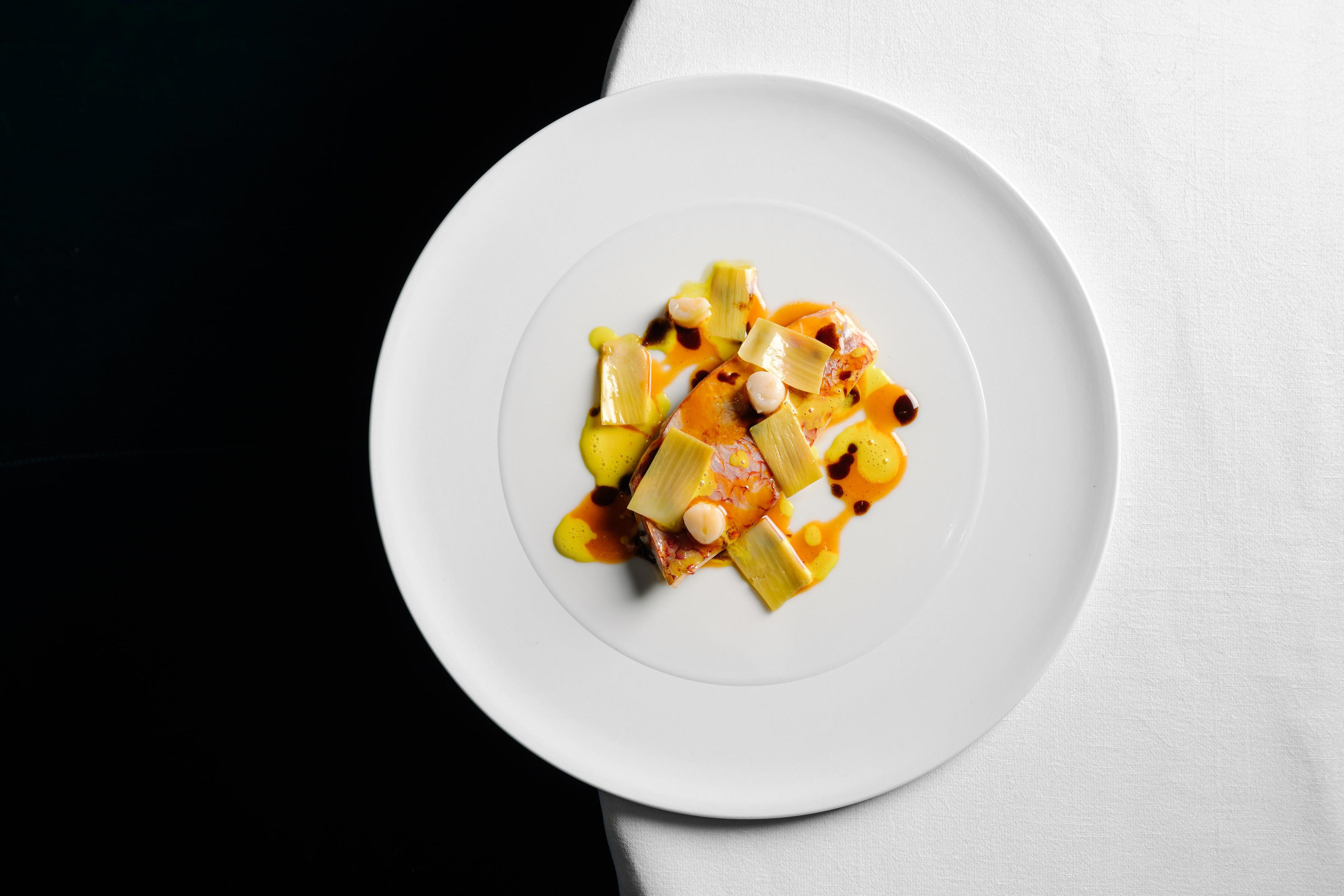
Bars in Barcelona
Browse all →
Hotels in Barcelona
Browse all →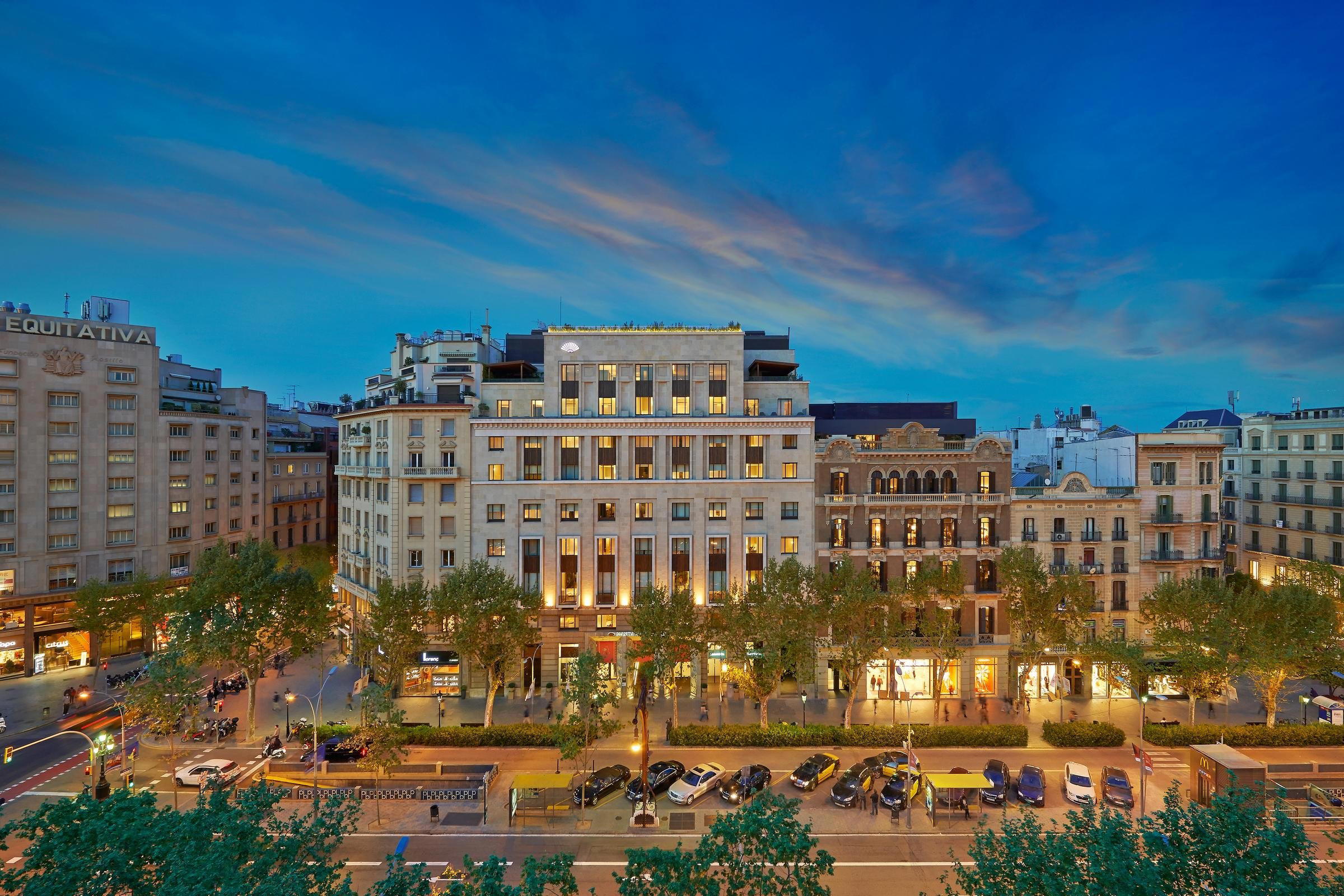
At a Glance
- Romantic
- Scenic
- Sophisticated
- Elegant
- Date Night
- Celebration
- Special Occasion
- Business Dinner
- Rooftop
- Panoramic View
- Live Music
- Terrace
- Hotel Restaurant
- Craft Cocktails
- Extensive Wine List
- Skyline
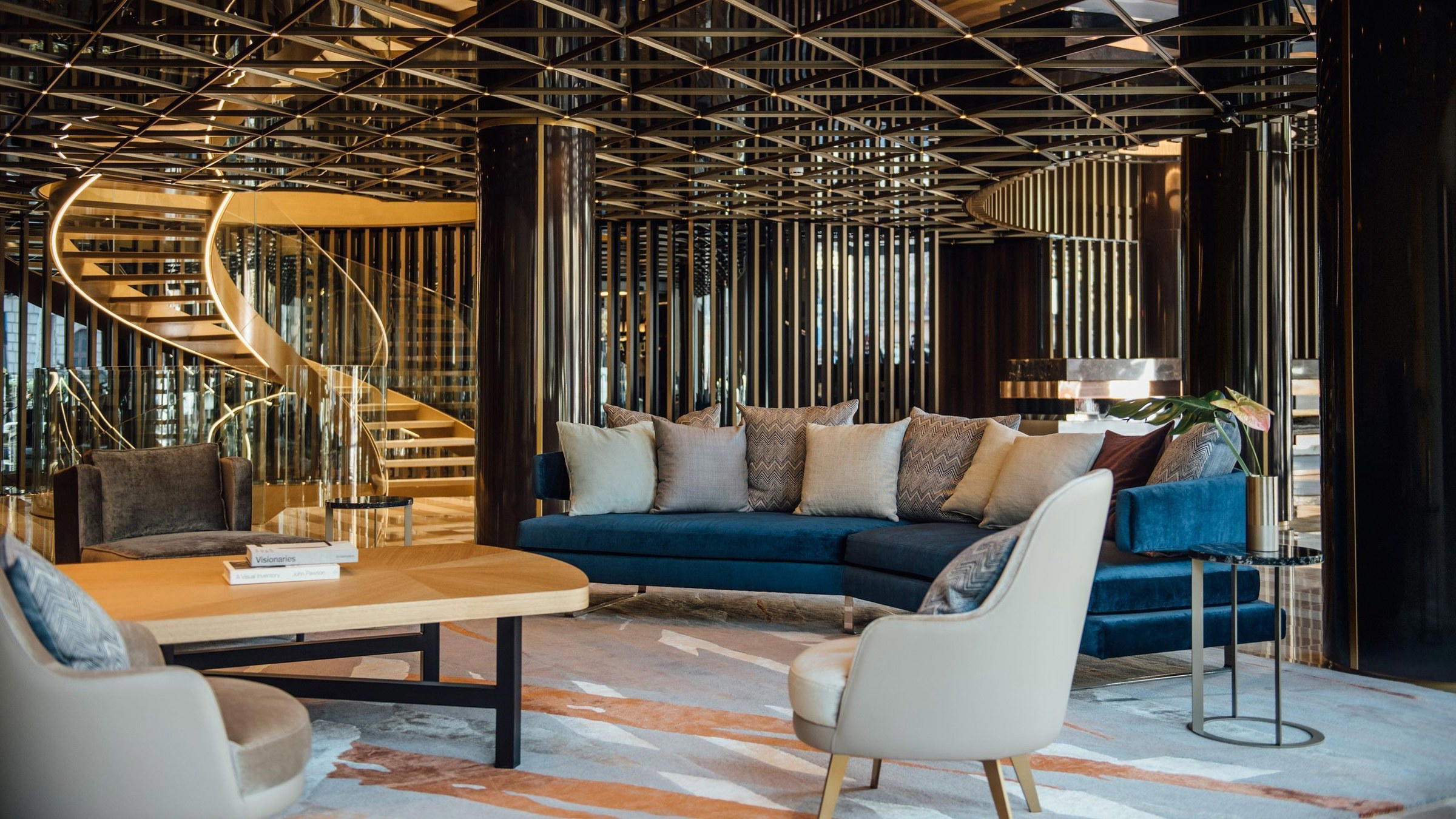
Sophisticated and upscale with elegant lounge seating, soft lighting, and a refined atmosphere enhanced by live music and sunset views over the city.