TERO - The Experience by Reif Othman



Michelin Plate · Star Wine List · Gault & Millau UAE Selected Restaurant
Our verdict
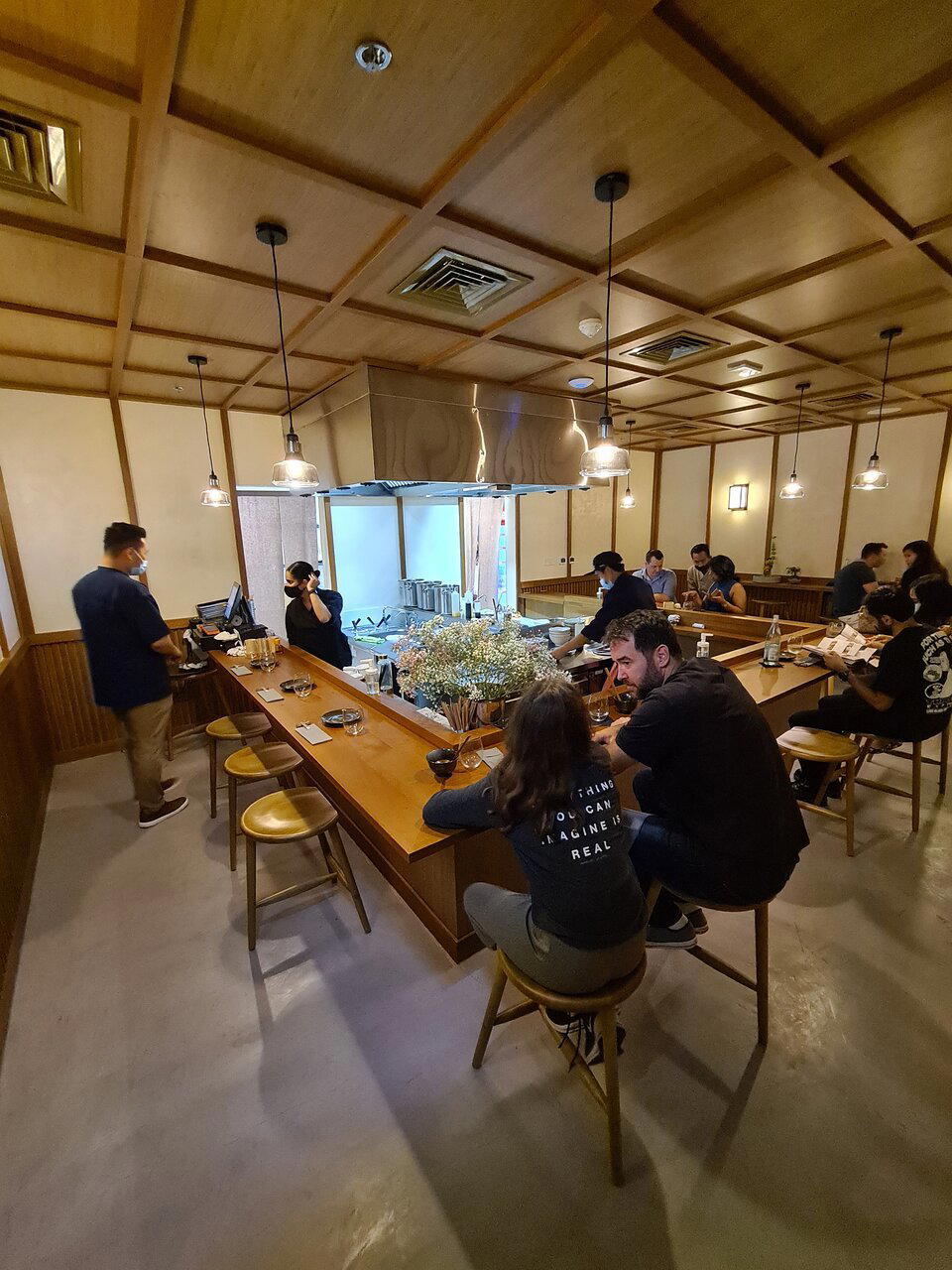
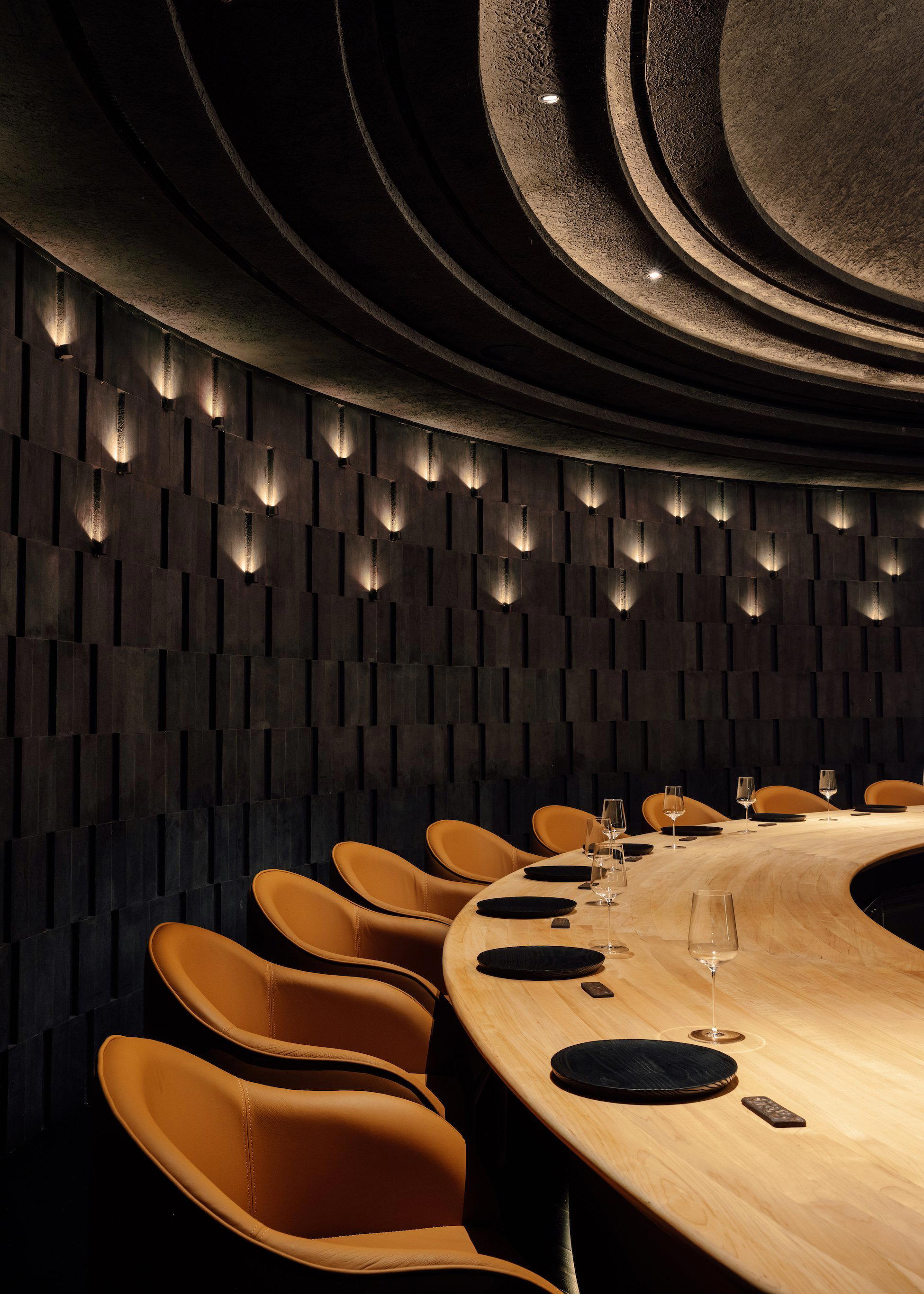
Accessed through the back door of Reif's Kushiyaki in Dubai Hills Business Park, TERO seats 12 guests at a U-shaped counter facing an open kitchen. An 8 or 12-course kaiseki format shifts monthly in theme, mixing modern Japanese technique with international influences. A 2025 Michelin Plate recognition and Star Wine List White Star place it among Dubai's most closely watched small-format restaurants.

Pearl is the En Primeur Club membership app, where members save venues, book tables and use the concierge.
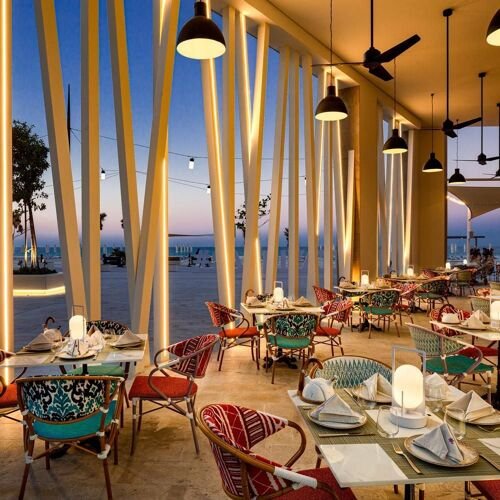
A Business Park, a Back Door, and a Counter That Seats Twelve
Dubai Hills Business Park is not where most diners expect to find one of the city's more closely watched tasting-menu formats. The address is functional: office buildings, service roads, the practical architecture of a district built for work rather than leisure. That context matters, because TERO operates inside it as a near-invisible proposition, accessible only through the back entrance of a separate dining concept on the same premises. The approach signals the format before a single course arrives: this is not a restaurant that courts passing foot traffic or relies on neighbourhood glamour. It earns its room through what happens at the counter.
That counter is a single U-shaped wooden table. Twelve seats. An open kitchen occupying the sight line in front of every guest. The physical arrangement is closer to a Japanese kappo or omakase room than to anything in Dubai's mainstream dining circuit, and that distinction shapes the entire experience. At this scale, the kitchen is not a backdrop, it is the room's primary event, and the distance between the chef's hands and the diner's plate is measured in feet rather than corridors.
The Format: Kaiseki Logic with a Monthly Variable
Intimate counter formats have become one of the more consequential structural shifts in premium dining globally. Where the large-scale tasting-menu restaurant once dominated the conversation, think the sprawling kitchens behind Alléno Paris au Pavillon Ledoyen or the theatrical scale of The Fat Duck in Bray, a smaller cohort of operators has moved toward formats where reduced capacity is itself the product. TERO belongs to that cohort. The 12-seat limit is not a constraint of the space; it is the premise of the offer.
The menu runs to either 8 or 12 courses depending on selection, structured around a kaiseki framework that changes its thematic anchor each month. Kaiseki, as a format, imposes a discipline on the kitchen: progression, seasonal logic, balance between textures and temperatures. Here, that discipline is applied to modern Japanese technique and extended with international reference points, producing a menu that does not sit cleanly inside traditional kaiseki orthodoxy but uses its architecture as a foundation. The monthly theme rotation means the menu at any given booking is specific to that moment, a structural choice that rewards return visits and gives regulars a reason to rebook rather than return to the same sequence.
Diners are actively encouraged to talk with the chef and service team throughout the meal. That is a deliberate format decision, not a hospitality nicety. At a 12-seat counter, the communal energy either fires or fails, and the entire construct depends on the room becoming conversational rather than reverential. It is a different social contract from the hushed formality of, say, Trèsind Studio or the spectacle-first energy of Row on 45. TERO's version of premium is warm rather than austere.
Recognition and Where It Places TERO in Dubai's Dining Order
Dubai's restaurant recognition landscape has matured considerably in the past five years. The city now carries Michelin Guide coverage, and the distinction between a Michelin Star, a Michelin Plate, and no recognition at all carries real competitive weight. TERO holds a Michelin Plate for 2025, a designation that signals the Guide's acknowledgement of quality cooking without the full star ranking. In a city where the guide is still relatively young, the Plate places TERO inside the recognised tier of serious kitchens without positioning it in direct competition with the city's starred operations.
The Star Wine List White Star, awarded in November 2024 and confirmed for 2025, adds a second credential that speaks specifically to the beverage program. Star Wine List's White Star designation is reserved for restaurants demonstrating meaningful wine curation rather than simply holding large cellars. For a 12-seat format without a listed phone number or standalone website, carrying two separate third-party recognitions represents a disproportionate ratio of credentials to seats, which is, in practical terms, what small-format dining is designed to achieve.
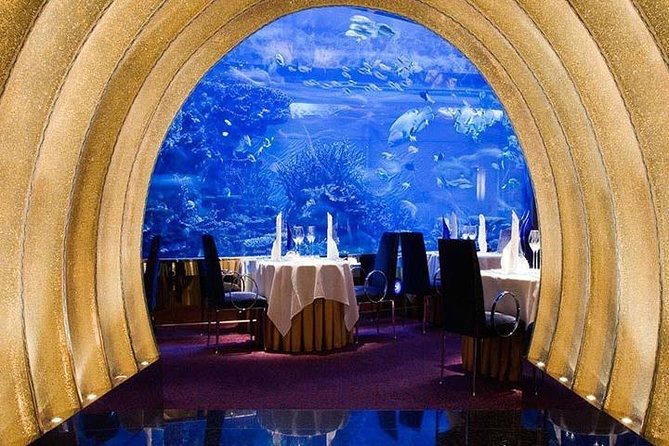
For context on how TERO sits within Dubai's wider creative-dining tier, the city's $$$$-bracket tasting menus now span formats ranging from the aquatic theatre of Ossiano to the modern Indian progression of Trèsind Studio. TERO's counter format and Japanese-led structure place it in a distinct sub-segment, more comparable internationally to intimate kaiseki or omakase rooms than to Dubai's more visually elaborate dining operations.
The Neighbourhood Question
Dubai Hills Business Park raises a legitimate question for any first-time visitor: why here? The answer is partly economic, a back-door counter format within an existing restaurant operation carries different real-estate logic than a freestanding restaurant in DIFC or Downtown, and partly deliberate. Removing the venue from a high-footfall location changes who finds it and how. The guest arriving at TERO has looked it up, made a reservation, and committed to the format. That self-selection shapes the room in ways that a walk-in-friendly address cannot replicate.
The contrast with Dubai's destination-dining precincts is worth holding in mind. Restaurants in DIFC or on the Palm operate inside an infrastructure of hotels, retail, and visitor flow that keeps rooms full by adjacency. TERO operates without that infrastructure. For reference, similarly intimate formats elsewhere in the UAE, including Erth in Abu Dhabi, demonstrate that location outside the main tourist precincts does not impede recognition when the cooking is strong enough.
TERO in Global Creative Context
The creative-dining category globally runs a wide spectrum. At the large-format end, kitchens like Quique Dacosta in Dénia, Cocina Hermanos Torres in Barcelona, or Steirereck im Stadtpark in Vienna serve larger tables with significant kitchen brigades behind them. At the intimate end, the 12-seat counter format, whether in Tokyo, New York, or Dubai, operates on different logic: the chef is visible, the progression is personalised, and the economics depend on price-per-head rather than covers-per-service. TERO's positioning reflects a global trend toward that second model, and its credentials suggest it is executing within the format's serious tier rather than using intimacy as a substitute for quality. Similarly ambitious creative formats can be found at Enrico Bartolini in Milan and JAN in Munich, though each operates at different scale and with different culinary anchors.
For readers building a fuller picture of Dubai's dining and hospitality options, EP Club maintains guides across categories: our full Dubai restaurants guide, our full Dubai bars guide, our full Dubai hotels guide, our full Dubai wineries guide, and our full Dubai experiences guide.
Planning Your Visit
| Detail | TERO | Trèsind Studio | Ossiano |
|---|---|---|---|
| Format | Counter omakase/kaiseki | Tasting menu, modern Indian | Tasting menu, seafood |
| Capacity | 12 seats | Small-format | Larger dining room |
| Price tier | $$$$ | $$$$ | $$$$ |
| Recognition (2025) | Michelin Plate, Star Wine List White Star | Michelin Star | Michelin Star |
| Location type | Business park, back-door access | Hotel, DIFC area | Atlantis The Palm |
With 12 seats and a monthly-rotating menu, advance booking is the operative requirement. The $$$$-tier price point aligns TERO with Dubai's upper-bracket tasting-menu cohort. For the broader range of dining options at various price points, see our full Dubai restaurants guide and the adjacent Moonrise listing for comparison on atmosphere and format.
Frequently asked questions
Is TERO - The Experience by Reif Othman good for families?
TERO seats just 12 guests at a U-shaped counter facing an open kitchen, with a format built around multi-course kaiseki progression and direct interaction with the chef and service team. That structure suits engaged adult diners far better than families with children. The $$$$ price range and 8 or 12-course commitment reinforce that this is a focused, adult-oriented evening rather than a flexible family meal.
Is TERO - The Experience by Reif Othman formal or casual?
The atmosphere sits closer to warm and conversational than to white-tablecloth formality. Diners are actively encouraged to talk with the chef and service team across the counter, which is atypical of rigid fine-dining protocol. The setting is intimate and the format immersive, but the Michelin Plate recognition and $$$$ pricing signal that guests should dress and arrive accordingly, this is not a casual drop-in.
Is TERO - The Experience by Reif Othman Michelin-listed?
TERO - The Experience by Reif Othman has received recognition including: TERO (The Experience by Reif Othman) is a restaurant in Dubai, United Arab Emirates. It was published on Star Wine List on November 13, 2024 and is a White Star.; Star Wine List #1 (2025); Michelin Plate (2025); Accessible through an entran….
What do regulars order at TERO - The Experience by Reif Othman?
TERO doesn't operate on a à la carte basis, so the question of 'what to order' resolves to which menu length to book: the 8-course or the 12-course kaiseki. Regulars who return monthly do so specifically because the menu changes theme each month, meaning the 12-course format offers the fullest view of Reif Othman's modern Japanese compositions with international influences for any given period. Star Wine List ranked TERO #1 in 2025, so the wine pairing is worth considering alongside whichever course count you choose.
What's the cuisine at TERO - The Experience by Reif Othman?
Recognition Snapshot
| Venue | Cuisine | Price | Awards | Notes |
|---|---|---|---|---|
| TERO - The Experience by Reif OthmanThis venue (the venue you are viewing) | Modern Fusion Chef's Table | $100–150 | Michelin Plate · Star Wine List | Not listed |
| 11 Woodfire | Modern Woodfire Grill | $150–200 | 1 Michelin Star · World's 50 Best #14 | Modern Cuisine |
| Avatara Restaurant | Modern Vegetarian Indian Fine Dining | Not listed | 1 Michelin Star · Gault & Millau UAE Selected Restaurant | Indian |
| Al Mahara | Modern Italian Seafood | $300–500 | Michelin Plate · World's 50 Best #31 | Seafood |
| Zuma | Modern Japanese Izakaya | $150–200 | Michelin Plate · World's 50 Best #34 | Japanese - Asian, Japanese, Japanese Contemporary |
| City Social | Modern European with Japanese influences | $150–200 | Michelin Plate · Star Wine List | Not listed |
Recognition history
Dated appearances from independent guides and award organizations, with the underlying list record or original source where available.
Michelin Plate
Michelin
Star Wine List
Star Wine List
Gault & Millau UAE Selected Restaurant
Gault & Millau · Gault & Millau UAE 2026 - Selected Restaurant
Full recognition history (5 entries)
Star Wine List
Star Wine List
Michelin Plate
Michelin