
Michelin Bib Gourmand
Our verdict
A family-run hotel-restaurant near the medieval village of Pigna in Liguria's far west, Terme holds consecutive Michelin Bib Gourmand awards for 2024 and 2025. The kitchen centres on rustic Ligurian cooking, with local specialities such as goats' meat and beans anchoring a menu that draws directly from the surrounding Nervia Valley. Price range sits at the single-euro tier, making it one of the more accessible Bib Gourmand addresses in northwest Italy.

Pearl is the En Primeur Club membership app, where members save venues, book tables and use the concierge.

Where the Nervia Valley Ends Up on the Plate
The road into Pigna climbs through terraced olive groves and chestnut woods before the village appears above the Nervia Valley in Liguria's western interior. Terme sits just outside the medieval core, at Località Madonna Assunta, and the dining room carries the same register as its surroundings: simple, unhurried, built for the food rather than the setting. There are no design gestures here, no ambient soundtrack selected by a hospitality consultant. What you get instead is a room oriented entirely around a kitchen that has earned consecutive Michelin Bib Gourmand recognition in 2024 and 2025, the guide's signal for notable quality at a price that doesn't require justification.
That distinction places Terme in a specific and interesting position within Italian dining. While much of the country's Michelin attention gravitates toward technically ambitious addresses, Osteria Francescana in Modena, Enrico Bartolini in Milan, Enoteca Pinchiorri in Florence, the Bib Gourmand category operates on a different logic entirely. It rewards cooking that is honest and regionally grounded, delivered without the overhead of a tasting-menu format or a brigade scaled for multi-course elaboration. Terme's single-euro price tier reinforces that point. This is not the entry level of fine dining; it is a different thing altogether.
Ligurian Cooking and Where It Comes From
Liguria has always produced a cuisine shaped by scarcity and altitude as much as by the coast. The western interior, where Pigna sits, sits far from the fishing ports and holiday restaurants of the Riviera. The cooking here draws on the hills rather than the sea: chestnuts, foraged herbs, dried pulses, cured meats, and animals raised on rough pasture. Goats have been kept in these valleys for centuries, and the combination of goats' meat with beans, the local speciality highlighted in Terme's Michelin citation, is precisely the kind of dish that accumulates meaning over generations rather than being assembled from a recipe.
That dish tells you something important about ingredient sourcing at this level of regional Italian cooking. The beans are not a garnish or a textural counterpoint imported from elsewhere; they are a staple of the valley's agricultural economy, the kind of legume that survives a Ligurian winter and feeds a family through spring. The goat is the animal that thrives on the scrubby terrain above the village. When a kitchen like this produces a dish that pairs them, it is less a culinary choice than a geographic one, the menu is, in a functional sense, a map of what grows and grazes within reach.
Chef Sebastien Salomon operates within this tradition, and the family-run structure of the restaurant reinforces rather than limits it. Family restaurants in rural Liguria typically maintain tighter sourcing relationships than larger operations simply because the scale demands it: you know your suppliers because they are often your neighbours, your relatives, or the same farmers your family has bought from for decades. The cuisine at Terme reflects that kind of embedded procurement, rustic not as an aesthetic position but as a description of actual practice.
For broader context on how Ligurian cooking sits within northwest Italy's dining identity, our Vescovado in Noli and Bagatto in Loano profiles map the coastal end of the same regional tradition, while addresses like Dal Pescatore in Runate, Le Calandre in Rubano, and Quattro Passi in Marina del Cantone show how Italy's mid-tier regional cooking reaches toward formality at the other end of the price spectrum.
The Room and What It Signals
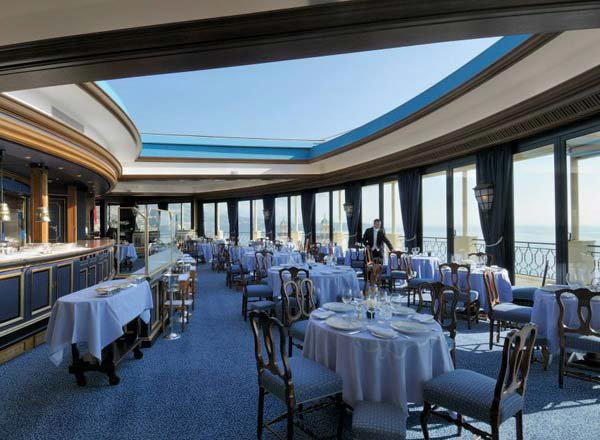
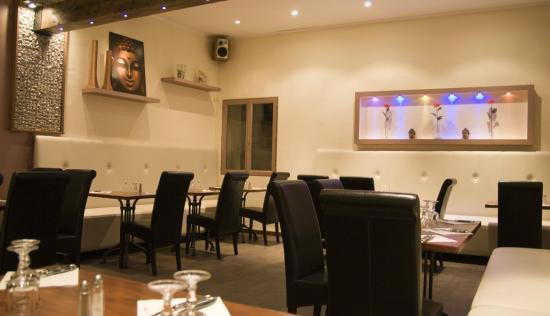
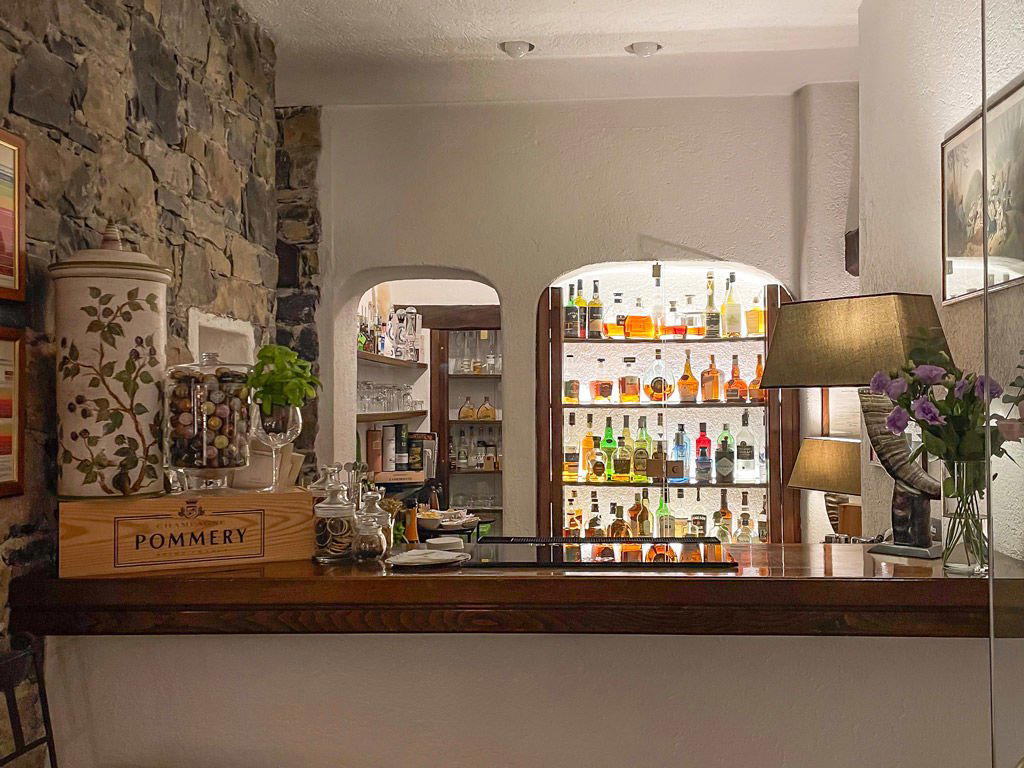
The dining room at Terme is described in Michelin's own notes as simple and classic in style, and that framing is deliberate. Across Italy, a wave of rural restaurants have self-consciously aestheticised rusticity, reclaimed wood, rough plaster, artfully incomplete joinery, as a way of signalling authenticity while charging accordingly. Terme sits outside that movement. The simplicity here is not a design language; it is just how the room is, and has been.
That drive matters as a logistical consideration. Pigna is not on a convenient transit route, and the western Ligurian interior is genuinely remote by Italian standards. Reaching Terme requires commitment: the nearest large town is Ventimiglia on the coast, roughly 25 kilometres south, and the road climbs through a series of switchbacks. The reward is a valley that sees far fewer visitors than the Cinque Terre or the Riviera towns, and a restaurant that operates at a pace set by that remoteness rather than by the pressures of tourist throughput. Booking ahead is advisable, particularly in summer and on weekends, when the combination of Italian domestic tourism and visitors from across the nearby French border increases demand significantly.
Placing Terme in Pigna's Dining Scene
Pigna's restaurant options are limited by the village's size, which makes the quality of what does exist more significant. A Mandria di Pigna, which covers Corsican cooking, represents the other main dining reference in the village and offers a useful comparison: both kitchens work with the same valley geography but approach it through different cultural lenses, one Ligurian and one reflecting Corsican pastoral traditions. For visitors planning a broader stay in the area, our full Pigna restaurants guide covers the complete picture, alongside guides for hotels, bars, wineries, and experiences in and around the village.
Further afield on the Ligurian-Alpine arc, Atelier Moessmer Norbert Niederkofler in Brunico and Piazza Duomo in Alba represent the formal high end of mountain-adjacent Italian cooking, the comparison is instructive precisely because it shows how much ground separates a Bib Gourmand address operating on honest rural terms from the investment-grade dining circuit. Both are valid, but they answer different questions about what you want from a meal. Reale in Castel di Sangro offers another point of reference: a remote Italian address that became a destination in its own right, demonstrating what rural location can mean for dining when the food is serious enough to justify the journey. Terme asks for the same commitment but returns something closer to the grain of everyday life in this corner of the Italian northwest, which is, depending on your priorities, the more valuable thing.
Planning Your Visit
Terme operates as a hotel-restaurant, meaning the option to stay overnight removes the pressure of timing a return drive down the valley after dinner, a practical advantage worth considering if you are travelling from the coast or from across the French border.
Frequently asked questions
Is Terme child-friendly?
The simple, classic-style dining room and rustic Ligurian cooking at Terme suit a relaxed family meal. As a family-run hotel-restaurant in Pigna, the atmosphere leans informal rather than formal, which tends to work well for younger diners.
What is the atmosphere like at Terme?
Michelin's own notes describe the dining room as simple and classic in style, and that carries through to the overall tone: unhurried, local in character, and without theatrical flourish. Terme sits in Pigna, a small village above the Nervia Valley in western Liguria, and the room reflects the pace of its surroundings. Two consecutive Bib Gourmand awards (2024 and 2025) confirm the kitchen's consistency, not the decor's ambition.
What distinctions does Terme have?
Terme has received recognition including: Not far from the picturesque village of Pigna, this family-run hotel-restaurant has a simple, classic-style dining room where the main focus is on the equally simple and rustic cuisine, including the dish of goats’ meat and beans, a local s….
What do regulars order at Terme?
The dish Michelin singles out is goat meat and beans, cited as a local speciality and central to what makes the kitchen worth the drive up to Pigna. The broader menu follows the same logic: simple, rustic Ligurian cooking shaped by the ingredients of the western interior. That two consecutive Bib Gourmand recognitions have been tied to this approach suggests the kitchen holds its line rather than chasing seasonal reinvention.
Budget and Context
| Venue | Cuisine | Price | Awards | Notes |
|---|---|---|---|---|
| TermeThis venue (the venue you are viewing) | Ligurian Trattoria | $30–50 | Michelin Bib Gourmand | Not listed |
| Atelier Moessmer Norbert Niederkofler | Modern Alpine Fine Dining | $300–500 | 3 Michelin Stars · World's 50 Best #20 | Italian, Creative |
| Dal Pescatore | Classic Italian Fine Dining | $200–300 | 3 Michelin Stars · World's 50 Best #38 | Italian, Italian Contemporary |
| Enoteca Pinchiorri | Contemporary Italian Fine Dining | $200–300 | 3 Michelin Stars · World's 50 Best #32 | Italian - French, Italian Contemporary |
| Enrico Bartolini | Modern Italian Fine Dining | $300–500 | 3 Michelin Stars · World's 50 Best #85 | Creative |
| Osteria Francescana | Avant-Garde Italian Contemporary | $300–500 | 3 Michelin Stars · World's 50 Best #1 | Progressive Italian, Creative |
Recognition history
Dated appearances from independent guides and award organizations, with the underlying list record or original source where available.
Michelin Bib Gourmand
Michelin
Full recognition history (3 entries)
Michelin Bib Gourmand
Michelin
Michelin Bib Gourmand
Michelin
Continue exploring
More in Pigna
Restaurants in Pigna
All restaurants in Pigna →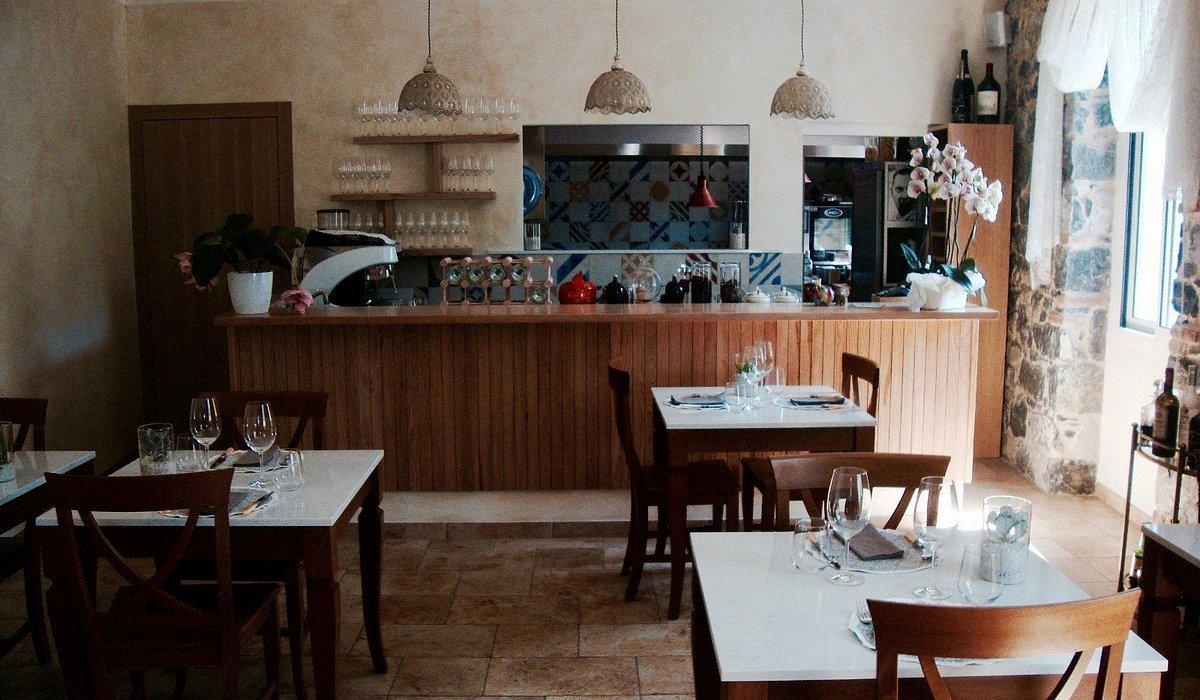
Bars in Pigna
Browse all →

Details
- Rustic
- Romantic
- Scenic
- Date Night
- Special Occasion
- Terrace
- Mountain
- A La Carte
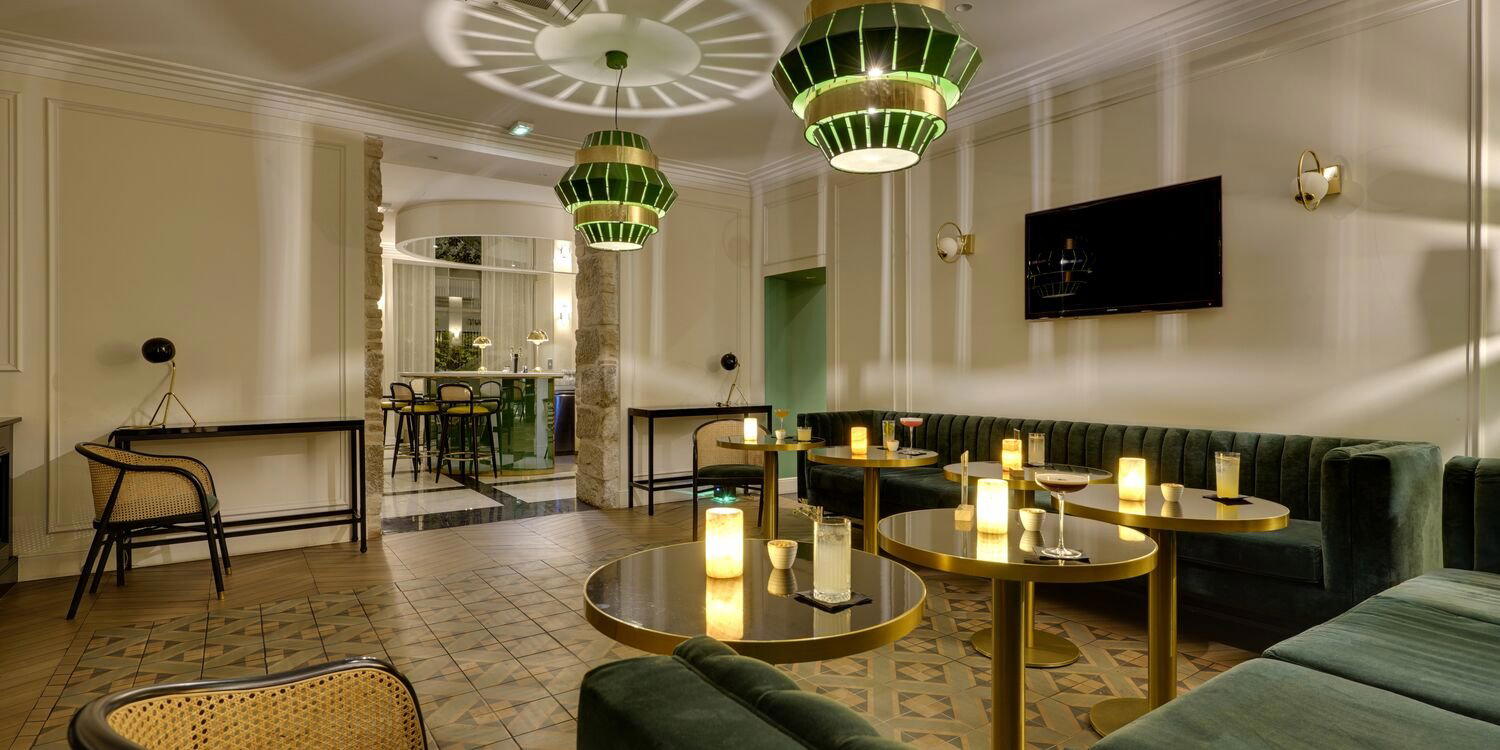
Simple classic dining room with romantic ambiance enhanced by terrace views.