
Tabelog 100 #96
Our verdict
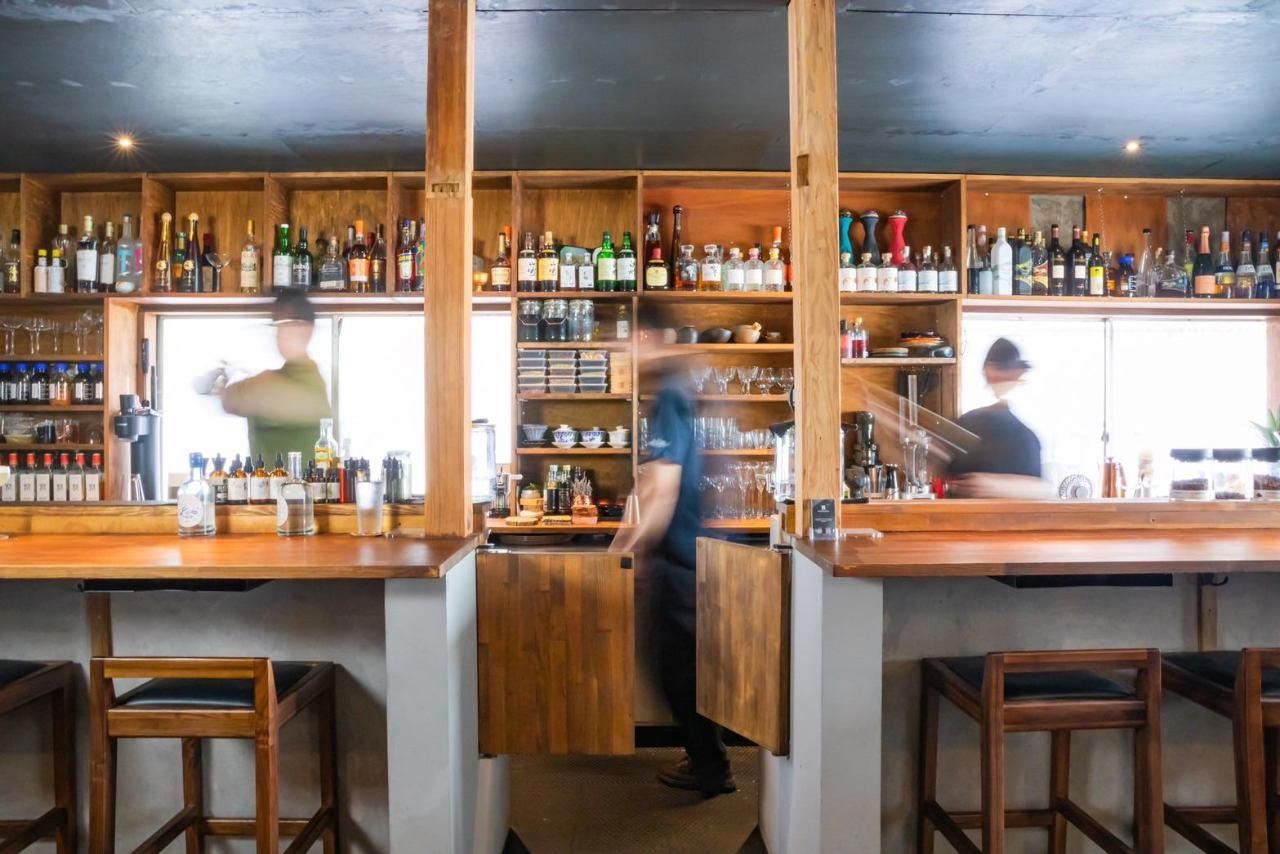
Tempura Tanaka places Fukuoka’s tempura tradition in a tight counter format, with an eight-seat room, reservation-only service, and a 2025 Tabelog 100 Tempura selection giving it national context. The appeal is less spectacle than concentration: seafood-led tempura, Japanese cuisine discipline, and a drink program that spans sake, shochu, wine, and cocktails.

Pearl is the En Primeur Club membership app, where members save venues, book tables and use the concierge.
The menu
What to order
- Seasonal tempura omakase course
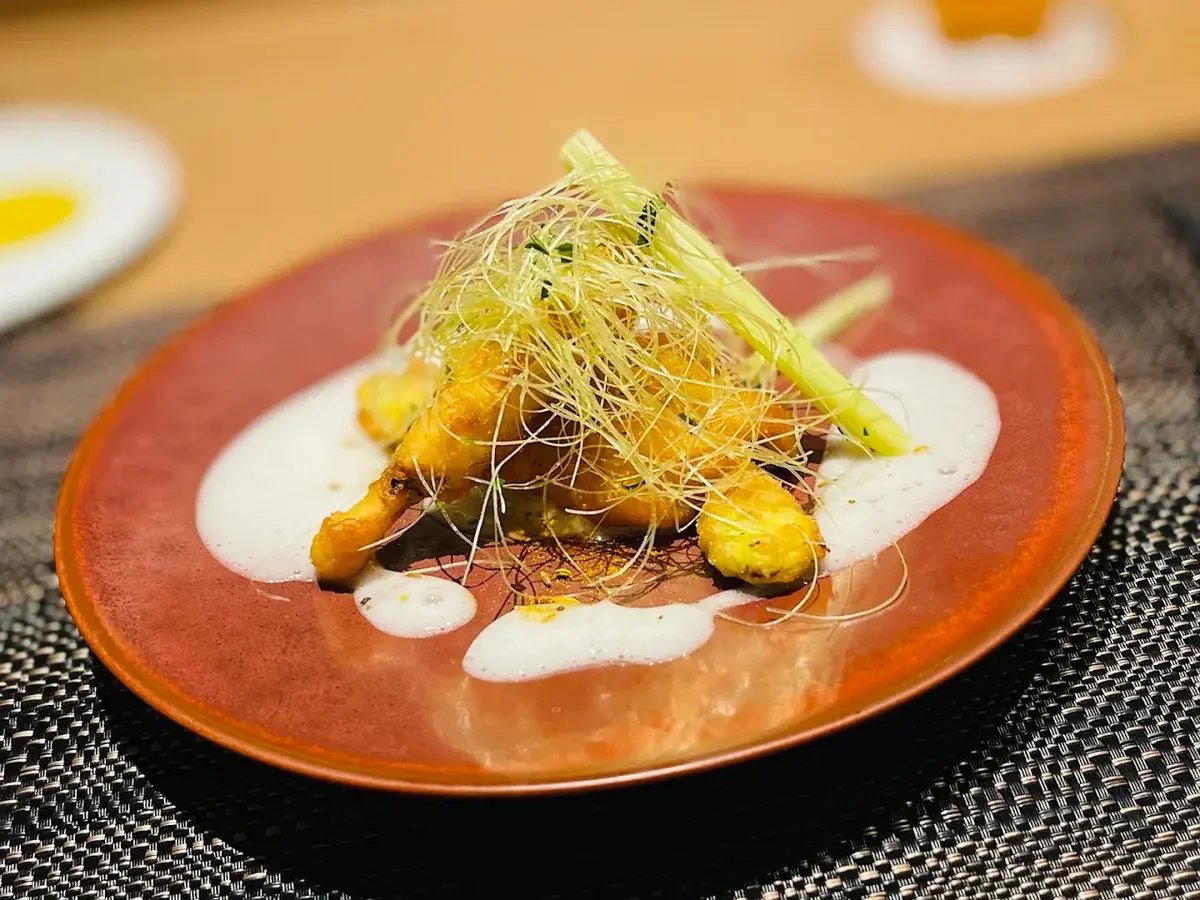
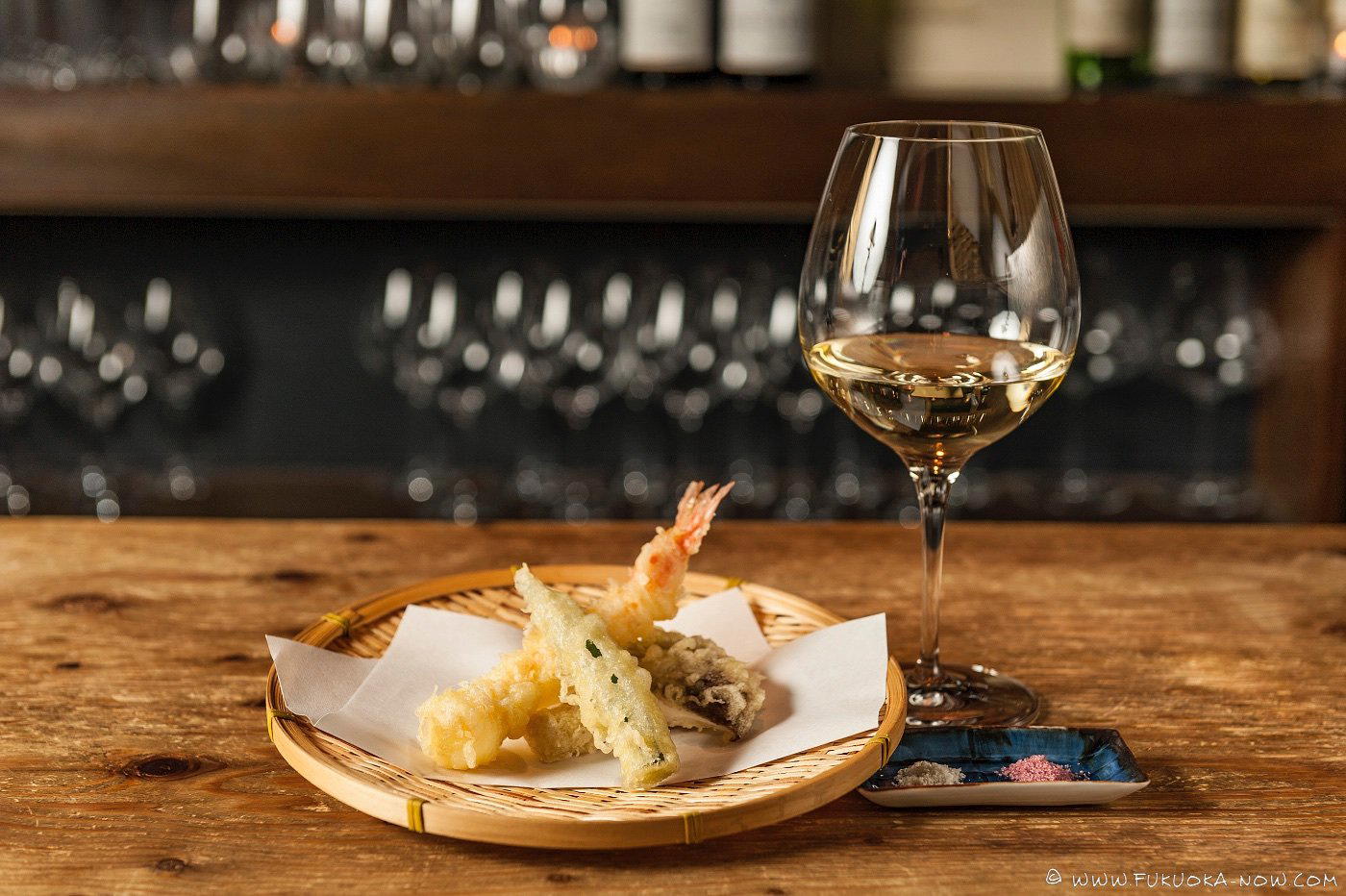
- Tempura shrimp
- Seasonal vegetable tempura
- Chawanmushi with seasonal seafood
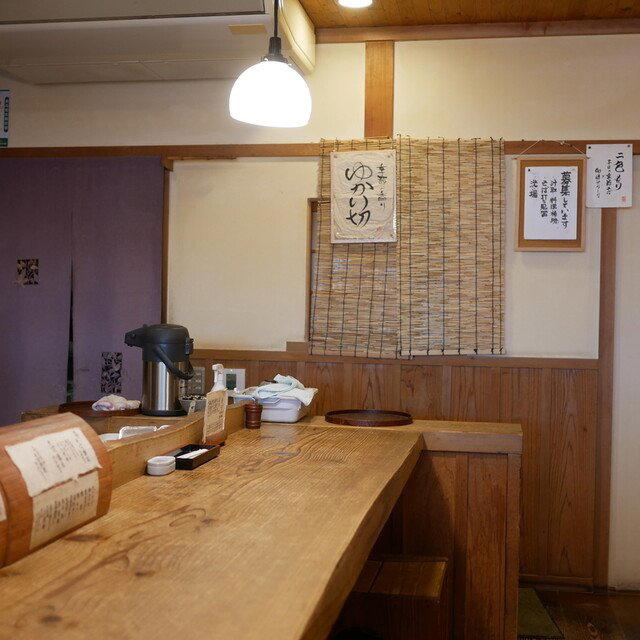
The room tells the story before the first course arrives: a focused setting, a small audience, and the quiet choreography often associated with serious tempura in Japan. Fukuoka is often discussed through ramen, market seafood, and late-night drinking, but its higher-end dining culture also rewards formats where timing is the meal. Tempura belongs to that category. Batter, oil temperature, seafood quality, and pacing leave little room for distraction, so a focused meal becomes a statement of intent rather than a design flourish.
In that context, Tempura Tanaka sits in a narrower Fukuoka bracket than casual fried-food counters or broad Japanese restaurants. The cooking is centered on tempura and Japanese cuisine, and the restaurant was selected for Tabelog Hyakumeiten Tempura in 2025. That recognition matters because tempura is a national field with deep specialist tradition; a Fukuoka address entering that conversation signals a room being judged against category peers, not general-purpose fine dining.
A counter built for timing, not theatre
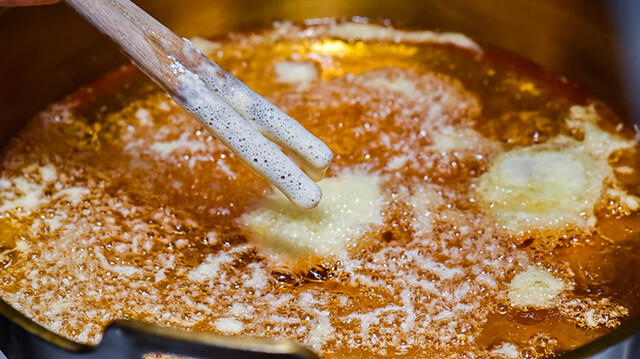
Tempura is unforgiving because it looks simple from the dining side. A piece leaves the oil, reaches the diner, and has a short window in which texture, heat, and seasoning align. The appeal of serious tempura is often in reducing the distance between cooking and eating, which is why the genre can feel more like a workshop than a restaurant built for lingered conversation. Here, the appeal is scaled around control: fewer distractions, fewer interruptions, and a service tempo that gives the fryer’s timing real consequence.
Fukuoka’s restaurant culture is particularly good at this kind of intimacy. The city’s dining rooms often trade grand architectural drama for proximity, whether in sushi, yakitori, kappo, or tempura. Compared with Chikamatsu in sushi or Yakitori Mako in grilled chicken, this address belongs to the same broader specialist logic: one craft, limited distraction, and a price tier that filters the occasion. Tempura Tenko offers a useful local comparison for how Fukuoka supports serious tempura without needing the scale or ceremony associated with larger metropolitan dining rooms.
The sensory appeal of this genre is not volume; it is sequence. A tempura meal is built from small shifts in sound and temperature: oil activity, the pause before serving, the difference between courses, the way drinks can reset the palate rather than dominate the table. The listed categories of tempura and Japanese cuisine give the meal a clear logic in a city where focused dining is part of the broader food identity. The format also reflects a contemporary Japanese pattern: specialist dining can feel exacting without needing to announce itself loudly.
Why the 2025 Tabelog 100 selection matters in Fukuoka
Tabelog’s Hyakumeiten lists are useful because they separate category recognition from general popularity. A 2025 selection in Tempura places the restaurant inside a defined national category rather than a loose city ranking. For travelers, that is a cleaner signal than broad acclaim: the question is not whether Fukuoka has good restaurants, but where a specific craft has been recognized at a level that justifies planning around it.
The distinction matters in a city with many competing food narratives. Fukuoka’s casual strength can obscure its controlled, technique-led dining. Visitors often build trips around ramen, yatai culture, hot pots, and seafood-focused casual meals, then treat fine dining as an optional add-on. A tempura-focused restaurant changes that order of priorities. It is not a substitute for the city’s street-level pleasures; it is the quieter counterweight, where Japanese technique is compressed into a setting that rewards attention.
That makes the restaurant useful for a certain kind of itinerary. It suits diners who want one controlled, category-specific meal rather than another broad survey of Japanese cuisine. It also works for travelers who prefer focused dining rooms over larger, more diffuse settings. In specialist tempura, the point is observation: the frying, the pacing, and the plate-by-plate progression.
How to place it within a Fukuoka food itinerary
A strong Fukuoka trip should not flatten the city into one genre. Tempura Tanaka belongs on the refined end of the spectrum, while other citywide choices can show the range around it. For broader planning, start with Our full Fukuoka restaurants guide, then contrast specialist dining with other Fukuoka dining rooms across everyday frying, curry, izakaya-style eating, and more casual Japanese meals. Those options point to a city where precision dining and everyday pleasure can all sit within a short trip.
Travel planning around dinner should account for the wider city, not just the meal. Pair restaurant research with Our full Fukuoka hotels guide, Our full Fukuoka bars guide, Our full Fukuoka wineries guide, and Our full Fukuoka experiences guide to avoid treating a reservation as the whole evening. For a broader Japan and overseas dining map, compare the category spread with other restaurants and bars in major cities, where tightly focused specialists, casual venues, and international dining rooms create very different kinds of planning decisions.
The critical read is clear: this is a focused tempura restaurant for diners who care about timing, quiet, and category focus. In Fukuoka, where louder food stories often dominate travel planning, that restraint is the point. The draw is not novelty; it is a disciplined room applying a demanding Japanese form at a scale where every course has to justify its place.
Frequently asked questions
What's the pricing like at Tempura Tanaka?
Pricing at Tempura Tanaka is listed as Dinner: JPY 15,000 - JPY 19,999; Lunch: JPY 10,000 - JPY 14,999.
Where exactly is Tempura Tanaka?
Fukuoka.
Do they take walk-ins at Tempura Tanaka?
For current availability at Tempura Tanaka, call the restaurant directly at +81-92-713-5725. In a focused tempura setting, timing is worth confirming before you go.
What do critics highlight about Tempura Tanaka?
The main signal is the 2025 Tabelog Hyakumeiten Tempura selection, which puts it in a category-recognition shortlist rather than a broad popularity contest. The listing also identifies Tempura Tanaka with tempura and Japanese cuisine, with a Tabelog score of 3.81.
At-a-Glance Comparison
Comparable venues at a glance for context.
| Venue | Cuisine | Price | Awards | Notes |
|---|---|---|---|---|
| Tempura TanakaThis venue (the venue you are viewing) | Tempura Omakase Counter | $100–150 | Tabelog 100 #96 | Not listed |
| 鮨おさむ | Traditional Japanese Omakase Sushi | $150–200 | Tabelog Bronze #342 | Takamiya |
| あ三五 | Authentic Sarashina Soba | $50–100 | Tabelog Bronze #29 | Chūō |
| Teppanyaki Akatsuki | Teppanyaki & Wagyu Steakhouse | $50–100 | Tabelog 100 #60 | Chūō |
| Kamo to Negi Yodomizu Nigyo | Duck shabu-shabu (Japanese hotpot) | $30–50 | Tabelog 100 #83 | Chūō |
| Kego Furuya | Yakitori Omakase & Seasonal Japanese Cuisine | $50–100 | Tabelog 100 #26 | Chūō |
Recognition history
Dated appearances from independent guides and award organizations, with the underlying list record or original source where available.
Tabelog 100 #96 · No. 96
Tabelog · Tabelog 100 - Tempura - 2025
Continue exploring
More in Fukuoka
Restaurants in Fukuoka
All restaurants in Fukuoka →
Details
- Intimate
- Elegant
- Sophisticated
- Cozy
- Special Occasion
- Date Night
- Celebration
- Business Dinner
- Solo
- Chefs Counter
- Open Kitchen
- Standalone
- Design Destination
- Sake Program
- Local Sourcing
- Farm To Table
- Tasting Menu
- Omakase
- Counter Dining
- Set Menu
- Sake
- Shochu
- Beer
- Pescatarian Friendly
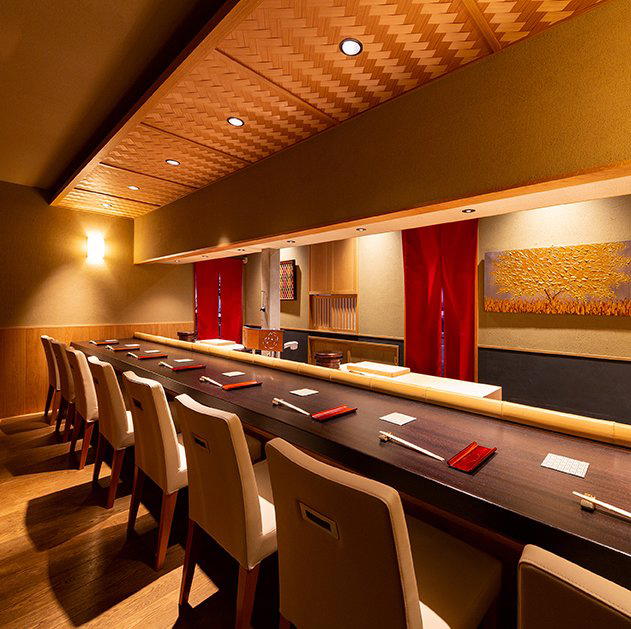
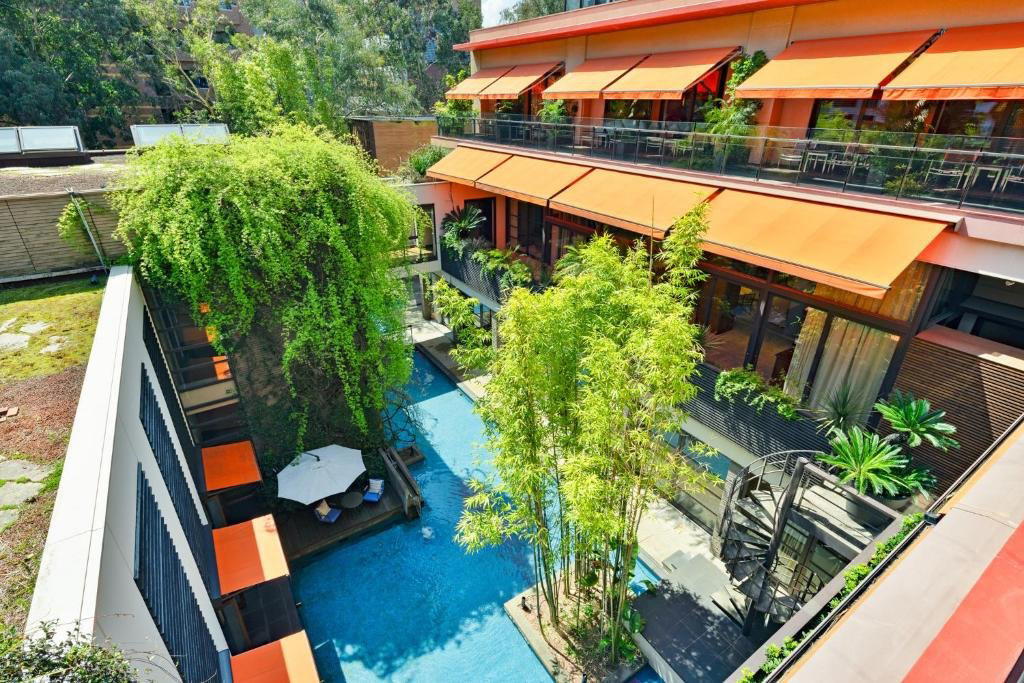
An intimate 8-seat counter-only space where guests sit close to the fry station, hearing the crisp sound of tempura oil and smelling the aromas as each piece is prepared to order; the mood is refined yet warm, designed for focused, sensory dining and special occasions.