Tattu Birmingham
Our verdict
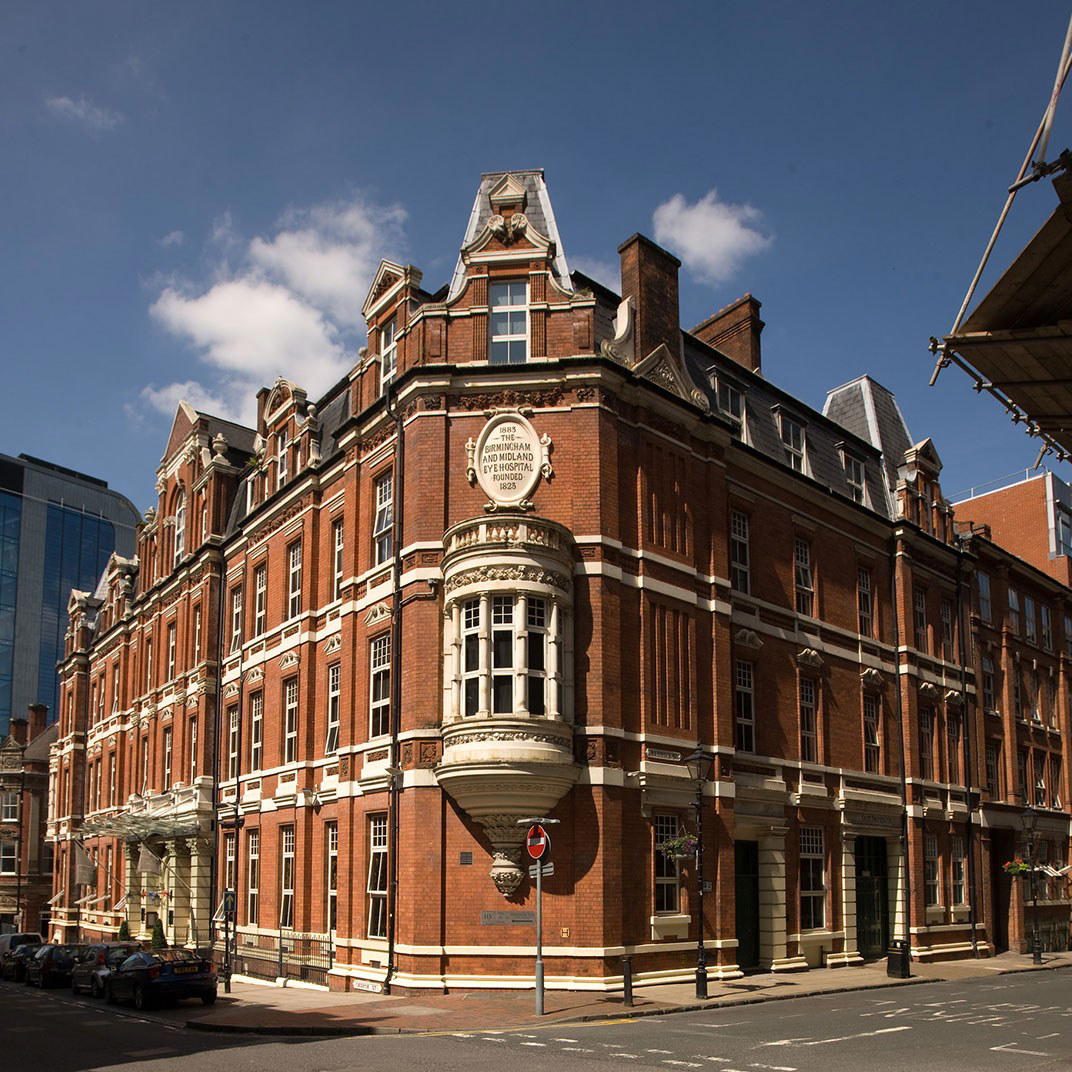
Tattu Birmingham brings Chinese-inspired design dining to the city's professional quarter on Barwick Street, positioning itself firmly in the occasion-dining tier where atmosphere carries as much weight as the food. The dramatic interior and cocktail program make it a natural anchor for milestone celebrations, corporate dinners, and group occasions across Birmingham's increasingly competitive restaurant scene.

Pearl is the En Primeur Club membership app, where members save venues, book tables and use the concierge.
The menu
What to order
- Wok-Fired Angry Bird
- Shanghai Black Cod
- Wagyu Dumplings
- Cherry Blossom
Where Occasion Dining Lives in Birmingham
Birmingham's restaurant scene has matured considerably over the past decade, separating into distinct tiers that serve different purposes. At one end sit the Michelin-chasing tasting-menu rooms: Opheem, Adam's, and Simpsons all occupy serious fine-dining territory with the awards and price points to match. At the other end, accessible neighbourhood restaurants like Bayonet and creative independents like 670 Grams reward curiosity over ceremony. Between these poles sits a category defined less by culinary ambition and more by occasion: restaurants built for the milestone meal, the corporate entertainment, the birthday that needs more than a table and a tasting menu. Tattu Birmingham occupies that middle ground with considerable conviction.
The Barwick Street address places it squarely in Birmingham's professional core, a short distance from the central business district and the kind of companies whose entertainment budgets sustain exactly this type of restaurant. That geography is not incidental. Occasion-dining restaurants depend on footfall from people who need a venue to do some work: marking a promotion, closing a deal, celebrating a birthday with a group that skews closer to Instagram than to Michelin guides. The neighbourhood delivers that audience reliably.
The Room as the First Statement
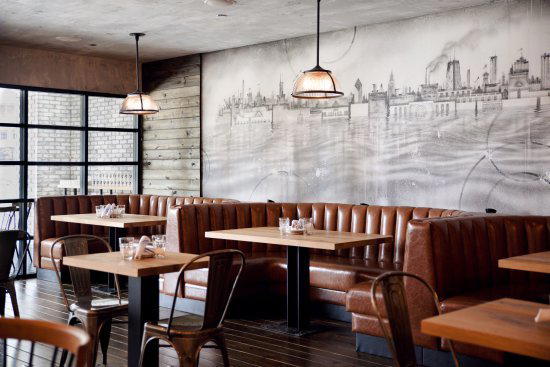
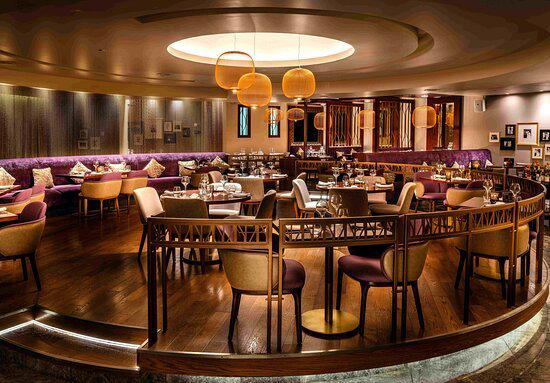
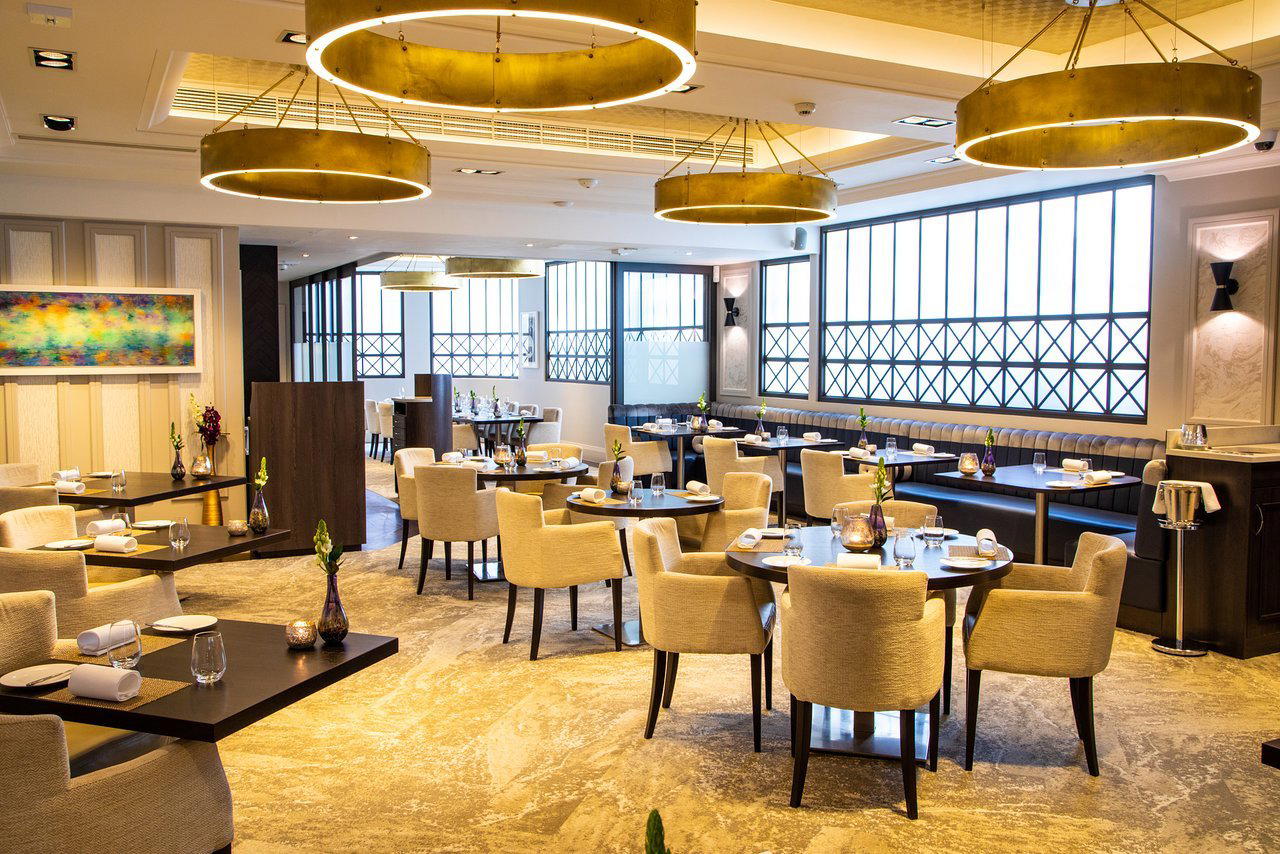
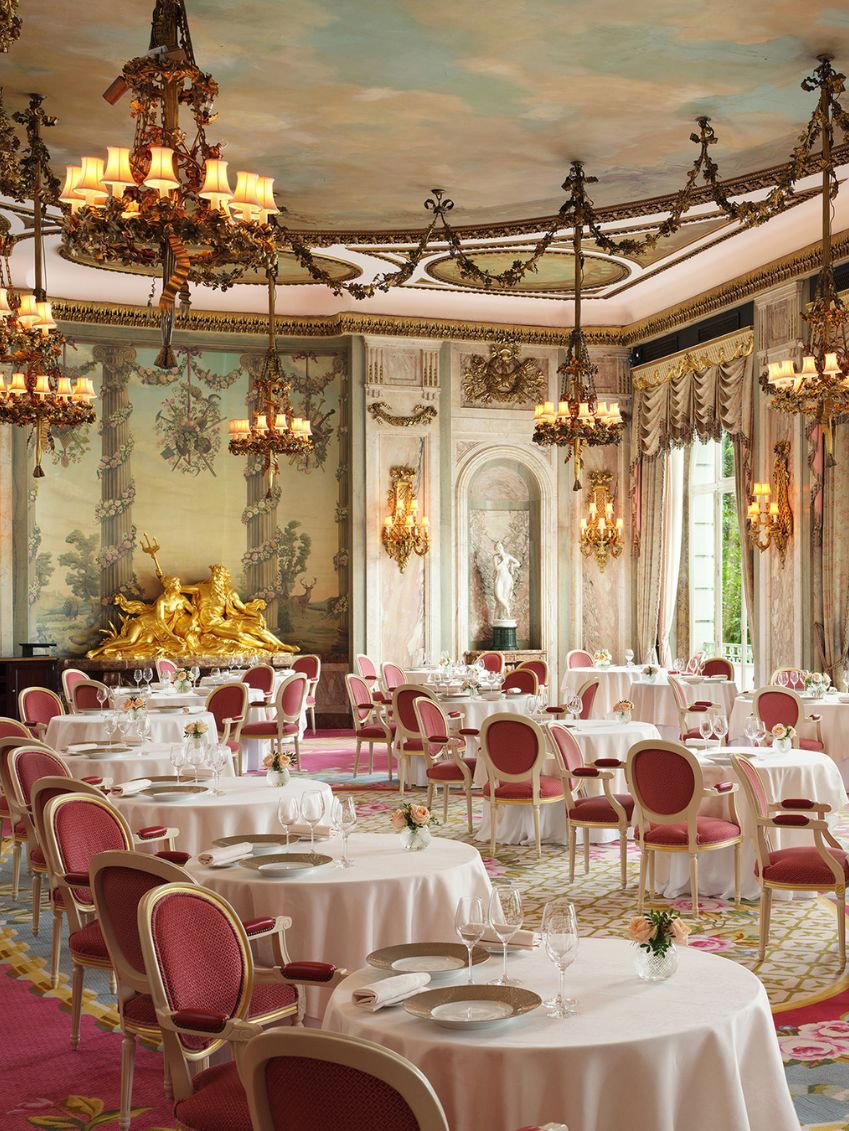
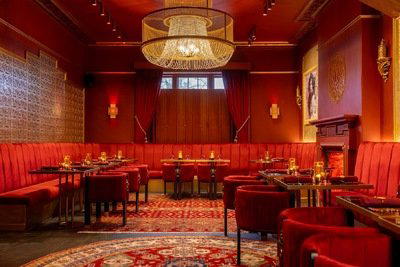
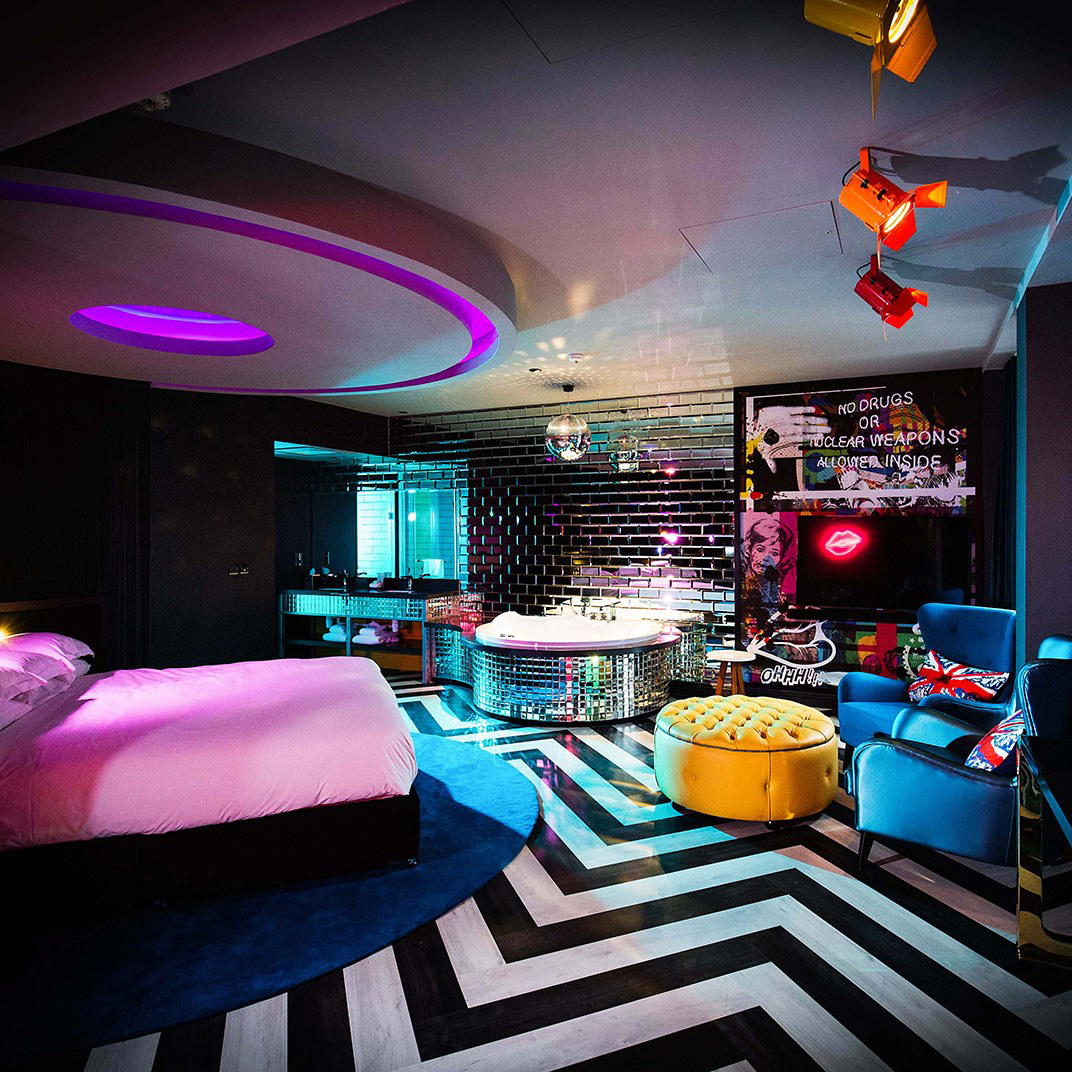
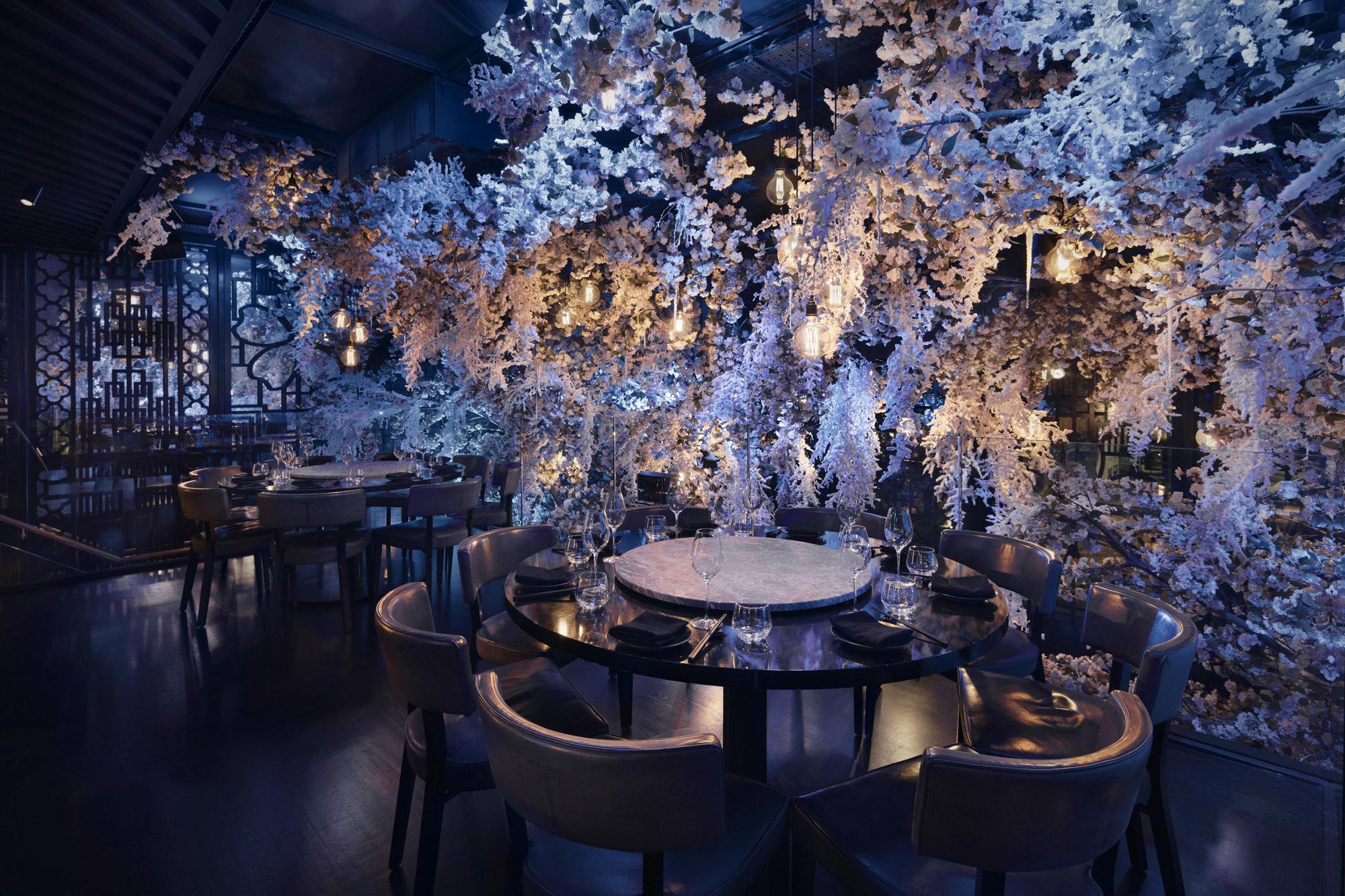
Walk into Tattu Birmingham and the interior makes the argument before a dish arrives. The design draws on Chinese aesthetic references, heavy with cherry blossom installations, dark lacquered surfaces, and dramatic lighting that flattens the boundary between restaurant and theatre. This is a deliberate strategy. In the occasion-dining category, atmosphere is part of the transaction. A milestone celebration at a room this considered is itself a signal, and guests read that signal before they open a menu.
The approach places Tattu in a well-established tradition of design-led dining that has flourished in UK cities over the past fifteen years. What distinguishes the better examples of the format from the worse ones is whether the kitchen holds its own once the room has done its job. In cities like London, the tension between spectacle and substance has been a recurring critical preoccupation. Outside London, the stakes shift slightly: in Birmingham, a room at this level of visual ambition has fewer direct competitors, which means the design achieves its effect without needing to apologise for the food meeting it halfway.
Chinese-Inspired Cuisine in a Celebration Format
The menu at Tattu draws on Chinese culinary traditions filtered through a contemporary British restaurant context. The broader category has grown across UK cities, sitting somewhere between traditional Chinese cooking and the kind of loose Asian-influenced modern cuisine that became a fixture in urban restaurant culture during the 2010s. It is a format that rewards confident execution of familiar dishes rather than technical novelty, making it well-suited to large-group occasions where consensus matters as much as individual preference.
For comparison, the evolution of Chinese-influenced fine dining at places like Atomix in New York City demonstrates how Korean and East Asian traditions can anchor serious tasting-menu formats; Tattu operates in an entirely different register, prioritising accessibility and occasion atmosphere over austere progression. That is a deliberate choice, not a limitation.
Planning a Milestone Meal Here
The practical case for Tattu Birmingham in an occasion-dining context comes down to three things: the visual environment, the group-friendly format, and the central location. For corporate dinners, landmark birthdays, or large celebration groups, the combination of dramatic design and a menu built for sharing creates conditions that are difficult to replicate at smaller, more austere fine-dining rooms. The tasting-menu counters at Birmingham's Michelin-level restaurants serve one to four people with more precision, but they are not built for groups celebrating in the traditional sense. Tattu is.
Booking ahead is sensible for any weekend date, and particularly so for Friday and Saturday evenings when the occasion-dining category fills first. For parties of six or more, advance planning is advisable regardless of the day. The Barwick Street location is well connected to the central rail network and city-centre hotels; Birmingham's hotel options in the surrounding area make it direct to build a full evening around the reservation.
Those approaching Birmingham's broader drinking culture for the first time will find the city's bar scene a useful companion to an evening at Tattu; the cocktail program at the restaurant itself is a genuine draw, but the neighbourhood supports before- and after-dinner options for groups who want to extend the occasion.
Design-led occasion restaurants at this price point have a distinct peer group in the UK. In London, the category is crowded and the critical bar is high. Outside London, the format has room to breathe. Birmingham is a city whose restaurant culture attracts increasing national attention: the concentration of Michelin-starred cooking here is among the highest of any UK city outside the capital, and properties like The Fat Duck, The Ledbury, and L'Enclume set the national standard for what serious dining looks like. Tattu does not compete in that register and does not try to.
That positioning is commercially sound. The restaurants that have succeeded most durably in the occasion-dining category across UK cities, from regional outposts to city-centre flagships, are those that understand their job clearly: deliver a consistent, visually arresting experience for guests who need a room to do the work of celebration. Tattu Birmingham has built its reputation on exactly that clarity.
For those planning around the wider Birmingham food calendar, our full Birmingham restaurants guide maps the full range from neighbourhood independents to the Michelin tier. Birmingham's wine scene and the city's experience options round out the picture for visitors building a full trip. Further afield, those drawn to the UK's destination-dining circuit will find Moor Hall, Gidleigh Park, and The Hand and Flowers among the strongest options in the broader region. Le Bernardin in New York represents a different tradition entirely, where occasion dining and culinary ambition occupy the same room, but that convergence is rare and Tattu makes no claim to it.
Frequently asked questions
What part of town is Tattu Birmingham in?
Tattu Birmingham is located at 18 Barwick St, Birmingham B3 2NT, United Kingdom, Birmingham.
Is Tattu Birmingham suitable for large group bookings and private events?
Tattu Birmingham at 18 Barwick St is structured with occasion dining at its centre, which means the floor plan and service model are built to accommodate groups rather than treat them as an afterthought. The Chinese-inspired sharing format on the menu supports table-wide ordering, which is practical for parties of six or more. For private hire or seated events, contacting the venue directly is advisable well in advance given the site's standing as one of Birmingham's go-to celebration restaurants.
What dish is Tattu Birmingham famous for?
Tattu's menu draws on Chinese culinary traditions reframed for a contemporary British occasion-dining context, so the kitchen's output spans sharing plates and larger formats suited to group tables.
How far ahead should I plan for Tattu Birmingham?
For weekend evenings and dates tied to public holidays, planning four to six weeks ahead is a reasonable baseline for a restaurant operating at this tier in Birmingham's occasion-dining market. High-demand dates, Valentine's Day, New Year's Eve, graduation weekends, compress availability faster. The Barwick Street site draws a mix of corporate and social bookings, which means midweek slots are typically more accessible than Friday or Saturday.
What do critics highlight about Tattu Birmingham?
Editorial attention on Tattu Birmingham consistently returns to the interior design rather than the cooking alone, the Chinese aesthetic references and atmospheric lighting make it one of the more photographed dining rooms in the city. Critics position it within a design-led occasion category that competes on environment and group-format suitability as much as on the plate. No Michelin or 50 Best recognition is currently documented for the Birmingham site.
Comparable Venues
Comparable venues nearby, for context on price, style, and recognition.
| Venue | Cuisine | Price | Awards | Notes |
|---|---|---|---|---|
| Tattu BirminghamThis venue (the venue you are viewing) | Modern Chinese Fine Dining | $100–150 | Not listed | Not listed |
| Opheem | Modern Indian Fine Dining | $200–300 | 2 Michelin Stars · La Liste Top Restaurants | Jewellery Quarter |
| Chapter | Modern British Brasserie | $50–100 | The Good Food Guide GFG Good | Edgbaston |
| Dishoom Birmingham | Bombay Comfort Food | Not listed | Not listed | Ladywood |
| Sushi Passion | Traditional Japanese Sushi | $30–50 | Not listed | Ladywood |
| COUCH | Cocktail Bar | Not listed | CLASS Bar Awards Best Bar in the Midlands · Top 500 Bars Best Bars #336 | Stirchley |