

Michelin Plate · The Sunday Times Ireland’s 100 Best Restaurants
Our verdict
A 19th-century stone tannery on Dungarvan's harbour, Tannery has held its place at the centre of Irish provincial dining for close to three decades. The Michelin-recognised restaurant serves classically grounded modern cooking built around seasonal ingredients, with counter seating for small plates downstairs and a full restaurant upstairs. Stylish accommodation across two nearby townhouses makes it a natural base for exploring Waterford's coastline.

Pearl is the En Primeur Club membership app, where members save venues, book tables and use the concierge.
The menu
What to order
- Crab Brûlée
- Roast Hake with Mussels
- Moroccan Spiced Lamb Shank
Quayside Stone and the Case for Cooking Outside the Capital
Ireland's most interesting restaurant decisions are increasingly being made away from Dublin. The pattern is now clear enough to count as a trend: a generation of cooks trained at serious European and Irish establishments has chosen to root itself in provincial towns, where seasonal supply chains are shorter, rents allow for more considered menus, and the audience, often travelling specifically to eat, arrives with patience. Dungarvan, a harbour town in County Waterford with a compact but serious food culture, sits squarely in that pattern. The 19th-century stone tannery on Quay Street, facing the water, is where that story has been playing out longest in this part of Ireland.
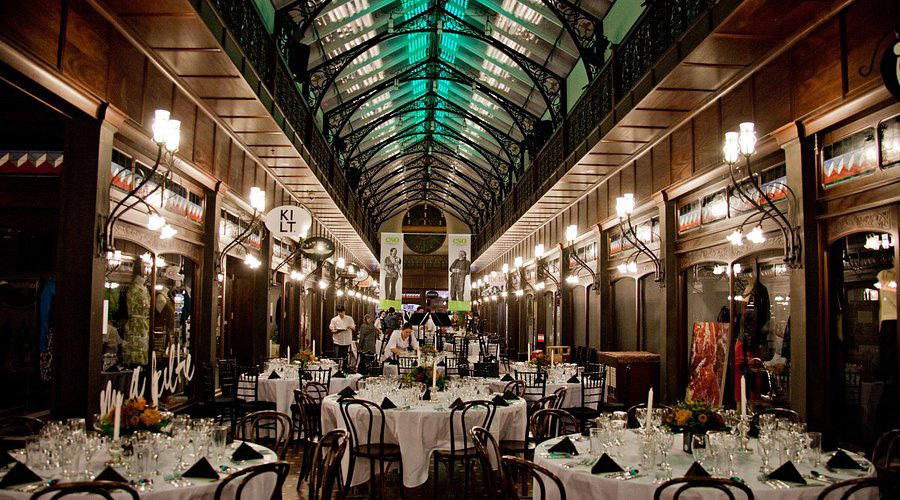
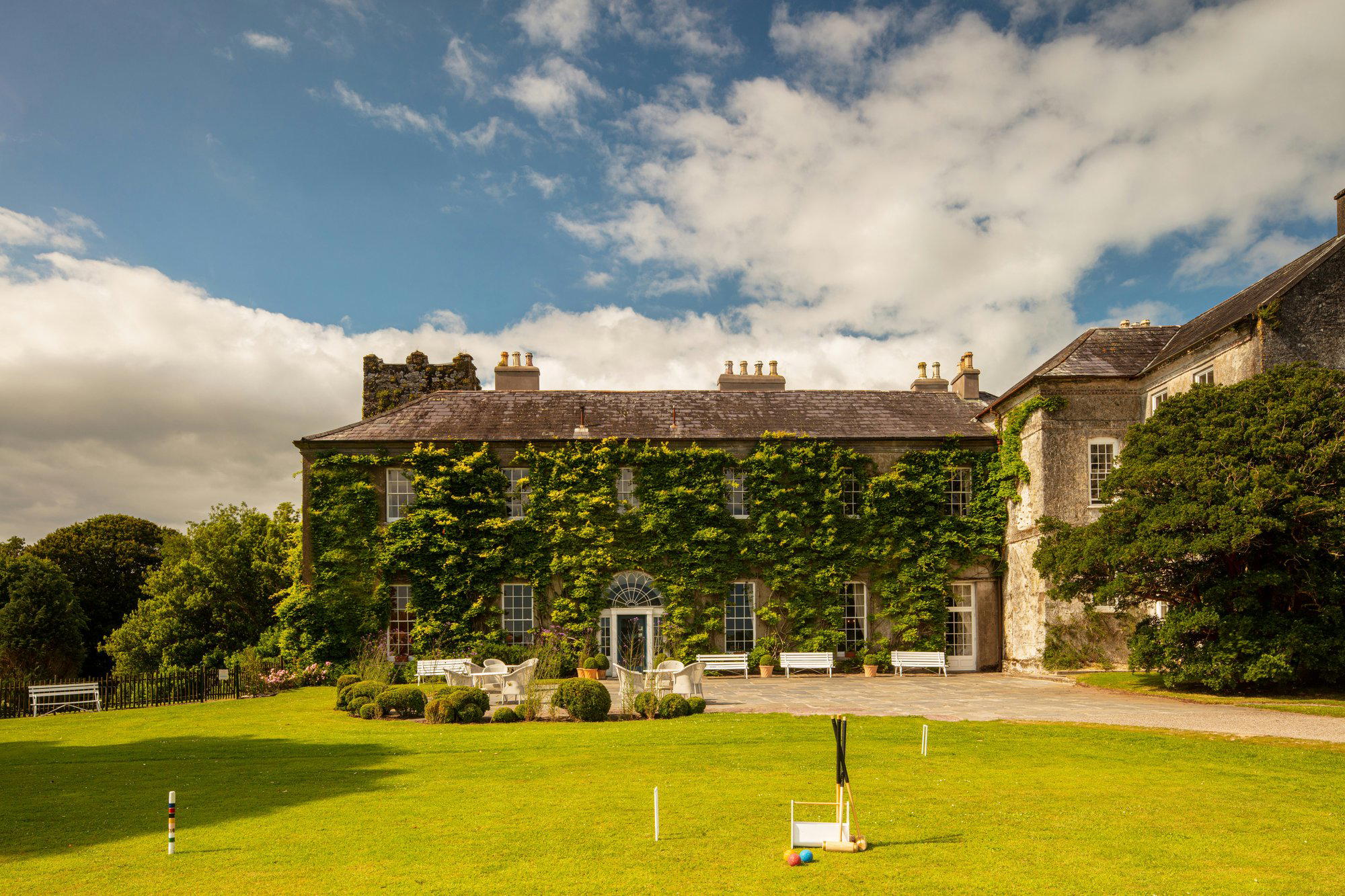
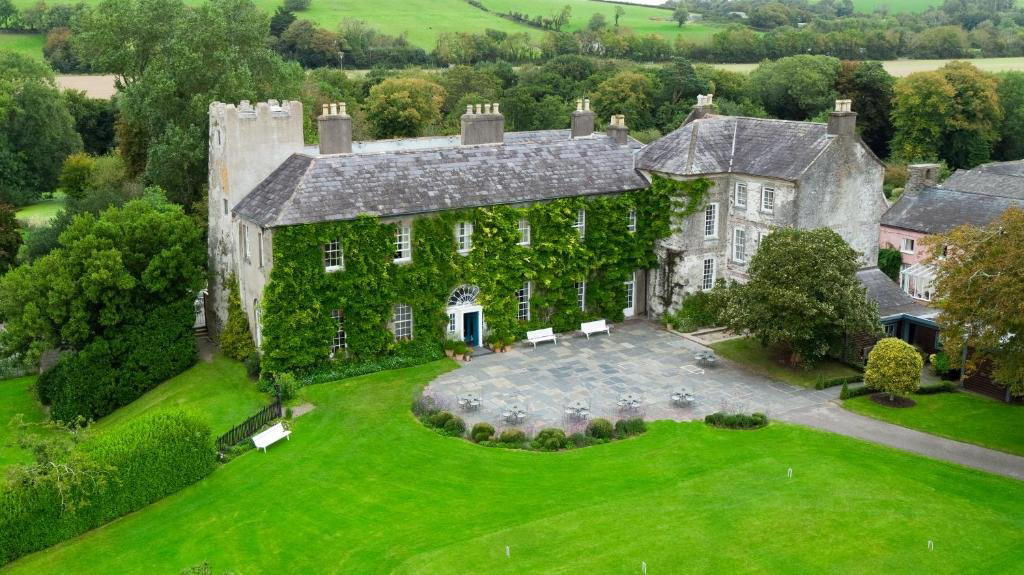
The building announces its age before you reach the door: thick cut stone, a working harbour backdrop, the kind of structure that resists the category of "restaurant" and simply exists as a space that has always been used for something purposeful. Arriving on foot from the town centre, the quayside setting places you outside the usual coordinates of destination dining. There is no grand entrance sequence. What there is, is a building that has been inhabited for a long time and shows it, in the leading sense.
Where the Ingredients Come From, and Why the Geography Matters
Waterford's coastline and its immediate hinterland constitute one of the more productive larders in Ireland. The county's fishing grounds contribute shellfish and wet fish that move from boat to kitchen with minimal intermediary distance. The inland farms supply the vegetables, mushrooms, and dairy that define the kind of classically based cooking Tannery has built its reputation on. This is not a kitchen importing its pantry from elsewhere and calling it seasonal; the geography does real work here.
Dishes cited in editorial coverage include an oyster mushroom and porcini tart, crab crème brûlée, roast cod with mussel and herb velouté, and a Black Forest chocolate mousse. Read those against the county's supply: wild and cultivated mushrooms from Waterford's farms, crab from the harbour, cod from the Atlantic coast just south. The classical French technique applied to those ingredients is not decorative; it functions as a method of amplifying what the region already produces. The specials board is worth particular attention, as it tends to track whatever is arriving at its peak rather than what fits a fixed seasonal narrative.
This approach places Tannery in a specific tier of Irish provincial dining. Compared with Aniar in Galway, which operates a more explicit forager-and-farm philosophy at a higher price point (€€€€), Tannery sits at €€€ and works within classical structure rather than against it. The result is cooking that reads as generous rather than austere: portions are described consistently as substantial, and the menu does not pursue minimalism for its own sake.
Two Floors, Two Registers
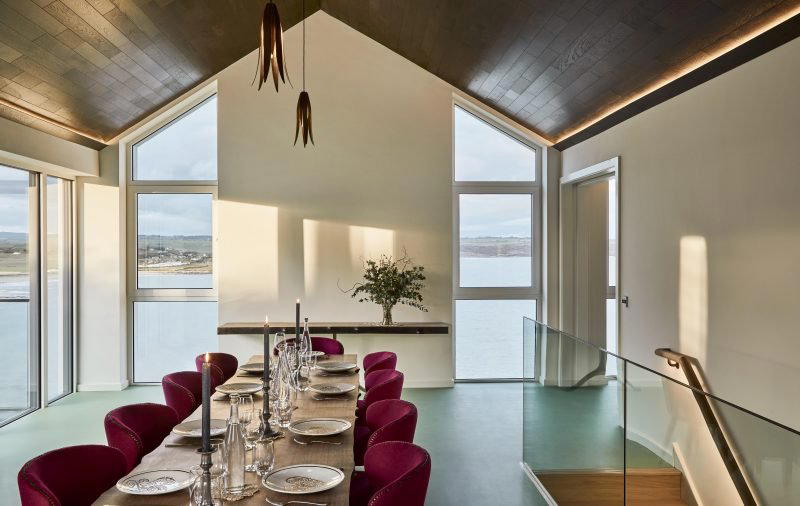
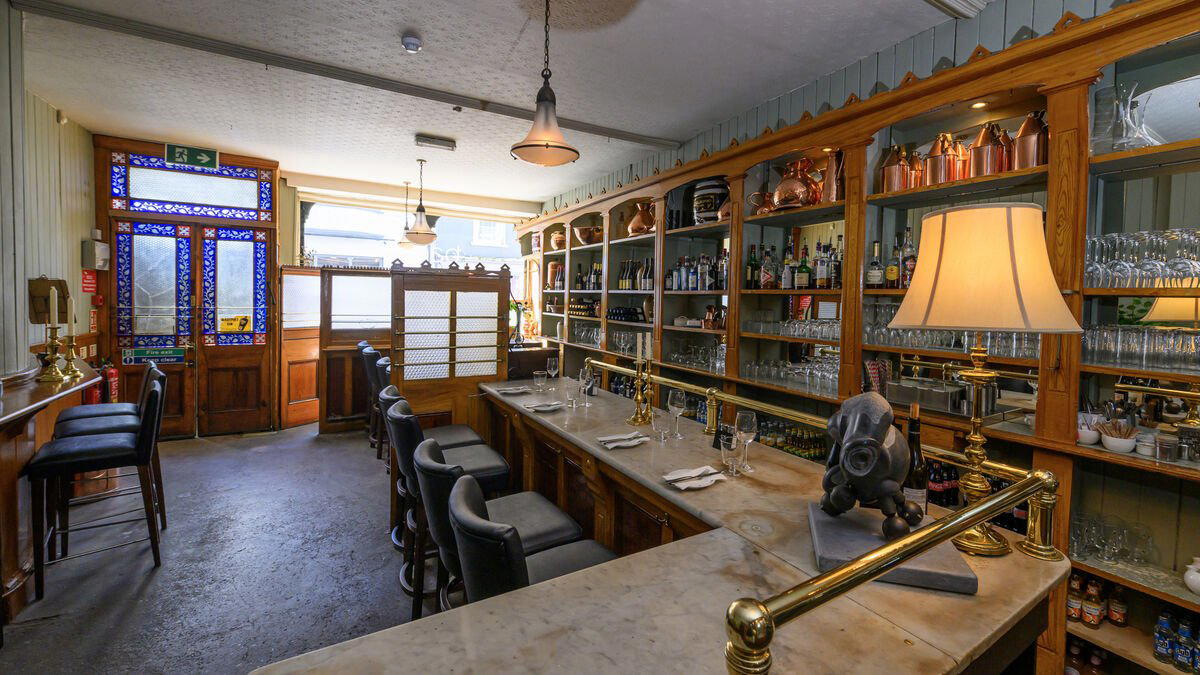
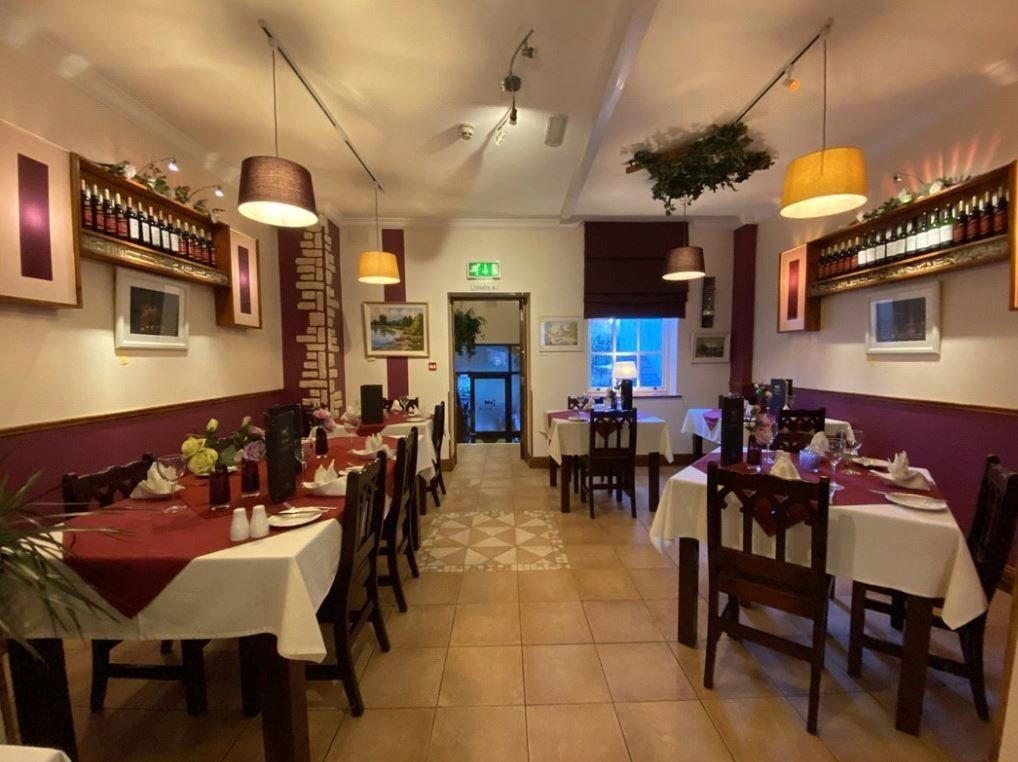
The format splits cleanly between floors. Downstairs, counter seating allows for small plates and a less formal pacing; this is where you might eat if you want to work through several courses without committing to a full evening. Upstairs, the restaurant is described as bright, with the harbour light doing what harbour light does in the west of Ireland: arriving sideways and changing the temperature of everything it touches.
The division between counter and restaurant is one that several comparable Irish venues have adopted in recent years, including Bastion in Kinsale and Campagne in Kilkenny. It serves a practical purpose: it allows a restaurant with serious kitchen credentials to run a more accessible register without diluting either experience. At Tannery, both floors draw from the same kitchen and the same supply chain, so the difference is one of pace and formality rather than quality.
Almost Thirty Years and What That Means
Longevity in provincial Irish dining is a more meaningful credential than it might appear. The hospitality economics of small Irish towns are not forgiving: a restaurant approaching three decades of continuous operation in Dungarvan has survived multiple economic cycles, the collapse of Celtic Tiger-era spending, the pandemic closure period, and the structural shift in how the Irish public now thinks about food and where it comes from. That the Tannery has held a Michelin Plate through this period, the guide's signal that a kitchen is producing food worth travelling for, is the kind of trust signal that accumulates rather than being awarded once and forgotten.
The restaurant writer Marina O'Loughlin, reviewing an early visit, described arriving at the feeling of being "in the right place at the right time, among the right people", a description that captures something specific about what long-running provincial restaurants achieve that newer, higher-profile urban openings rarely do. The room has a settled quality; the service knows the regulars and treats strangers with the same ease. That quality is almost impossible to manufacture and takes years to build.
For a sense of where Tannery sits in the broader Irish modern cooking conversation, it occupies a different register from the tightly controlled fine dining of Liath in Blackrock or Chapter One by Mickael Viljanen in Dublin, and a different geography from coastal contemporaries like dede in Baltimore or House in Ardmore. The comparison that holds most cleanly is with Chestnut in Ballydehob and Homestead Cottage in Doolin: serious kitchens in small towns that have become destinations in their own right, drawing visitors who plan trips around the table rather than treating the meal as an afterthought.
Staying, and Planning the Visit
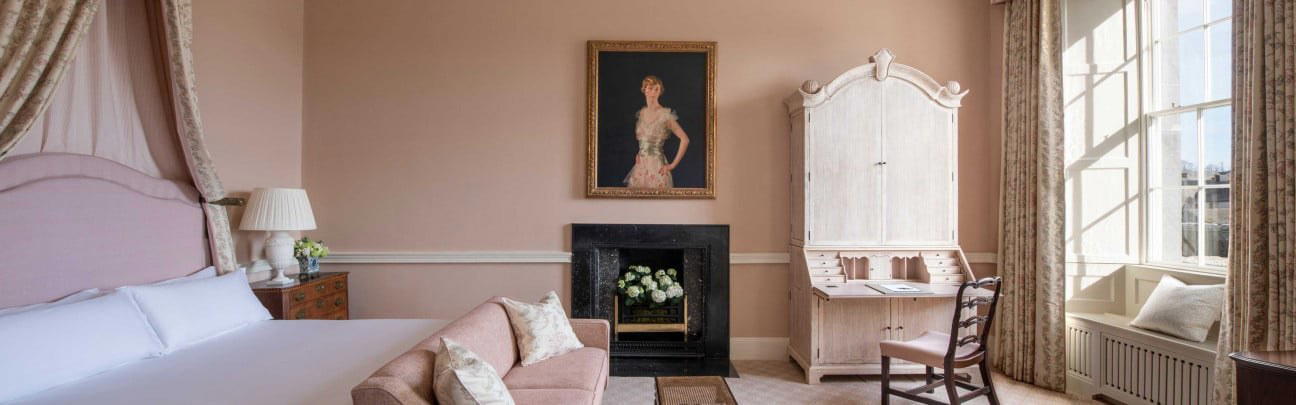
Tannery operates stylish accommodation across two nearby townhouses, which changes the logistics of a visit considerably. Eating at this level without having to calculate departure times or arrange transport adds a dimension that day-trip dining cannot replicate. The townhouse rooms position this as a short-break destination rather than a stopover, and Dungarvan itself, with its harbour, its Saturday food market, and its access to the Waterford Greenway cycling route, sustains two or three days without difficulty. Bookings are handled through the restaurant; securing a table, particularly on weekends, is the first practical step for any serious plan to visit.
For a complete picture of what Dungarvan offers beyond this address, see our full Dungarvan restaurants guide, our Dungarvan hotels guide, our Dungarvan bars guide, our Dungarvan wineries guide, and our Dungarvan experiences guide. For those extending a trip to wider Munster and Leinster, Terre in Castlemartyr and Lady Helen in Thomastown round out the serious table options in the region. For a sense of how modern cuisine operates at a global level, the benchmark work of Frantzén in Stockholm and FZN by Björn Frantzén in Dubai offers useful comparative context.
Frequently asked questions
Is Tannery child-friendly?
Tannery operates at the €€€ price point with a Michelin Plate kitchen, and the cooking, classically grounded, generously sized seasonal dishes, is pitched at adults who want to eat well rather than quickly. Families with older children who can engage with that register will find it suits them; it is not a venue built around younger diners. The counter seating downstairs offers a less formal pace, which may be the more practical option if flexibility matters.
What is the atmosphere like at Tannery?
The building is a 19th-century stone tannery on Dungarvan's quayside, and the structure does a lot of the work, the space has a material weight that purpose-built restaurants rarely achieve. Downstairs runs as a counter with small plates and a more relaxed tempo; upstairs is a brighter, full-service dining room. Restaurant writer Marina O'Loughlin described her first visit as the feeling of being "in the right place at the right time, among the right people", a register the Flynns have maintained for close to three decades.
Is Tannery Michelin-listed?
Tannery has received recognition including: Close to the harbour sits this characterful 19C stone tannery that also houses a cookery school. Sit downstairs for small plates at the counter or head upstairs to the bright restaurant. The classically based dishes are generously sized and….
What's the must-try dish at Tannery?
The kitchen is classically grounded with a strong lean toward Waterford's marine supply, and dishes cited in the venue's Michelin Plate recognition include crab crème brûlée and roast cod with mussel and herb velouté, both worth ordering when available. The specials board draws on seasonal ingredients and is worth attention beyond the printed menu. Oyster mushroom and porcini tart and Black Forest chocolate mousse round out a menu that rewards eating across multiple courses rather than selecting around a single dish.
How It Stacks Up
| Venue | Cuisine | Price | Awards | Notes |
|---|---|---|---|---|
| TanneryThis venue (the venue you are viewing) | Modern Irish | $50–100 | Michelin Plate · The Sunday Times Ireland’s 100 Best Restaurants | Not listed |
| Patrick Guilbaud | Modern French Fine Dining | $150–200 | 2 Michelin Stars · La Liste Top Restaurants | Irish - French, Modern French |
| Aniar | Modern Irish Terroir Tasting Menu | $150–200 | 1 Michelin Star · La Liste Top Restaurants | Modern Irish, Modern Cuisine |
| Bastion | Progressive American, Modern Cuisine | Not listed | Michelin 1 Star | Not listed |
| LIGИUM | Modern Wood-Fired Fine Dining | $100–150 | 1 Michelin Star · The Best Chef One Knife | Creative |
| Host | Nordic, Modern Cuisine | Not listed | Not listed | Not listed |
Recognition history
Dated appearances from independent guides and award organizations, with the underlying list record or original source where available.
Michelin Plate
Michelin
The Sunday Times Ireland’s 100 Best Restaurants
The Sunday Times
Full recognition history (3 entries)
Michelin Plate
Michelin
Continue exploring
More in Dungarvan
Restaurants in Dungarvan
All restaurants in Dungarvan →
Details
- Romantic
- Elegant
- Well Known
- Cozy
- Date Night
- Special Occasion
- Celebration
- Family
- Historic Building
- Waterfront
- Standalone
- Craft Cocktails
- Local Sourcing
- Farm To Table
- Waterfront
- A La Carte
- Set Menu
- Small Plates
- Wine
- Cocktails
- Vegetarian Friendly
- Allergy Accommodating
Bright, warm, and welcoming with Irish charm; downstairs features a cosy wine bar with counter seating for small plates, while the upstairs restaurant is light-filled and buzzy with an intimate yet lively atmosphere.