Tang

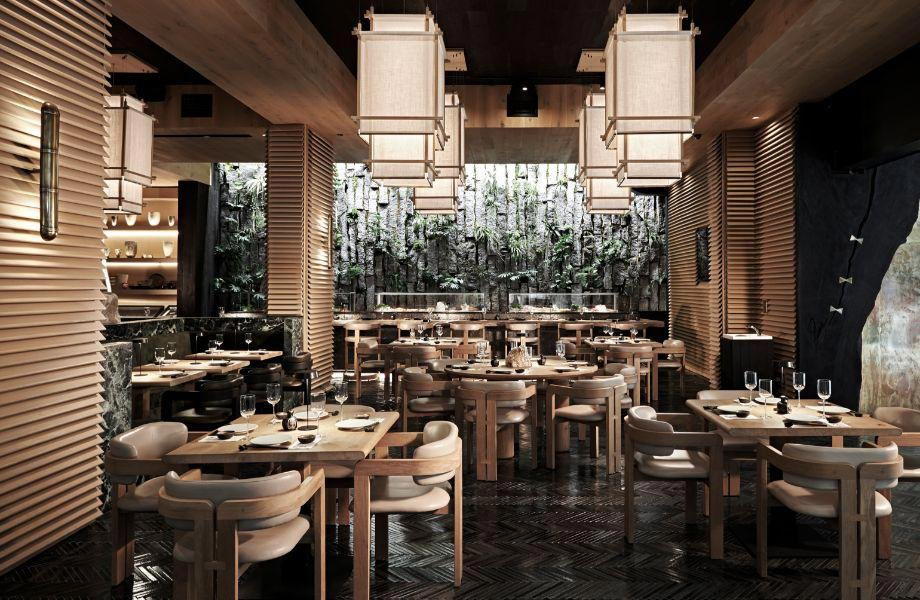
Positioned inside Nelson Mandela Square in Sandton, Tang takes Cantonese cooking as its structural base and reworks it through a modern lens. The room signals intent before the first plate arrives: polished, overtly stylish, and calibrated for Johannesburg's corporate-entertainment circuit. For Asian-inflected dining in a city whose restaurant scene skews heavily toward European and South African traditions, it occupies a distinct position.
Pearl is the En Primeur Club membership app — saves, bookings, and concierge access live there. Same editors, same standards.
- Address
- Shop No 120, Nelson Mandela Square, Sandton, 2196, South Africa
- Phone
- +27 71 379 2161
- Website
- tanghospitality.com
- Directions
- Get directions
 Saves & bookings on Pearl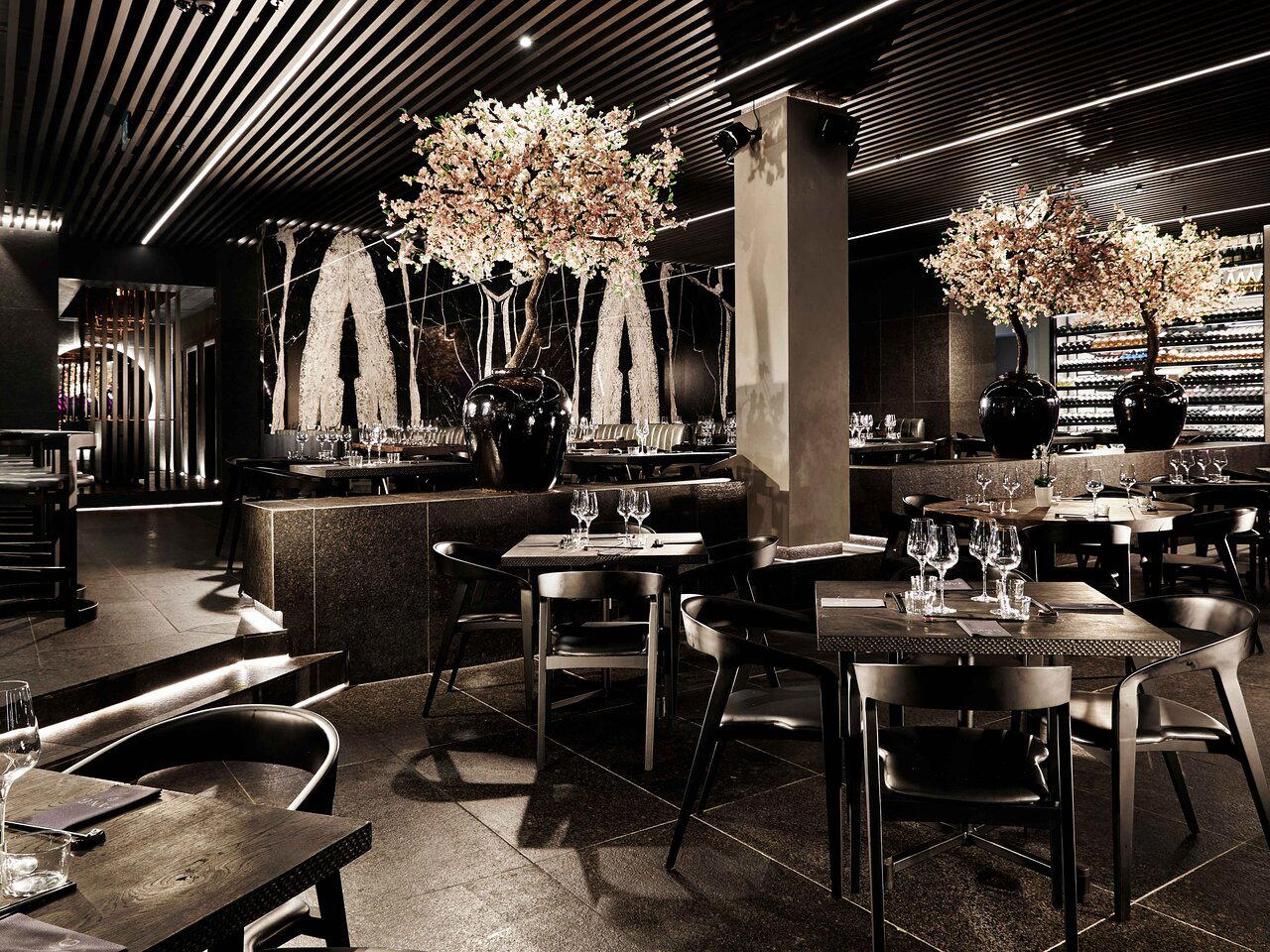
Where Sandton's Corporate Energy Meets Cantonese Tradition
Nelson Mandela Square operates at a particular register in Johannesburg's dining geography. The plaza draws the city's business class, hotel guests from the adjacent Michelangelo, and the Sandton social circuit in roughly equal measure. Restaurants here are not trading on obscurity. They compete on presentation, consistency, and the ability to hold a room through a long evening. Tang is a Pan-Asian izakaya in Sandton, with a room that reads as confidently as any European-style fine-dining address in the city.
The setting does real work before the food arrives. The interior runs toward the darker, more theatrical end of the Sandton spectrum, with the kind of lighting that flatters both the plates and the clientele. In a city where restaurant design often defaults to either stripped-back industrial or overtly colonial, Tang's aesthetic sits in a different register altogether, drawing from the sleek, lacquer-and-low-light vocabulary that defines premium Asian dining rooms in Hong Kong or Singapore. For Johannesburg's dining scene, that positioning is less common than it sounds. Tang is one of a relatively small number of addresses in the city where the entire framework, from service posture to plating philosophy, is organised around an Asian culinary grammar.
The Architecture of a Meal at Tang
Cantonese cooking provides a useful through-line for understanding how a meal here tends to build. The tradition values precision over intensity, clean flavour over layered spice, and technique that enhances rather than obscures the primary ingredient. A menu structured around these principles produces a particular kind of meal arc: lighter, more textural openings; dishes in the middle courses that rely on wok technique, steaming, or careful seasoning rather than sauce weight; and a progression that rewards attention rather than demanding it.
Tang works within that tradition while extending it toward what the venue's own positioning describes as modern takes and twists. In practice, this is the operating mode of most premium Asian restaurants operating outside Asia: the canon is acknowledged and respected, but adapted for a dining public whose reference points are broader and whose palate expectations include influences from Japanese, Korean, and Southeast Asian cooking alongside the Cantonese base. The result is a menu that can be read as a progression rather than a collection of individual dishes, which is one reliable indicator that a kitchen is thinking about the arc of the meal rather than just the execution of its parts.
South Africa's own dining scene has produced a generation of kitchens interested in similar progressions. Fyn in Cape Town built its entire identity around a pan-Asian tasting structure, earning serious recognition in the process. Le Quartier Français in Franschhoek and Wolfgat in Paternoster approach the meal-as-narrative from different culinary traditions, but the underlying instinct is the same: that dinner should have a shape, not just a sequence. Tang brings that instinct to Johannesburg's Sandton corridor, which has historically been more oriented toward event dining than toward the kind of progressive meal-building those Cape-based addresses practice.
Tang Inside Johannesburg's Broader Dining Map
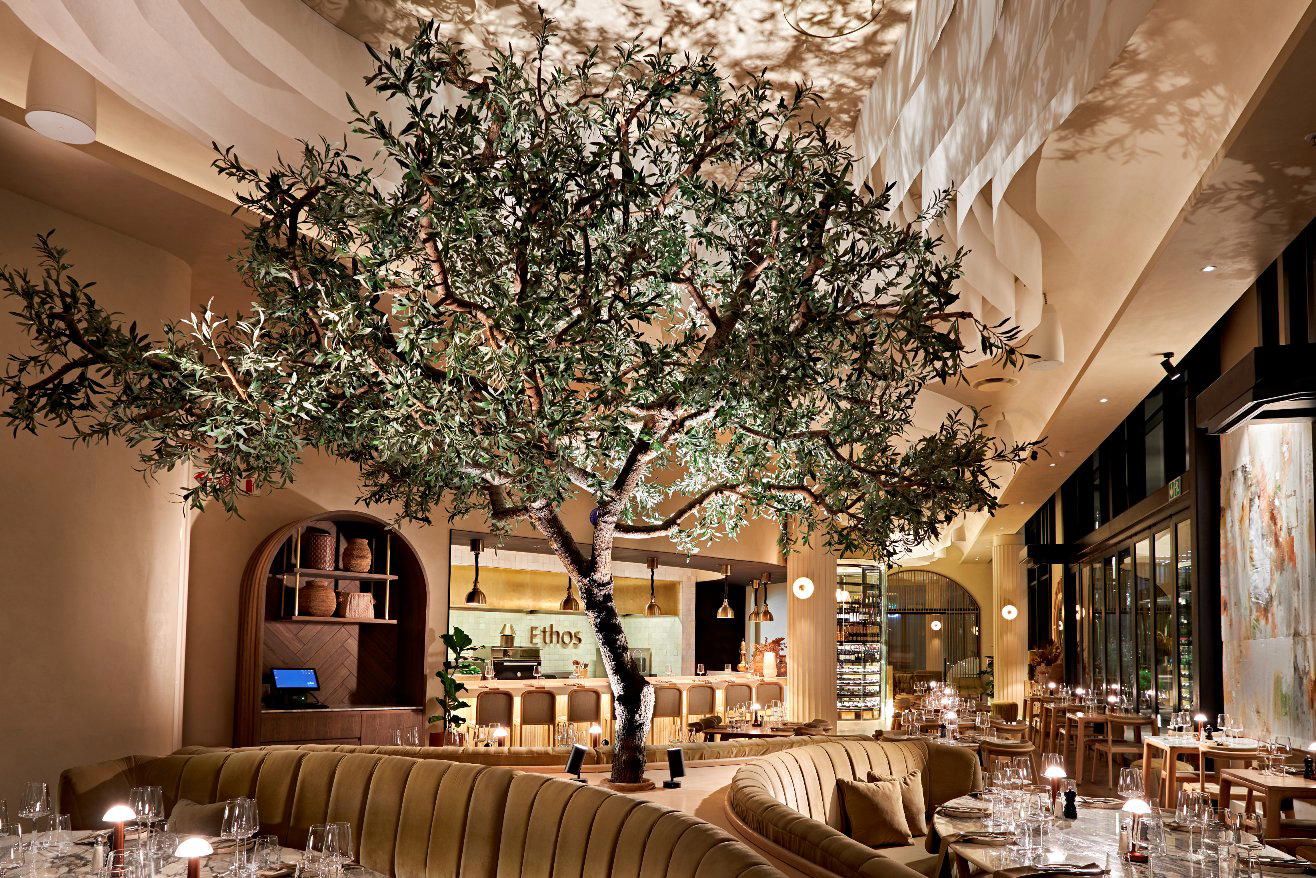
Johannesburg's restaurant scene has diversified considerably over the past decade, but it remains a city where European cooking traditions and South African comfort formats command the largest share of serious dining attention. Addresses like Aurum, Embarc, and Ethos Restaurant represent the kind of destination-dining commitment that the city's top tier is now capable of sustaining. Gigi and KŌL Izakhaya approach Asian-influenced cooking from different points on the formality spectrum.
Tang's placement inside Nelson Mandela Square positions it at the higher-footfall, higher-visibility end of that competitive set. The address brings built-in theatre and ease of access from Sandton's hotel cluster, which suits the corporate-entertainment use case that drives significant volume in this part of the city. Where more intimate addresses like Delaire Graff Lodges & Spa in Helshoogte Pass or Ellerman House in Bantry Bay trade on exclusivity and remove from the city's commercial core, Tang is explicitly a city-centre address in the fullest sense, embedded in one of Johannesburg's most trafficked entertainment precincts.
Internationally, the model Tang most closely resembles is the premium Asian restaurant that operates in a major commercial district rather than a dedicated fine-dining neighbourhood. The comparison set runs closer to addresses like Le Bernardin in New York City in terms of the relationship between room quality and culinary ambition than it does to the more specialist, lower-capacity formats that have come to define serious Asian dining in Asian cities. The scale and setting are designed for an audience that wants rigorous cooking inside a room that functions as a social event in itself.
Planning Your Visit
Tang is located at Shop No 120, Nelson Mandela Square, Sandton, 2196, South Africa. For visitors staying in or near Sandton, the location removes most of the logistical friction that attaches to restaurant visits elsewhere in Johannesburg's sprawling geography. The square itself is active in the evenings, which means the approach and departure are part of the broader experience rather than an afterthought. Booking ahead is advisable. The room's profile and the square's consistent footfall mean walk-in availability is less reliable than at lower-profile Johannesburg addresses.
For visitors using Tang as part of a broader Johannesburg itinerary, the city's dining and nightlife infrastructure extends well beyond Sandton. The full Johannesburg restaurants guide covers the city's full range of dining, while the bars guide, hotels guide, wineries guide, and experiences guide map the broader picture. Dusk in Stellenbosch and Emeril's in New Orleans offer points of comparison for Asian-influenced and progressive cooking in different geographic contexts.
Peers Worth Knowing
Comparable venues nearby, for context on price, style, and recognition.
| Venue | Cuisine | Price | Notes |
|---|---|---|---|
| TangThis venue — the venue you are viewing | Pan-Asian Izakaya | $$$$ | Not listed |
| Stelle | Northern Italian | $$$ | Sandhurst |
| Embarc | Contemporary European | $$$ | Parkhurst |
| Sabi Sabi Private Game Reserve | Luxury Safari Fine Dining with African Influences | $$$$ | Melrose Estate |
| KŌL Izakhaya | Modern Japanese Izakaya | $$$ | Hyde Park |
| Qunu at the Saxon Hotel | Modern South African Fine Dining | $$$$ | Sandhurst |
Recognition history
Dated appearances from independent guides and award organizations, with the underlying list record or original source where available.
Star Wine List
Star Wine List
Continue exploring
More in Johannesburg
Restaurants in Johannesburg
Browse all →
Bars in Johannesburg
Browse all →
Hotels in Johannesburg
Browse all →
Wineries in Johannesburg
Browse all →
At a Glance
- Elegant
- Sophisticated
- Trendy
- Modern
- Date Night
- Business Dinner
- Celebration
- Open Kitchen
- Craft Cocktails
- Street Scene
Current opening hours
- Monday
- 12–11 PM
- Tuesday
- 12–11 PM
- Wednesday
- 12–11 PM
- Thursday
- 12–11 PM
- Friday
- 12–11 PM
- Saturday
- 12–11 PM
- Sunday
- 12–11 PM
Hours can change for holidays and private events. Last verified .
Luxurious Asian tropical setting with sophisticated, sensory atmosphere; some guests note it as dark and noisy.