Takô Sushi
Takô Sushi occupies a counter inside Halles Jacques Coeur, Montpellier's covered market on Rue de Crète, positioning itself within a city that has gradually assembled a more serious Japanese food scene around its central market halls. The format places it squarely in the market-stall sushi tier that has reshaped how mid-sized French cities access raw fish outside formal restaurant settings.
Pearl is the En Primeur Club membership app — saves, bookings, and concierge access live there. Same editors, same standards.
- Address
- Halles Jacques Coeur, Tram Ligne 1 - Arrêt Léon Blum, 160 Rue de Crète, 34000 Montpellier, France
- Phone
- +33499926469
- Directions
- Get directions
 Saves & bookings on Pearl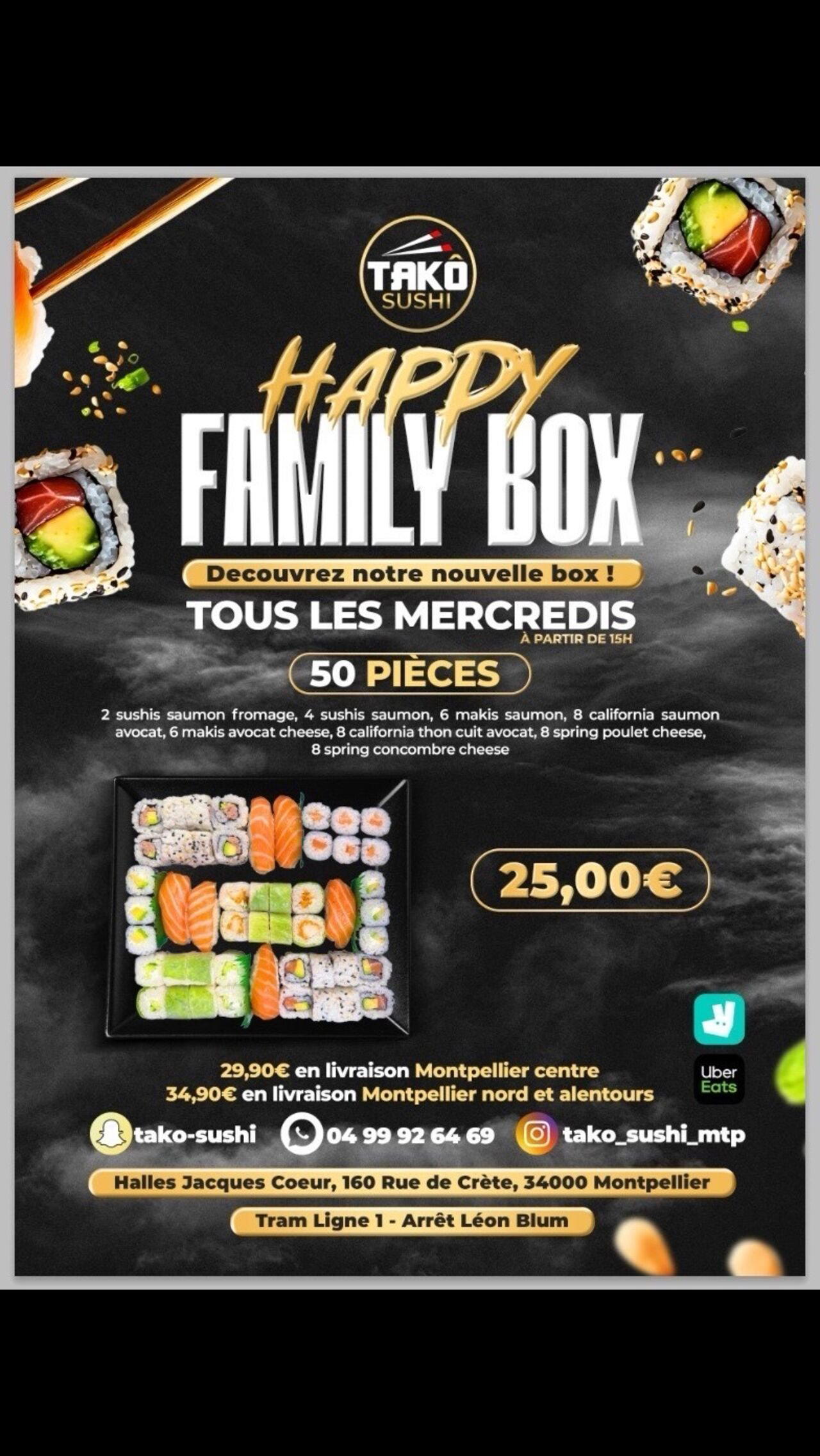
Market Halls and the Shifting Ground of Japanese Food in Montpellier
Covered markets in French provincial cities have changed over the past decade. What were once primarily produce and charcuterie destinations have absorbed a new category of operator: specialists in raw preparations, fermented condiments, and cuisines that require cold-chain discipline rather than a kitchen. Halles Jacques Coeur, reachable directly on Tram Ligne 1 at the Léon Blum stop, sits at 160 Rue de Crète and has become one of the spaces in Montpellier where that transition is visible. Takô Sushi operates within this hall, which means its context is not a formal dining room but a market ecosystem where the surrounding vendors, the ambient noise, and the rhythm of lunchtime foot traffic are part of the experience by default.
That placement is not incidental. The covered-market sushi format carries a specific logic: lower fixed costs allow tighter price points, the market's existing cold infrastructure supports fish quality, and the setting attracts a demographic that would not book a seated restaurant on a Tuesday but will queue at a counter with good produce on display. Across French cities of comparable size, this model has produced some of the more serious fish-focused counters outside major metropolitan centres, precisely because the format disciplines the operator toward product rather than theatre.
How the Format Has Evolved
The trajectory of Japanese food in mid-sized French cities broadly follows a pattern: early-wave restaurants built around adapted rolls and teriyaki menus gave way, through the 2010s, to a second generation more interested in product sourcing and preparation fidelity. Montpellier's proximity to the Mediterranean coast gives local operators an advantage in accessing fresh fish that landlocked equivalents cannot easily match, and the city's student population and research-sector workforce have sustained enough adventurous demand to support operators willing to work at a higher technical register than the first wave required.
Takô Sushi's position inside Halles Jacques Coeur places it within this evolution. Market-format sushi in France has itself gone through several iterations: early versions leaned on supermarket-adjacent salmon-heavy menus; more recent iterations, particularly in cities with access to coastal supply chains, have moved toward broader species selections and a more rigorous approach to rice temperature and vinegar balance. The hall setting also imposes a discipline on evolution that standalone restaurants sometimes avoid: a market stall cannot rely on interior design or sommelier programs to carry the experience, so product quality carries a higher proportion of the evaluative weight.
For Montpellier specifically, the development of this tier sits alongside a broader dining scene that includes formally recognised addresses at the higher end. Jardin des Sens represents the city's French gastronomic tradition at its most ambitious, while La Réserve Rimbaud, Leclère, Pastis Restaurant, and Reflet d'Obione hold the modern cuisine tier at the €€€ level. The market-counter format that Takô Sushi occupies sits in a separate category entirely, one defined by accessibility and product-forward simplicity rather than tasting-menu ambition. These are not competing tiers so much as different decisions about how a meal fits into a day.
What the Market Counter Format Actually Means for the Diner
Eating at a market-hall sushi counter is a different proposition from a seated restaurant visit, and being clear about that distinction saves disappointment. The rhythm is faster, the interaction with whoever is behind the counter is closer and less mediated, and the decision about what to eat is usually made by reading what is displayed rather than studying a printed menu. The advantage is immediacy: fish that arrived that morning can reach a plate within hours, without the buffer of a reservation system or a kitchen that needs to stage multiple courses simultaneously.
The covered-market setting at Halles Jacques Coeur also means the restaurant follows the hall's schedule rather than conventional restaurant hours, which tends to concentrate activity at midday and early afternoon. Anyone planning a visit should treat it as a market trip with a sushi component rather than a restaurant booking with market access.
Compared to the highly allocated counter experiences at the summit of the Japanese restaurant spectrum in France, such as the formally structured omakase programs at addresses like Atomix in New York or the precise technical sequences at Le Bernardin, the market-counter format operates in an entirely different register. The reference points that matter here are freshness, rice quality, and the operator's ability to maintain product standards within a high-throughput environment, not coursing discipline or wine pairing architecture.
France's most ambitious formal restaurants, whether Mirazur in Menton, Alléno Paris au Pavillon Ledoyen, Troisgros in Ouches, Flocons de Sel in Megève, Auberge de l'Ill, Bras in Laguiole, Paul Bocuse in Collonges-au-Mont-d'Or, Assiette Champenoise in Reims, or AM par Alexandre Mazzia in Marseille and Au Crocodile in Strasbourg, share almost nothing operationally with a market-hall counter. That is precisely why both formats can coexist in a well-functioning food city: they answer different questions about how and when people want to eat.
Planning a Visit
Halles Jacques Coeur is direct to reach on public transport. Tram Ligne 1 stops at Léon Blum, which places the hall at 160 Rue de Crète within walking distance. Given the market format, arriving earlier rather than later in a market session generally means a better selection; fish counters in covered halls tend to thin their range as the day progresses rather than restocking mid-session. No booking infrastructure is typically associated with this type of counter, which means the model rewards proximity and timing over advance planning.
A Credentials Check
Comparable venues nearby, for context on price, style, and recognition.
| Venue | Cuisine | Price | Notes |
|---|---|---|---|
| Takô SushiThis venue — the venue you are viewing | Japanese Sushi | $$ | Not listed |
| Le Sens Six | Modern French Bistro with Regional Mediterranean Influences | $$ | Astruc |
| Good Vibes Food: burgers, paninis, salades & bowls | Burgers, Paninis, Salads & Bowls | $$ | Verdanson |
| Le Quatrième Tiers | Mediterranean-inspired Cocktail Bar | $$ | Saint-Roch |
| La Closerie | Modern French Bistro | $$$ | Comédie |
| La Factory | Modern French Bistro | $$$ | Port Marianne |
Continue exploring
More in Montpellier
Restaurants in Montpellier
Browse all →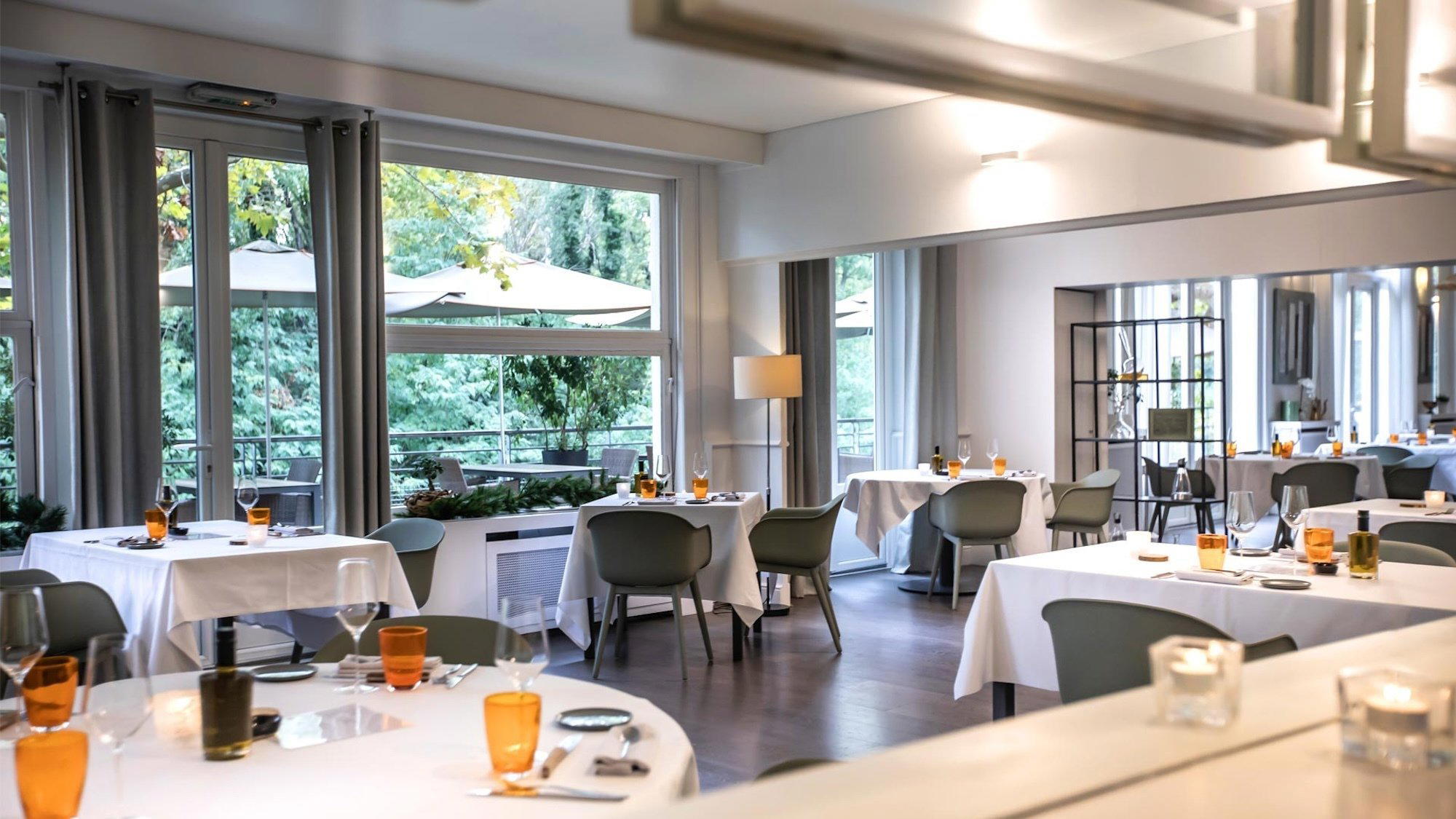
Bars in Montpellier
Browse all →
Hotels in Montpellier
Browse all →


At a Glance
- Casual Hangout
- Open Kitchen
- Sake Program
Current opening hours
- Monday
- 11 AM–8 PM
- Tuesday
- 11 AM–8 PM
- Wednesday
- 11 AM–8 PM
- Thursday
- 11 AM–8 PM
- Friday
- Closed
- Saturday
- 11 AM–8 PM
- Sunday
- 11 AM–8 PM
Hours can change for holidays and private events. Last verified .
Casual sushi spot in a market hall with focus on takeout and delivery.