La Closerie
Our verdict
On a quiet residential street in central Montpellier, La Closerie occupies a distinct position in a city whose restaurant scene has grown increasingly self-assured. With address details confirmed at 3 Rue du Clos René, the venue sits within reach of the city's core dining corridor, where French technical cooking and southern produce intersect in ways that reward careful planning before you visit.

Pearl is the En Primeur Club membership app, where members save venues, book tables and use the concierge.

The menu
What to order
- Squid carbonara
- Tarn asparagus with tzatziki
A Quiet Address in a City That Rewards Attention
Rue du Clos René is not a street that announces itself. In a city where the dining conversation tends to cluster around the Place de la Comédie or the Écusson quarter, La Closerie's address at number 3 places it slightly apart from the main current, a positioning that, in Montpellier's maturing restaurant scene, has become its own signal. The city's serious dining circuit has increasingly split between the high-visibility tables commanding premium prices and the more discreet addresses that operate on reputation and word-of-mouth. La Closerie belongs to the second category.
Montpellier itself is worth understanding before booking. This is a city of roughly 300,000 people with a university population that keeps the bar culture young and restless, while a separate, older tradition of French gastronomic cooking has produced some of the south's most watched addresses. Jardin des Sens, which operates at the €€€€ tier, anchors the city's formal gastronomic end. Closer to La Closerie's likely register sit addresses like Leclère and La Réserve Rimbaud, both operating in the modern cuisine bracket at €€€. Understanding this peer group matters when you're deciding where to put your one serious dinner reservation in the city.
What the Booking Experience Tells You
The editorial angle most relevant to La Closerie is not the menu itself, it is the question of how to secure a table and what that process reveals about the restaurant's place in the market. In cities like Paris, the booking experience at leading addresses has become its own performance: waiting lists administered through apps, tables released at midnight, and cancellation markets operating in the background. Montpellier has not reached that level of friction, but the more focused addresses, those operating in the €€€ range or above, do require advance planning, particularly from April through September when the city's summer population swells with visitors from across France and northern Europe.
For a venue like La Closerie, the practical advice runs as follows: treat it as you would any serious provincial French table where walk-in availability cannot be assumed. This is the rhythm of provincial fine dining in France outside the major tourist circuits, less theatrical than booking at, say, Mirazur in Menton or Alléno Paris au Pavillon Ledoyen, but still requiring the same basic discipline of advance commitment.
France's serious regional tables, from Auberge de l'Ill in Illhaeusern to Bras in Laguiole, share a common booking logic: the dining room is small, the kitchen operates without shortcuts, and the tables fill before walk-ins become viable. The assumption that a quieter city means easier access is regularly wrong.
Southern France's Culinary Context
Montpellier sits within a cooking tradition that runs from the Languedoc's wine-country tables to the Mediterranean produce of the Hérault. The city's proximity to the coast brings fish and shellfish into the equation; its inland connections pull in lamb, game, and the aromatic herbs that define southern French cuisine at its most direct. This is not Provence in the tourist-brochure sense, and it is not the butter-and-cream register of the north. The culinary identity is lighter, more herb-forward, and increasingly shaped by chefs who trained in formal kitchens, including at addresses like Troisgros, Paul Bocuse, or Flocons de Sel in Megève, before returning to the south.
The Montpellier dining scene has benefited from this reverse migration. Addresses like Pastis Restaurant and Reflet d'Obione reflect a generation of cooking that draws on classical French structure but applies it to the seasonal produce of the Languedoc-Roussillon. The result is a city that increasingly punches beyond its size in terms of dining quality, though it has not yet developed the booking-anxiety culture of Lyon or Bordeaux.
For comparison purposes within the broader French south, AM par Alexandre Mazzia in Marseille represents the maximum ambition of the region, three Michelin stars, global recognition, and a booking process that now requires months of lead time. Montpellier's leading addresses operate at a different intensity, which is partly why they remain accessible to travellers willing to plan thoughtfully rather than obsessively.
How La Closerie Fits the City's Current Pattern
In a city where the dining market has stratified noticeably over the past decade, La Closerie's position on a residential side street places it in an interesting middle register. The venues with the largest reputations have gravitated toward the city's central squares and riverside terraces, where foot traffic reinforces name recognition. Addresses slightly off that grid tend to attract a more local, more committed clientele, guests who found the restaurant through recommendation rather than proximity, and who return with some regularity.
This dynamic is not specific to Montpellier. It runs across French provincial cities from Strasbourg (see Au Crocodile) to Reims (see Assiette Champenoise): the addresses that sustain quality over time are frequently not the ones with the most visible frontage. And internationally, the same logic applies, venues like Le Bernardin in New York or Atomix built their reputations on kitchen discipline rather than location theatre.
For the visitor using Montpellier's broader restaurant guide as a planning tool, La Closerie is worth treating as an address to investigate directly and early. The city rewards that approach: the tables worth sitting at rarely stay open until the week before arrival.
Planning Your Visit
The address, 3 Rue du Clos René, 34000 Montpellier, places La Closerie within the central zone of the city, accessible on foot from the main tram lines that run through the Comédie and the Antigone district. Montpellier's tram network is frequent and well-signed, making it a practical option for reaching addresses across the centre without a car. For those arriving from further afield, TGV services connect Montpellier Saint-Roch to Paris in under three and a half hours, and the city's international airport handles flights from several European hubs. The summer season runs from roughly June through August, when the city's outdoor dining culture is at its fullest and reservation pressure is highest. Spring and autumn, particularly May and October, offer a more measured version of the city, with shorter booking windows and a local crowd that tends to outnumber visitors.
Frequently asked questions
How do I find La Closerie?
La Closerie is located at 3 Rue du Clos René, 34000 Montpellier, France, Montpellier.
Is La Closerie suitable for a business dinner in Montpellier?
The residential setting on Rue du Clos René, away from the tourist circuit around Place de la Comédie, gives La Closerie the kind of low-interruption environment that works for a focused meal with a client. Montpellier's mid-to-upper dining tier generally runs quieter rooms than comparable addresses in Lyon or Bordeaux, and a side-street location reinforces that. Confirm capacity and room layout directly with the venue before committing a group.
What's the must-try dish at La Closerie?
La Closerie keeps its menu details close, no public dish list, no prix-fixe breakdown available at time of writing. That opacity is common among Montpellier's more serious residential-address restaurants, where the menu shifts with Hérault produce and season. The practical move is to ask on arrival what the kitchen is running that day and let that steer the order.
Do they take walk-ins at La Closerie?
Rue du Clos René is not a high-footfall strip, which means the room won't absorb overflow the way a Place de la Comédie brasserie might. Walk-in chances improve mid-week and outside the July–August peak when Montpellier's visitor numbers climb sharply. A call ahead, even same-day, is the safer approach for a table at this address.
Side-by-Side Snapshot
Comparable venues nearby, for context on price, style, and recognition.
| Venue | Cuisine | Price | Awards | Notes |
|---|---|---|---|---|
| La CloserieThis venue (the venue you are viewing) | Modern French Bistro | $30–50 | Not listed | Not listed |
| L'Original | French Seafood Mediterranean Contemporary | Not listed | Not listed | Pont De Sète |
| La Table Des Poètes | Modern French Mediterranean | $30–50 | Not listed | Gambetta |
| Comptoir de l'Arc | French Brasserie with World Influences | $20–30 | Not listed | Préfecture |
| L'Atelier du Petit Jardin | Modern French Sharing Bistro | $30–50 | Not listed | Port Marianne |
| Thym et Romarin | Vegetable-Centric French Bistro | $20–30 | We're Smart World 3 Radishes | Saint-Roch |
La Closerie
Featured Guides
Continue exploring
More in Montpellier
Restaurants in Montpellier
All restaurants in Montpellier →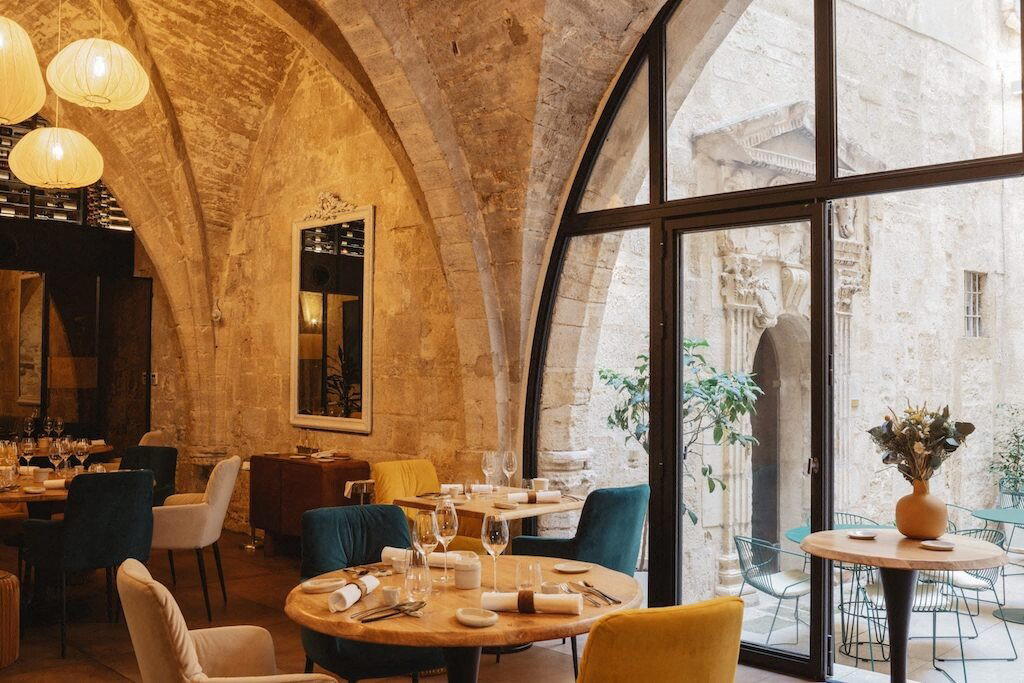
Bars in Montpellier
All bars in Montpellier →
Hotels in Montpellier
All hotels in Montpellier →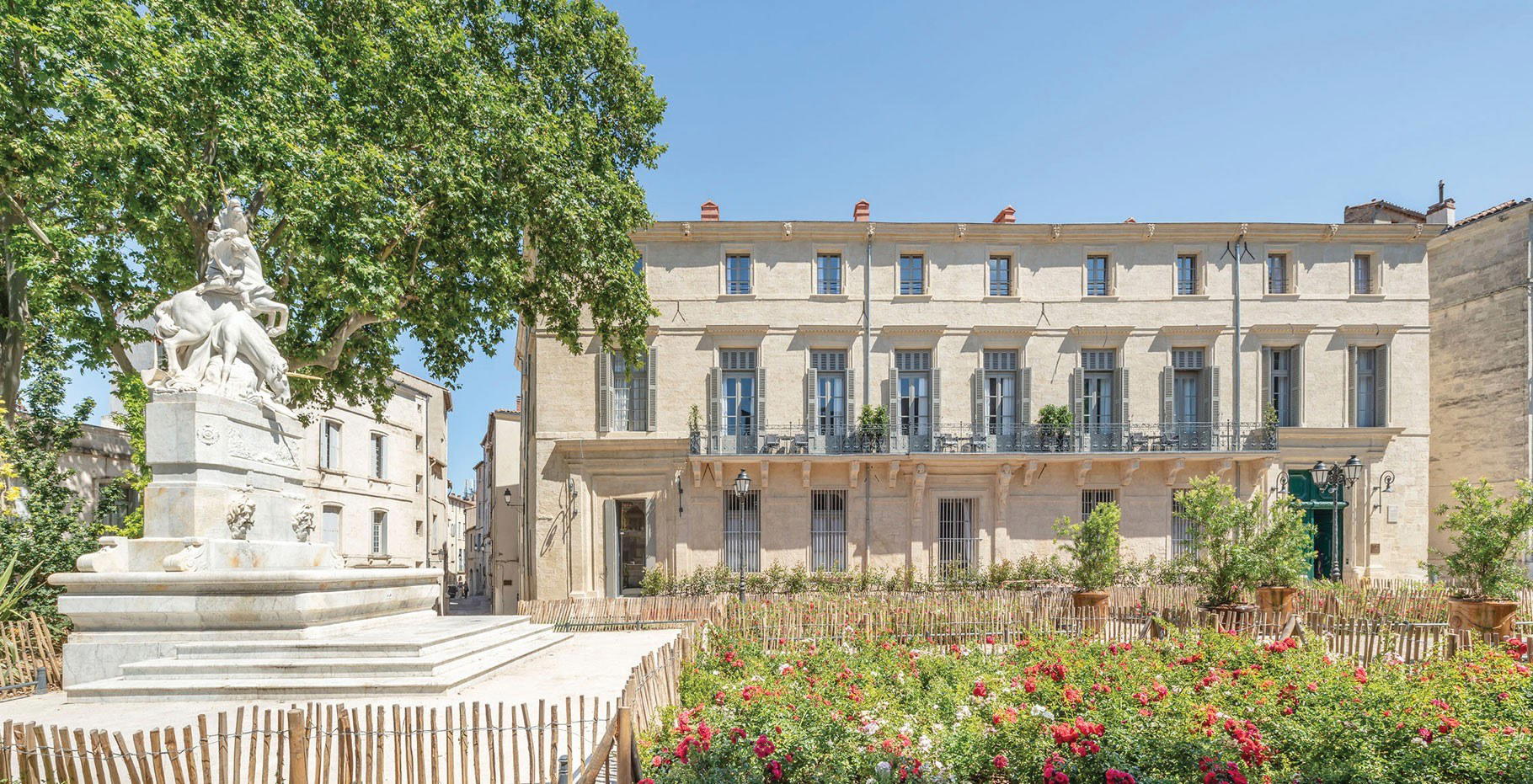

Details
- Elegant
- Sophisticated
- Date Night
- Special Occasion
- Business Dinner
- Private Dining
- A La Carte
- Prix Fixe
Current opening hours
- Monday
- 12–2 PM, 7–10 PM
- Tuesday
- 12–2 PM, 7–10 PM
- Wednesday
- 12–2 PM, 7–10 PM
- Thursday
- 12–2 PM, 7–10 PM
- Friday
- 12–2 PM, 7–10 PM
- Saturday
- Closed
- Sunday
- Closed
Hours can change for holidays and private events. Hours as of .
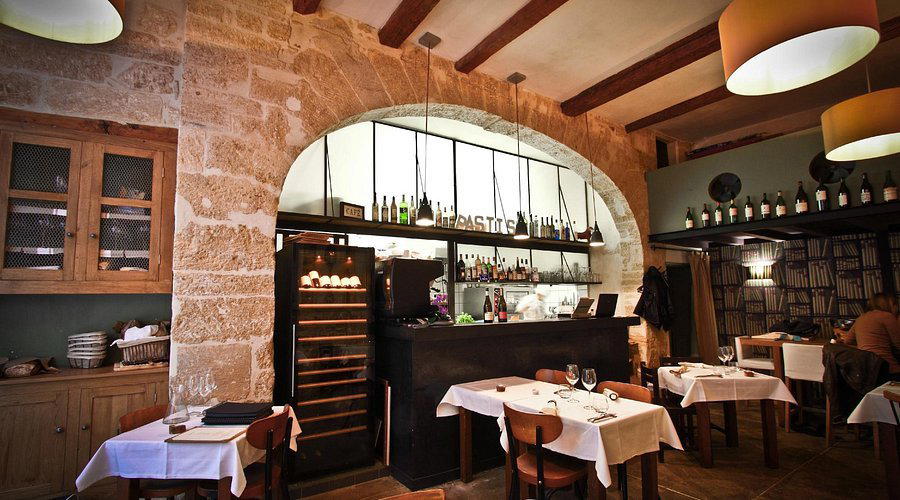
Refined and elegant atmosphere with balanced lighting from pendant lights, rated highly for ambiance by diners.