
Tabelog 100 #85
Our verdict
Taiwan Shokitsu Ten Chinron gives Funabashi a serious Taiwanese-Chinese address outside Tokyo’s usual gravity field. Its Tabelog 100 Chinese cuisine EAST selections in 2023, 2024, and 2026 point to a small-format, everyday-price restaurant where rice porridge, Taiwanese cooking, and counter seating carry more weight than ceremony.

Pearl is the En Primeur Club membership app, where members save venues, book tables and use the concierge.
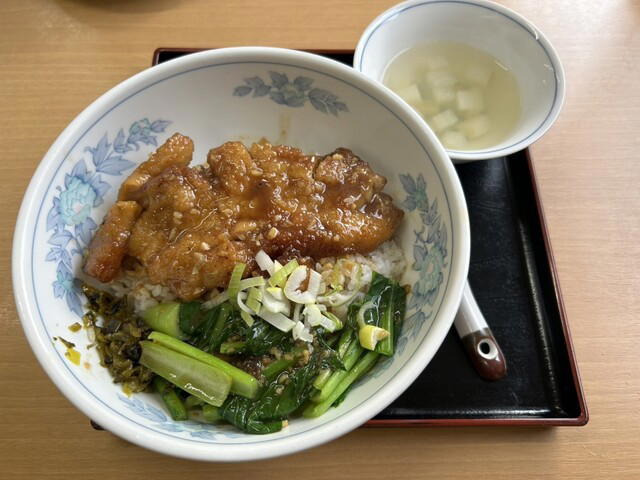
The menu
What to order
- Eggs, tomatoes, and pork
- Chinese rice porridge
Approach Taiwan Shokitsu Ten Chinron as a Funabashi restaurant whose appeal is best read through its listed categories rather than through assumptions about ceremony or setting. The useful starting point is straightforward: Taiwanese and Chinese cooking, with Chinese rice porridge included in the identity, gives the meal a rice-centered frame alongside more familiar Chinese-restaurant cues.
Taiwan Shokitsu Ten Chinron sits on Chiba’s dining map as a Funabashi venue with outside recognition attached. Its selection for Tabelog Hyakumeiten Chinese cuisine in 2026 gives the restaurant a credential that changes how to read it. This is not a claim about luxury or scale; it is a Funabashi restaurant being measured within a broader field for Chinese cooking.
Taiwanese-Chinese cooking built around rice, comfort, and heat control
The useful frame here is category and execution rather than luxury sourcing. Taiwanese cooking, especially when rice porridge is part of the identity, rewards attention to texture, salinity, and restraint. Rice is not just a background element in this kind of meal; it can be the structure that lets pickled, braised, fried, and simmered elements make sense at the table. In Japan, where Chinese restaurants can range from set-meal convenience to banquet-style dining, a Taiwanese category with Chinese rice porridge signals a distinct center of gravity.
That distinction matters for travelers using Funabashi as more than a commuter stop. The city’s casual dining range is broad, and the comparison set is instructive. Akasaka Ajiichi sits in the same wider local conversation, while Ayutthaya pushes the local map toward Thai cooking. BHOYE CHHEN adds another South Asian reference point. Against that spread, Taiwan Shokitsu Ten Chinron reads less like a generic Chinese option and more like a specific Taiwanese-Chinese lane with enough recognition to register beyond a simple neighborhood listing.
Funabashi’s advantage is price and frequency. Tokyo’s Chinese dining conversation often splits between high-end course menus and quick station-area meals; Chiba’s recognized small restaurants can occupy a more practical middle. This restaurant’s Tabelog score of 3.63 and Hyakumeiten recognition place it in that useful zone: serious enough to plan around, with pricing that keeps the cooking itself at the center.
A neighborhood format, not a destination dining performance
The restaurant’s appeal is best understood through practical focus rather than staged occasion. The available details point toward a venue to read through its Taiwanese, Chinese, and Chinese rice-porridge categories, not through luxury signals. For diners building a meal around comfort, rhythm, and heat control, that restraint is part of the point.
The setting also explains why the restaurant sits differently from Funabashi’s broader food circuit. Other Funabashi dining rooms and daily-food specialists speak to different strands of local eating, while Taiwan Shokitsu Ten Chinron gives the city a clearly identified Taiwanese-Chinese reference. For a wider view of the area, our full Funabashi restaurants guide is the natural companion, with our full Funabashi hotels guide, our full Funabashi bars guide, our full Funabashi wineries guide, and our full Funabashi experiences guide covering the rest of the trip architecture.
Recognition is the editorial hook, but the category is the reason to go. Taiwanese restaurants in Japan often operate with fewer formal signals than sushi, kappo, or French-influenced tasting counters. That makes external recognition useful: it helps distinguish a listed specialist from the many Chinese-labeled restaurants clustered around stations and shopping streets. Here, the award history does not promise ceremony. It suggests that a Funabashi restaurant has earned attention for execution inside a crowded regional field.
How to place it within a Japan-wide eating itinerary
For travelers moving across Japan, Taiwan Shokitsu Ten Chinron works as a corrective to the usual prestige route. A trip built only around Tokyo counters and Kyoto tasting menus can miss the suburban restaurants where regional appetite is more visible. The same logic applies across Japan: smaller regional dining rooms, casual specialists, and neighborhood kitchens can anchor a day outside the most obvious luxury circuit without needing to imitate it.
That broader map is useful because Taiwanese-Chinese cooking rarely travels under a single luxury banner. It appears in rice dishes, porridge, small plates, family meals, and late lunches, often with more emphasis on repeatability than spectacle. In that sense, Funabashi is not a compromise location; it is part of the argument. The city’s lower-pressure dining economy allows a specialist kitchen to be taken seriously without dressing itself up as a formal course-menu room.
For comparative eating across Asian casual formats, other regional restaurants in Japan can offer different lenses on how comfort cooking, rice-centered meals, and everyday dining cultures travel. Funabashi’s Taiwanese-Chinese address belongs on that same practical map: not grand, not anonymous, and stronger for being specific.
Frequently asked questions
Would Taiwan Shokitsu Ten Chinron be comfortable with kids?
The provided listing details identify Taiwan Shokitsu Ten Chinron as a Funabashi restaurant in the Taiwanese, Chinese, and Chinese rice-porridge categories. For family suitability or child policies, confirm directly with the restaurant before visiting.
What is the atmosphere like at Taiwan Shokitsu Ten Chinron?
It reads as a focused Funabashi restaurant to approach through its Taiwanese, Chinese, and Chinese rice-porridge cooking rather than through luxury signals. The main draw is the specific category and recognized execution.
What's the pricing like at Taiwan Shokitsu Ten Chinron?
Pricing at Taiwan Shokitsu Ten Chinron is listed as dinner JPY 3,000 - JPY 3,999 and lunch JPY 1,000 - JPY 1,999.
What's the address for Taiwan Shokitsu Ten Chinron?
Funabashi.
Can I walk in to Taiwan Shokitsu Ten Chinron?
The provided listing details do not establish a walk-in or reservation policy. Given its Tabelog Hyakumeiten Chinese cuisine recognition in 2026, the safer move is to check directly with the restaurant before going.
What makes Taiwan Shokitsu Ten Chinron worth seeking out?
Its main credential is Tabelog Hyakumeiten recognition in 2026, alongside a Tabelog score of 3.63. Add the Taiwanese, Chinese, and Chinese rice-porridge focus, plus price points of JPY 1,000–1,999 at lunch and JPY 3,000–3,999 at dinner, and it reads as a serious everyday stop rather than a special-occasion showpiece.
A Quick Peer Check
Comparable venues by cuisine and price in the same metro.
| Venue | Cuisine | Price | Awards | Notes |
|---|---|---|---|---|
| Taiwan Shokitsu Ten ChinronThis venue (the venue you are viewing) | Taiwanese-Chinese comfort food | $20–30 | Tabelog 100 #85 | Not listed |
| Shogetsu En | Traditional Yakiniku (Japanese BBQ) | $20–30 | Tabelog 100 #13 | Keisei Nishifuna |
| Akasaka Ajiichi | Classic niboshi ramen shop | $1–10 | Tabelog 100 #60 | / Funabashi |
| Tomonomoto | Ramen shop | $10–20 | Tabelog 100 #46 | Higashi Kaijin |
| Teppanyaki Kuku | Teppanyaki & Wagyu Steakhouse | $50–100 | Tabelog 100 #75 | Nishi-Funabashi |
| Gandhi | Indian Curry House | Not listed | Tabelog 100 #56 | Funabashi |
Recognition history
Dated appearances from independent guides and award organizations, with the underlying list record or original source where available.
Tabelog 100 #85 · No. 85
Tabelog · Tabelog 100 - Chinese cuisine - EAST - 2026
Continue exploring
More in Funabashi
Restaurants in Funabashi
All restaurants in Funabashi →









Details
- Cozy
- Classic
- Casual Hangout
- Family
- Solo
- Group Dining
- After Work
- Standalone
- A La Carte
- Counter Dining
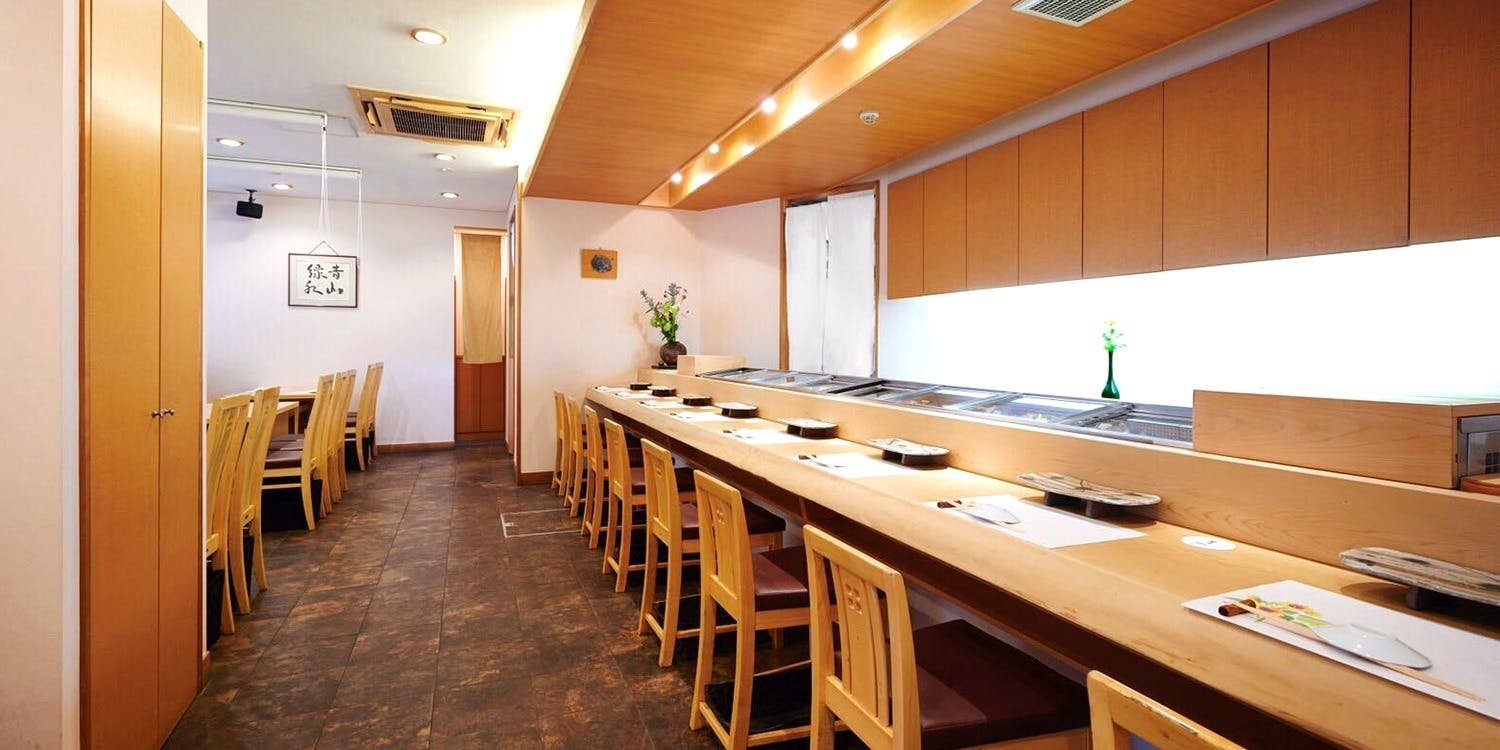
A nostalgic, house-like Taiwanese-Chinese eatery with counter seating and a compact dining room, non-smoking and relaxed, drawing families, solo diners, and friends for casual, home-style meals rather than formal occasions.