Taiko Japanese Restaurant
Taiko Japanese Restaurant on Jeffrey Road brings a focused Japanese kitchen to Irvine's restaurant corridor, where sourcing discipline and ingredient quality carry more weight than celebrity spectacle. The address sits within a suburban dining scene that has grown considerably more serious in recent years, giving Taiko a local context that rewards the informed visitor.
Pearl is the En Primeur Club membership app — saves, bookings, and concierge access live there. Same editors, same standards.
- Address
- 14775 Jeffrey Rd, Irvine, CA 92618
- Phone
- (949) 559-7190
- Website
- taikooc.com
- Directions
- Get directions
 Saves & bookings on Pearl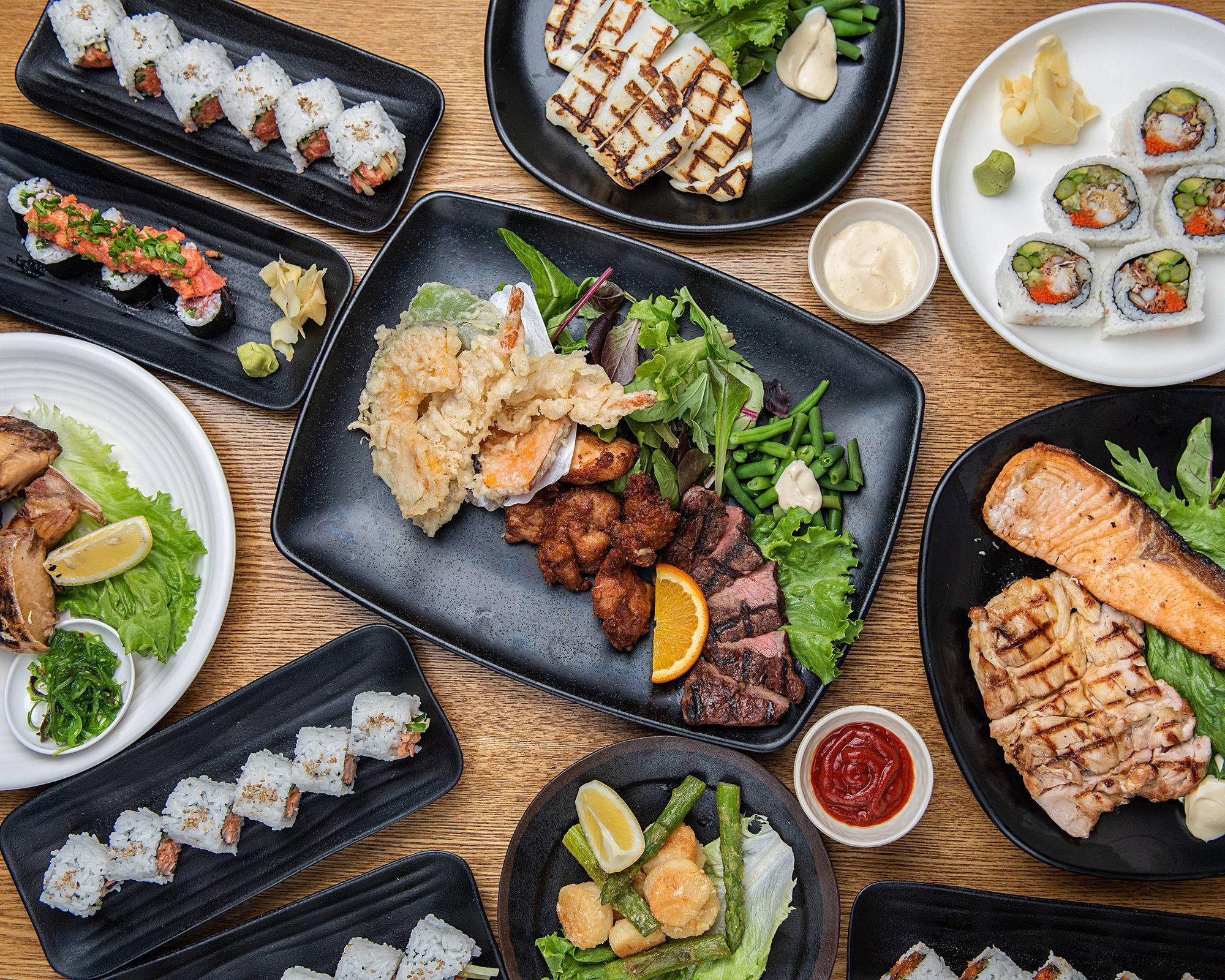
Where Jeffrey Road Meets Japanese Discipline
Irvine's dining corridor along Jeffrey Road has gradually assembled a more considered restaurant inventory than its suburban geography might suggest. The stretch draws from a densely populated residential base, a substantial university community, and one of Southern California's larger concentrations of Japanese and Japanese-American residents, a demographic mix that tends to hold Japanese kitchens to a higher standard of sourcing and technique than comparable suburban markets elsewhere in the country. Taiko Japanese Restaurant sits inside that context at 14775 Jeffrey Rd, and that context matters more than the address itself.
Japanese cuisine in suburban Southern California occupies a particular position within the broader American Japanese dining conversation. On one end, urban omakase counters in Los Angeles, some operating in the same competitive tier as Atomix in New York City or the precision-focused tasting formats at Alinea in Chicago, pull the category upmarket. The middle tier, where a serious suburban Japanese kitchen operates with ingredient intention but without omakase pricing, is where interesting dining often happens for the everyday visitor. Taiko occupies space in that tier.
The Sourcing Question at the Heart of Japanese Cooking
The key question when assessing any Japanese restaurant, in Irvine or anywhere, is ingredient provenance. Japanese cuisine, more than almost any other tradition, is organized around the quality and seasonality of its raw materials. The philosophy embedded in washoku, Japan's traditional dietary culture recognized by UNESCO, treats sourcing not as a marketing claim but as the structural foundation of the meal. A kitchen that takes this seriously will rotate its offerings with the calendar, reflect seasonal fish availability, and make sourcing decisions that are legible on the plate rather than described only on a chalkboard.
This stands in contrast to the approach at farm-to-table American formats like Blue Hill at Stone Barns in Tarrytown or Single Thread Farm in Healdsburg, where sourcing narratives are front-and-center and often drive the tasting menu structure entirely. Japanese kitchens tend to wear sourcing more quietly, the quality is assumed to be present in the product, and the cook's restraint does the explaining. That discipline is harder to perform consistently in a suburban setting, where supply chains are less predictable than in urban markets with direct Japanese import access.
Southern California, however, benefits from proximity to the Port of Los Angeles and to a Japanese wholesale infrastructure, particularly around the Torrance and Gardena corridor, that gives regional Japanese restaurants access to imported fish, specialty produce, and pantry staples that most American suburban markets cannot reach. That access shapes what a kitchen like Taiko can plausibly put on the table and why Orange County's Japanese restaurant density carries more weight than it might in an equivalent market further inland.
Irvine's Japanese Dining Scene in Brief
Irvine does not sit on the same radar as the Japanese dining destinations most frequently cited by national food media. Providence in Los Angeles and The French Laundry in Napa define California's high end of formal dining, while Lazy Bear in San Francisco represents the kind of community-format innovation that shapes national conversation. Irvine operates below those registers, but it compensates with a restaurant community that is notably well-supported by its population base and, in the case of Japanese dining specifically, by genuine cultural demand rather than trend-chasing.
The city's wider restaurant roster reflects this range. Andrei's Restaurant anchors the European fine dining corner of the local market. Bistango sustains a long-running presence in the upscale California contemporary category. Capital Seafood Restaurant draws the Cantonese dim sum crowd with the same seriousness that the city's Asian dining community applies to Japanese formats. Taiko finds its peer position within this mix: a Japanese kitchen on a well-trafficked road with a residential catchment that includes a meaningful share of diners who eat Japanese food with frequency and expectation.
What to Eat, and When
Japanese menus structured around seasonal sourcing shift most visibly between late autumn and early spring, when cold-water fish are at their peak and the kitchen's procurement priorities change accordingly. In summer months, lighter preparations and different cuts tend to appear. A visitor arriving in October through February is likely to encounter one compelling sourcing window for cold-water species, a pattern consistent across serious Japanese kitchens from Le Bernardin in New York City to local suburban counters in Southern California.
Ordering strategy at a focused Japanese kitchen generally rewards deference to the kitchen's current emphasis rather than defaulting to a fixed roll menu. Dishes that signal seasonal sourcing intention, whether through daily specials, omakase supplements, or a rotating crudo section, tend to reflect the kitchen's actual priorities more accurately than anchor menu staples that appear year-round.
The Jeffrey Road address places it near the 5 Freeway interchange, making it accessible from both north Orange County and the South Bay.
Nearby-ish Comparables
Comparable venues nearby, for context on price, style, and recognition.
| Venue | Cuisine | Price | Notes |
|---|---|---|---|
| Taiko Japanese RestaurantThis venue — the venue you are viewing | Japanese Sushi | $$$ | Not listed |
| SOL Mexican Cocina | Modern Coastal Mexican | $$$ | Centerview |
| Andrei's Restaurant | California Cuisine with Mediterranean Flavors | $$$ | Irvine Business Complex |
| Oliver's Trattoria | Modern Emilia-Romagna Italian Trattoria | $$$ | Quail Hill |
| Twenty Eight | Modern American Steakhouse with Asian Influences | $$$ | Irvine Business District |
| O Fine Japanese Cuisine | Contemporary Japanese Omakase | $$$ | Irvine |
Continue exploring
More in Irvine
Restaurants in Irvine
Browse all →
Bars in Irvine
Browse all →
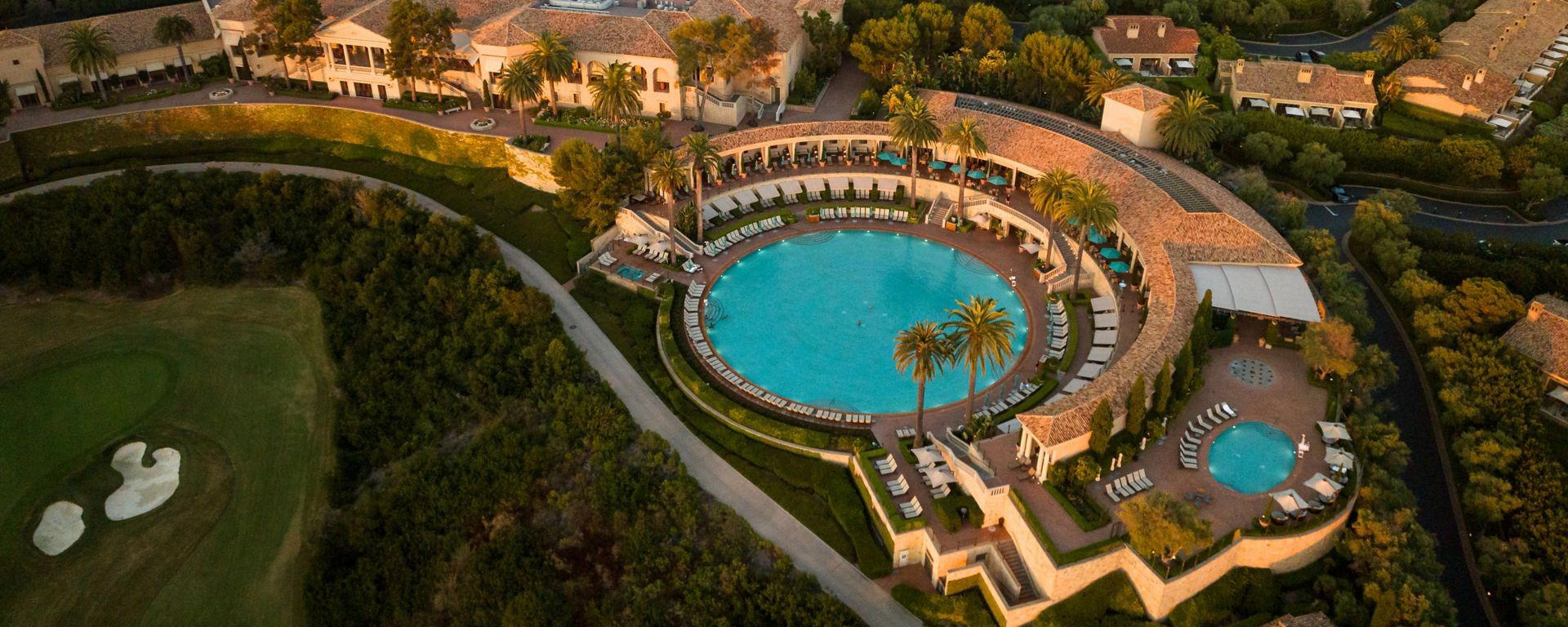
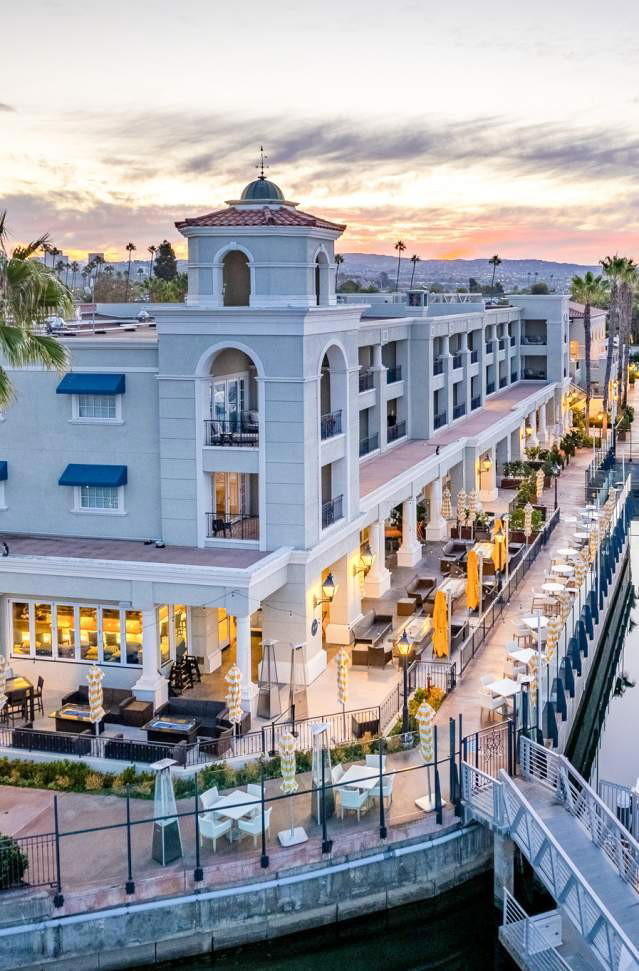
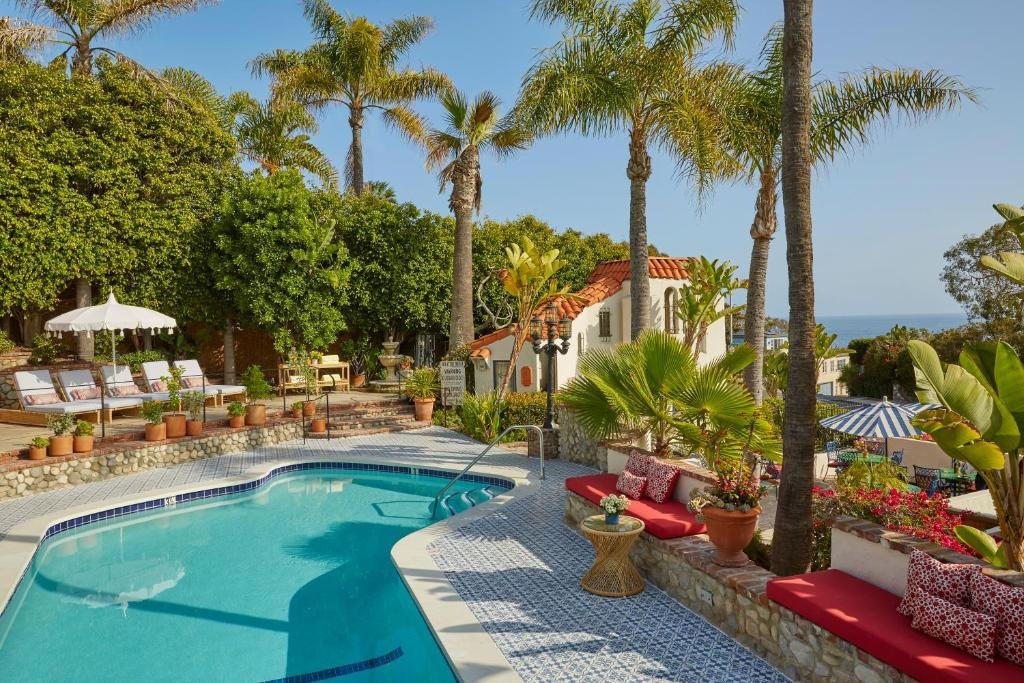
Hotels in Irvine
Browse all →

Wineries in Irvine
Browse all →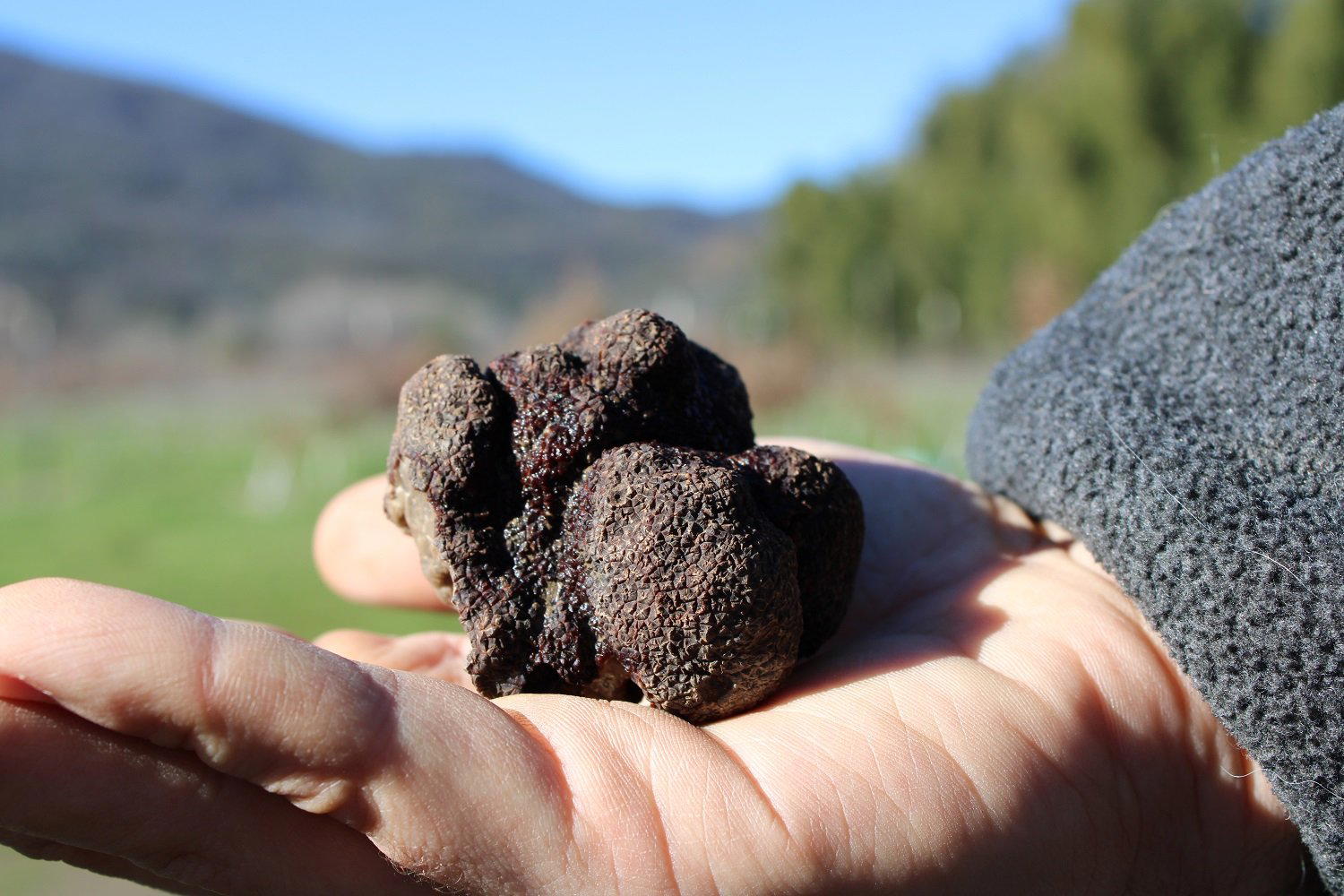
At a Glance
- Cozy
- Family
- Group Dining
- Sake Program
Current opening hours
- Monday
- 11:30 AM–2 PM, 5–9 PM
- Tuesday
- 11:30 AM–2 PM, 5–9 PM
- Wednesday
- 11:30 AM–2 PM, 5–9 PM
- Thursday
- 11:30 AM–2 PM, 5–9 PM
- Friday
- 11:30 AM–2 PM, 5–9 PM
- Saturday
- 11:30 AM–2 PM, 5–9 PM
- Sunday
- 4:30–8:30 PM
Hours can change for holidays and private events. Last verified .
Warm and relaxing atmosphere.