
Tage occupies a prominent address on Hamngatan in Piteå, a northern Swedish city where serious dining sits at the intersection of Arctic seasonality and Norrland culinary tradition. The restaurant represents the kind of destination that makes Sweden's provincial dining scene worth tracking, operating in a city more often associated with coastal industry than fine food. Visitors to Piteå should read our full city guide before booking.
Pearl is the En Primeur Club membership app — saves, bookings, and concierge access live there. Same editors, same standards.
- Address
- Hamngatan 60, 941 32 Piteå, Sweden
- Phone
- +4691113111
- Website
- restaurangtage.se
- Directions
- Get directions
 Saves & bookings on Pearl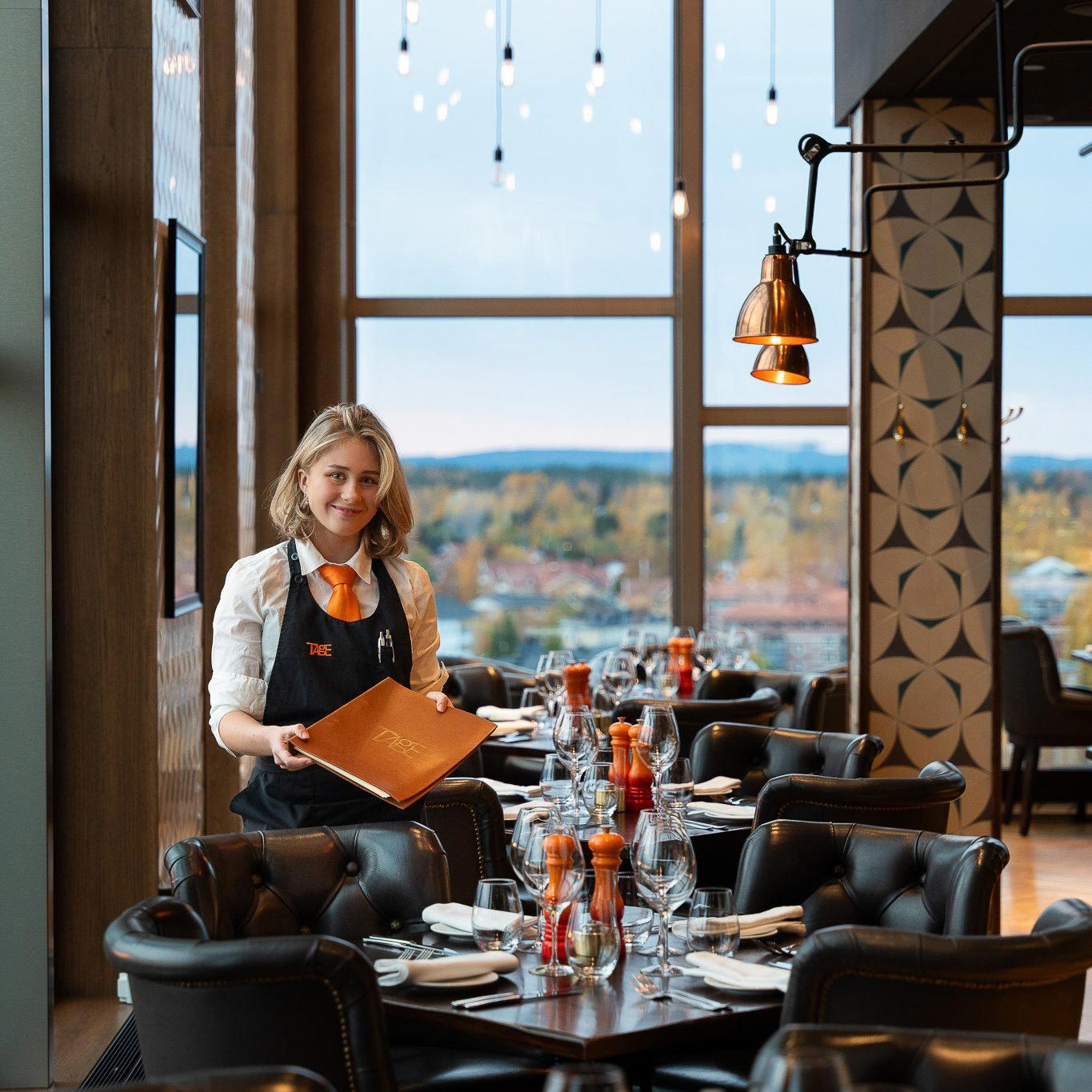
Dining at Latitude 65: What Piteå's Restaurant Scene Tells You About Northern Swedish Food
There is a version of Swedish fine dining that exists almost entirely in Stockholm, Malmö, and Gothenburg, where Michelin inspectors make regular circuits and the press cycle is short. Then there is a quieter strand: restaurants in mid-sized northern cities, far above the culinary press lines, where the kitchen's relationship with the surrounding landscape is not a marketing angle but a practical reality. Piteå, on the Bothnian coast roughly 100 kilometres south of the Arctic Circle, belongs to the second category. Tage is a restaurant in Piteå, Sweden, at Hamngatan 60, serving modern Nordic steakhouse cooking.
Understanding what a restaurant like Tage means requires some grounding in what Norrland Swedish cooking actually is, not what the New Nordic movement made it look like from the outside. This is a cuisine shaped by long winters, coastal access to the Bothnian Sea, and a foraging and preservation culture born of necessity rather than trend. Fermented fish, cured meats, cloudberries, lingonberries, root vegetables stored from autumn: these are not affectations in northern Sweden. They are the architecture of a food culture that predates the current wave of Scandinavian restaurant attention by centuries.
Piteå as a Dining City: The Northern Swedish Restaurant Tier
Sweden's restaurant conversation has historically been stratified by geography. The country's Michelin-starred addresses are concentrated heavily in its three largest cities: Frantzén in Stockholm occupies the pinnacle of that Stockholm tier, while cities like Malmö have produced their own serious operators, including Vollmers in Malmö. The New Nordic creative tier extends further, to addresses like VYN in Simrishamn and ÄNG in Tvååker. Below and alongside this Michelin-tracked cohort, there is a denser layer of provincial restaurants doing serious work with less institutional attention.
Piteå sits in that provincial tier, and it has more culinary infrastructure than its modest tourism profile suggests. KUST Hotell & Spa brings a coastal hospitality format to the city, while Territory54 represents another strand of contemporary dining in the same compact centre. The existence of multiple distinct dining formats within a city this size points to a local appetite for eating out that goes beyond what the city's international profile would predict. Visitors planning a broader Swedish itinerary might also consider the range of serious regional restaurants elsewhere in the country, from Signum in Mölnlycke to Knystaforsen in Rydöbruk, which illustrate how far Sweden's serious dining extends beyond its three largest cities.
The Cultural Weight of Arctic Seasonality
Any serious restaurant operating at this latitude is working within constraints that kitchens in central Europe rarely face at the same intensity. The growing season is compressed, the winters are long and dark, and the supply of local ingredients moves in patterns that demand a menu philosophy rooted in preservation and substitution. This is not a hardship distinctive to Piteå: Camp Ripan in Kiruna, further north still, operates under similar conditions. What these restaurants share is an enforced intimacy with seasonal reality that kitchens in more temperate climates can choose to ignore.
In this context, the cultural roots of northern Swedish food become the operating logic of a kitchen, not its decorative framing. The Sami influence on Norrland cooking, the Baltic coastal fishing tradition, the preservation techniques developed across generations of long winters: these shape what a kitchen at this latitude can actually do. The leading parallel from a purely structural standpoint might be island or fjord-side restaurants in Norway and Iceland, where geography dictates ingredient access as much as any chef's aesthetic preference.
Sweden's current restaurant generation has processed these traditions through a contemporary lens, drawing on the broader Nordic revival that made names like 28+ in Gothenburg and PM & Vänner in Växjö recognisable beyond their home cities. The northern variant of this movement has less press coverage but a more direct relationship with the ingredients and traditions it draws on.
Hamngatan 60: What the Address Signals
Piteå's town centre is compact, and Hamngatan is its commercial spine, running close to the waterfront in a grid that reflects the city's eighteenth-century planning. A restaurant at Hamngatan 60 is not on the periphery of town or in a converted industrial building on the outskirts: it is in the middle of where Piteå does its daily business. That positioning places Tage in conversation with the city's civic life rather than outside it, which is a meaningful distinction in a town where the restaurant scene is still building its identity.
The address also signals something about the likely clientele mix. Central Piteå restaurants draw from the city's professional and business community as well as from the summer coastal tourism that brings visitors to the Piteå archipelago. The combination produces a dining room that serves both the local regulars who keep a restaurant viable and the occasional visitor arriving with higher reference points from Stockholm or abroad.
Where Tage Sits in the Broader Swedish Dining Conversation
Restaurants at this level in Swedish provincial cities occupy a specific role in the national dining ecosystem. They are rarely the subject of international food media, but they carry the tradition forward in cities that matter to Sweden's actual culinary geography. The comparison set for Tage is not Frantzén or the tasting menu operations with three-month waiting lists. It sits closer to addresses like Adrian Restaurang in Borås, Brasserie Park in Jonköping, or Enoteket in Norrköping: restaurants doing consistent serious work in cities that rarely appear on international itineraries.
For international visitors with a reference point in global fine dining, the relevant comparison might be what happens at Le Bernardin in New York City or Atomix in New York City with local tradition and premium ambition, translated into a provincial Swedish context. The ambition and the ingredient story can be equally serious; the format and scale are different. Beyond Sweden, the broader Nordic restaurant tradition documented through addresses like Lilla Bjers in Visby illustrates how far the country's serious eating extends beyond its capital.
Planning a Visit to Tage
Piteå is reached most directly by flying into Luleå Airport, roughly 50 kilometres to the north, which has connections from Stockholm Arlanda. The drive south from Luleå into Piteå takes under an hour along the E4 coastal highway. Visiting in summer brings the advantage of midnight sun and a more active town, with the Piteå archipelago drawing coastal visitors from June through August. Winter visits require more planning around light and temperature but offer a different, starker version of the Arctic north. Reservations are recommended, and opening hours are Monday closed; Tuesday through Thursday 5 to 10 PM; Friday and Saturday 4 PM to 1 AM; Sunday closed.
Budget and Context
Comparable venues nearby, for context on price, style, and recognition.
| Venue | Cuisine | Price |
|---|---|---|
| TageThis venue — the venue you are viewing | Pitea, Modern Nordic Steakhouse | $$$ |
| Territory54 | Central Piteå, Classic Steakhouse | $$$ |
| KUST Hotell & Spa | central Piteå, Modern Nordic Fine Dining | $$$ |
| Ångbryggeriet | central Piteå, pub | $$$ |
| Hemmagastronomi | center, Scandinavian Fine Dining | $$$ |
| Beijing8 | Östermalm, Modern Chinese Dumplings | $$ |
Recognition history
Dated appearances from independent guides and award organizations, with the underlying list record or original source where available.
White Guide Sweden Restaurants - Very Fine Level
White Guide
Continue exploring
More in Pitea
Restaurants in Pitea
Browse all →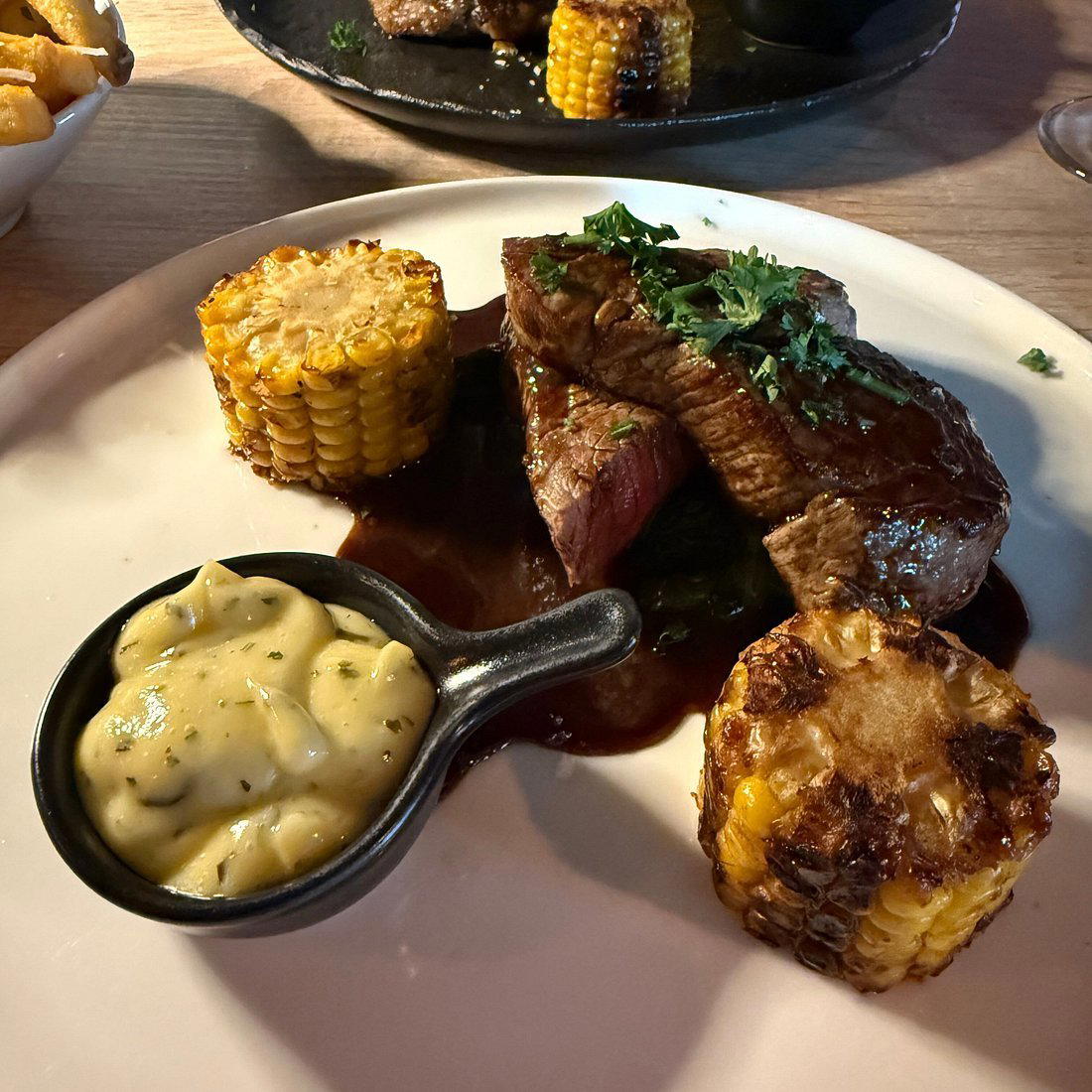
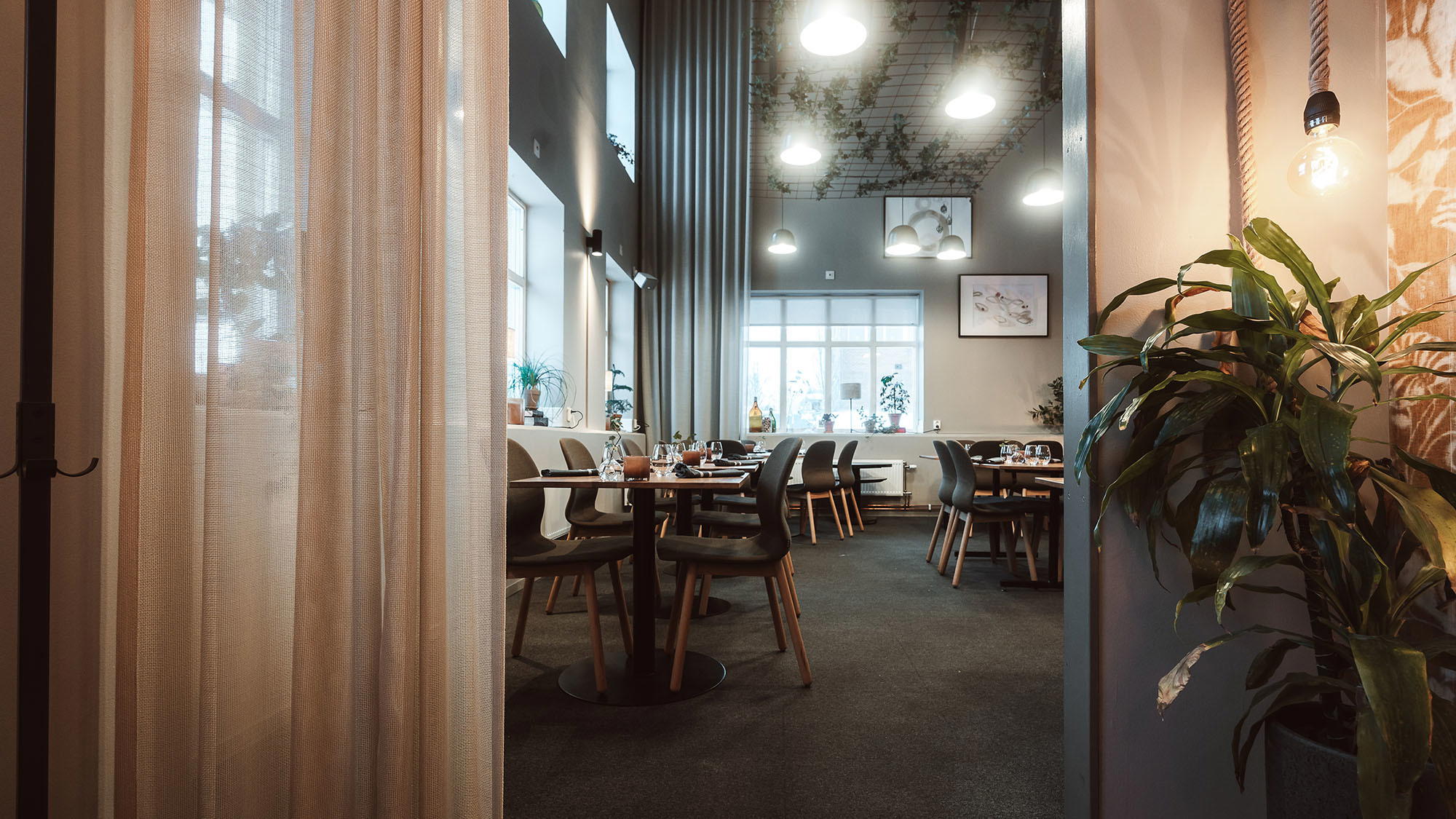
Bars in Pitea
Browse all →Hotels in Pitea
Browse all →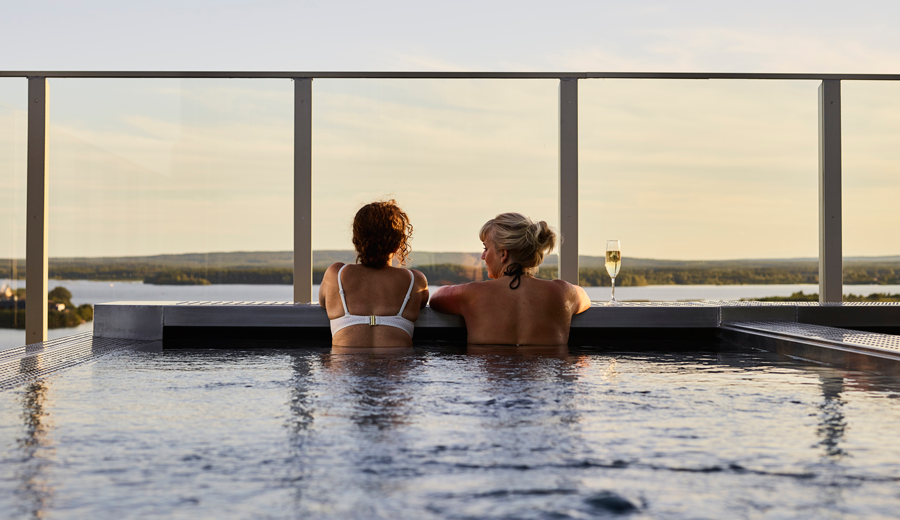
At a Glance
- Elegant
- Modern
- Scenic
- Sophisticated
- Date Night
- Business Dinner
- Celebration
- Special Occasion
- Panoramic View
- Open Kitchen
- Extensive Wine List
- Craft Cocktails
- Local Sourcing
- Waterfront
- Street Scene
Current opening hours
- Monday
- Closed
- Tuesday
- 5–10 PM
- Wednesday
- 5–10 PM
- Thursday
- 5–10 PM
- Friday
- 4 PM–1 AM
- Saturday
- 4 PM–1 AM
- Sunday
- Closed
Hours can change for holidays and private events. Last verified .
Stylish interior with panoramic windows offering far-reaching views of Piteälven river mouth and surroundings, creating a sophisticated yet welcoming atmosphere.