KUST Hotell & Spa sits on the Piteå waterfront at Hamngatan 60, positioning itself within northern Sweden's growing hospitality circuit where proximity to the Bothnian coastline shapes both the setting and the sourcing logic. The property occupies a tier of Swedish coastal hotels where local ingredient supply chains and spa access define the offering as much as the rooms themselves. For travellers routing through Norrland, it represents a considered base.
Pearl is the En Primeur Club membership app — saves, bookings, and concierge access live there. Same editors, same standards.
- Address
- Hamngatan 60, 941 32 Piteå, Sweden
- Phone
- +4691130000
- Website
- hotellkust.se
- Directions
- Get directions
 Saves & bookings on Pearl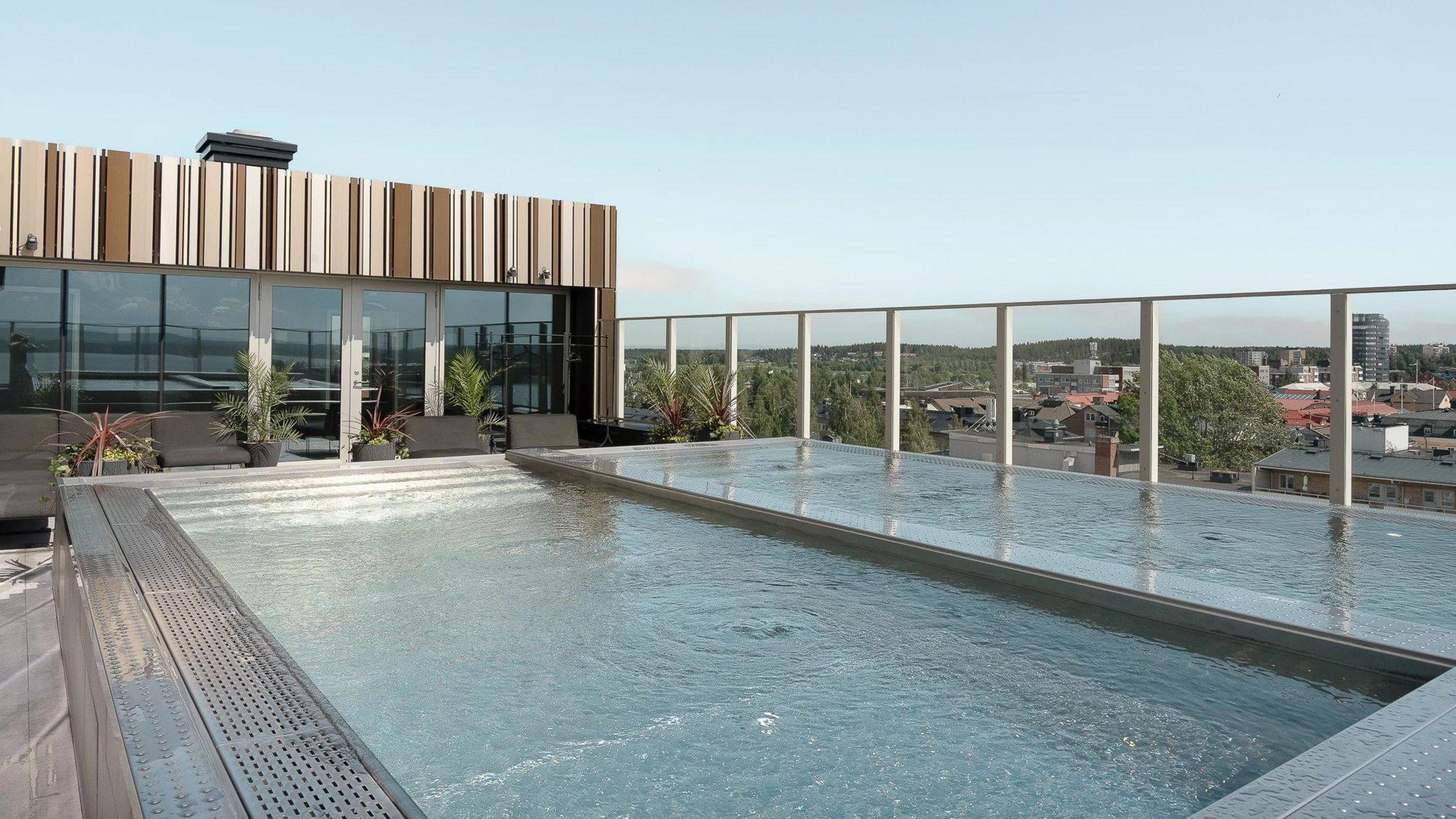
The Bothnian Coast as a Culinary and Spatial Argument
There is a particular logic to how northern Sweden's hotels sit relative to water. The Bothnian coast, running from the Gulf of Bothnia's northern reaches down through Norrland, has long supplied the raw material for a regional food culture that rarely receives the attention directed at Stockholm or Malmö: Baltic herring, Arctic char, foraged pine shoots, cloudberries harvested from surrounding bogs. KUST Hotell & Spa, addressed at Hamngatan 60 in Piteå, places itself directly within that geography. The name, Swedish for coast, signals that orientation. It signals an orientation that the leading Norrland properties share: the surrounding terrain is not backdrop, it is supplier.
Piteå sits roughly 100 kilometres south of the Arctic Circle, concentrating the growing season into a narrow window and pushing local producers toward preserving, fermenting, and cold-smoking techniques. The hotel's waterfront address on Hamngatan places it within walking distance of the town's small harbour.
Where KUST Sits in Sweden's Wider Hospitality Tier
Swedish premium hospitality has sorted itself into recognisable clusters. Stockholm carries the highest density of accoladed restaurants, from Frantzén downward through a serious mid-tier. Malmö has built a case for itself as a destination dining city, anchored by operations like Vollmers. Further south, Simrishamn's VYN and operations like Signum in Mölnlycke, 28+ in Gothenburg, and ÄNG in Tvååker demonstrate how Sweden's regional food culture extends well beyond its capital.
Norrland operates differently. The distances are longer, the population thinner, the ingredient supply more localised by necessity. Properties like Camp Ripan in Kiruna have shown that serious food and hospitality can anchor themselves in the far north by committing to that geography rather than approximating what exists further south. KUST operates within that same logic, serving a town that has historically been underrepresented in Swedish food editorial despite sitting in one of the country's most productive coastal foraging and fishing zones.
Within Piteå's own dining circuit, KUST occupies the hotel property end of a small but considered scene. Tage and Territory54 represent other reference points in the town's restaurant offering; the full picture of what Piteå currently offers is mapped in our full Piteå restaurants guide.
The Sourcing Argument in Norrland Coastal Hotels
At this latitude, ingredient sourcing is less a marketing position than a structural reality. Supply chains from central and southern Europe become impractical, and the seasonal window for fresh produce compresses dramatically. What remains is hyperlocal: fish from the Bothnian coast, game from surrounding forests, berries and fungi from terrain that is accessible by foot in summer and ski in winter. Hotels and restaurants that operate seriously in this environment tend to build menus that reflect those constraints directly, producing food that reads as inherently northern rather than as an approximation of broader Nordic or European cooking.
That approach has parallels in how properties further afield handle extreme-environment sourcing. Knystaforsen in Rydöbruk and Lilla Bjers in Visby both demonstrate the Swedish hospitality sector's interest in embedding food production within the property's own land or immediate surroundings. The Piteå context makes that approach even more pronounced: the surrounding coastline and forest function as a larder in a way that urban hotel kitchens cannot replicate regardless of sourcing budget.
For comparison, consider how internationally accoladed restaurants like Le Bernardin in New York City or Atomix in New York City source with precision at considerable logistical cost. In Norrland, that precision is geographic rather than transactional, the distance between sea and kitchen is measured in minutes, not supply chain steps.
The Spa Dimension and What It Signals
The spa designation at KUST places it within a specific Swedish hospitality category where wellness and landscape are treated as integrated rather than supplementary. Coastal spa properties in Scandinavia have developed a recognisable format: water access, thermal contrast (the cold-water plunge tradition is embedded in Swedish sauna culture), and a food programme that mirrors the wellness orientation of the broader offering. That integration is more coherent in northern properties than in urban ones, where the surrounding environment cannot as easily extend the spa's logic outward.
The Bothnian coastline in summer offers extended daylight. That seasonal specificity shapes not just the atmosphere of a stay but the timing logic for visitors. Summer arrivals will find long evenings that blur into early mornings; late autumn brings an abrupt shift toward darkness and an interior, sauna-weighted experience. Both are distinct propositions, and the right time to visit depends on which version of the northern coast a traveller is seeking.
Sweden's Regional Restaurant Circuit as Context
Readers building a broader Swedish itinerary should note that the country's serious regional dining extends across a wide geographic range. Properties like PM & Vänner in Växjö, Adrian Restaurang in Borås, Brasserie Park in Jönköping, and Enoteket in Norrköping all demonstrate that Sweden's culinary seriousness is not concentrated solely in its three largest cities. Piteå and KUST sit at the northern edge of that regional circuit.
Planning a Stay
KUST Hotell & Spa is located at Hamngatan 60, 941 32 Piteå, in northern Sweden. Piteå is accessible by air via Luleå Airport, approximately 50 kilometres to the north. The town is also reachable by train on the Botniabanan coastal line.
Frequently Asked Questions
What's the leading thing to order at KUST Hotell & Spa?
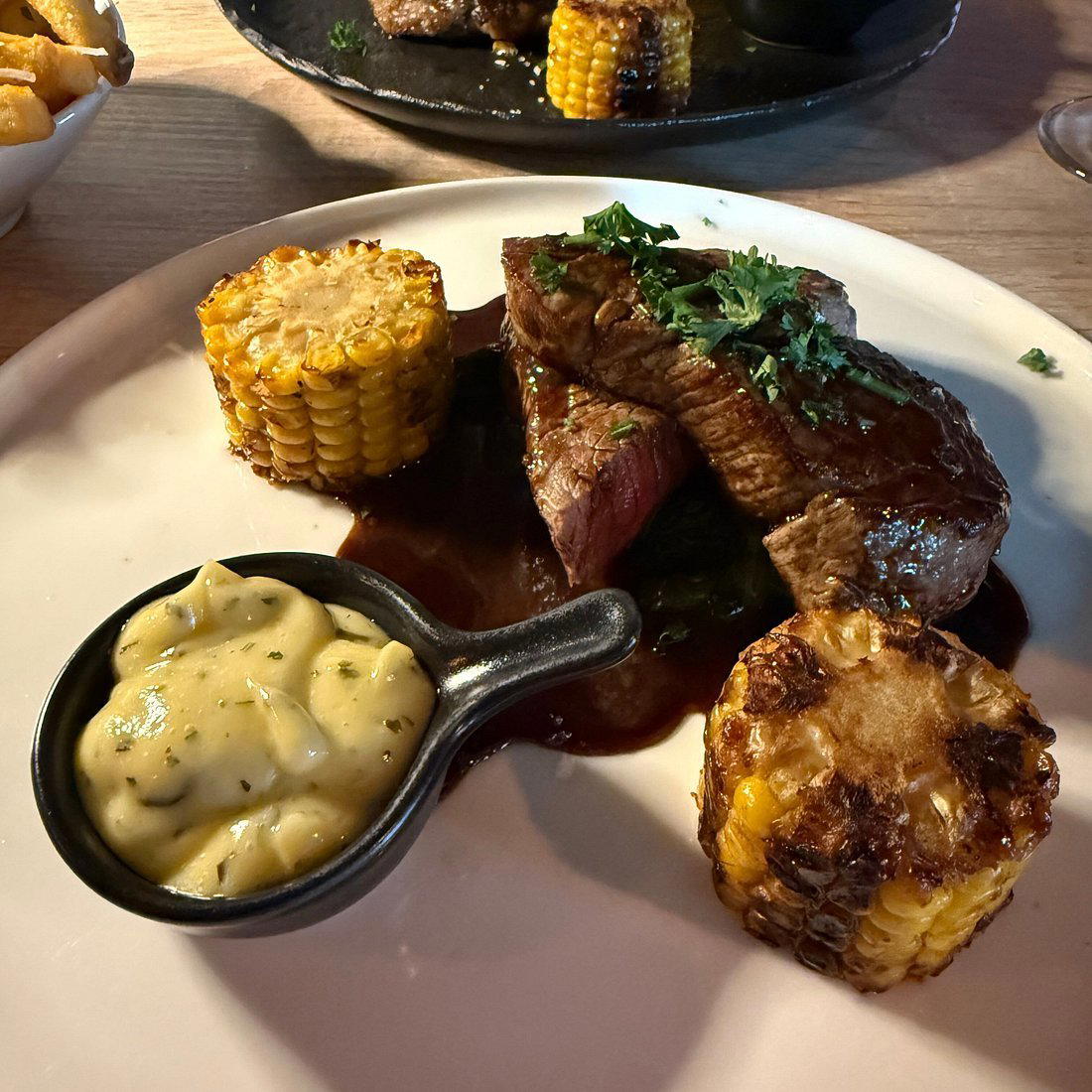
The sourcing logic of a Bothnian coastal property points toward fish and seafood as particularly coherent choices: Baltic herring, Arctic char, and local shellfish are the natural anchors of any serious kitchen at this latitude. Without access to the current menu, the general principle holds that dishes built around local catch will reflect the property's geographic advantage most directly.
Do they take walk-ins at KUST Hotell & Spa?
Hotel dining rooms in Piteå do not carry the same advance booking pressure as accoladed urban restaurants. That said, summer weekends in a coastal town with limited high-capacity alternatives can fill quickly, particularly during the midnight sun season. Contacting the property directly before arrival is the more reliable approach than assuming availability.
What do critics highlight about KUST Hotell & Spa?
Formal critical coverage of Piteå's hotel and restaurant scene is thinner than for Sweden's major cities, which itself reflects the underrepresentation of Norrland in mainstream Swedish food media rather than a deficit in the offering. The coastal positioning and spa format are particularly consistently noted elements among travel writers who have covered the northern Swedish coast.
Is KUST Hotell & Spa a year-round destination, or is there a particular season that suits it leading?
The property's Bothnian waterfront address makes it genuinely distinct across two separate seasons. Summer arrivals experience Piteå's midnight sun period, during which the town records particularly extended daylight hours on the Swedish coast, with outdoor dining and waterfront access at their most usable. Winter visits shift the experience toward the interior: the spa and sauna offering becomes the primary draw, and the surrounding landscape, under snow from November through March, suits a different kind of traveller entirely. Neither season is incidental to the hotel's identity.
Side-by-Side Snapshot
Comparable venues nearby, for context on price, style, and recognition.
| Venue | Cuisine | Price | Notes |
|---|---|---|---|
| KUST Hotell & SpaThis venue — the venue you are viewing | Modern Nordic Fine Dining | $$$ | Not listed |
| Territory54 | Classic Steakhouse | $$$ | Central Piteå |
| Tage | Modern Nordic Steakhouse | $$$ | Pitea |
| Ångbryggeriet | pub | $$$ | central Piteå |
| Restaurang CG | Scandinavian Charcoal Grill | $$$ | City Center |
| Rex | French Brasserie with Northern Swedish influences | $$$ | Rådhustorget |
Continue exploring
More in Pitea
Restaurants in Pitea
Browse all →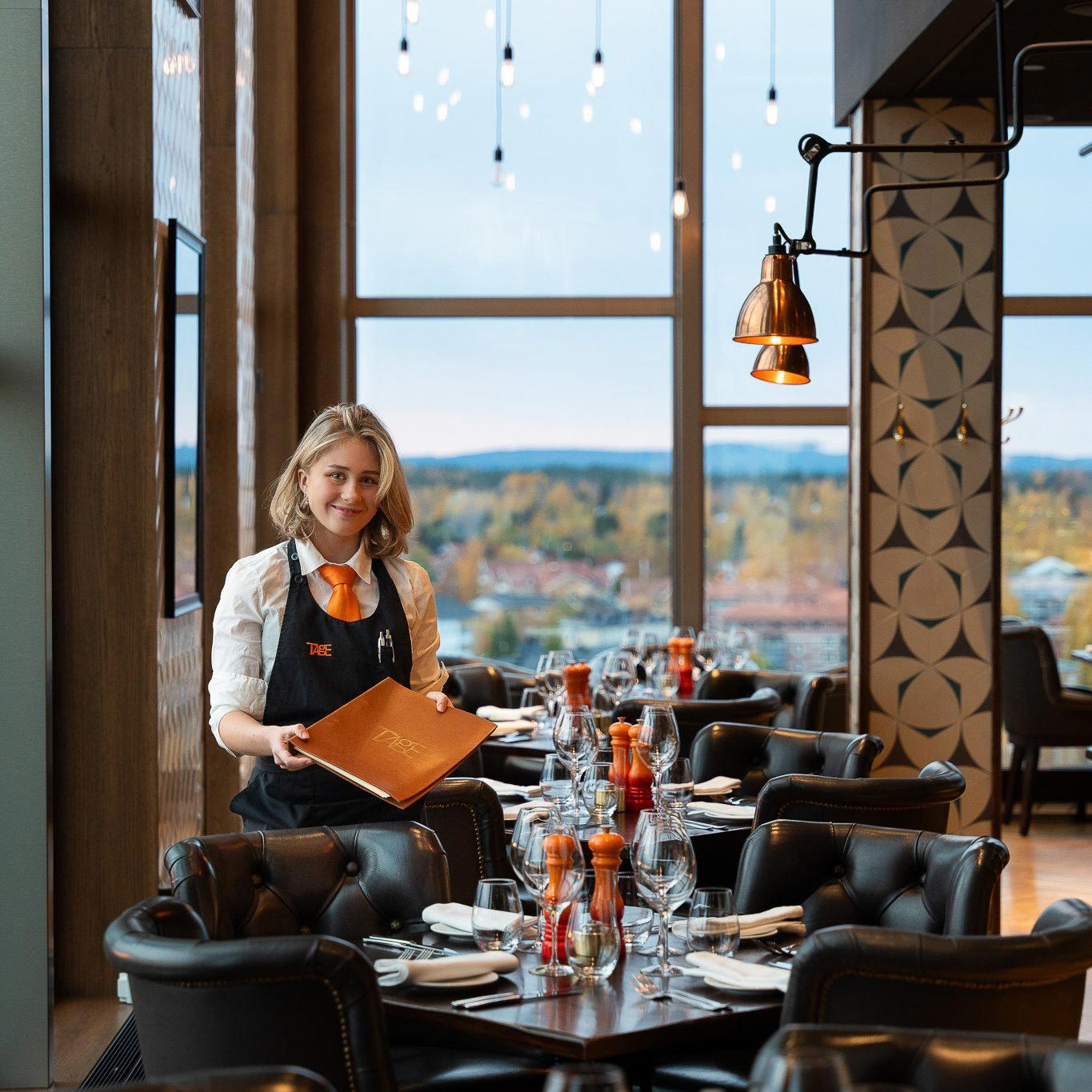
At a Glance
- Elegant
- Modern
- Sophisticated
- Date Night
- Special Occasion
- Hotel Restaurant
- Rooftop
- Panoramic View
- Extensive Wine List
- Local Sourcing
- Waterfront
Elegant and modern with panoramic sea views from the top floor, creating a sophisticated and relaxing atmosphere.