Taco time
Our verdict
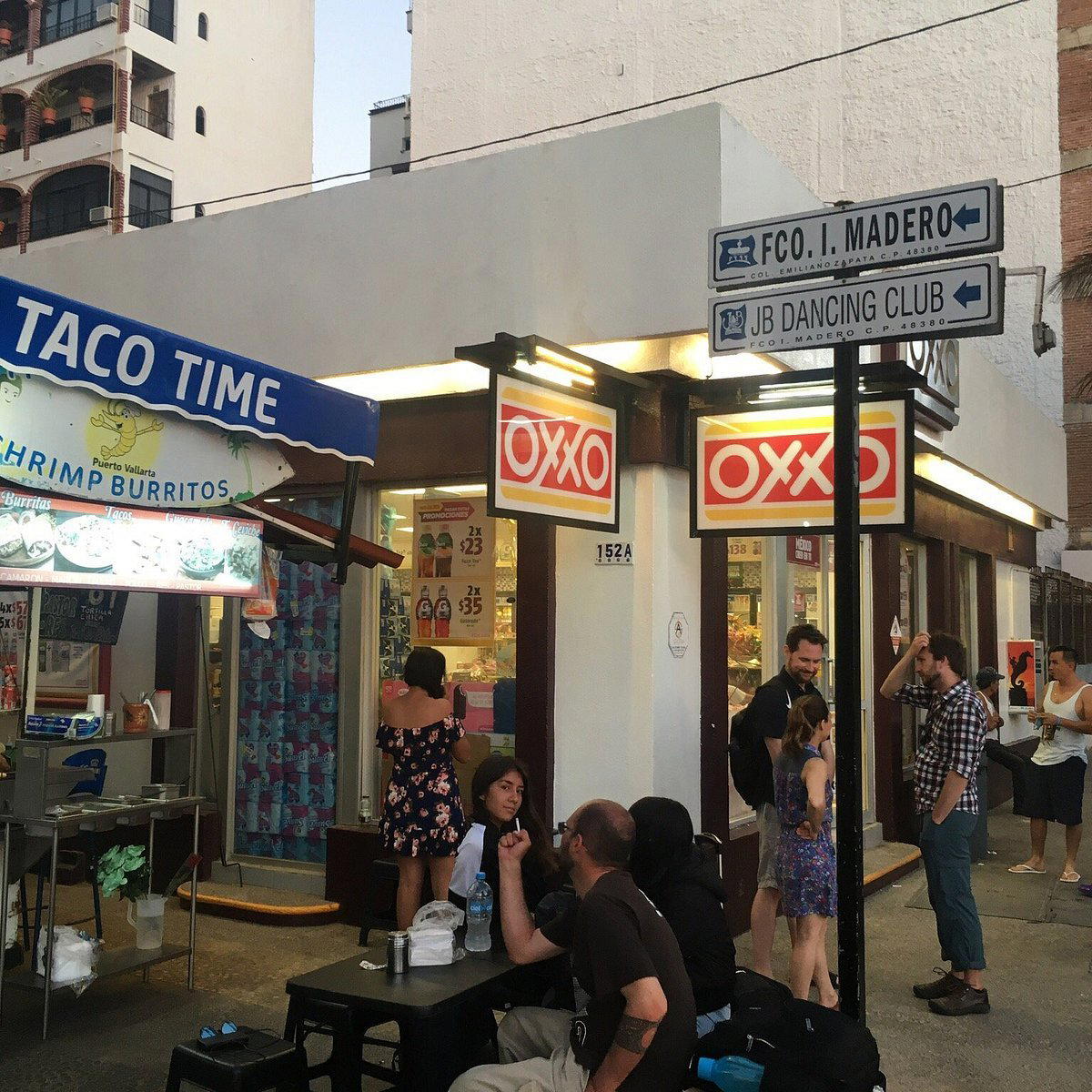
Puerto Vallarta's taco scene runs deep, and Taco Time sits within that tradition as a Jalisco street-food address operating in a city where casual eating and serious flavour often occupy the same plastic stool. For visitors mapping the city's eating options across price tiers, it represents the accessible, neighbourhood-rooted end of a scene that spans beachside palapas to white-tablecloth terraces.

Pearl is the En Primeur Club membership app, where members save venues, book tables and use the concierge.
The menu
What to order
- Shrimp burritos
- Mahi mahi tacos
Where Puerto Vallarta Eats Without a Reservation
There is a version of Puerto Vallarta that exists in hotel lobbies and tasting menus, and then there is the version that exists on plastic chairs under fluorescent light, where the tortillas are made by hand and the salsa arrives in a repurposed squeeze bottle. Taco Time belongs to the second category. In a city where the dining spectrum runs from Café des Artistes at one end to beachside fish tacos at the other, the middle tier is where most locals actually eat, and that tier is defined less by design ambition than by consistency, price, and the rhythm of a working neighbourhood.
Puerto Vallarta's street-food and casual taco culture is rooted in Jalisco tradition. The state's culinary identity runs on birria, carnitas, and al pastor cooked on trompo, and those preparations show up in some form at nearly every informal taco address in the city. What separates one operation from another is rarely the ingredient list and more often the quality of the tortilla, the heat of the comal, and whether the meat has been resting or freshly cut. These are the variables that local diners track.
The Physical Setting and What It Signals
Casual taco formats in Puerto Vallarta tend to occupy one of two spatial types: the open-air street stand, which operates curbside with no fixed seating, and the semi-enclosed taqueria, which adds a roof, a counter, and perhaps a few tables without crossing into restaurant territory. The distinction matters because it shapes both the experience and the economics. A covered counter operation can extend hours into the evening, handle higher volume, and offer a slightly expanded menu without losing the informality that defines the category.
The physical container of a taqueria is, in this sense, an editorial statement about price point and intent. Tile countertops, metal stools, hand-lettered menus on chalkboard or laminated card: these are signals that the kitchen's energy goes into the cooking rather than the room. In Mexican street-food culture, decoration is largely irrelevant. What matters is that the comal is hot, the tortillas are fresh, and there is enough throughput to keep the protein rotating. A taqueria that looks too finished often raises suspicion among locals that the priorities have shifted.
Taco Time, operating in the Jalisco coastal context, sits within this informal spatial tradition. The address in Puerto Vallarta places it in a city that has developed significant tourist infrastructure over the past three decades without entirely displacing its neighbourhood eating culture. The Zona Romántica, the Emiliano Zapata corridor, and the areas north toward Marina Vallarta each have distinct characters, and the presence of casual taco operations in residential-adjacent zones is part of what keeps those neighbourhoods functional for people who live there year-round rather than seasonally.
Puerto Vallarta's Eating Tiers: Where Casual Fits
The city's dining scene has stratified considerably. At the premium end, restaurants like Balam Balam and Campomar Puerto Vallarta operate with plated presentations and wine programs that would not look out of place in Guadalajara or Mexico City. Mid-tier operations like Calmate Cafe and Bean and Brick occupy a comfortable casual-daytime register. Below that sits the taqueria tier, which in Puerto Vallarta serves both tourists who have figured out how the city actually eats and locals for whom this format is simply Tuesday lunch.
The economics of the taqueria tier are worth understanding. In cities like Puerto Vallarta, where tourism has pushed up real estate costs in certain zones, casual taco operations function as price anchors. They are often the last category to shift pricing because their customer base is predominantly local and cost-sensitive. That relationship keeps them honest. A taqueria that raises prices without improving quality loses its regulars quickly, and in a neighbourhood setting, regulars are the business model.
This dynamic is visible across Mexico's broader casual dining culture. The same logic that sustains the taqueria tier in Puerto Vallarta applies in the street markets around Levadura de Olla Restaurante in Oaxaca and in the casual lunch spots that exist in the orbit of destination restaurants like Pujol in Mexico City or Alcalde in Guadalajara. The formal and informal ends of Mexican dining are not separate systems; they share ingredients, technique lineage, and often personnel.
The Jalisco Taco Canon
Understanding what to expect at a Jalisco-rooted taqueria requires knowing the regional baseline. Birria is the state's most exported contribution to taco culture globally, a slow-braised meat preparation, traditionally goat but now commonly beef, served in corn tortillas with consommé for dipping. Al pastor, the trompo-cooked marinated pork preparation with Lebanese origins that arrived via Mexico City, has become universal enough to appear on virtually every taqueria menu in the country. Carnitas, the Michoacán-adjacent preparation of slow-cooked pork, is similarly standard. What varies is execution: fat content, seasoning balance, tortilla thickness, and the quality of accompaniments.
For visitors coming to Puerto Vallarta from higher-intensity dining destinations within Mexico, such as Le Chique in Puerto Morelos or HA' in Playa del Carmen, the taqueria format offers a useful recalibration. The techniques on display are different in register but not in seriousness. A cook managing a busy trompo or a large clay pot of birria is exercising skill that is simply less legible to a fine-dining audience than a plated tasting course.
Planning Your Visit
Taqueria operations in Puerto Vallarta typically run heaviest at lunch, between noon and three in the afternoon, and again in the evening from around seven onwards. Walk-in access is the norm at this tier; reservations are not part of the format. Queuing, if it occurs, tends to move quickly. Payment in cash remains standard at most informal taco operations in the city, though card acceptance has expanded. For visitors staying in zones like the Zona Romántica or heading toward the Malecón, the city's taco operations are distributed enough that finding one near most accommodations is direct. For a broader map of where Puerto Vallarta's eating options cluster by price and type, the full Puerto Vallarta restaurants guide covers the range from casual to formal.
Frequently asked questions
Where exactly is Taco time?
Taco time is located at Pto Vallarta, Jalisco, Puerto Vallarta.
Is Taco Time in Puerto Vallarta worth visiting compared to the city's sit-down restaurants?
Taco Time occupies a different tier from plated establishments like Balam Balam or Campomar Puerto Vallarta, and that is precisely its value. The taqueria format is where Puerto Vallarta's year-round residents eat most regularly, making it a more accurate read on local eating habits than any tasting menu. For visitors based in Jalisco, Puerto Vallarta, it is a direct entry point into the regional canon.
What should I eat at Taco time?
Taco Time operates within the Jalisco street-food tradition, which centres on al pastor, birria, and carnitas. These three preparations define the regional taqueria baseline in Puerto Vallarta and are the categories to orient around when ordering. Birria, Jalisco's most recognised export, is worth prioritising if it appears on the board.
Do they take walk-ins at Taco time?
Walk-in access is the standard model at the taqueria tier in Puerto Vallarta, and Taco Time is no exception. Reservations are not part of the format. The operation runs heaviest at midday and again in the evening, so arriving outside peak hours keeps wait times short.
The Essentials
| Venue | Cuisine | Price | Awards |
|---|---|---|---|
| Taco timeThis venue (the venue you are viewing) | Mexican Street Tacos & Shrimp Burritos | $1–10 | Not listed |
| Café des Artistes | French-Mexican Fusion Fine Dining | $50–100 | Star Wine List · Wine Spectator Best of Award of Excellence |
| Tintoque | Contemporary Mexican Coastal Cuisine | $100–150 | Star Wine List |
| Cocos Kitchen | Fusion Breakfast & Brunch | $10–20 | Not listed |
| Daiquiri Dick's | California-Latin Fusion Beachfront | $30–50 | Not listed |
| Calmate Cafe | Vegan-Friendly International Cafe | $10–20 | Not listed |
Continue exploring
More in Puerto Vallarta
Restaurants in Puerto Vallarta
All restaurants in Puerto Vallarta →
Bars in Puerto Vallarta
All bars in Puerto Vallarta →


Details
- Lively
- Rustic
- Casual Hangout
- Late Night
- Waterfront
- Waterfront
- A La Carte
- Vegetarian Friendly
Casual outdoor street food atmosphere with ocean views and lively Malecon energy.