Star Wine List
Our verdict
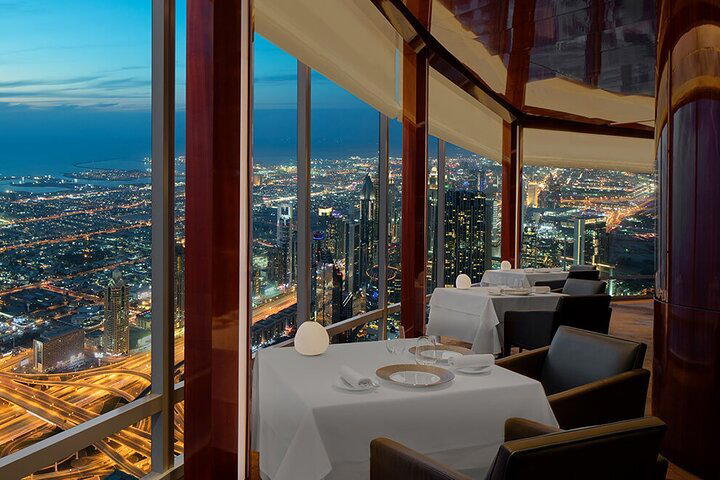
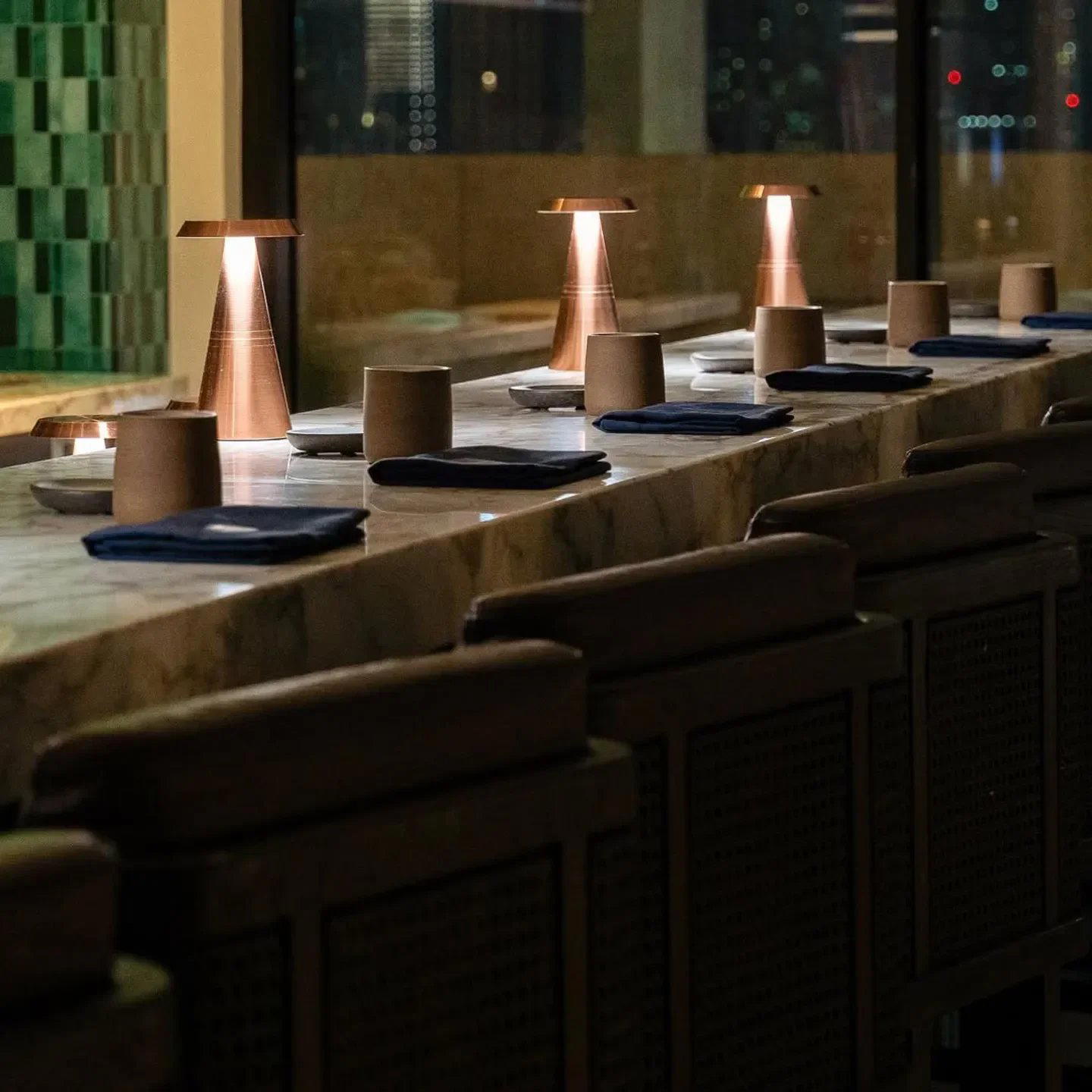
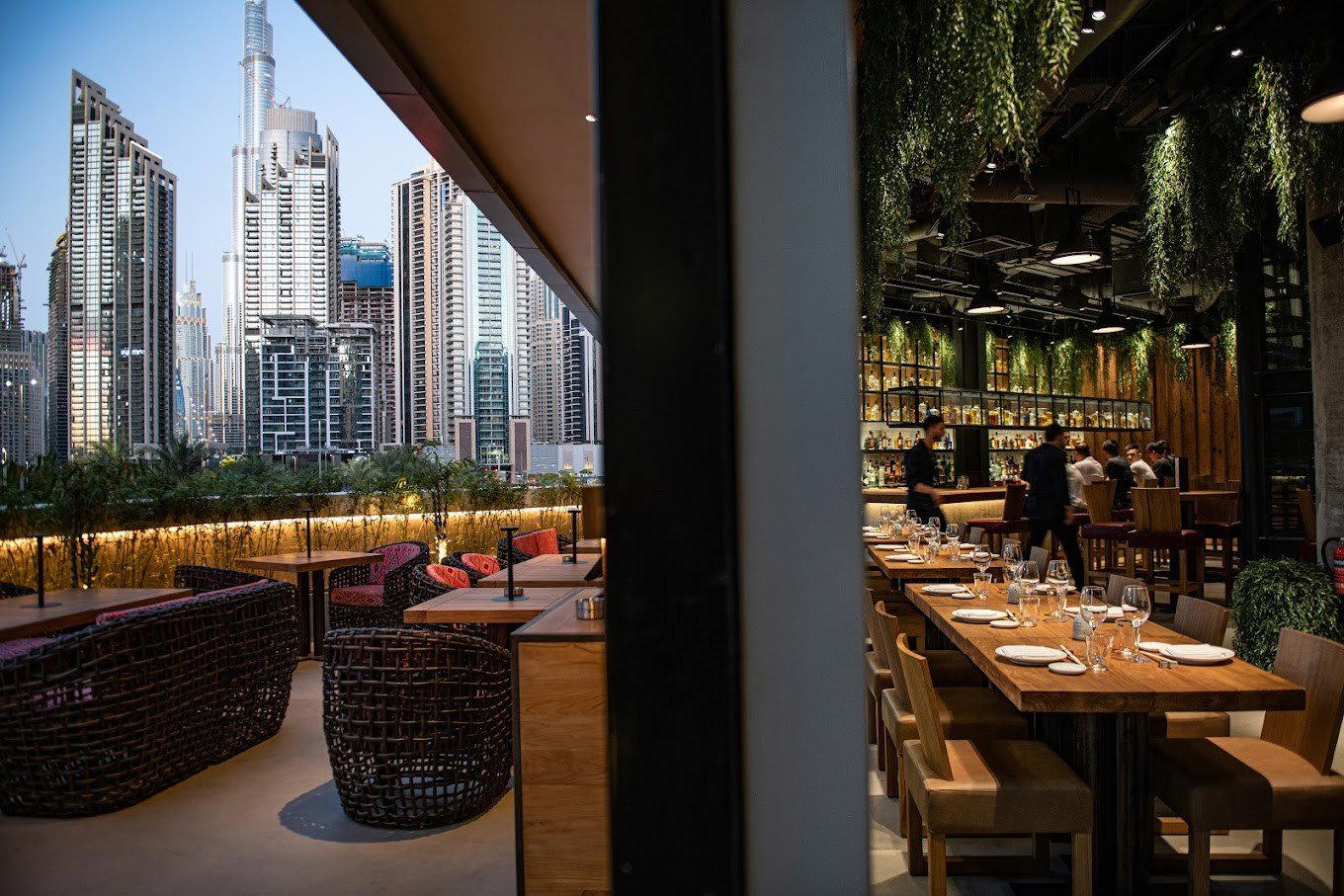
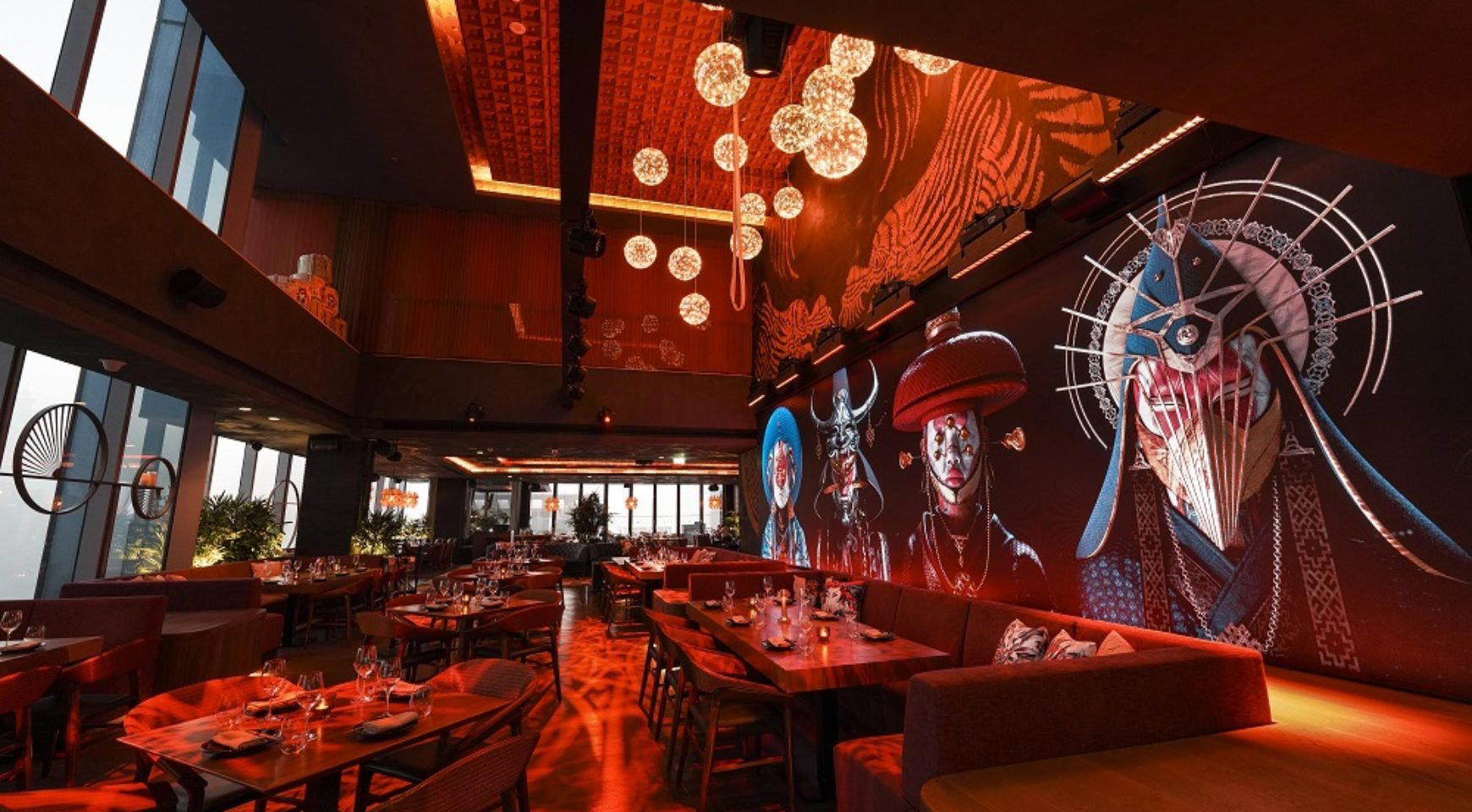
Perched along Marasi Drive, TABŪ occupies the rooftop of The St. Regis Dubai, positioning modern Japanese cuisine against the open sky of Business Bay. The format sits at the intersection of destination dining and rooftop lounge culture, a combination that has become one of Dubai's more competitive categories. For the city's Japanese dining tier, it represents a specific kind of ambition: atmospheric address, contemporary cooking, and a setting that earns its own conversation.

Pearl is the En Primeur Club membership app — saves, bookings, and concierge access live there. Same editors, same standards.
- Address
- Marasi Drive - Dubai
- Phone
- +971 54 793 0931
- Website
- marriott.com
- Directions
- Get directions
The menu
What to order
- Wagyu Beef Kushiyaki
- Black Cod
- Tabū Sushi Platter
Marasi Drive and the Rooftop Equation
Business Bay has changed the geometry of Dubai dining more quietly than Downtown but more persistently. Marasi Drive, the waterfront strip that threads along the canal, now holds some of the city's more architecturally ambitious addresses, and the logic of placing a rooftop restaurant here is not hard to follow. Height and water together produce a particular kind of visual authority in a city where both are currency. TABŪ, positioned atop The St. Regis Dubai along this stretch, draws directly on that dynamic. The approach from street level frames the building against the canal and the Downtown skyline beyond it — a setting that does a great deal of work before a single dish arrives.
Rooftop dining in Dubai operates inside a specific set of expectations. Guests arrive oriented toward the view first, the food second. Where a venue places itself on that spectrum is the most useful question a first-time visitor can ask.
Modern Japanese in a City That Takes the Category Seriously
Dubai's Japanese dining scene has compressed over the last decade into something genuinely competitive. The lower tier is crowded and price-sensitive. The upper tier, where venues like FZN by Björn Frantzén operate within a fine-dining framework and where the Japanese-leaning contemporary category is represented by places like moonrise, demands both technical credential and a clear point of view. Zuma established years ago that Dubai would support a high-volume Japanese contemporary format; the question since has been what comes above and beside it.
TABŪ positions itself inside modern Japanese territory with a rooftop lounge dimension layered on leading. That pairing is not unusual in Dubai, the city has normalised the idea of serious food inside atmospheric settings, but it does create a bifurcation in the audience. Those arriving for the cuisine expect focus and precision; those arriving for the setting expect energy and spectacle. The leading versions of this format manage both without compromising either. The city's broader dining ambition, visible in the presence of operators like Trèsind Studio on the Indian side or Row on 45 in the creative tier, has raised the threshold for what passes as serious cooking regardless of setting.
What the St. Regis Address Signals
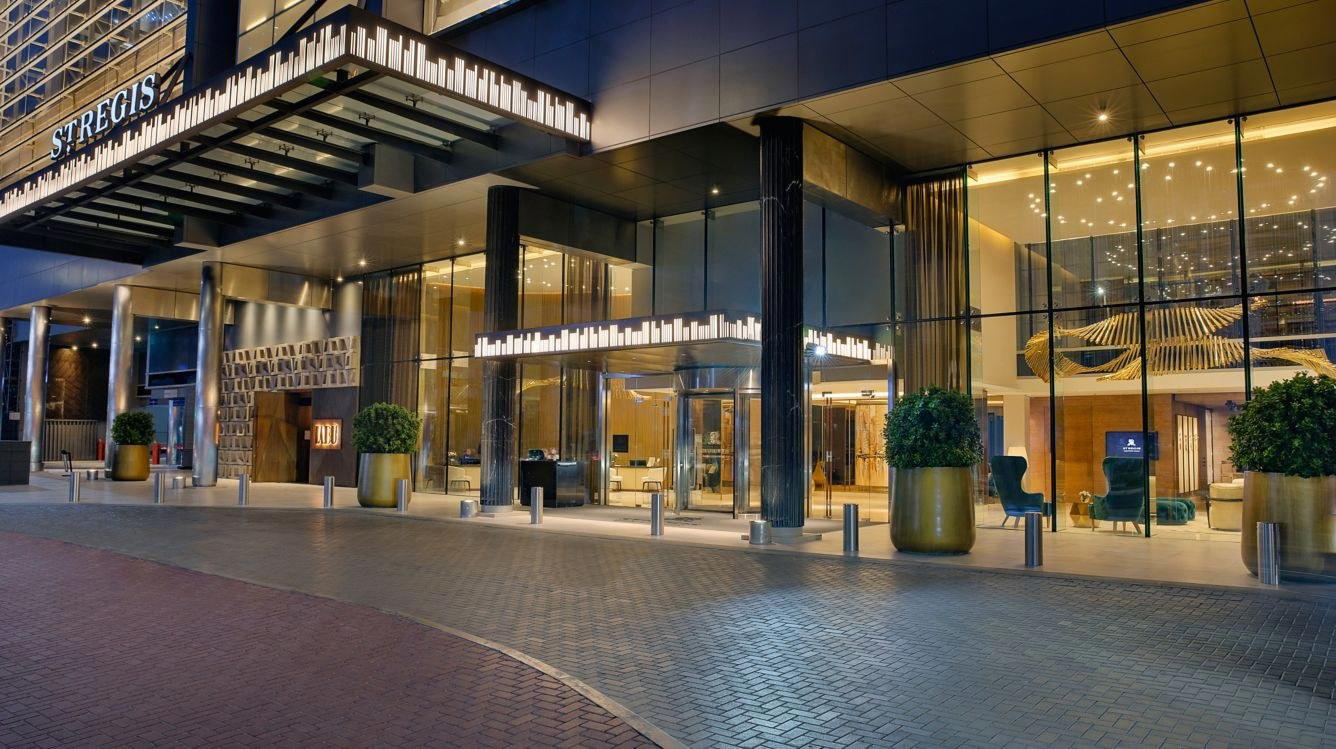
Hotel rooftop restaurants in Dubai carry a specific set of advantages and constraints. The St. Regis brand places a floor under service standards and a ceiling over a certain kind of informality. Within that frame, a restaurant like TABŪ operates with the support of an established hospitality infrastructure, consistent front-of-house training, reliable reservation systems, the kind of operational polish that independent operators often spend years building. The trade-off is that hotel restaurants in this city sometimes read as extensions of brand identity rather than destinations in their own right. The ones that break that pattern do so through menu ambition, not décor.
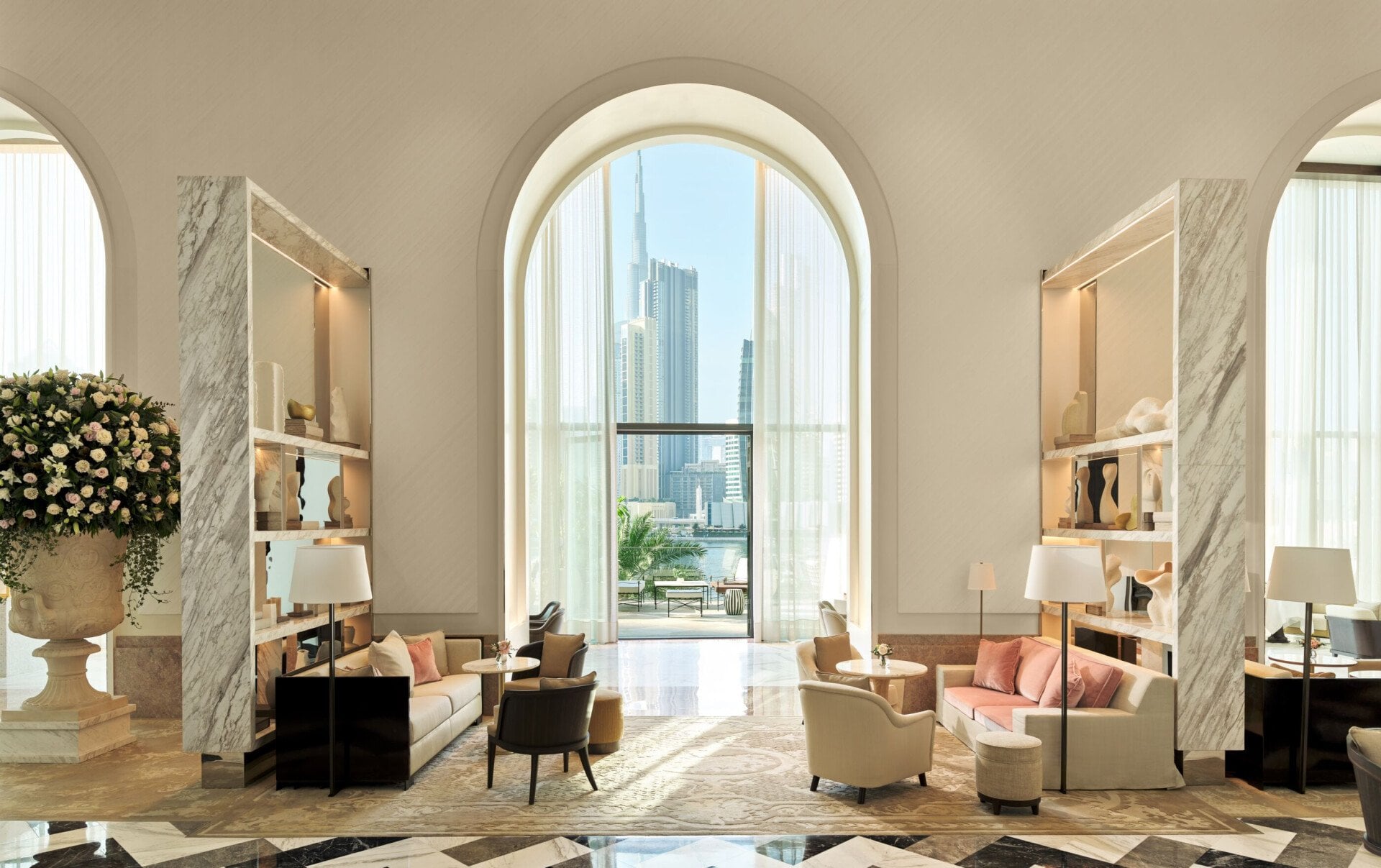
Marasi Drive's positioning matters here too. Business Bay sits close enough to Downtown to pull from that footfall, guests staying or dining near Burj Khalifa, visitors comparing notes on Dubai's dining tier, while retaining a slightly lower-pressure character than the most tourist-dense zones. Venues like 11 Woodfire, operating in their own distinct register in the city's modern cuisine space, and the seafood formality of Al Mahara, show the range of what Dubai's hotel-linked dining can achieve at different price points and ambition levels.
The Rooftop as Format, Not Just Setting
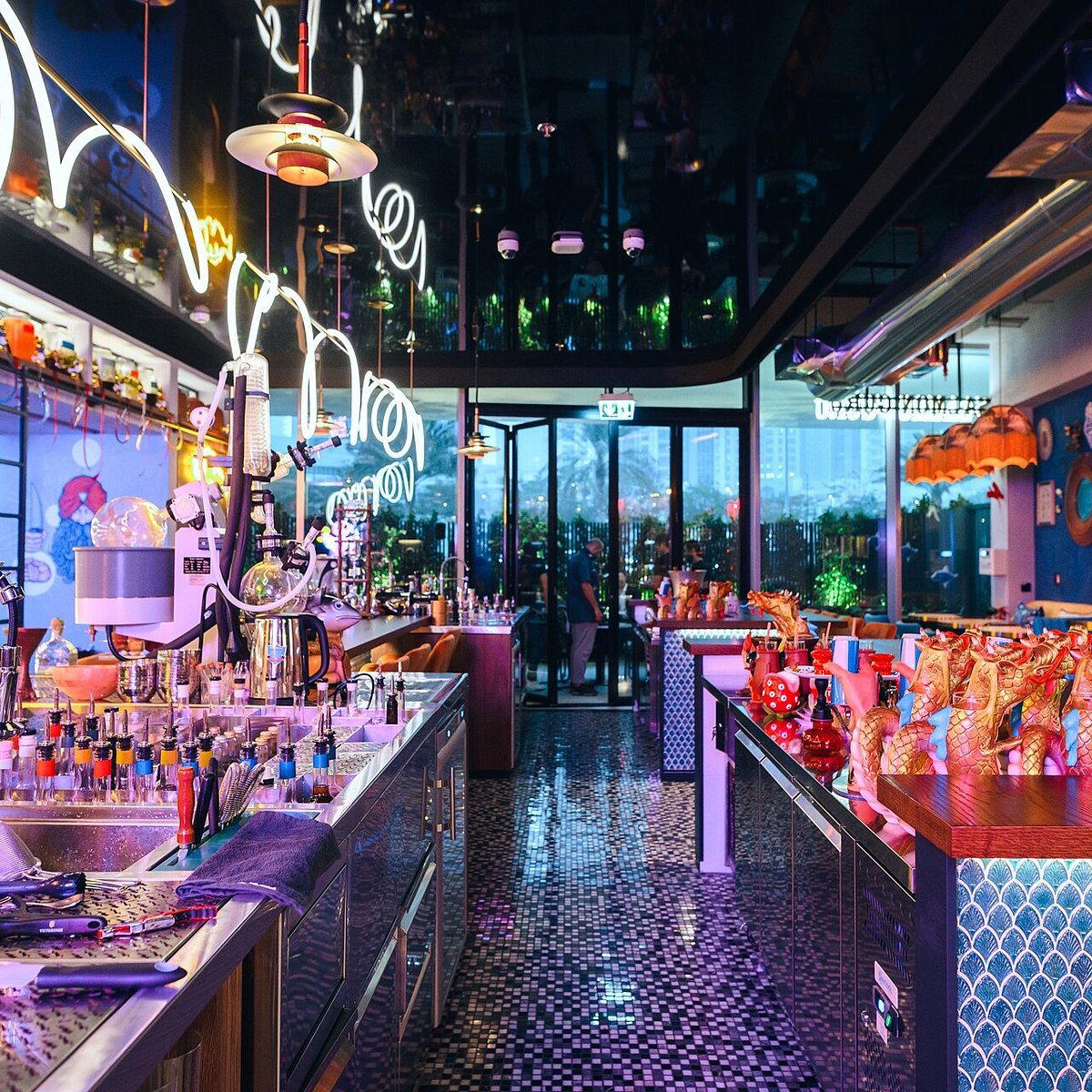
There is a useful distinction between a restaurant that happens to be on a roof and a rooftop that happens to serve food. TABŪ presents itself as the former, a dining concept with a lounge character, rather than a bar that added a kitchen. Whether that framing holds consistently across a full evening depends on how the menu is structured and how the kitchen handles the transition from the early-dinner crowd to the later lounge hour. In Dubai, that window matters. The city's dining rhythm runs later than most, and the gap between a 7pm reservation and a 10pm one can produce meaningfully different experiences in terms of atmosphere, noise level, and pacing.
For context on how the city handles premium formats across different categories and price tiers, the full Dubai restaurants guide maps the field in more detail. Those planning a wider trip can also reference the Dubai hotels guide, the bars guide, and the experiences guide for a more complete picture of the city's hospitality range. Internationally, the ambition that venues like Le Bernardin in New York or Alinea in Chicago represent at the top of their respective categories provides a useful reference point for where Dubai's most serious dining operators are aiming.
Planning a Visit
TABŪ sits on Marasi Drive within The St. Regis Dubai, Business Bay, accessible from Downtown Dubai and the wider canal district. Given that rooftop venues in this city operate on compressed outdoor-season calendars, timing a visit between October and April captures the cooler months when terrace dining in Dubai is at its most comfortable. The summer months shift the calculus toward interior spaces and later-evening windows. Booking in advance is the standard practice for rooftop venues at this address tier; walk-in availability tends to narrow as the evening progresses and the lounge dimension of the programming takes over. For a broader sweep of the UAE's dining scene, Erth in Abu Dhabi represents a distinctly different but equally considered approach to regional dining identity, and the Dubai wineries guide covers the beverage side for those building a longer itinerary.
Frequently asked questions
Has TABŪ won any awards?
TABŪ has received recognition including: Tabu at The St. Regis Dubai is a delightful fusion of modern Japanese cuisine and an elevated rooftop lounge. Indulge in a gastronomic adventure amidst an upscale setting, with a spotlight on natural....
Where is TABŪ located?
TABŪ is located at Marasi Drive - Dubai, Dubai.
What's the best thing to order at TABŪ?
TABŪ's menu centres on modern Japanese cuisine, so the strongest choices tend to sit within that category rather than the wider fusion additions. The rooftop setting on Marasi Drive also makes it worth arriving early enough to order drinks before the canal view shifts from dusk to full dark. Specific dish recommendations are best confirmed directly with the venue, as the menu rotates with season and format.
Should I book TABŪ in advance?
Rooftop venues in Dubai's Business Bay corridor fill quickly on Thursday and Friday evenings, particularly those operating within hotel addresses like The St. Regis. TABŪ follows that pattern, so weekend reservations — especially for canal-facing positions — are worth securing ahead. Weeknight availability tends to be more open, but the lounge format means walk-in capacity is limited.
What is TABŪ known for?
TABŪ operates as a modern Japanese rooftop lounge within The St. Regis Dubai on Marasi Drive, Business Bay. The concept combines a food-forward Japanese menu with a lounge atmosphere and rooftop views across the canal district. That dual identity — restaurant and lounge in one format — defines how most guests approach an evening there.
Is TABŪ good for vegetarians?
Modern Japanese menus typically include a workable range of plant-based options across vegetable-forward dishes, edamame preparations, and rice-based courses, though the depth varies by kitchen. Regis Dubai property before visiting with dietary requirements.
Just the Basics
Comparable venues nearby, for context on price, style, and recognition.
| Venue | Cuisine | Price | Awards | Notes |
|---|---|---|---|---|
| TABŪThis venue — the venue you are viewing | Modern Japanese Fusion | Not listed | Star Wine List | Not listed |
| Nobu by the Beach | Japanese-Peruvian Nikkei | $150–200 | Forbes Recommended · Gault & Millau UAE Selected Restaurant | Palm Jumeirah, Japanese-Peruvian Nikkei |
| SOON Izakaya | Modern Japanese Izakaya | $50–100 | Not listed | Jumeirah Lake Towers, Modern Japanese Izakaya |
| SAL, Burj Al Arab | Southern Mediterranean | $200–300 | Star Wine List | Naif, Southern Mediterranean |
| Armani Hashi | Modern Japanese Fine Dining | $150–200 | Michelin Plate · Gault & Millau UAE Selected Restaurant | Downtown Dubai, Modern Japanese Fine Dining |
| Revolver | Modern Indian Grill | Not listed | Star Wine List · Gault & Millau UAE Selected Restaurant | Bussiness Bay, Modern Indian Grill |
Recognition history
Dated appearances from independent guides and award organizations, with the underlying list record or original source where available.
Star Wine List
Star Wine List