TableVine
Our verdict
On the corner of 14th Street in Sacramento's Midtown grid, TableVine operates in a dining segment where wine-forward programming and seasonal California produce converge. The restaurant sits within a local scene that has grown more demanding in its sourcing standards and service precision over the past decade. For a city that now draws meaningful comparison to Bay Area dining culture, TableVine represents a considered address worth tracking.
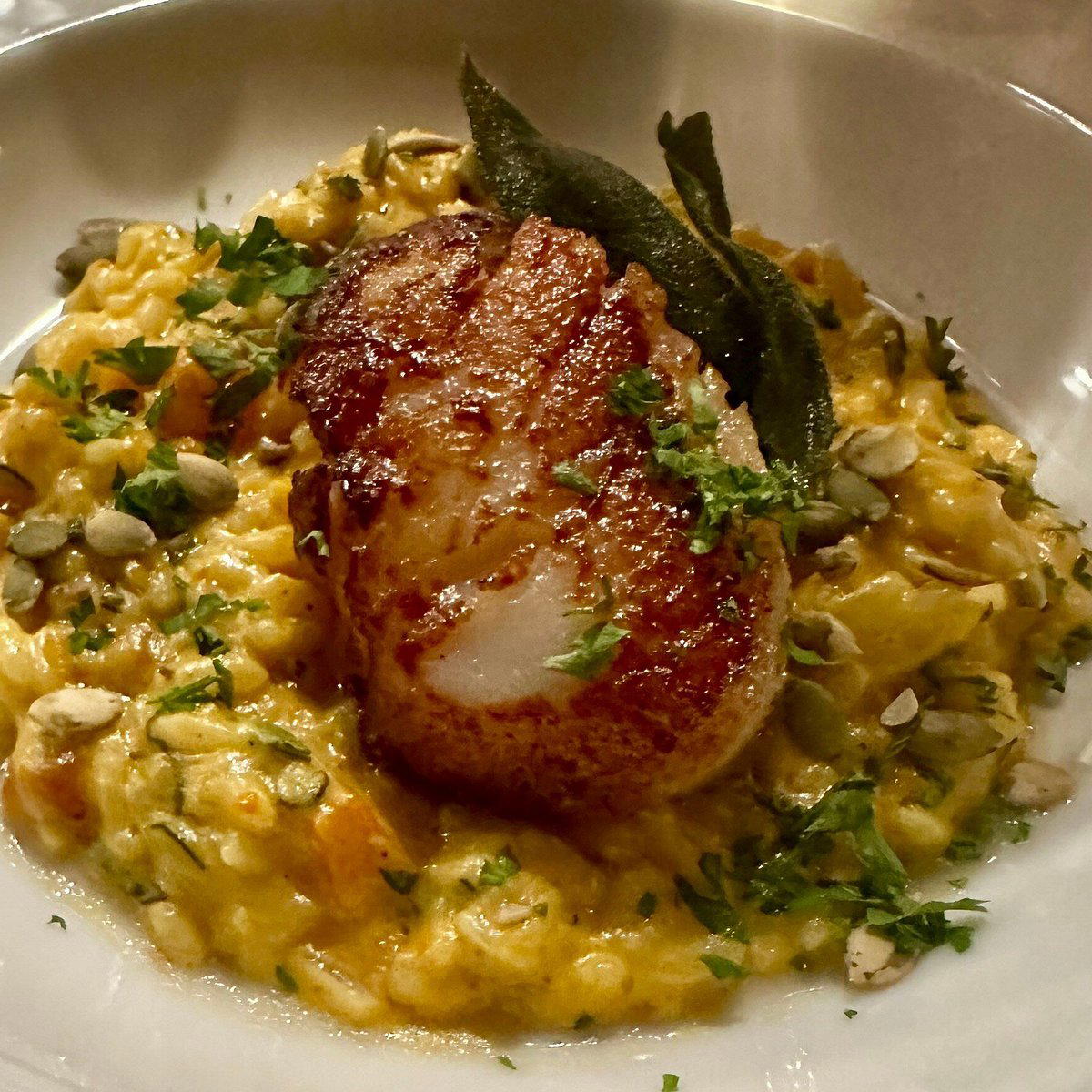
The menu
What to order
- Wiener Schnitzel
- Double-Fried Belgian Fries
- Risotto with Scallops
Where Midtown Sacramento Sets the Table
Sacramento's Midtown corridor has a particular rhythm at the dinner hour. The grid streets fill with a crowd that knows the difference between a wine list assembled by a distributor and one built around a point of view. On 14th Street, TableVine occupies a stretch of this neighbourhood where the dining culture has matured well beyond its farm-to-fork marketing moment into something more quietly assured. The address at 1501 14th St places it within walking distance of a cluster of restaurants that collectively define how Sacramento's upper-casual and fine dining tiers now operate, and the competition in that corridor is not incidental context, it shapes the standards against which any serious table in Midtown is measured.
Sacramento's dining scene over the past decade has undergone a structural shift that mirrors, in compressed form, what happened to cities like Portland and Nashville before broader national attention arrived. Local sourcing moved from a selling point to a baseline expectation. Wine programming became a differentiator rather than an afterthought. And the question restaurants now answer is not whether they work with seasonal produce but how rigorously and how transparently. TableVine sits inside that evolution, occupying a position in the mid-to-upper tier of Midtown's dining grid where those standards are actively contested.
The Architecture of the Meal
The dining ritual at a wine-forward restaurant in a mid-sized American city carries its own distinct logic, and it differs in meaningful ways from the tasting-menu formalism of, say, The French Laundry in Napa or Alinea in Chicago. There is less ceremony around the arrival of each course, more conversation across the table about what is in the glass. The pacing tends to be guest-driven rather than kitchen-driven, which demands a different kind of attentiveness from the floor staff, less choreographed but no less skilled.
In American cities where wine culture has developed alongside a serious restaurant scene, the table ritual often centres on the interplay between food and wine as a conversation rather than a hierarchy. The glass does not merely accompany the plate; it shapes what comes next, and how the kitchen sequences dishes may respond to what the sommelier or wine-knowledgeable floor staff recommends. This is the mode in which venues like TableVine operate most legibly, where the name itself signals that the vine and the table are intended as partners of equal weight.
Contrast this with the more food-forward ceremony at venues like Localis, Sacramento's most discussed Californian-cuisine address, where the tasting menu format places the kitchen's seasonal narrative firmly at the centre, or The Kitchen, which operates at the $$$$-tier with a theatrical, interactive dinner format. TableVine's positioning, physically and conceptually, suggests a different contract with the guest, one where the meal's architecture is more collaborative and the wine list functions as an equal protagonist alongside the food.
Midtown's Competitive Tier
Placing TableVine accurately within Sacramento's dining hierarchy requires understanding what has happened to Midtown's restaurant stock over the past several years. The neighbourhood now holds venues across a wide price range and stylistic span: Allora operates at the $$$$ tier with a focused Italian programme; Adamo's Kitchen and Aioli Bodega Espanola anchor different segments of the mid-market. Across this spread, the restaurants that have built lasting reputations share a common attribute: they have a clear point of view that extends beyond the menu to the physical space and the service cadence.
California's Central Valley location gives Sacramento restaurants a supply advantage that few American cities can match. The proximity to some of the country's most productive agricultural land, combined with access to Napa and Sonoma producers and the Sierra Nevada foothills wine country, means that a wine-and-food concept in this city has raw material that would be the envy of venues like Blue Hill at Stone Barns in Tarrytown or Emeril's in New Orleans, both of which work hard to source with comparable seasonal rigour in markets less naturally advantaged. For a Sacramento restaurant operating with that supply access, the question is less about what ingredients are available and more about editorial discipline: what to include, what to leave out, and how to let the season's leading material speak without over-complicating the plate.
The California comparison also extends northward. Single Thread Farm in Healdsburg and Lazy Bear in San Francisco both represent the upper register of what California's produce-driven, wine-integrated dining can achieve at the highest ambition level. TableVine operates below that tier of formal ambition and price point, which is not a criticism, it is a placement. The mid-to-upper Midtown segment has its own logic, its own regulars, and its own standards of success that are not defined by Michelin coverage or national press attention.
Planning Your Visit
TableVine is located at 1501 14th St in Sacramento's Midtown neighbourhood, a walkable area where parking is available on surrounding streets and rideshare drop-off is direct from anywhere in central Sacramento. For the full picture of what the city offers across price tiers and cuisine types, the EP Club Sacramento restaurants guide maps the scene in detail, including comparisons with venues like Providence in Los Angeles and Addison in San Diego that illuminate where California fine and upper-casual dining is moving. Visitors to Sacramento who also want to compare what wine-integrated dining looks like at the highest technical level in the United States might cross-reference Le Bernardin in New York City, Atomix in New York City, or The Inn at Little Washington, all of which set a reference point for what the ritual of the wine-forward American fine dining meal looks like at its most considered. Internationally, 8½ Otto e Mezzo Bombana in Hong Kong offers a useful data point on how Italian-leaning wine culture travels and transforms outside its home context.
Walk-in availability, booking windows, and seasonal menu changes are all details leading confirmed at the source.
Frequently asked questions
What's the must-try dish at TableVine?
Do they take walk-ins at TableVine?
What's the standout thing about TableVine?
How does TableVine handle allergies?
Is TableVine a good choice for a wine-focused dinner in Sacramento compared to other Midtown options?
A Quick Peer Check
| Venue | Cuisine | Price | Awards | Notes |
|---|---|---|---|---|
| TableVineThis venue (the venue you are viewing) | Seasonal Farm-to-Fork American | Not listed | Not listed | Not listed |
| Localis | Californian Fine Dining | $150–200 | 1 Michelin Star · Star Wine List | Californian |
| The Kitchen | Contemporary American Fine Dining | $150–200 | 1 Michelin Star · La Liste Top Restaurants | Contemporary |
| Canon | Modern American Small Plates | $50–100 | Michelin Bib Gourmand | Contemporary |
| Pho Momma | Authentic Vietnamese Pho | $10–20 | Michelin Bib Gourmand | Vietnamese |
| Allora | Modern Cal-Italian Seafood | $200–300 | Michelin Plate · Star Wine List | Italian |
Continue exploring
More in Sacramento
Restaurants in Sacramento
All restaurants in Sacramento →
Bars in Sacramento
All bars in Sacramento →

Hotels in Sacramento
All hotels in Sacramento →


Details
- Cozy
- Trendy
- Elegant
- Intimate
- Date Night
- Special Occasion
- Open Kitchen
- Extensive Wine List
- Corkage Allowed
- Farm To Table
- Local Sourcing
- A La Carte
- Vegetarian Friendly
- Vegan Options
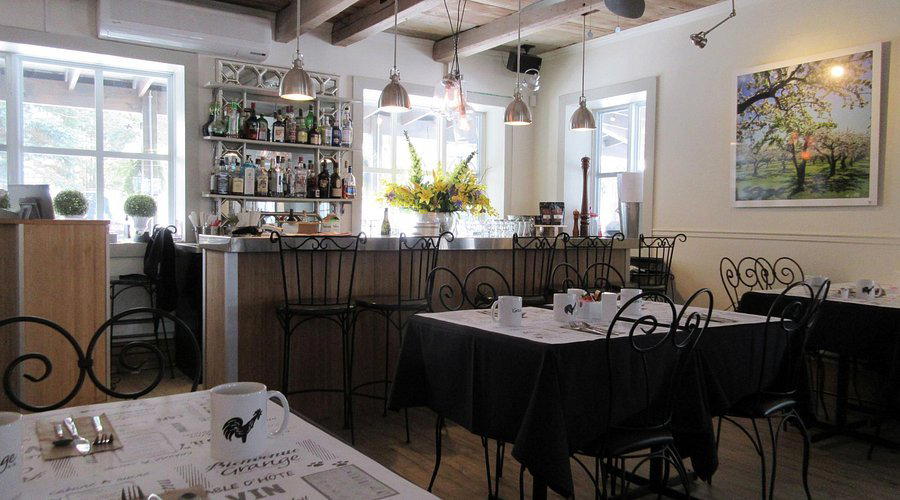
Peaceful and comfortable with tasteful wine country décor and charming neighborhood charm.