Google: 4.7 · 424 reviews

Sztuka Chleba i Wina holds a distinct position in Białystok as the city's most serious wine address, operating as a bistro that runs from morning through evening and doubles as a provisions counter for sandwiches, preserves, and takeaway. It sits within a larger hospitality concept on Krakowska Street, making it both a neighbourhood anchor and a destination for anyone tracking Poland's emerging wine-bar scene.
 Discover on Pearl
Pearl is the En Primeur Club membership app — saves, bookings, and concierge access live there. Same editors, same standards.
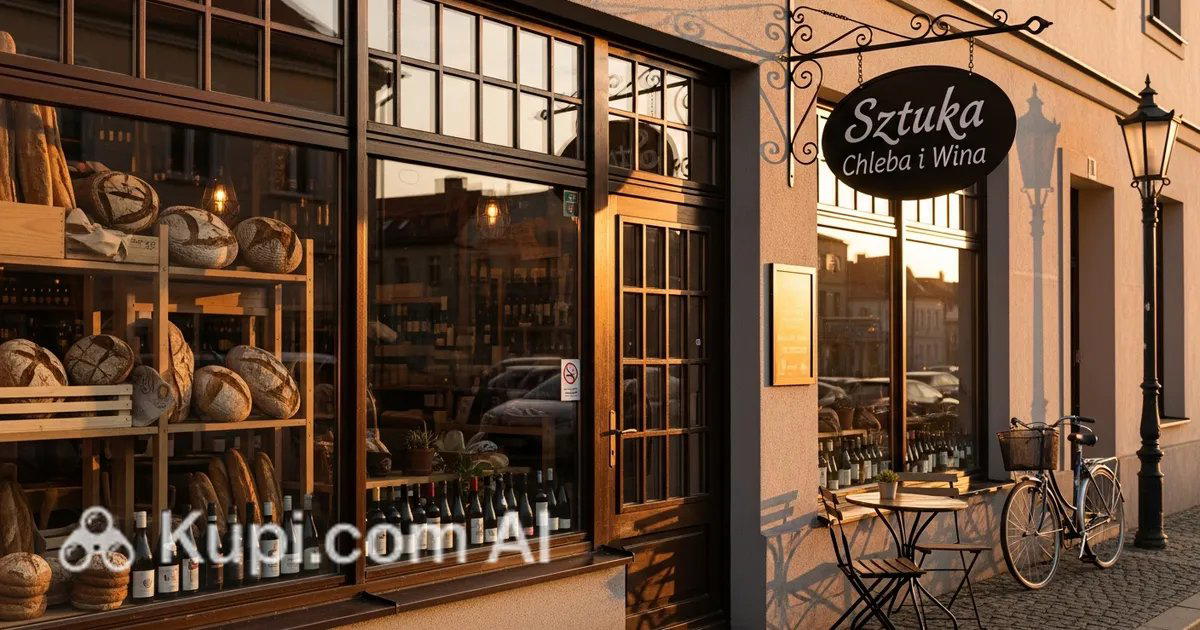
Where Bread, Wine, and Białystok's Evolving Palate Converge
Krakowska Street in Białystok is not where most food-focused visitors think to begin, but the low-key entrance at number 4 opens into a space that has quietly become the reference point for wine in the city. The shelves read like a considered import list rather than a generic retail selection, and the bistro format — counter service, produce on display, a chalkboard logic to what's available — signals that what matters here is sourcing over spectacle. This is the kind of room where the bread arrives before any menu explanation, because the bread is itself an argument about where ingredients come from and how they should be handled.
Poland's wine-bar movement has accelerated over the past decade, concentrating first in Warsaw and Kraków before spreading to regional cities. Białystok, positioned in the northeast close to the Belarusian border and the Białowieża Forest, sits outside the main gastronomic corridor, which has historically meant fewer options but also less pressure to follow trends. Sztuka Chleba i Wina , the name translates literally as The Art of Bread and Wine , arrived in that context not as a trend import but as a local proposition with genuine specificity about what it wanted to stock and serve.
The Sourcing Logic Behind the Format
The bistro-and-provisions model that Sztuka Chleba i Wina operates within is one of the more coherent formats in contemporary Polish dining. It connects a sit-down eating offer to a retail counter in a way that makes the sourcing argument legible: the same preserves you eat on a sandwich at the table are available to take home in a jar. The same bread that comes with the wine list is sold by the loaf. This transparency about supply chain is not incidental , it is the editorial stance of the place.
Across Poland, the most interesting bistros have moved away from anonymous commodity sourcing toward visible provenance. Venues like Bottiglieria 1881 in Kraków and Muga in Poznań have built reputations partly on ingredient curation. In the northeast, where artisan supply networks are thinner, a commitment to sourcing well requires more active effort. The preserves and fermented goods that appear in Sztuka Chleba i Wina's takeaway counter reflect a region with strong traditions of preservation , pickling, curing, fermenting , that predate the current small-producer revival by generations. The bistro situates itself inside that tradition rather than simply marketing it.
The bread deserves specific attention in this context. Polish bread culture is old and regionally differentiated, and the northeast carries its own versions of rye-heavy loaves shaped by agricultural history and cross-cultural influence from Belarusian, Lithuanian, and Jewish baking traditions. A bistro that names bread alongside wine in its title is making a claim about parity: neither is decoration for the other. That claim is worth taking seriously when you sit down with the list.
The Wine Position in a Regional Context
Białystok does not have a deep bench of serious wine venues, which makes Sztuka Chleba i Wina's position as the city's most important wine address a matter of function as much as quality. For a city of roughly 300,000 people, the concentration of wine-focused hospitality has historically lagged behind cities like Wrocław, where Acquario operates, or Sopot's coast, where Vinissimo has built a dedicated wine programme. The comparison matters: in those cities, a wine bar competes within a field. In Białystok, it defines the field.
That role carries both privilege and responsibility. The selection at a venue that operates as the primary wine reference for a city will shape what local drinkers encounter first , which producers, which regions, which styles. If the list skews toward natural wine, that becomes the default introduction to natural wine for a significant portion of the local audience. If it prioritises Central European producers, that shapes regional literacy. The sourcing and curation decisions at a place like this carry weight that a comparable venue in Warsaw would not bear in the same way.
For visitors arriving from outside Poland's main dining circuits, the broader Polish wine-bar scene provides useful orientation. Warsaw's hub.praga operates in a grittier, more experimental register. Arco by Paco Pérez in Gdańsk sits at a more formal price point. Sztuka Chleba i Wina, as a bistro rather than a full restaurant, occupies a middle ground where the entry cost is lower and the format more flexible.
All-Day Format and What It Implies
Running from early in the day through evening, with a takeaway offer alongside the sit-down service, places Sztuka Chleba i Wina in a format category that suits Białystok's pace. The city is not a late-night dining destination in the way Warsaw or Gdańsk can be, and an all-day operation captures the mid-morning coffee and bread crowd as well as the evening wine-and-cheese visit. This range matters for how the sourcing story lands: a preserve that you buy on a Tuesday morning tastes different when you already encountered it on a plate the previous Friday evening.
The larger concept that the bistro is part of suggests institutional support beyond a single-room operation , deeper cellaring capacity, more purchasing use with producers, and potentially broader programming. For the visitor, the practical implication is that the wine offer here is likely more considered than the room size alone might suggest.
Anyone planning a visit to Białystok with an interest in the wider food scene should use our full Białystok restaurants guide as a starting point, and cross-reference with our Białystok bars guide for the evening drinking picture. The hotels guide covers where to stay, and for context on what else the city and region offer, the experiences guide is worth reading before arrival. Those building a broader Polish itinerary can triangulate against wine-focused venues elsewhere in the country, including Biały Królik in Gdynia and the more rural register of Luneta and Lorneta Bistro Club in Ciekocinko. For those extending itineraries further, Giewont in Kościelisko, Drukarnia Smaku Cristina in Zakopane, and Nare Sushi in Skórzewo each represent a different register of Polish regional dining. International comparisons of the wine-bistro format at a global scale can be found in venues like Le Bernardin in New York City and Emeril's in New Orleans, where the relationship between ingredient sourcing and a defined venue identity has been tested at much higher volume. The Białystok wineries guide provides additional regional wine context for those wanting to understand the supply side of what venues like this are working with.
Krakowska 4 is the address. Walk-ins are workable given the all-day format, though the evening wine crowd makes earlier arrival prudent if you want space to settle in rather than standing at the counter.
At-a-Glance Comparison
These are the closest comparables we have in our database for quick context.
| Venue | Cuisine | Price | Awards |
|---|---|---|---|
| Sztuka Chleba i Wina | |||
| Giewont | Modern Cuisine | €€€ | Michelin 1 Star |
| Rozbrat 20 | Modern European, Modern Cuisine | €€€ | Michelin 1 Star |
| alewino | Modern Polish, Traditional Cuisine | €€ | |
| Bez Gwiazdek | Modern Polish, Modern Cuisine | €€€ | |
| Butchery & Wine | Bistro, Meats and Grills | €€ |
Continue exploring
More in Białystok
At a Glance
- Cozy
- Hidden Gem
- Rustic
- Quiet
- Casual Hangout
- Solo
- Brunch
- Standalone
- Extensive Wine List
- Local Sourcing
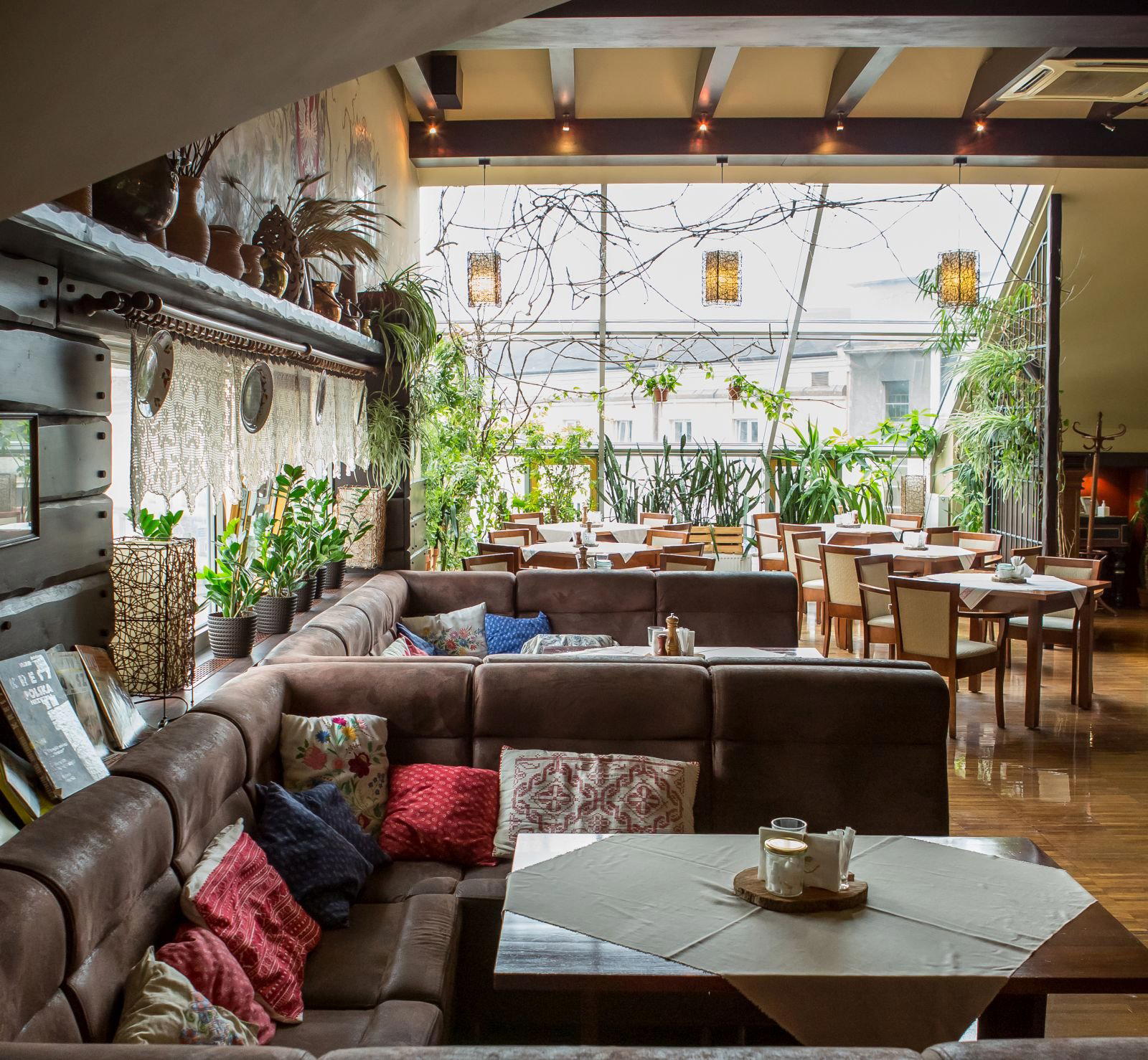
Relaxed and tranquil atmosphere with authentic interior design blending industrial style elements with natural wood warmth; large windows allow observation of city life; dimmed lighting creates leisurely, intimate setting.