Szechwan Chinese Kitchen
Szechwan Chinese Kitchen serves Szechuan Chinese food at 1612 W Ute Blvd in Park City, with Peking Duck and Pot Stickers on the menu.
Pearl is the En Primeur Club membership app — saves, bookings, and concierge access live there. Same editors, same standards.
- Address
- 1612 W Ute Blvd, Park City, UT 84098
- Phone
- +14356558916
- Website
- szechwanpc.flavorplate.com
- Directions
- Get directions
 Saves & bookings on Pearl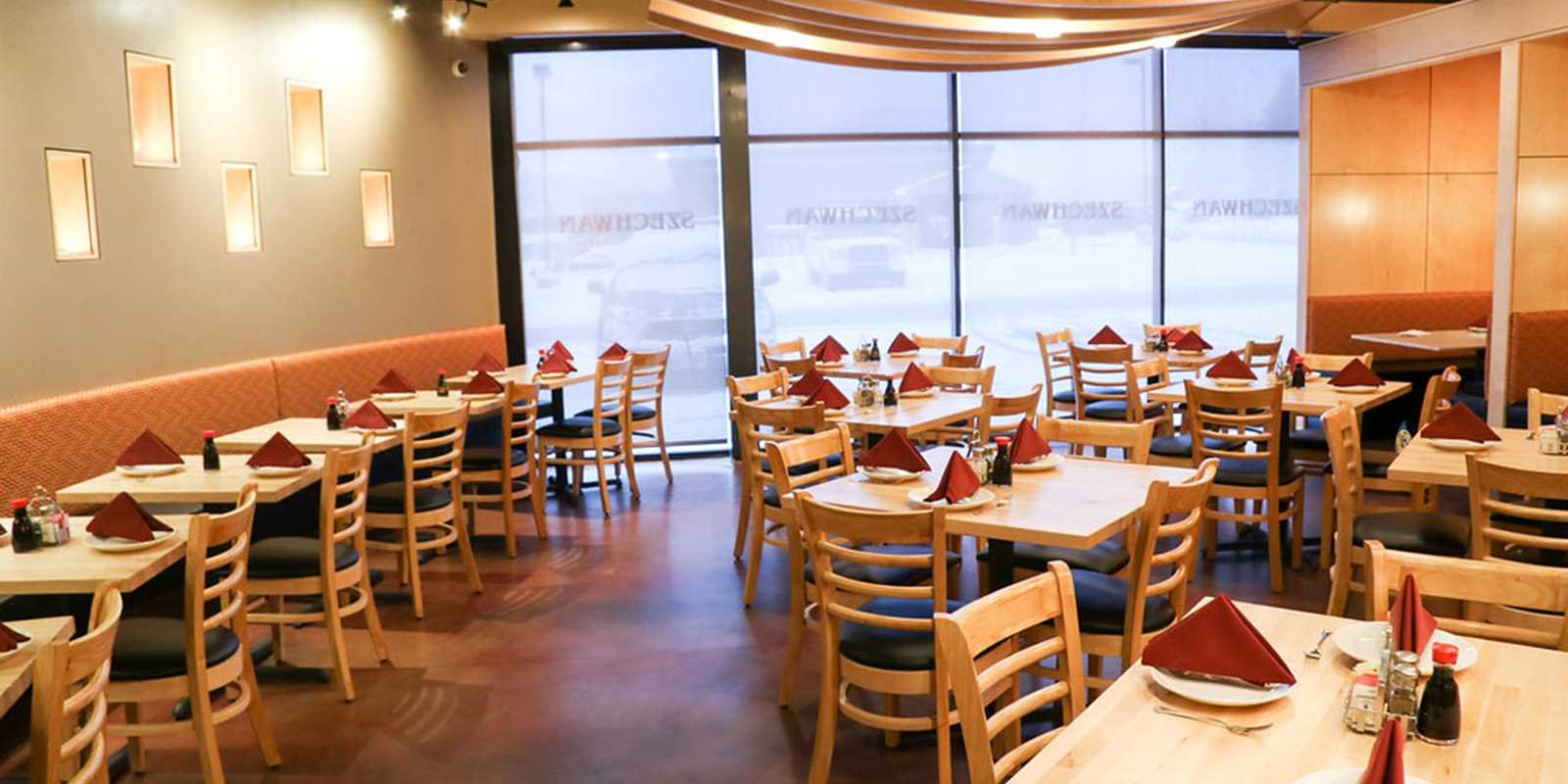
Sichuan Cooking in a Mountain Resort Town
Park City's dining scene has long been shaped by its dual identity: a ski destination that draws well-travelled visitors expecting serious food, and a small Utah city where independent restaurants compete for attention against hotel dining rooms and Main Street institutions. Within that context, the arrival and persistence of a dedicated Sichuan kitchen at 1612 W Ute Blvd represents something worth examining. Most resort towns of comparable size default to steakhouses, brasseries, and Americanized pan-Asian concepts. A restaurant oriented around the specifically numbing, layered heat of Sichuan cuisine occupies a different register entirely.
Sichuan cooking is one of China's eight great culinary traditions, distinguished by the use of Sichuan peppercorn, dried chili, fermented black bean, and doubanjiang. The flavor profile that results, described in Chinese cooking as mala (numbing and spicy), is unlike any other regional Chinese cuisine and requires sourcing discipline and technique that most casual kitchens skip entirely. When a restaurant commits to this tradition in a market like Park City, rather than softening the edges for a broader audience, that commitment itself becomes a data point.
Where Szechwan Chinese Kitchen Sits in Park City's Dining Order
Park City's restaurant mix skews toward American formats. Yuta (American Steakhouse) and Apex anchor the premium American end. 350 Main Brasserie and 501 On Main hold the brasserie and bistro tier. Alberto's Mexican Restaurant covers Latin American ground. Szechwan Chinese Kitchen occupies the Chinese regional cooking category largely on its own, which means it competes less on menu overlap and more on the question of whether a diner wants Sichuan food at all. That is a narrower but more loyal audience.
The address on Ute Boulevard places the restaurant outside the Old Town and Main Street corridors that capture most of the tourist foot traffic. This is the kind of location that favors repeat local business over walk-in discovery, and it signals something about who the restaurant expects to serve. Locals and returning visitors who know where to find it are the operating base. First-time visitors will need to seek it out specifically, which for a Sichuan specialist is often how the leading versions of these restaurants survive in secondary markets.
The Wine Question at a Sichuan Table
Sichuan food presents one of the more demanding pairing challenges in Chinese cuisine. The mala heat combination, capsaicin burn layered with the anesthetic tingle of Sichuan peppercorn, interacts aggressively with high-tannin reds and high-alcohol spirits. The conventional wisdom among sommeliers who work with regional Chinese food is to reach for off-dry Riesling, Gewurztraminer, or Chenin Blanc on the white side, and lighter-bodied reds with low tannin and good acidity when red wine is preferred. Sparkling wine and lager-style beer are effective resets between courses because carbonation helps clear capsaicin from the palate.
What is clear from the broader category is that Sichuan restaurants in markets outside major coastal cities frequently treat beverage programs as secondary to the kitchen, relying on guests to bring their own knowledge or defaulting to standard house pours.
The wider benchmark for what a considered beverage program alongside technically demanding Asian cuisine looks like is well-established at properties like Atomix in New York City, where the pairing program is built specifically around the heat and fermentation notes of Korean cooking. Closer to the Pacific Rim tradition, 8 1/2 Otto e Mezzo Bombana (Hong Kong) demonstrates how a wine-serious cellar functions in an Asian dining context. Neither is a direct peer for a Sichuan kitchen in Utah, but both illustrate what intentional beverage curation alongside technically specific cuisine looks like in practice.
Regional Chinese Cooking in American Resort Markets
The pattern of Sichuan restaurants establishing in non-coastal American markets accelerated significantly after 2010, driven partly by a broader consumer familiarity with the cuisine from cities like San Francisco, New York, and Chicago, and partly by diaspora communities extending into mountain and intermountain regions. Utah's Chinese-American population is smaller than coastal states, but the culinary audience for genuine Sichuan cooking extends well beyond that community to anyone who has encountered the cuisine elsewhere and wants to find it locally.
Resort towns specifically present an unusual opportunity for regional specialists. A visitor base that cycles through from major metropolitan areas carries food literacy built in larger markets. Someone who has eaten Sichuan food at a serious level in a city brings those reference points to a vacation meal and notices when a restaurant is doing the cuisine properly versus approximating it. This is a different dynamic than cooking for a local audience without that exposure, and it creates both pressure and opportunity for a Sichuan kitchen in a place like Park City.
The contrast with the nationally recognized dining tier is worth noting for context. Restaurants like The French Laundry in Napa, Alinea in Chicago, Le Bernardin in New York City, Lazy Bear in San Francisco, Single Thread Farm in Healdsburg, Providence in Los Angeles, Blue Hill at Stone Barns in Tarrytown, Addison in San Diego, The Inn at Little Washington, and Emeril's in New Orleans occupy an entirely different tier of investment, cellar depth, and critical infrastructure. Szechwan Chinese Kitchen operates in a different register: a regional specialist in a resort market, where the value proposition is access to a cuisine that otherwise requires a flight to a major metropolitan area.
Planning Your Visit
Szechwan Chinese Kitchen is located at 1612 W Ute Blvd in Park City, UT 84098, set away from the Old Town corridor. Current hours, pricing, and booking availability are available from the venue details: Mon: Closed; Tue: 11:30 AM-9 PM; Wed: 11:30 AM-9 PM; Thu: 11:30 AM-9 PM; Fri: 11:30 AM-9 PM; Sat: 11:30 AM-9 PM; Sun: 11:30 AM-9 PM. The restaurant is walk-in friendly, with an estimated price of about $20 per person. Visitors arriving during Sundance Film Festival in January or peak winter weekends should factor in refined demand across the entire Park City dining market, though a Sichuan specialist off the main tourist strip tends to experience less of the event-driven surge that affects Main Street restaurants.
In Context: Similar Options
Comparable venues nearby, for context on price, style, and recognition.
| Venue | Cuisine | Price | Notes |
|---|---|---|---|
| Szechwan Chinese KitchenThis venue — the venue you are viewing | Szechuan Chinese | $$ | Not listed |
| Loco Lizard Cantina | Traditional Mexican Cantina | $$ | Kimball Junction |
| Dos Olas | Lively Mexican with Coastal California Influences | $$ | Canyons Village |
| Este Pizzeria | New York-Style Pizza | $$ | Sidewinder Drive |
| The Eating Establishment | Classic American Diner | $$ | Park City Main Street Historic District |
| Billy Blanco's | Motor City Mexican | $$ | Quarry Village |
Continue exploring
More in Park City
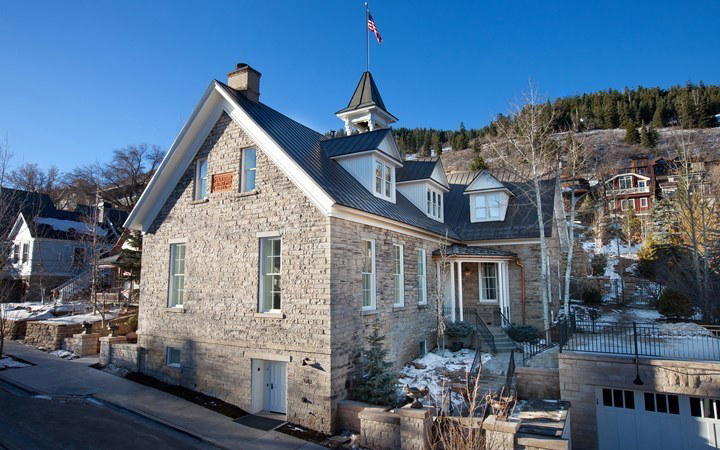
Restaurants in Park City
Browse all →
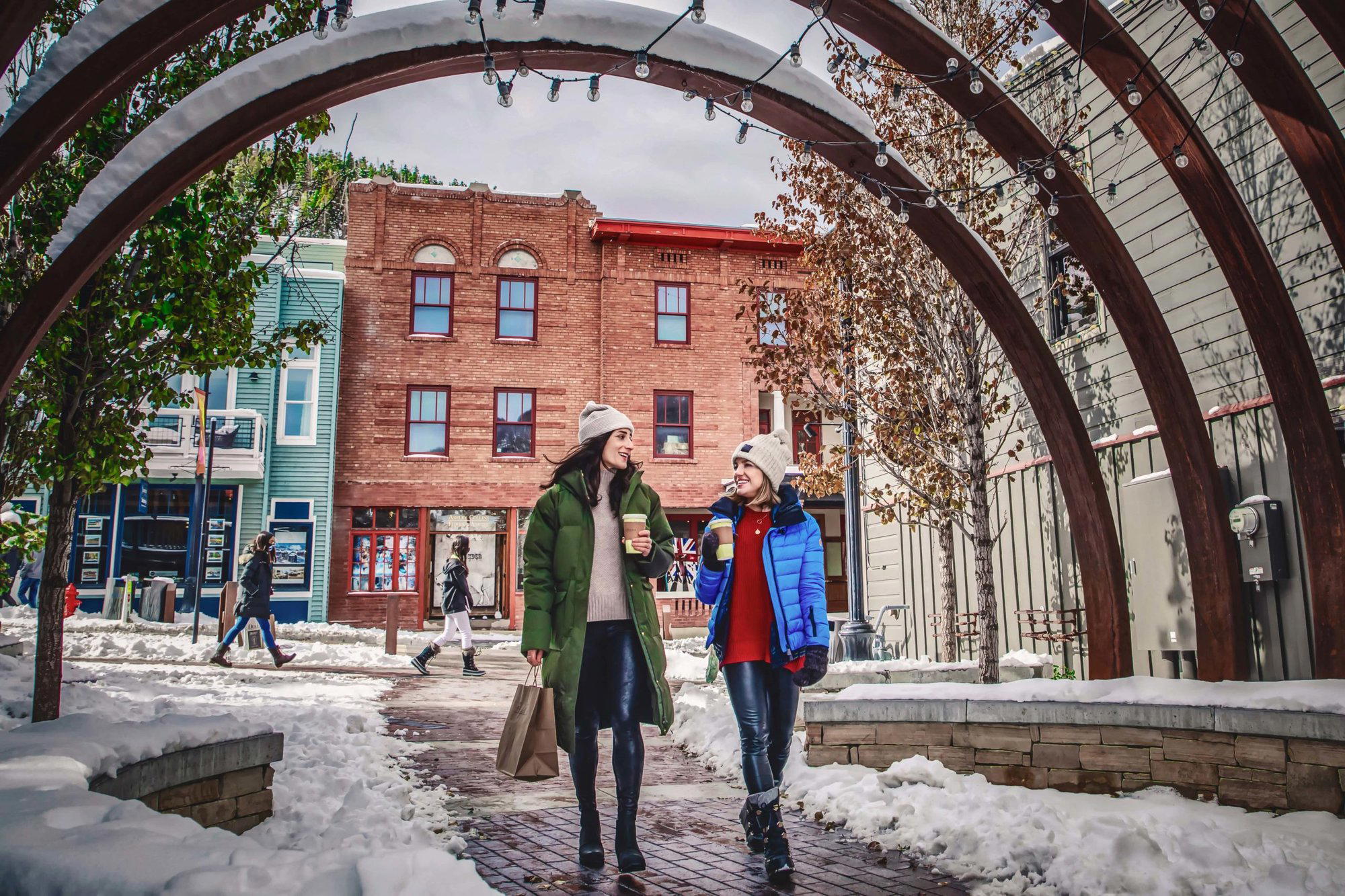
Bars in Park City
Browse all →
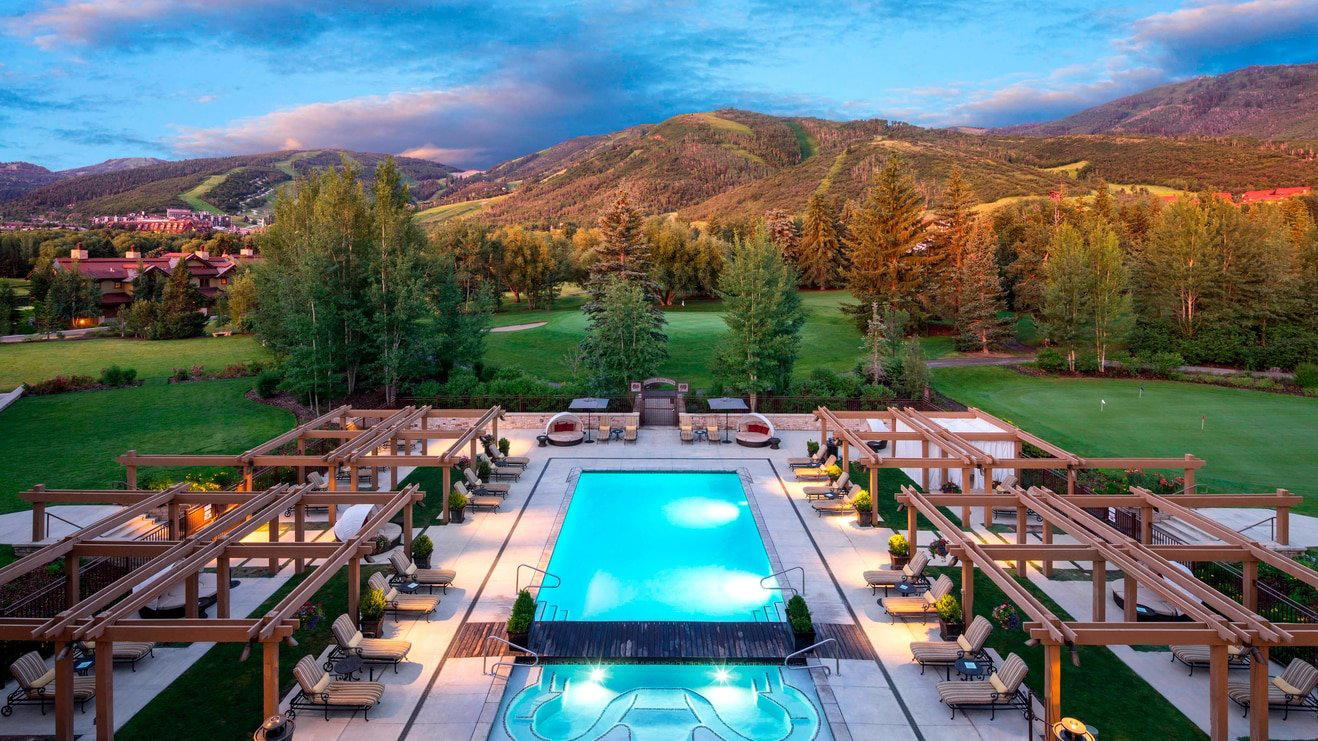
Hotels in Park City
Browse all →
Wineries in Park City
Browse all →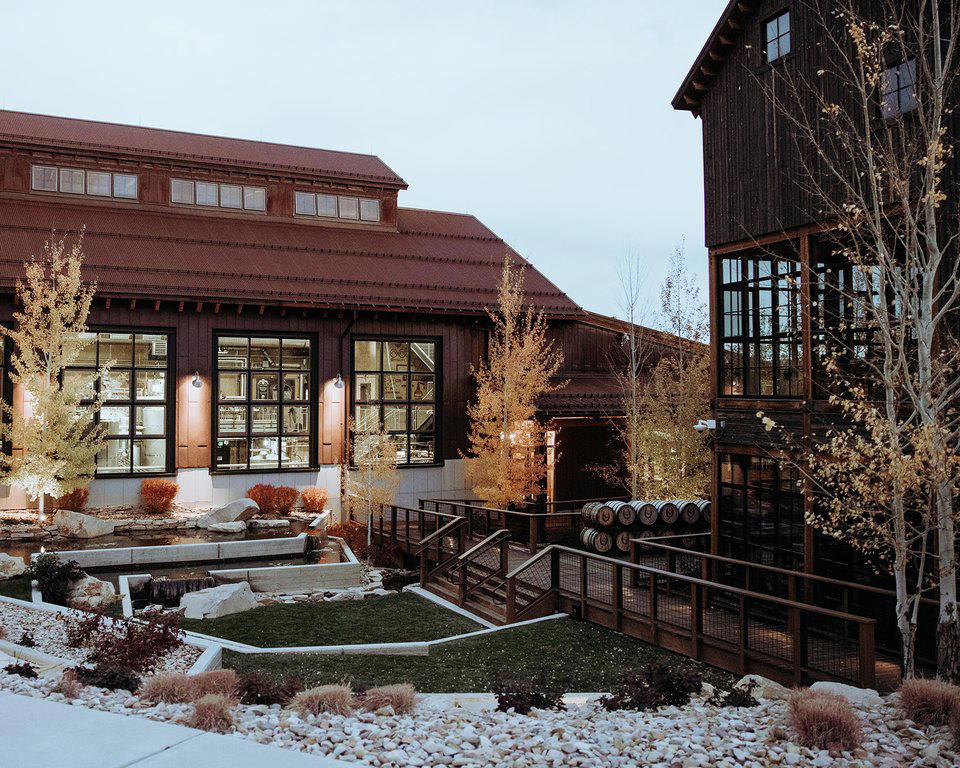
At a Glance
- Cozy
- Classic
- Casual Hangout
- Family
- Standalone
Current opening hours
- Monday
- Closed
- Tuesday
- 11:30 AM–9 PM
- Wednesday
- 11:30 AM–9 PM
- Thursday
- 11:30 AM–9 PM
- Friday
- 11:30 AM–9 PM
- Saturday
- 11:30 AM–9 PM
- Sunday
- 11:30 AM–9 PM
Hours can change for holidays and private events. Last verified .
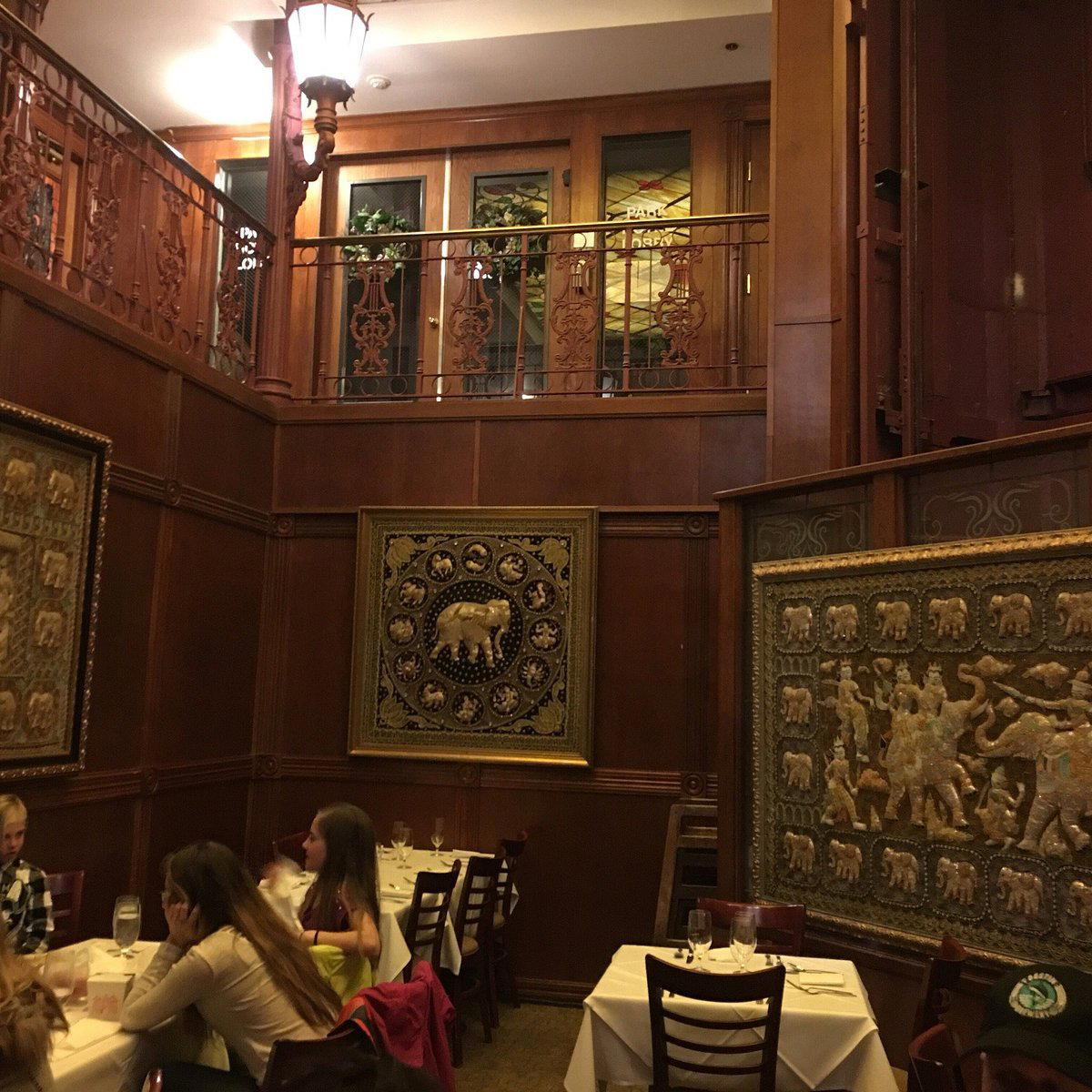
Light and airy with clean, inviting light wood tables and chairs, offering a nice, relaxing atmosphere.