Swim
On Marine Parade, Swim occupies one of Lyme Regis's most direct seafront positions, with the Jurassic Coast as its immediate backdrop. The restaurant trades on the logic that proximity to the source matters: the Dorset coastline and its hinterland supply a larder that few inland kitchens can replicate. For visitors working through the town's dining options, Swim sits at the coastal end of the local conversation.
Pearl is the En Primeur Club membership app — saves, bookings, and concierge access live there. Same editors, same standards.
- Address
- Marine Parade, Lyme Regis DT7 3JH, United Kingdom
- Phone
- +44 1297 442668
- Website
- weswim.co.uk
- Directions
- Get directions
 Saves & bookings on Pearl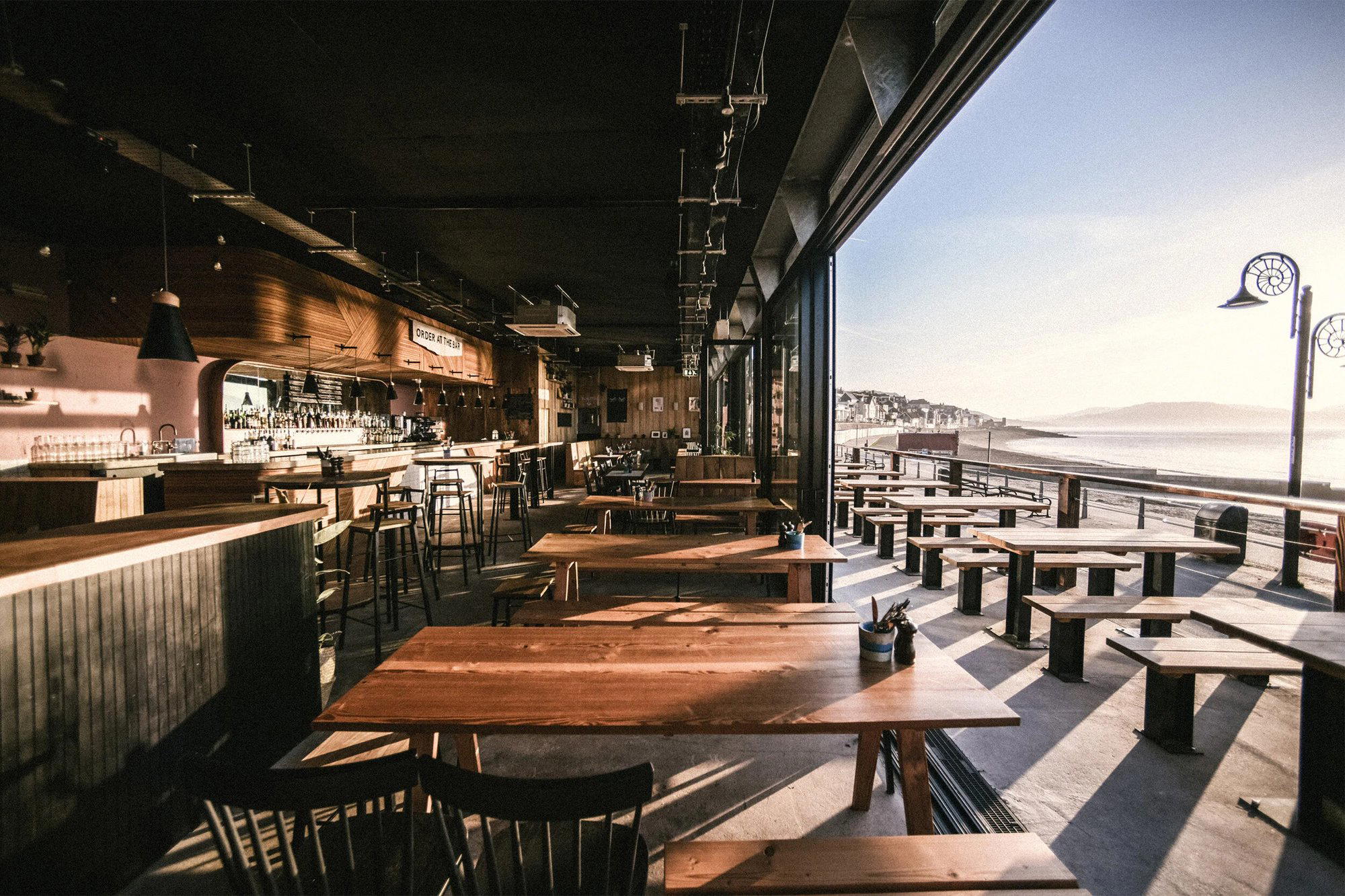
Where the Sea Sets the Terms
Marine Parade in Lyme Regis does not ease you into the idea of the coast — it deposits you there. The Cobb curves out to the left, the shingle drops away to the right, and the water is close enough that the light changes with the tide. Swim occupies this stretch, which means the restaurant's relationship with the sea is not decorative. It is geographic. In a town built on the edge of the Jurassic Coast, a venue on the parade is, almost by definition, answering questions about provenance before anyone has looked at the menu.
That coastal immediacy is worth framing against what British seaside dining has historically delivered. For decades, the English seafront meant battered fish from frozen stock, chilled prawns from distant processing plants, and a general indifference to the quality of what the local waters could actually produce. The shift away from that model has been gradual and uneven, but the towns that sit alongside active fishing grounds — Lyme Regis among them, have become testing grounds for a more rigorous approach to coastal cooking. The question worth asking of any Marine Parade address is whether the setting is doing real work or simply providing atmosphere.
Dorset's Larder and Why Geography Matters Here
The southwest of England has built a credible identity around short-supply-chain food in the past two decades, and Dorset is a significant part of that story. The county sits between two productive coastlines, the Channel to the south, the Somerset Levels to the north, and its agricultural land fills in the middle with dairy, game, and produce that travels minimal distances before it reaches a kitchen. For a restaurant on the Lyme Regis seafront, this geography creates a sourcing logic that is difficult to replicate in most British cities. The fish landed nearby, the crab from Dorset boats, the greens grown in the surrounding countryside: these are not marketing claims but physical facts of location.
Coastal kitchens that take ingredient sourcing seriously occupy a distinct tier in the British dining conversation. Places like hide and fox in Saltwood and Gidleigh Park in Chagford have built reputations around the specificity of their regional sourcing, treating provenance as a structural part of the cooking rather than a garnish on the menu description. The argument in both cases is that where food comes from shapes what the kitchen can do with it, freshness changes technique, locality changes flavour. Swim sits within that broader shift in British restaurant culture, where the address on the building and the address of the ingredient are increasingly expected to align.
At the national level, this conversation runs through celebrated kitchens including L'Enclume in Cartmel and Moor Hall in Aughton, where hyper-local sourcing has become a formal part of the culinary identity. It surfaces in a different register at CORE by Clare Smyth in London, where British produce is treated with the same precision normally reserved for French luxury ingredients. The point is not that a seafront restaurant in Lyme Regis operates in the same bracket as those addresses, it plainly does not, but that the cultural expectation of sourcing transparency now runs from the best of the market downward, and coastal towns like Lyme Regis feel that pressure acutely.
Lyme Regis as a Dining Town
Lyme Regis punches above its population in terms of visitor interest, which creates a restaurant economy that has to serve both serious travellers and casual day-trippers. The town draws fossil hunters, coastal walkers, and a summer crowd that fills Marine Parade from June through August. That seasonal pressure shapes how local restaurants position themselves: the ones that survive it are generally those with a clear point of view rather than those trying to be everything to every visitor. Within that local context, Swim holds a position on the parade's most visible strip, competing for attention alongside other addresses that have carved out distinct angles.
Neighbouring restaurants including Sandro's and Tierra Kitchen demonstrate that Lyme Regis has moved beyond a single-note dining offer. The town now sustains kitchens with different culinary languages operating within a few hundred metres of each other, which is a reasonable indicator of a dining scene with genuine breadth. For a fuller picture of where Swim sits in relation to the rest of the town's options, our full Lyme Regis restaurants guide maps the local field across cuisine types and price points.
For context on what serious seafood cooking looks like at the highest tier of the British market, Waterside Inn in Bray remains the reference point for riverside fine dining in England, while internationally, Le Bernardin in New York City sets the standard for ingredient-led fish cookery at scale. Closer to home, kitchens including Restaurant Sat Bains in Nottingham, Opheem in Birmingham, Midsummer House in Cambridge, Ynyshir Hall in Machynlleth, Restaurant Andrew Fairlie in Auchterarder, Le Manoir aux Quat' Saisons, a Belmond Hotel in Great Milton, Hand and Flowers in Marlow, and Lazy Bear in San Francisco illustrate how sourcing rigour can operate across very different culinary formats and price points. None of these are direct comparisons to a Dorset coastal address, but they trace the broader current that has made ingredient provenance a primary category of critical assessment rather than a secondary one.
Planning a Visit
Swim is on Marine Parade in Lyme Regis, DT7 3JH, which places it on the town's main coastal frontage. Lyme Regis is most easily reached by road via the A35 from Dorchester or Axminster; the nearest rail connection is Axminster station, approximately eight kilometres away, with local taxis and occasional bus services covering the final stretch. The town's car parks fill quickly in summer, and Marine Parade itself has limited stopping space, so arriving on foot from the town centre car parks is the practical approach during peak season.
How Swim Lyme Regis compares with similar nearby venues.
| Venue | Cuisine | Price |
|---|---|---|
| Lilac | Modern British | £££ |
| Glebe House | Country cooking | £££ |
Continue exploring
More in Lyme Regis
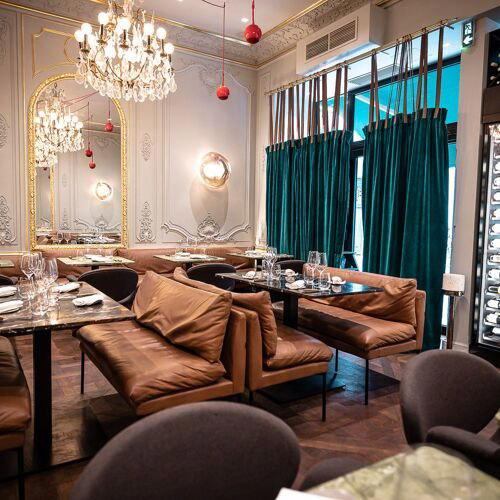
Restaurants in Lyme Regis
Browse all →
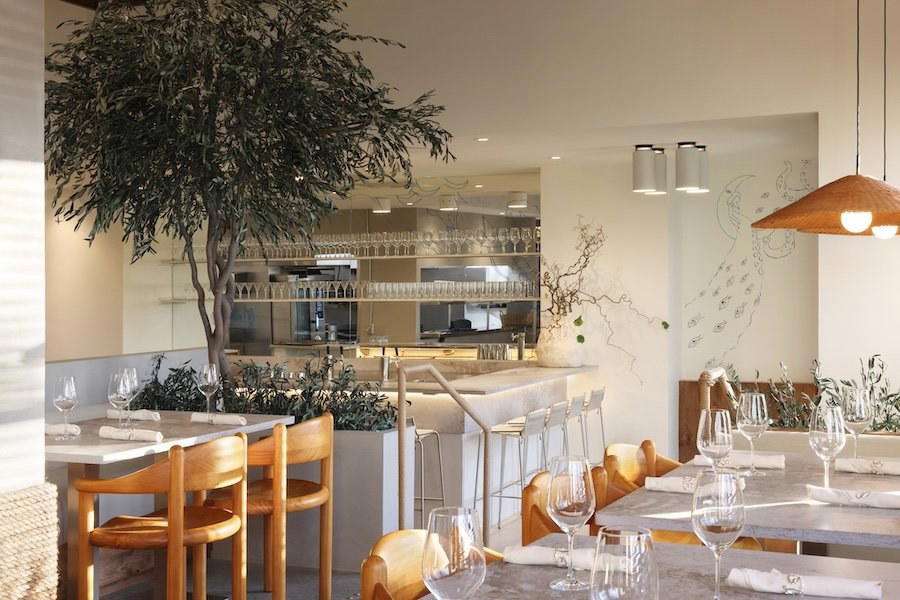
Bars in Lyme Regis
Browse all →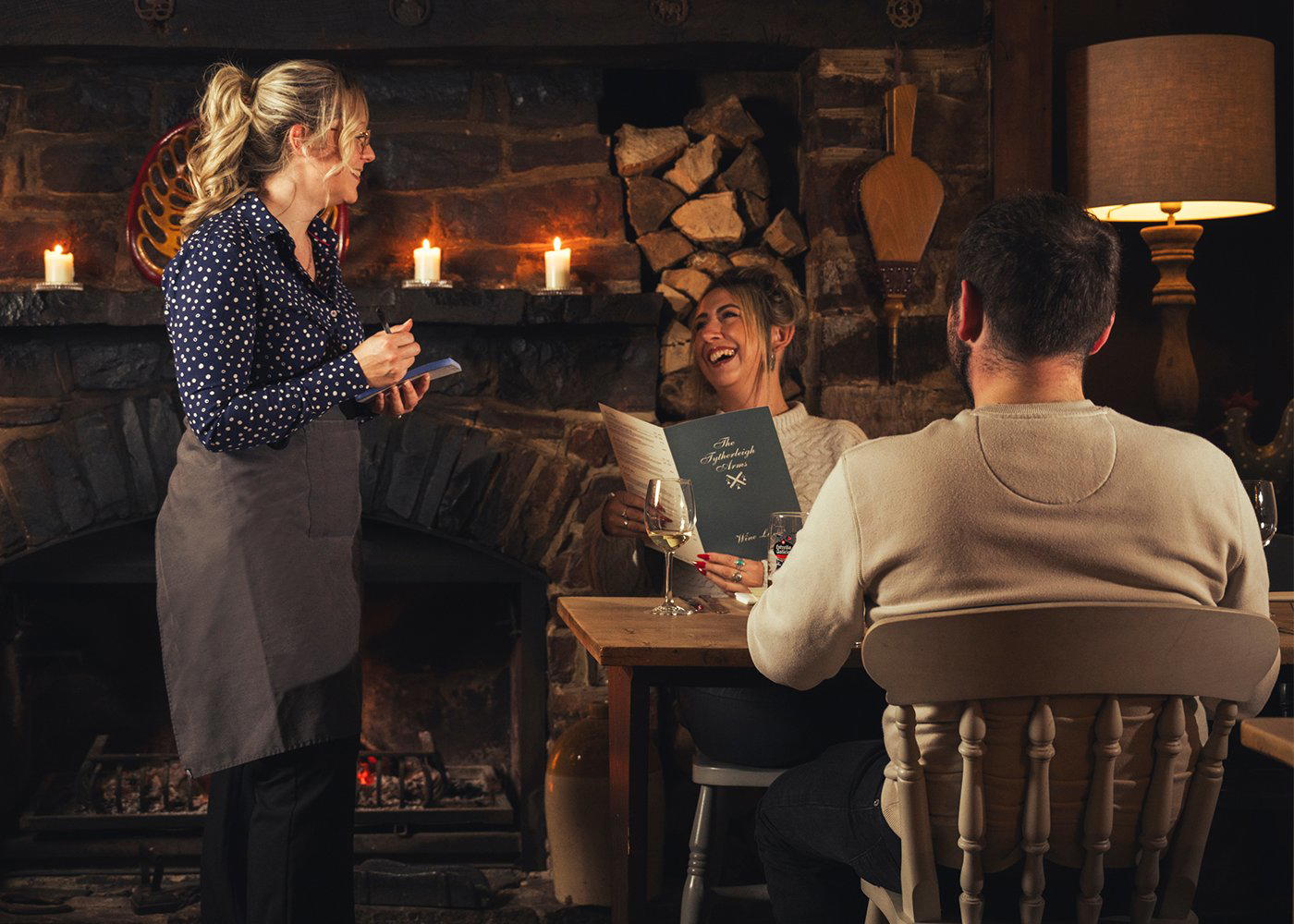
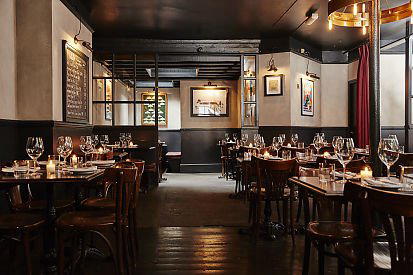

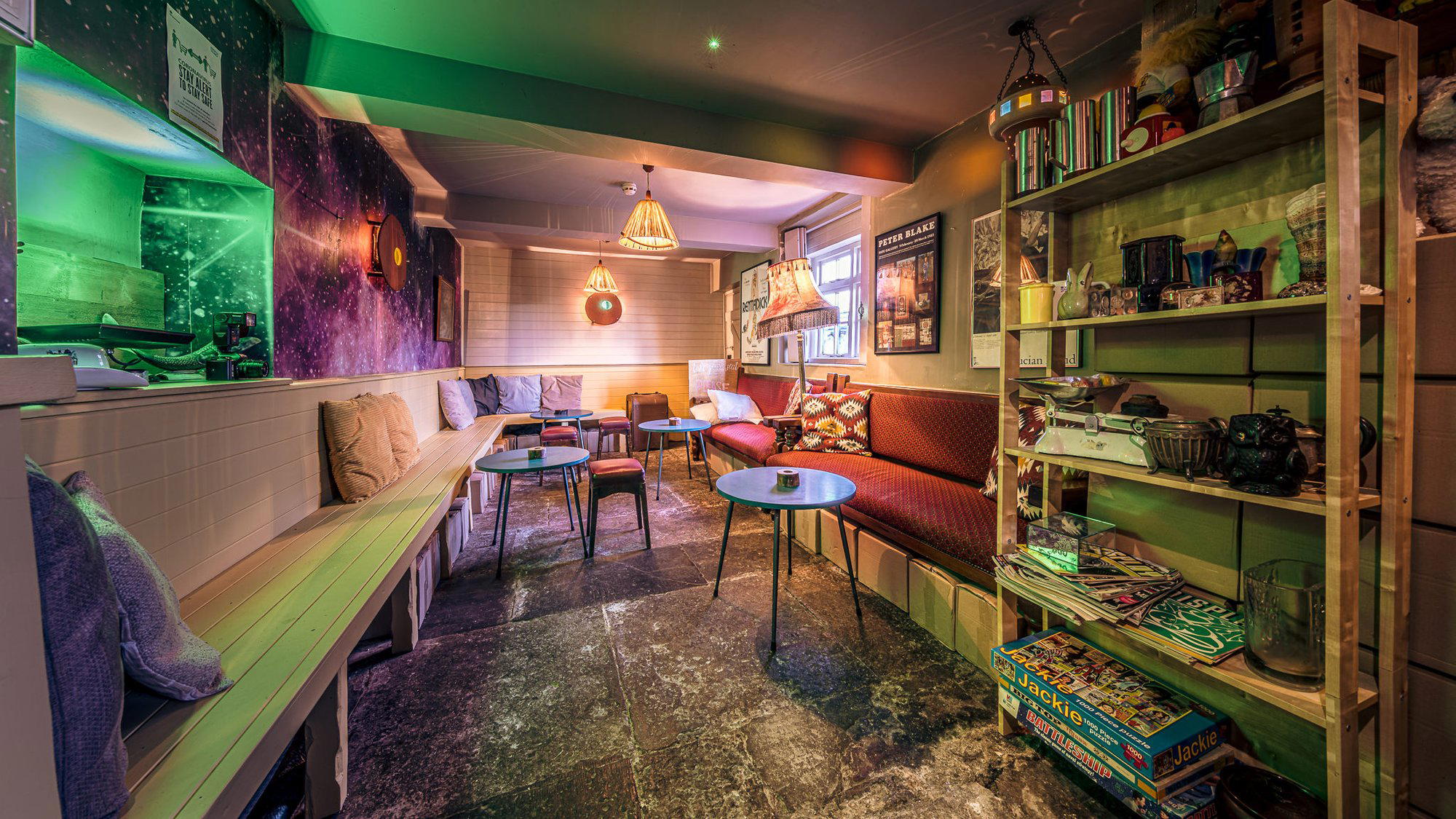
Hotels in Lyme Regis
Browse all →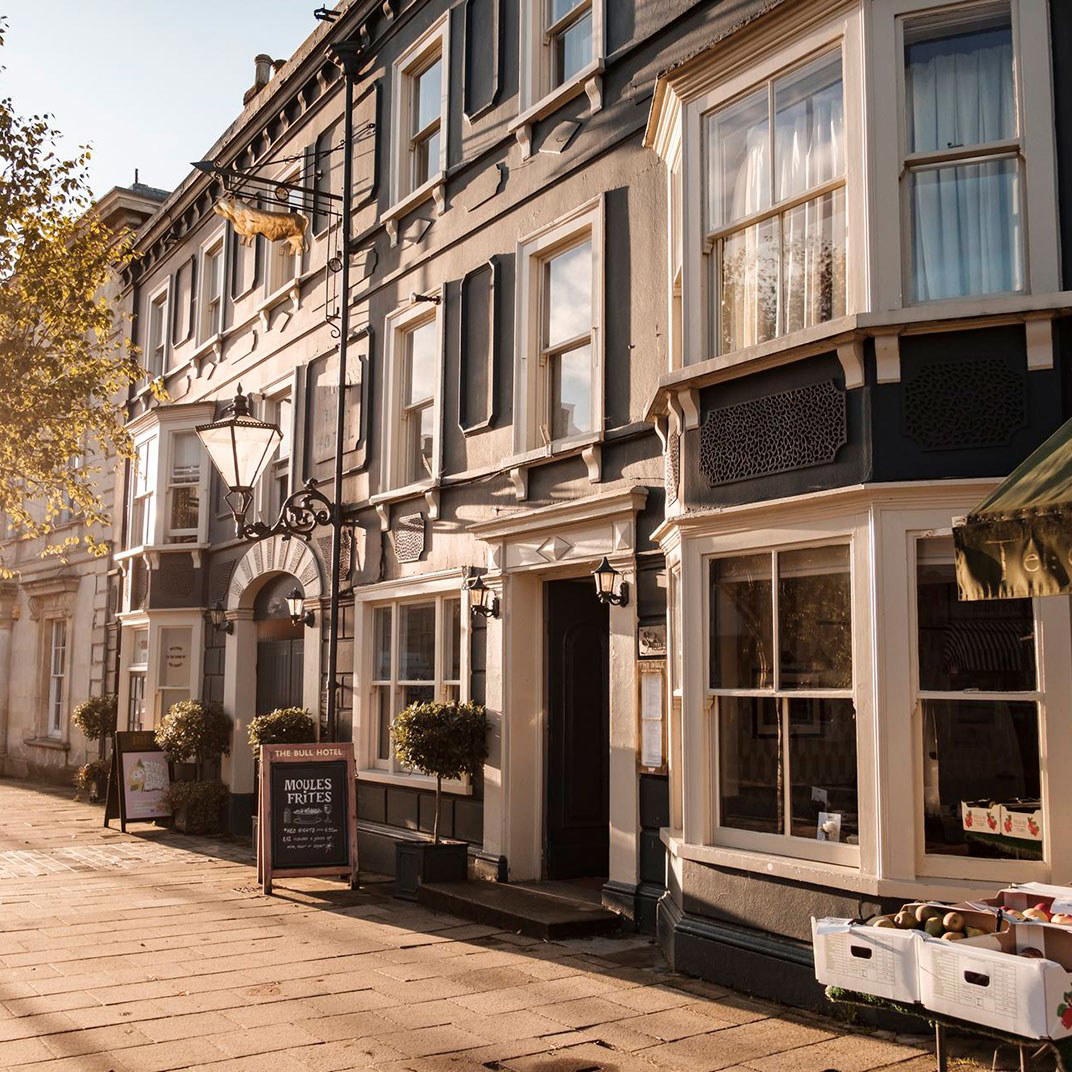
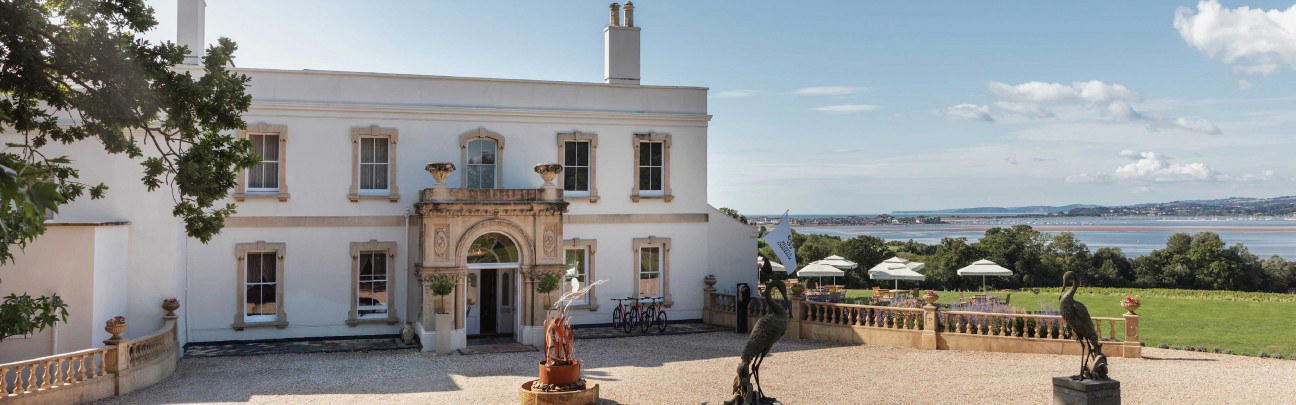
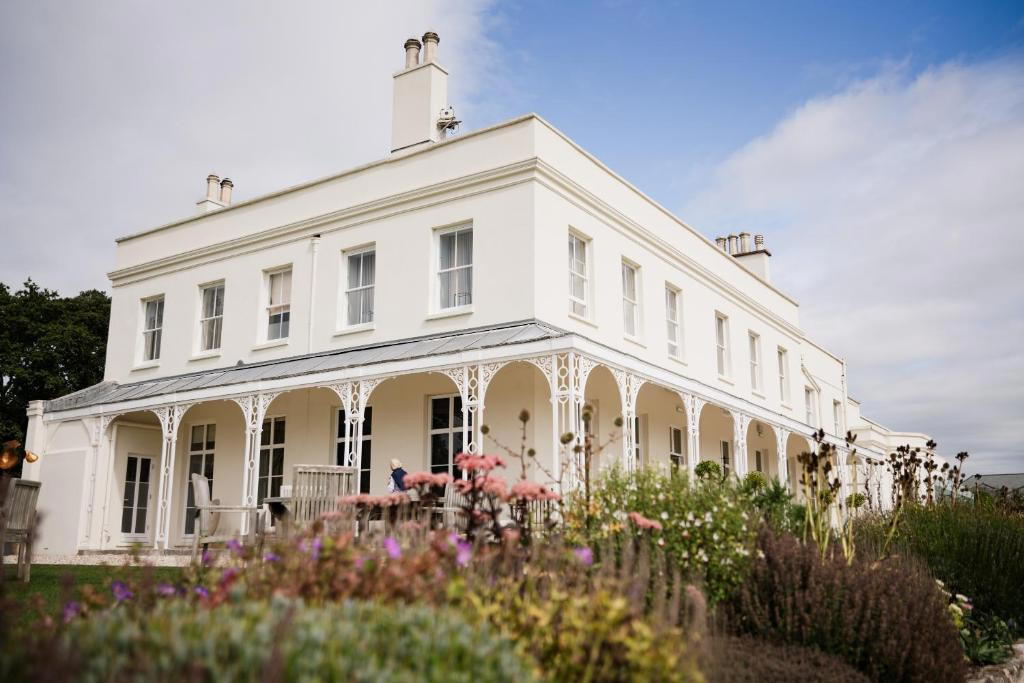
Wineries in Lyme Regis
Browse all →
At a Glance
- Trendy
- Scenic
- Lively
- Cozy
- Casual Hangout
- Family
- Brunch
- Waterfront
- Live Music
- Terrace
- Craft Cocktails
- Beer Program
- Local Sourcing
- Waterfront
Current opening hours
- Monday
- 9 AM–10 PM
- Tuesday
- 9 AM–10 PM
- Wednesday
- 9 AM–10 PM
- Thursday
- 9 AM–10 PM
- Friday
- 9 AM–10 PM
- Saturday
- 9 AM–10 PM
- Sunday
- 9 AM–10 PM
Hours can change for holidays and private events. Last verified .
Inviting interior with beach vibes, festive atmosphere, and sea breeze through huge sliding glass doors.
Know Before You Go
- Getting there
- Marine Parade, Lyme Regis DT7 3JH, United Kingdom