Our verdict
Sushi Mamoru distills the soul of Edomae tradition into an intimate, deliberately paced omakase where every detail—temperature, texture, timing—is orchestrated with quiet assurance. At the hinoki counter, market-fresh seafood is treated with an artisan’s restraint, from precisely aged tuna to whisper-thin kohada, each piece brushed with a measured glaze that lingers without overwhelming. The atmosphere is meditative yet warm; conversation softens, aromas of vinegared rice and delicate smoke rise and recede, and the chef’s measured movements become a kind of choreography. Guests leave with a sense of time expanded—of flavors revealed in sequence, of craft honored without spectacle, and of hospitality that feels both discreet and deeply personal.
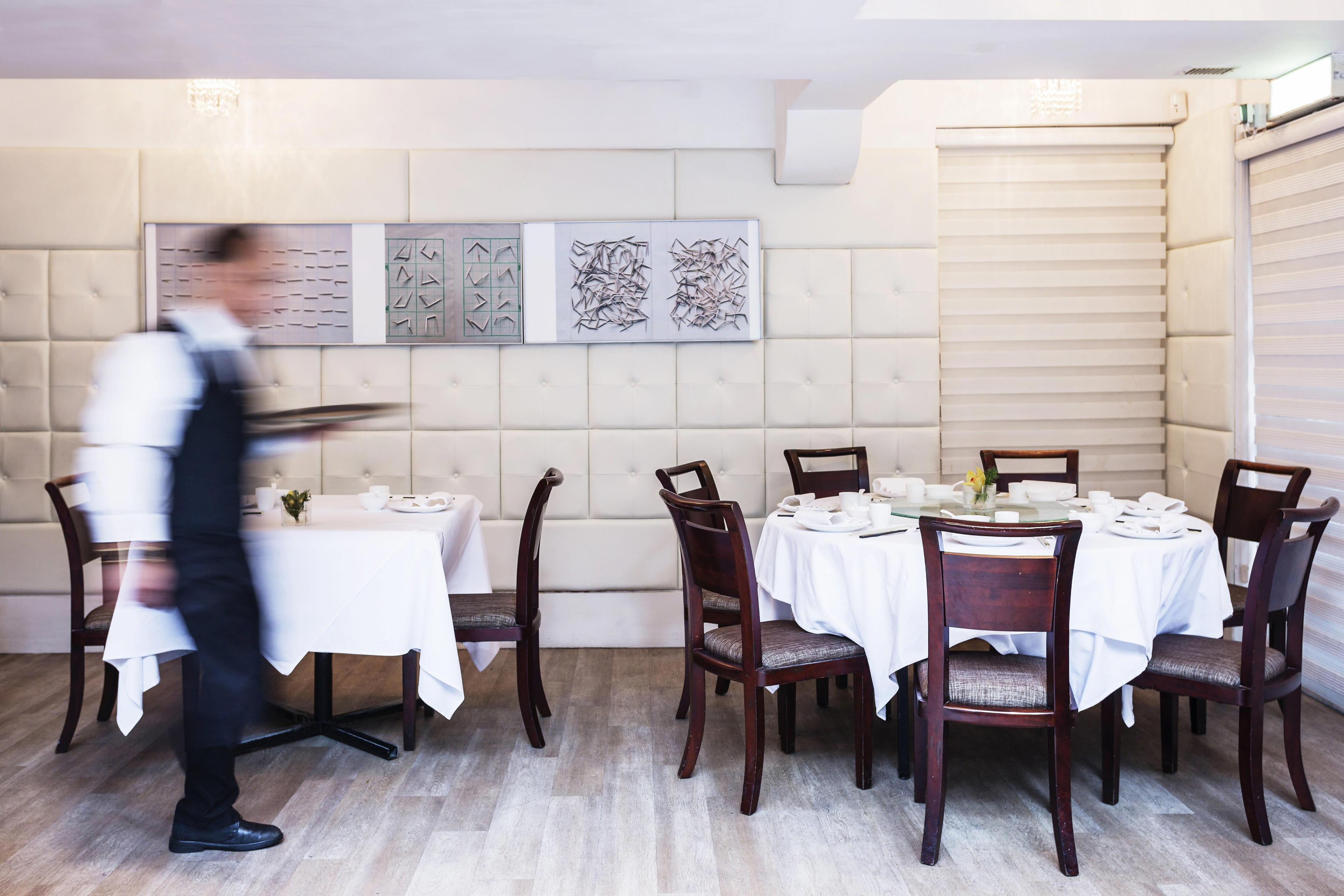
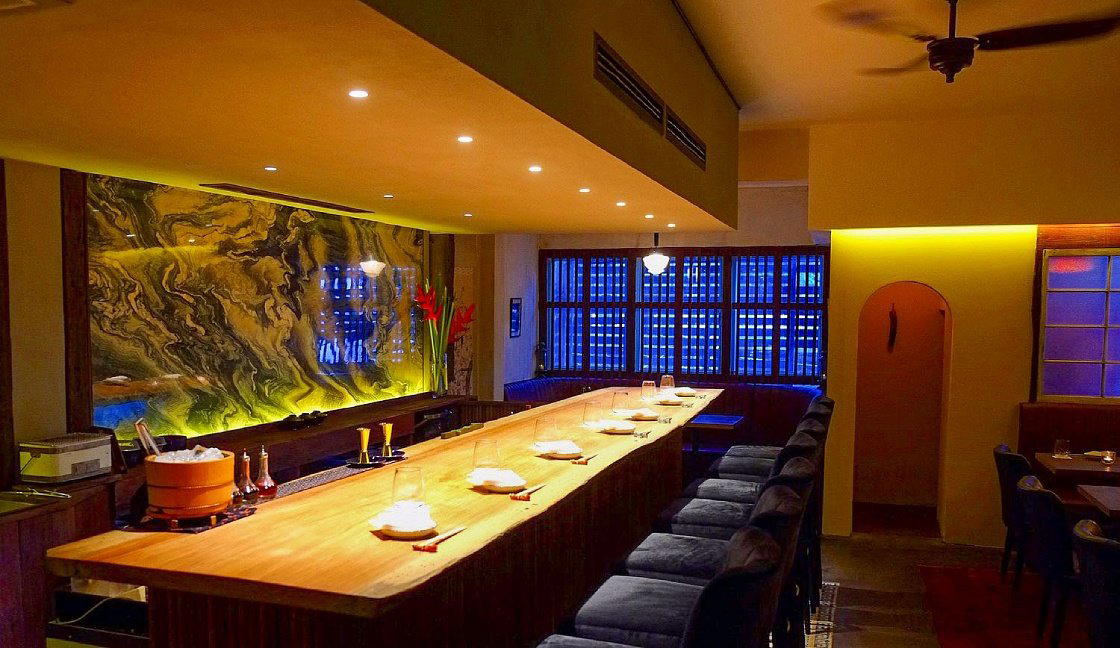
Sushi Mamoru is a sanctuary of Edomae purity, a rarefied counter where the language of craft is spoken in undertones. The room is compact and quietly luminous, centered on a pale hinoki bar that seems to absorb the city’s noise before it can cross the threshold. From the first pour of cool, mineral-driven sake to the final whisper of roasted tea, every gesture calibrates the senses toward focus and calm. The omakase unfolds like a narrative told in clean lines and careful breaths.
A curl of baby squid, glossed and just warm, yields to the saline sweetness of botan ebi; shinier, firmer notes arrive in the mirrored skin of kohada, its vinegar lifted and balanced by rice still breathing with steam. Tuna—aged to a precise tenderness—moves through a crescendo: akami with elegant grip, chu-toro with silken depth, and finally o-toro whose marbling dissolves like a held note fading into silence. Heat and cold play in counterpoint: a gently warmed nigiri amplifies aroma, while a glistening slice of clam snaps back with oceanic clarity. Here, seasoning is an intimate conversation rather than a proclamation.
A restrained brush of nikiri, a fleck of yuzu zest, a shy veil of smoke—each touch frames the fish without obscuring its character. The shari is meticulously tuned, grains distinct yet yielding, vinegar measured to the day’s humidity and the fish’s inherent sweetness. Even the knives tell a story: their edges whisper through flesh, leaving surfaces that shine like polished stone. Service is attentive in the way that vanishes, clocking your pace, resetting your palate, and guiding you through pairings that echo Japan’s seasonality—from crisp, alpine sakes to softer, rice-forward pours that cradle the richer cuts.
Conversation with the chef is easy but never over-familiar; a nod, a glance, a gentle explanation keep the experience both personal and discreet. Reservations are few, seats even fewer, and that scarcity feels earned rather than engineered. Sushi Mamoru is not a performance—it is a study in presence. It invites you to notice what is usually rushed past: the fragrance as warm rice meets cool fish, the fleeting mineral finish of uni, the way a perfectly measured bite can still surprise.
For the traveler who seeks refinement without ostentation, this is a place to exhale, surrender to sequence, and carry the memory long after the final nigiri has vanished.
Reputation & Price
Comparable venues nearby, for context on price, style, and recognition.
| Venue | Cuisine | Price | Notes |
|---|---|---|---|
| Sushi MamoruThis venue (the venue you are viewing) | Sushi | Not listed | Not listed |
| Second Draft | Chinese Gastropub | Not listed | Wan Chai, Dining |
| Yum Cha | Modern Cantonese Dim Sum | Not listed | Central, Modern Cantonese Dim Sum |
| Ichu Terraza | Central, Dining | Not listed | Not listed |
| Fong Wing Kee | Traditional Teochew Satay Hot Pot | $20–30 | Kowloon City North, Traditional Teochew Satay Hot Pot |
| Dim Sum and the Art of Chinese Tidbits | Traditional Cantonese Dim Sum | Not listed | Wan Chai, Traditional Cantonese Dim Sum |
Recognition history
Dated appearances from independent guides and award organizations, with the underlying list record or original source where available.
Opinionated About Dining Top Restaurants in Asia Recommended
Opinionated About Dining
Full recognition history (3 entries)
Opinionated About Dining Top Restaurants in Asia Ranked #245
Opinionated About Dining
Opinionated About Dining Top Restaurants in Asia Ranked #250
Opinionated About Dining
Continue exploring