Sushi On Main Street
Our verdict
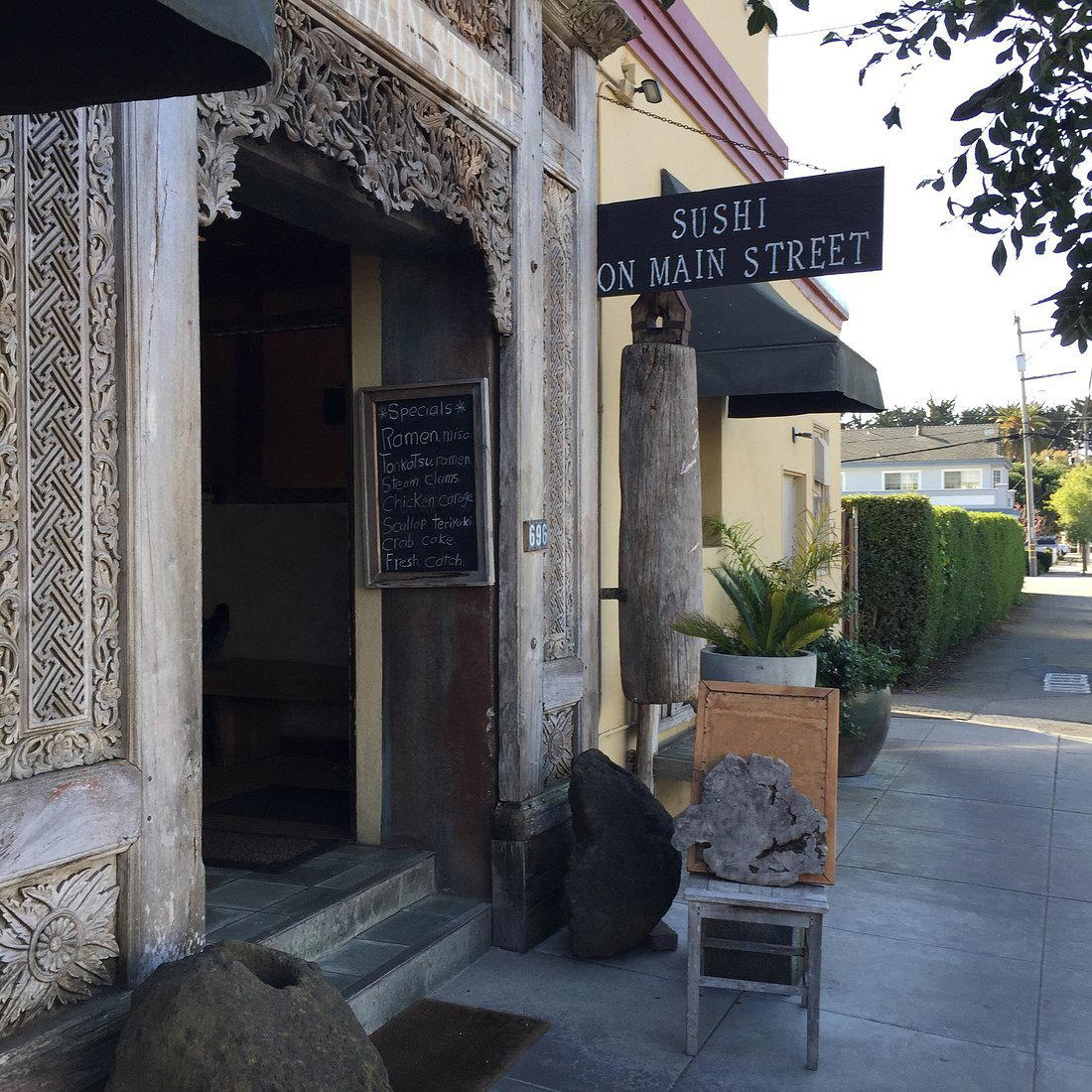
Sushi Main Street occupies a quiet stretch of Mill Street in Half Moon Bay, where the Pacific Coast's fishing culture meets Japanese technique in a coastal California setting. In a town better known for its surf breaks and pumpkin farms than its dining scene, this address draws locals and weekend visitors alike looking for straightforward sushi without driving back to the peninsula's busier corridors.

Pearl is the En Primeur Club membership app, where members save venues, book tables and use the concierge.
The menu
What to order
- Red Dragon Roll
- Tropical Roll
- Spider Roll
- Caterpillar Roll
Where the Coast Shapes What's on the Counter
Half Moon Bay sits roughly 28 miles south of San Francisco along Highway 1, and the drive itself sets the terms. By the time you arrive in town, the fog has usually descended, the ocean is audible from most streets, and the appetite shifts toward something that feels calibrated to salt air and low light. Mill Street, where Sushi Main Street is addressed at 696, runs through the older commercial core of the town, a stretch of low-profile storefronts that has resisted the boutique-hotel pressure arriving further north along the coast. That physical context matters when considering what a sushi restaurant means here. This is not the Ginza counter format, with its $400 omakase and silent precision theater. Nor is it the roll-forward fast-casual sushi that colonised suburban California strip malls through the 2000s. Half Moon Bay's dining scene, read against comparators like Barbara's Fishtrap or the Peruvian coastal cooking at La Costanera, trends toward the honest and the locally grounded. Sushi Main Street fits that register.
The Sensory Texture of a Coastal Sushi Room
California's smaller coastal towns have produced a particular kind of Japanese restaurant: less austere than urban omakase, less chaotic than city izakayas, and shaped heavily by what the local fishing economy delivers. The Pacific waters off San Mateo County carry Dungeness crab in season, rockfish year-round, and salmon runs that fluctuate with the weather patterns. A sushi counter in this geography, operating close to the source, has access to ingredients that larger city restaurants pay a premium to import from the same coastline. The sensory experience of eating sushi in a coastal setting like Half Moon Bay carries that provenance in the background: the air outside is the same air that the fish came from, which sounds like a small thing until you have eaten salmon in a landlocked dining room and understand the difference in presence.
The atmosphere on Mill Street skews quieter than the dining rooms further south toward Santa Cruz or north toward the peninsula suburbs. Weeknight tables tend toward local residents and couples on a slower pace; weekend evenings, particularly from late spring through October when coastal tourism peaks, bring a different energy. For a sense of Half Moon Bay's broader dining rhythm across price points and cuisines, the full Half Moon Bay restaurants guide maps the scene in detail. Nearby, Dad's Luncheonette and the Half Moon Bay Brewing Company represent the casual, communal end of the spectrum, while It's Italia anchors the Italian-American middle tier. Sushi Main Street occupies a different lane: focused and protein-forward, without the event-dining price architecture that defines the top tier of American sushi.
California Sushi in Its Regional Context
American sushi has spent twenty years bifurcating. At one end, the counter-service model around rice bowls and burritos-with-nori has captured the lunch crowd. At the other, destination omakase has pulled toward the price points that once defined fine French dining. Between those poles, neighborhood Japanese restaurants survive and often thrive by doing something neither extreme manages: feeding people well at a moderate pace, with a menu that includes both classic nigiri and the California-inflected rolls that still reflect the Japanese-American culinary exchange that shaped West Coast sushi culture from the 1970s onward.
That exchange produced some of the most consequential dishes in American food history, including the California roll itself, which was developed in Los Angeles partly to work around American reluctance to eat raw fish. Decades later, the conversation has inverted: raw fish is the draw, the California roll a curiosity of its own history. Restaurants like Sushi Main Street operate in the middle of that evolution, serving communities that want access to quality Japanese technique without the formality of a reservation-required counter. For comparison, the northern California fine-dining register is represented by venues like Single Thread Farm in Healdsburg and The French Laundry in Napa, where the experience architecture is far more elaborate. Nationally, the top tier of Japanese-influenced dining includes Atomix in New York City and the seafood precision of Le Bernardin. Sushi Main Street does not compete in that register, nor does it try to.
Planning Your Visit
Half Moon Bay is most accessible by car from San Francisco or the South Bay, with the drive along Highway 1 or Highway 92 adding scenic time to the journey. The town itself is compact enough to walk between its main commercial blocks, and Mill Street parking is generally manageable outside of peak autumn weekends, when the Pumpkin Festival draws significant crowds. That seasonal surge, concentrated in October, tends to compress availability across every Half Moon Bay restaurant, so arriving outside that window offers a notably calmer experience. Spring and early summer bring the coastal fog that Half Moon Bay is known for, which has its own appeal if you are arriving for the atmosphere rather than the sunshine.
Frequently asked questions
Where is Sushi Main Street located?
Sushi Main Street is located at 696 Mill St, Half Moon Bay, CA 94019, Half Moon Bay.
Is Sushi Main Street a good option for a San Francisco day trip along Highway 1?
Half Moon Bay sits approximately 28 miles south of San Francisco along Highway 1, making Sushi Main Street at 696 Mill St a practical lunch or early dinner stop on a coastal drive. The town's proximity to Half Moon Bay Harbor gives a local sushi counter an ingredient argument that purely urban spots cannot make. For visitors combining a Highway 1 drive with a meal that reflects the Pacific shelf it runs alongside, this address is a logical anchor point.
What do regulars order at Sushi Main Street?
At a Mill Street address this close to Half Moon Bay Harbor, the reasonable assumption is that local Pacific species appear regularly. Asking the counter staff what arrived that day is the standard move at restaurants of this format.
How hard is it to get a table at Sushi Main Street?
No reservation data is currently on file for Sushi Main Street at 696 Mill St, Half Moon Bay. Coastal towns with limited dining infrastructure relative to San Francisco day-trip traffic can see weekend wait times climb fast, particularly in summer and during the pumpkin festival season in October. Calling ahead or arriving early on weekdays is the safer approach until booking details are confirmed.
What do critics highlight about Sushi Main Street?
No formal press reviews or award citations are currently documented for Sushi Main Street. That absence of a Michelin or major publication record places it outside the urban omakase circuit, which Half Moon Bay as a market supports, this is a working coastal town, not a destination dining corridor. What the location does offer is proximity to one of California's most productive fishing harbors, which is the credibility that matters most for a sushi counter.
Is Sushi Main Street allergy-friendly?
No allergen policy or menu data is on file for Sushi Main Street. Sushi restaurants, by format, present significant cross-contact risk for shellfish and sesame allergies given how prep surfaces are used. Contacting the restaurant directly before visiting is the only reliable step, particularly if the allergy involves fish proteins, soy, or gluten found in traditional soy sauce and mirin.
Does Sushi Main Street justify its prices?
Price range data is not currently available for Sushi Main Street. In the broader Half Moon Bay dining market, Japanese restaurants tend to sit below San Francisco pricing while still reflecting California coastal ingredient costs. The Harbor-adjacent location on Mill Street positions it closer to source product than most city sushi counters, which is the argument for value that matters when evaluating freshness-dependent cuisine.
City Peers
Comparable venues nearby, for context on price, style, and recognition.
| Venue | Cuisine | Price | Notes |
|---|---|---|---|
| Sushi Main StreetThis venue (the venue you are viewing) | Traditional Japanese Sushi | $30–50 | Not listed |
| Miramar Beach Restaurant | Classic Oceanfront Seafood & Steaks | $30–50 | Miramar Beach |
| Barbara's Fishtrap | Fresh Seafood & Fish & Chips | $30–50 | Pillar Point Harbor |
| Half Moon Bay Brewing Company | American Seafood Brewpub | $20–30 | Pillar Point Harbor |
| It's Italia | California-Italian Trattoria | $20–30 | downtown Half Moon Bay |
| Sam's Chowder House | New England-Style Seafood | $20–30 | Half Moon Bay |
Continue exploring
More in Half Moon Bay
Restaurants in Half Moon Bay
All restaurants in Half Moon Bay →
Bars in Half Moon Bay
Browse all →
Details
- Cozy
- Intimate
- Date Night
- Casual Hangout
- Sake Program
- A La Carte
Current opening hours
- Monday
- 11 AM–2:30 PM, 4–8 PM
- Tuesday
- Closed
- Wednesday
- 11 AM–8:30 PM
- Thursday
- 11 AM–8:30 PM
- Friday
- 11 AM–8:30 PM
- Saturday
- 11 AM–8:30 PM
- Sunday
- 11 AM–8:30 PM
Hours can change for holidays and private events. Hours as of .
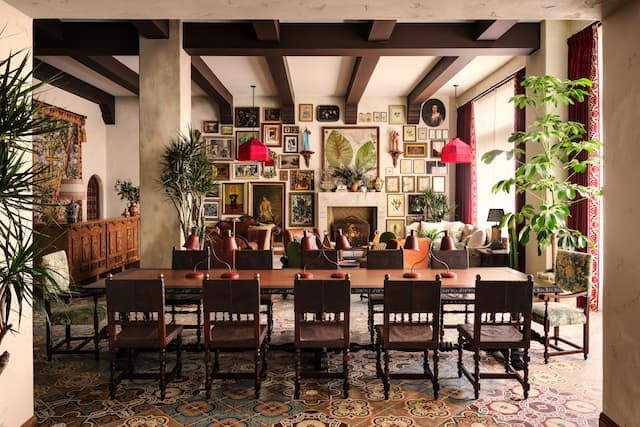
Pleasant and cozy with rich southeast Asian decor, old wooden tables, beautiful Balinese inspiration, and a quiet, intimate setting.