Baobab Fare


Baobab Fare brings East African cooking to Detroit's New Center neighbourhood, earning a spot on Esquire's Best New Restaurants list in 2022. The restaurant has built a following around sourcing integrity and recipes rooted in the Horn of Africa, offering a cuisine category that remains rare across the Midwest. It has earned broad credibility well beyond the local dining scene.
Pearl is the En Primeur Club membership app — saves, bookings, and concierge access live there. Same editors, same standards.
- Address
- 6568 Woodward Ave Suite 100, Detroit, MI 48202
- Phone
- (313) 265-3093
- Website
- baobabfare.com
- Directions
- Get directions
 Saves & bookings on Pearl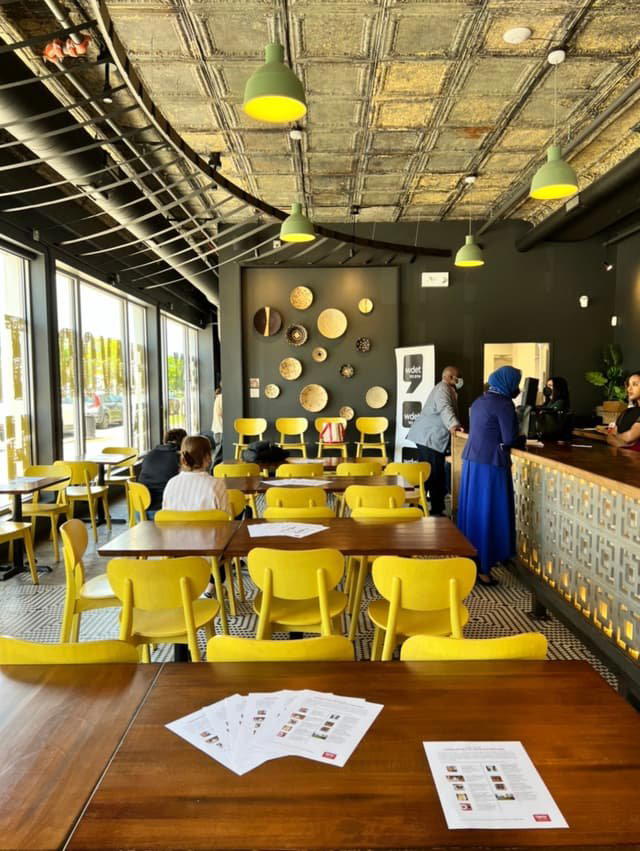
A Cuisine Detroit Rarely Sees at This Level
Detroit's restaurant scene has spent the past decade diversifying in earnest. New American kitchens like Selden Standard and steakhouses like Prime + Proper have drawn national attention, and the city's barbecue tradition at places like Slow Bars Bar-BQ remains deeply embedded. What has been slower to emerge is representation from the Horn of Africa and East African cooking traditions, despite the fact that Detroit and its suburbs host one of the largest East African communities in the United States. Baobab Fare occupies that gap with specificity and seriousness, sitting at 6568 Woodward Ave in the New Center neighbourhood, a stretch of the city that has absorbed waves of immigrant culture for generations.
Walking along Woodward toward the restaurant, the neighbourhood signals its in-between status — not quite Midtown, not quite the outer residential grid, but a functional corridor where institutional buildings share the streetline with independent businesses. Baobab Fare's presence here is not incidental. It is a neighbourhood restaurant serving a community that lives nearby, which is a different proposition from the destination dining model that draws visitors specifically for the credential.
What East African Sourcing Looks Like in Practice
East African cooking, particularly from the Burundian and broader Horn of Africa tradition that informs Baobab Fare's menu, is built on ingredients and techniques that have limited overlap with the European-derived culinary frameworks that dominate American restaurant culture. The grains, legumes, fermented accompaniments, and slow-cooked proteins at the centre of this tradition require sourcing that does not simply plug into the standard North American restaurant supply chain. Restaurants working in this mode typically source directly from specialty importers, community suppliers, or grow relationships with farms producing heritage varieties of sorghum, teff, or specific dried legumes.
The integrity of that sourcing chain matters in ways it does not for, say, a steakhouse operating within a well-established protein distribution network. When the ingredient itself is the carrier of cultural specificity, substitution is not a neutral act. It changes the food at a structural level. Restaurants that cut corners on sourcing in this category produce dishes that read as approximations — close in appearance, but missing the textural and flavour depth that comes from using the right base materials. Baobab Fare's sustained customer ratings, holding above 4.8 across nearly 1,400 data points, suggest consistency that requires supply chain discipline, not just good technique on the line.
For context, Great Plains Mara in the Maasai Mara works from a completely different sourcing logic: hyper-local and wild-adjacent, drawing on the ecology of the landscape directly. An East African restaurant in the American Midwest cannot do that, but it can make deliberate choices about what it imports, what it sources from diaspora agricultural networks, and what it adapts. The quality of those decisions is visible in the final plate even when the ingredient provenance is not listed on the menu.
Esquire's Recognition and What It Signals
That list, which annually selects across cuisine categories and geographies, tends to reward restaurants that are doing something category-defining rather than simply executing well within an established form. Baobab Fare's inclusion points to the former. In the same year and across the same award cycles, the types of restaurants earning this recognition nationally included ambitious tasting-menu formats and chef-driven projects in major coastal markets. A neighbourhood East African restaurant in Detroit earning equivalent recognition reflects the rarity of what it is doing, not just how well it is doing it.
For reference, the kitchens that appear on EP Club across the fine dining tier, Le Bernardin in New York, Alinea in Chicago, The French Laundry in Napa, Lazy Bear in San Francisco, or Atomix in New York, operate within established critical frameworks where the award logic is well-understood. Baobab Fare's recognition required Esquire's editors to evaluate it against no obvious domestic benchmark, because the cuisine type at this level of commitment has almost no direct American comparators.
Where Baobab Fare Sits in Detroit's Dining Map
Detroit's food scene has developed real depth in certain categories. Vecino's modern Mexican and the broader New American tradition give the city credibility across multiple contemporary registers. Cuisine represents the city's fine dining tier. What Baobab Fare does is categorically different: it is not performing East African food for a non-African audience, nor is it adapting the cuisine to fit familiar American restaurant conventions. The sustained ratings suggest an audience that includes the East African community alongside an expanding group of Detroit diners seeking cooking that does not duplicate what they can already get on Woodward or in Midtown.
That positioning matters for the visitor building a multi-night Detroit itinerary. The city's dining week, typically held in spring, occasionally features restaurants across cuisine categories including independent ethnic restaurants, which can be a practical entry point for first-time visitors. Baobab Fare's New Center address places it north of downtown but accessible, on a transit corridor that connects to the broader city grid. For those building out a fuller picture of Detroit's food and hospitality offer, our full Detroit restaurants guide, Detroit hotels guide, bars guide, wineries guide, and experiences guide cover the broader picture. Similarly, Emeril's in New Orleans and Single Thread Farm in Healdsburg illustrate how sourcing-led restaurant concepts translate across different American regions and cuisine traditions.
Planning a Visit
Baobab Fare operates at 6568 Woodward Ave, Suite 100, in Detroit's New Center district. The restaurant does not sit in a high-foot-traffic tourist zone, so walk-in availability on busy evenings is not guaranteed. Check current hours and booking options directly through the restaurant before visiting, as operational details can shift seasonally for independently run kitchens in this category.
How Baobab Fare Detroit compares with similar nearby venues.
| Venue | Cuisine |
|---|---|
| Baobab Fare | East African |
Recognition history
Dated appearances from independent guides and award organizations, with the underlying list record or original source where available.
James Beard Award Semi Finalist
James Beard Award
Esquire Best New Restaurants #14
Esquire

At a Glance
- Cozy
- Trendy
- Casual Hangout
- Family
- Date Night
- Standalone
Current opening hours
- Monday
- Closed
- Tuesday
- 11 AM–9 PM
- Wednesday
- 11 AM–9 PM
- Thursday
- 11 AM–9 PM
- Friday
- 11 AM–9 PM
- Saturday
- 11 AM–9 PM
- Sunday
- 11 AM–9 PM
Hours can change for holidays and private events. Last verified .
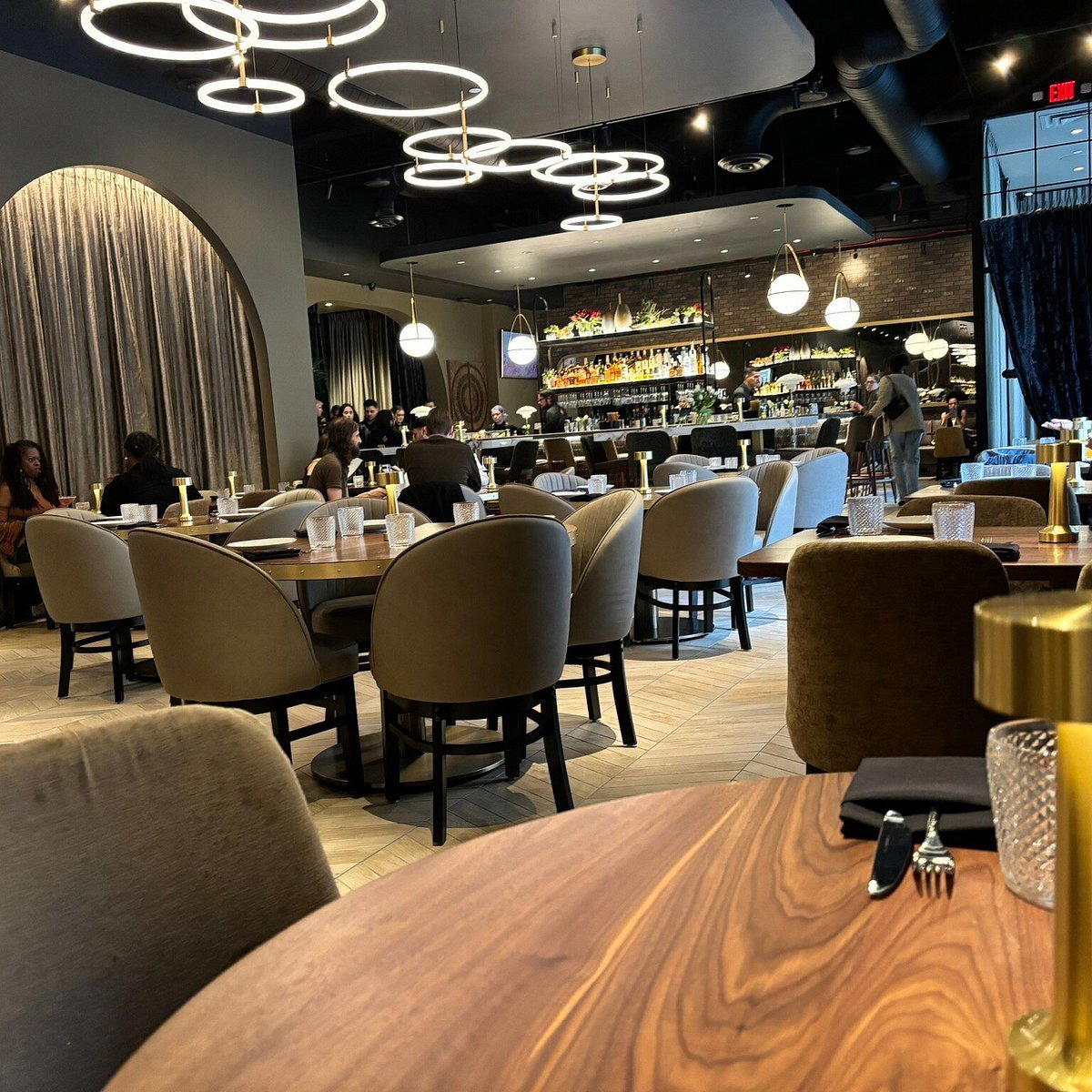
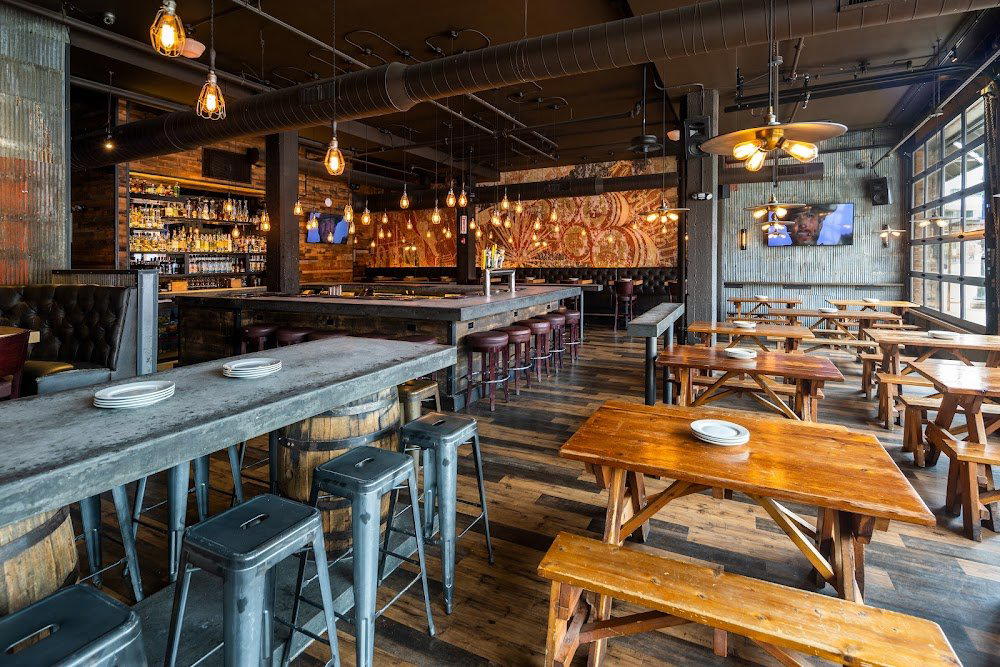
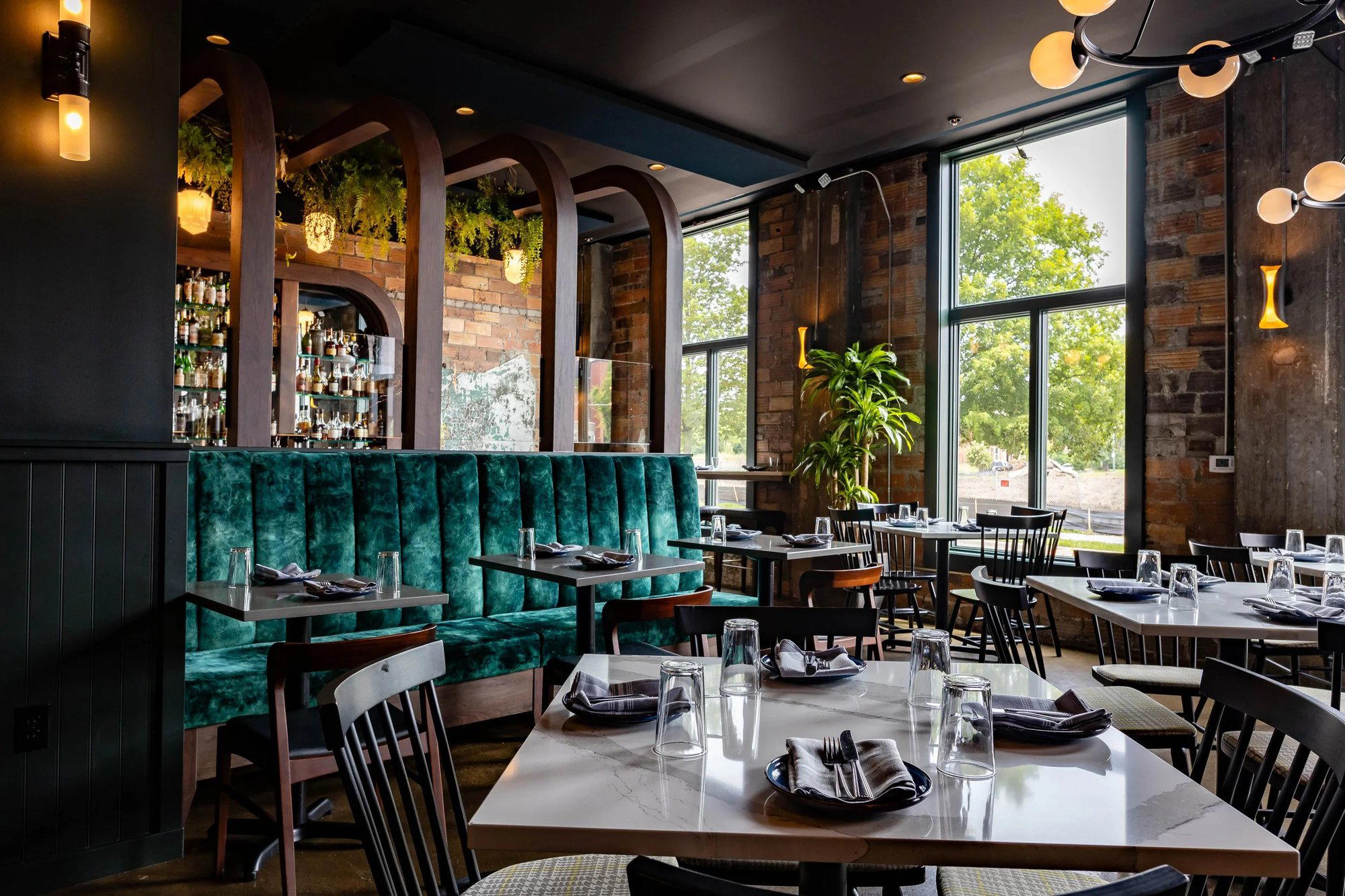
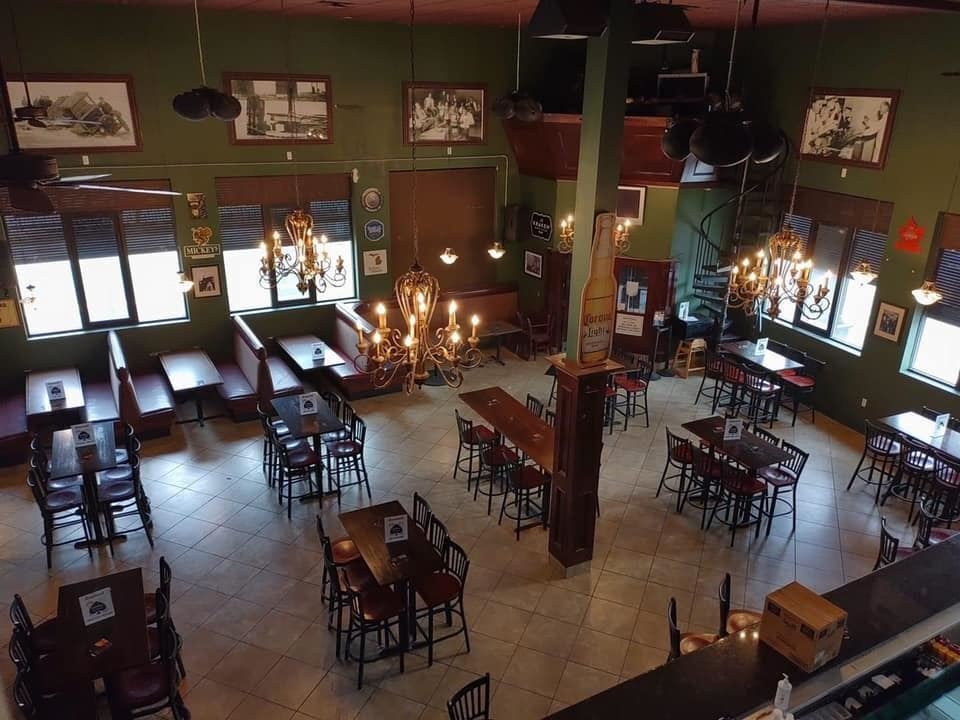
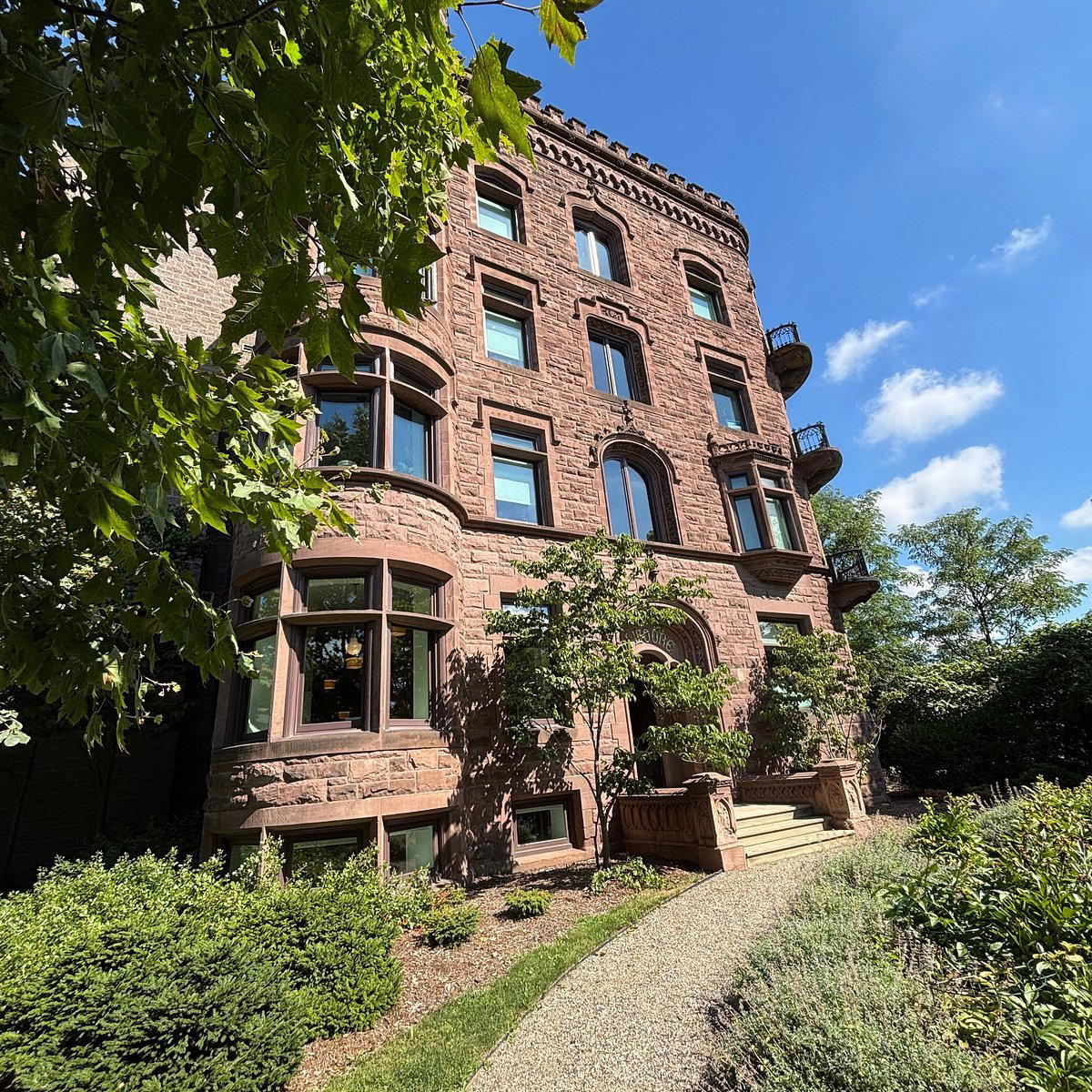
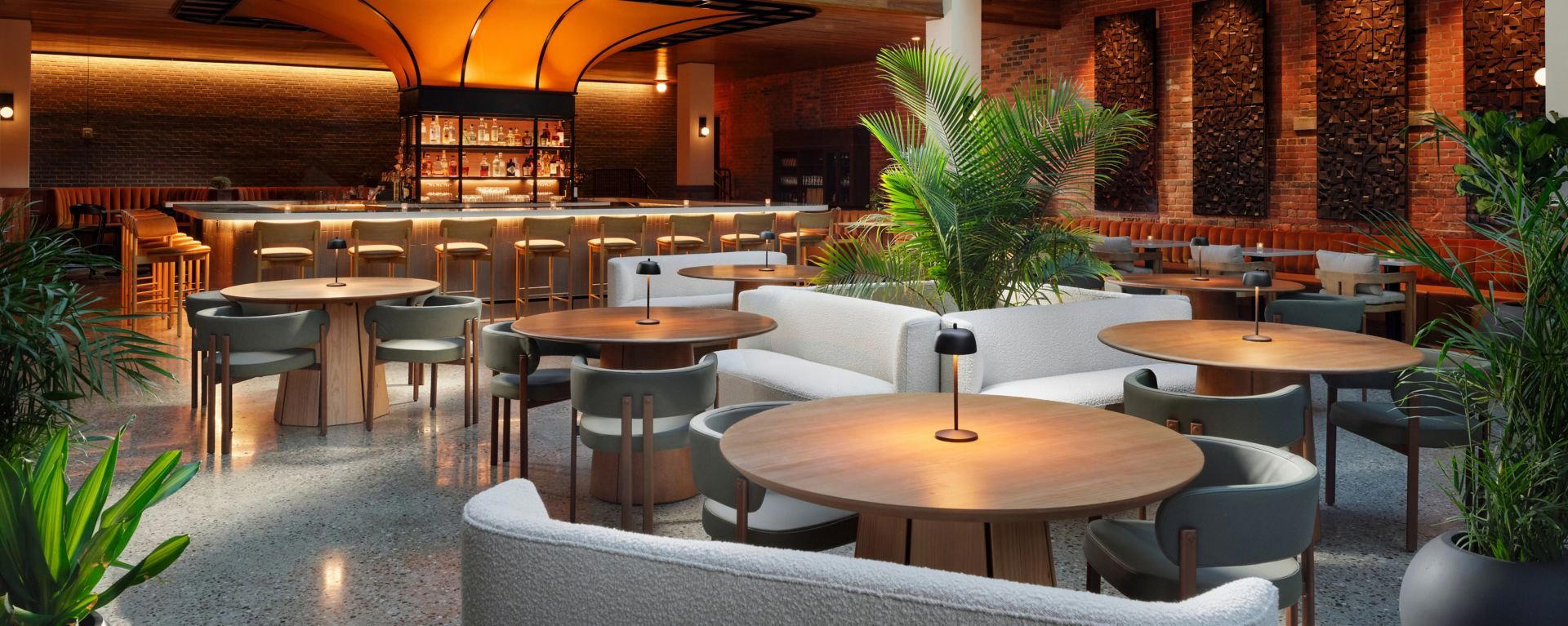
Bright, welcoming space in a cute older building with a cool, fun vibe ideal for intimate conversations.
Know Before You Go
- Getting there
- 6568 Woodward Ave Suite 100, Detroit, MI 48202