Sushi Ko
Sushi Ko on West 12 Mile Road represents Farmington Hills' serious end of Japanese dining, where the meal unfolds as a structured ritual rather than a casual order. The restaurant sits within a suburban corridor that has quietly developed a credible range of international dining options, making it a reference point for sushi in the wider Detroit metro area.
Pearl is the En Primeur Club membership app — saves, bookings, and concierge access live there. Same editors, same standards.
- Address
- 30703 W 12 Mile Rd, Farmington Hills, MI 48334
- Phone
- +12484714363
- Website
- sushikofarmingtonhills.com
- Directions
- Get directions
 Saves & bookings on Pearl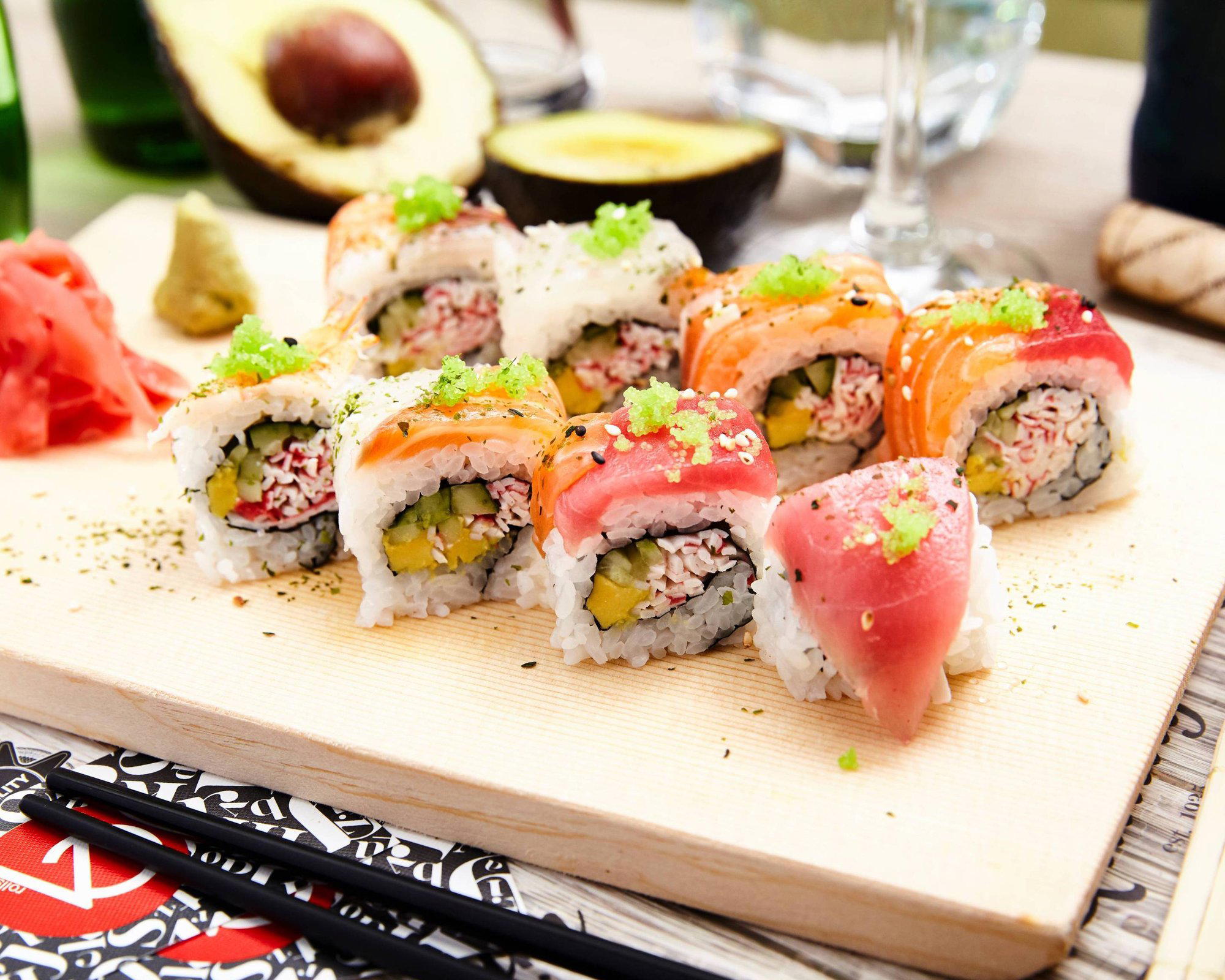
Where the Ritual Lives
West 12 Mile Road in Farmington Hills is not the kind of address that announces itself. The stretch runs through the kind of American suburban fabric — parking lots, low retail, wide lanes — that rarely signals anything worth slowing down for. Yet this corridor has accumulated a roster of serious international restaurants over the past two decades, from the northern Italian consistency of Cafe Cortina to the Cantonese precision of Hong Hua and the considered Chinese fine dining at ShiangMi Chinese Fine Dining. Sushi Ko occupies that same logic: a restaurant whose address undersells it.
The broader Detroit metro area does not lack for Japanese restaurants, but serious sushi counter dining, the kind built around pacing, sequence, and restraint, remains a smaller category. Sushi Ko, at 30703 West 12 Mile Road, positions itself within that narrower tier.
The Structure of the Meal
In Japan, the sushi dining ritual carries specific expectations: the chef controls the sequence, the temperature of the rice is calibrated to the ambient room rather than refrigeration, and the guest's role is to receive each piece at the moment it is handed across the counter. This is the model that separates counter sushi from the roll-heavy, tablecloth format that dominates most American suburban Japanese restaurants. How strictly any given restaurant adheres to these principles is the real measure of where it sits in its category.
The tradition matters because it changes what the diner is asked to do. At a properly run sushi counter, you do not redirect the meal, you read it. Pacing comes from the kitchen side of the wood, not from flagging a server. A piece of nigiri handed across the counter is meant to be eaten within seconds, not photographed and set aside. These are not arbitrary formalities; they reflect the logic of how fish behaves at temperature, and how rice changes texture as it cools. Restaurants that maintain this structure, even partially, are playing a different game from those that simply list sushi on a menu.
For diners coming from experiences at destination-tier counters, say, the precision sourcing at Le Bernardin in New York City or the tightly sequenced omakase formats found at Atomix in New York City, a suburban Michigan sushi restaurant will always represent a different register. But the question to ask of any regional counter is not whether it matches those benchmarks; it is whether it takes the underlying ritual seriously. That is what separates a credible neighborhood sushi destination from a menu exercise.
Farmington Hills and Its Dining Moment
Farmington Hills has benefited from the demographic density of Oakland County, which supports a restaurant market that punches above its suburban category nationally. The Japanese-American population in the broader metro area, combined with a professional dining culture that extends well past downtown Detroit, has created consistent demand for serious Japanese food in the suburbs. This is the same dynamic that has allowed Empire Dynasty to hold its position in the Chinese dining category, and that makes the corridor on West 12 Mile worth treating as a genuine dining destination rather than a convenience strip.
The comparison set for Sushi Ko is not national destination restaurants such as The French Laundry in Napa, Alinea in Chicago, Single Thread Farm in Healdsburg, or Blue Hill at Stone Barns in Tarrytown. Those restaurants operate in an entirely different tier of national recognition, alongside Lazy Bear in San Francisco, Providence in Los Angeles, Addison in San Diego, The Inn at Little Washington, Bacchanalia in Atlanta, and Emeril's in New Orleans. Even internationally recognized counters such as 8 1/2 Otto e Mezzo Bombana in Hong Kong underscore how different the register is once you move into globally credentialed dining; Sushi Ko is leading evaluated on the terms of its own market.
Planning Your Visit
The address is 30703 West 12 Mile Road, Farmington Hills, MI 48334, and the restaurant is accessible by car from across the metro area, a drive from central Detroit typically runs under thirty minutes in non-peak traffic. Like most serious sushi counters operating in the suburban Midwest, Sushi Ko does not carry the national booking pressure of a destination restaurant where reservations are contested months in advance. That said, weekend evenings at well-regarded regional Japanese restaurants in this category often fill faster than diners expect, and calling ahead is the appropriate way to secure a seat. A phone number and current hours are worth confirming through a direct channel before visiting. For a broader look at what this corner of metropolitan Detroit offers, the full Farmington Hills restaurants guide covers the range of options along this corridor.
- Spicy Tuna Roll
- California Roll
- Caterpillar Roll
- Soft-Shell Crab Roll
- Sake Don
- Una Ju
Continue exploring
More in Farmington Hills
Restaurants in Farmington Hills
Browse all →
Bars in Farmington Hills
Browse all →
At a Glance
- Cozy
- Classic
- Casual Hangout
- Family
- Solo
- Group Dining
- Open Kitchen
- Sake Program
- Beer Program
Current opening hours
- Monday
- 11 AM–2 PM, 3–8:30 PM
- Tuesday
- 11 AM–2 PM, 3–8:30 PM
- Wednesday
- 11 AM–2 PM, 3–8:30 PM
- Thursday
- 11 AM–2 PM, 3–8:30 PM
- Friday
- 11 AM–2 PM, 3–8:30 PM
- Saturday
- 11 AM–2 PM, 3–8:30 PM
- Sunday
- Closed
Hours can change for holidays and private events. Last verified .
Know Before You Go
- Getting there
- 30703 W 12 Mile Rd, Farmington Hills, MI 48334