Sushi Hana
Sushi Hana on Woodward Avenue brings a considered Japanese dining format to Bloomfield Hills, a suburb where fish-forward precision is relatively uncommon at this address level. The meal follows the measured pacing of traditional Japanese service, making it a counterpoint to the steakhouse and Italian formats that anchor much of the area's dining scene. Confirm details and reservations directly via the restaurant before visiting.
Pearl is the En Primeur Club membership app — saves, bookings, and concierge access live there. Same editors, same standards.
- Address
- 42656 Woodward Ave, Bloomfield Hills, MI 48304
- Phone
- +12483333887
- Website
- sushihanabloomfield.com
- Directions
- Get directions
 Saves & bookings on Pearl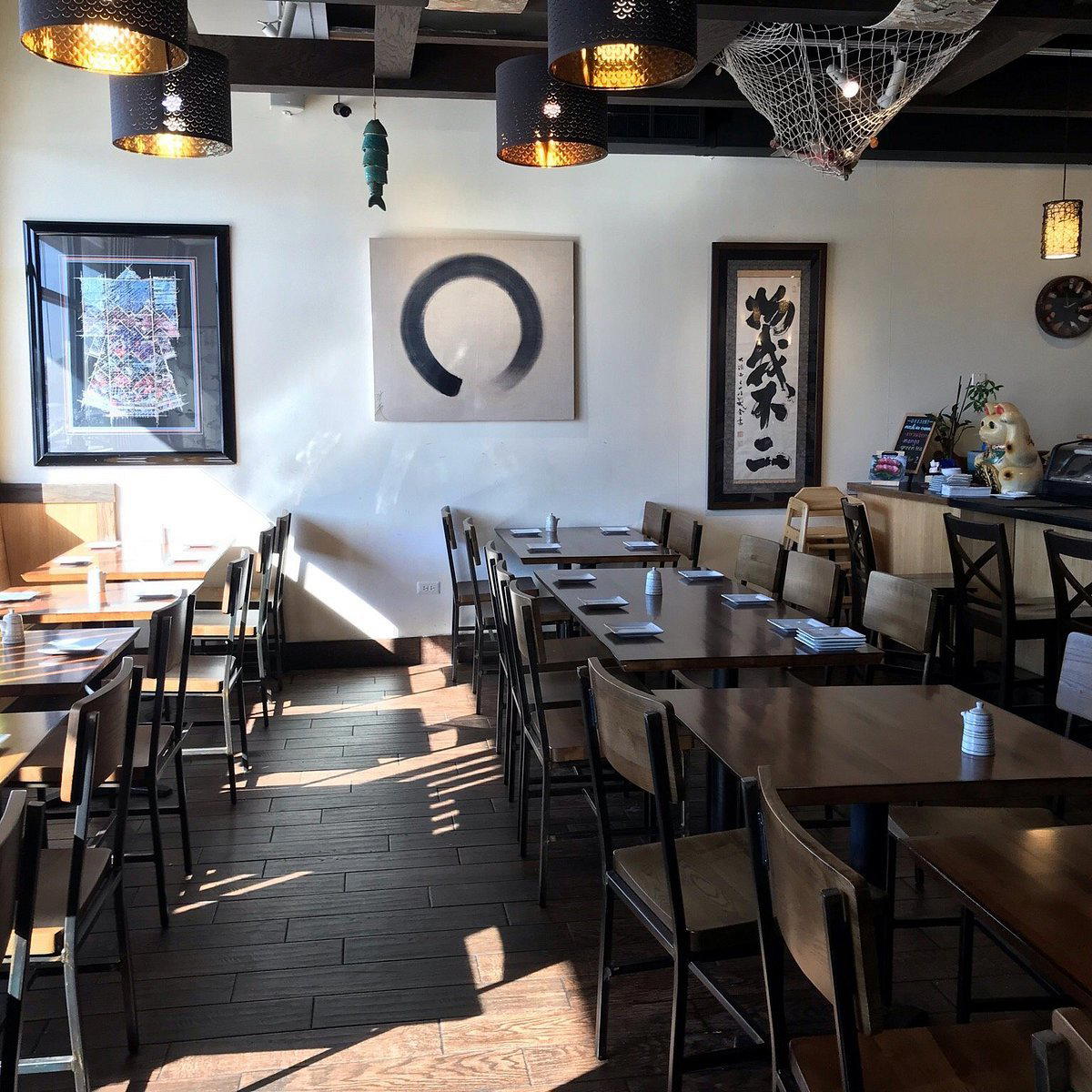
Where Woodward Avenue Meets Japanese Precision
Bloomfield Hills' dining character is shaped largely by the Italian-American and seafood traditions that run through Oakland County's upscale corridor. Andiamo and Joe Muer Bloomfield Hills anchor that dominant mode, with bold proteins, heavy sauces, and dining rooms calibrated for celebration. Against that backdrop, a Japanese restaurant on Woodward Avenue operates as a deliberate departure: quieter in its pacing, more restrained in its presentation, and governed by a set of dining customs that reward patience over spectacle.
Sushi Hana sits at 42656 Woodward Ave, placing it within easy reach of the broader Bloomfield Hills residential and commercial strip. The address puts it in proximity to the kind of clientele that has traveled enough to understand what Japanese dining done correctly looks and feels like, even if the metro Detroit suburbs are not typically the first geography associated with serious Japanese cuisine. That gap between expectation and execution is where the restaurant earns its relevance.
The Ritual of the Japanese Meal
Japanese dining, at its most considered, is not structured around a single main event. The meal unfolds in stages: cold preparations first, then cooked dishes, then rice and soup, then a clean finish. This sequencing is not decorative. It reflects centuries of thinking about how the palate moves through temperature, fat, acidity, and umami over the course of an evening. American dining culture tends to compress or ignore that arc, moving quickly to the protein and treating everything else as prologue or epilogue.
A sushi-focused restaurant in a market like Bloomfield Hills occupies a particular position in that tension. It serves a cuisine built on precision and sequence to a dining public that may be encountering some of those conventions for the first time, or that arrives with expectations shaped by the broader proliferation of casual Japanese formats across the United States. The better Japanese restaurants in suburban markets distinguish themselves by holding the line on that sequencing rather than collapsing it to fit faster turnover expectations.
The custom of eating nigiri shortly after it is placed is one of the clearest markers of a kitchen that takes temperature and texture seriously. Sashimi served at the right moment, rice pressed at body temperature, and the interval between courses managed with intention: these are the signals worth attending to when assessing a Japanese dining room. They matter more than décor or table count as indicators of whether a kitchen is treating the meal as ritual or as throughput.
Sushi in the American Midwest: A Different Context
The Japanese restaurant scene in the American Midwest has historically operated in the shadow of coastal markets. Cities like New York, Los Angeles, and San Francisco attracted the bulk of serious Japanese culinary talent and investment through the 1990s and 2000s. A restaurant like Le Bernardin in New York City or Providence in Los Angeles exists in a concentrated ecosystem of supply chains, trained staff, and sophisticated regular clientele that simply does not replicate itself in the same density in suburban Michigan.
That context matters because it shapes what a Japanese restaurant in Bloomfield Hills is actually doing: it is building an audience for a set of dining rituals that still feel foreign to a meaningful portion of its potential customer base, while simultaneously competing for the attention of the traveling or metropolitan-adjacent diner who has a reference point for what Japanese cuisine at a higher tier looks like. The comparison set for the serious end of American Japanese dining includes places like Atomix in New York City, where the tasting format is built around meticulous sourcing and multi-course Korean-Japanese influence. Sushi Hana is not operating at that tier of international recognition, but the cultural distance between those reference points and a Woodward Avenue address is itself an editorial data point about where the Bloomfield Hills dining scene sits within the national picture.
Other Bloomfield Hills options like Zao Jun take their own approach to Asian dining in the suburb, and casual comfort formats like Steve's Deli occupy the opposite end of the formality register. The breadth of that range reflects a suburb with varied dining expectations rather than a consolidated culinary identity. For a broader view of where Japanese dining fits within the area's options, the full Bloomfield Hills restaurants guide maps the scene more completely.
Precision Formats and Their American Counterparts
The tasting and sequencing traditions that define serious Japanese dining have found American analogues in a handful of destination restaurants that have borrowed Japanese pacing and attention to detail as organizational principles. Alinea in Chicago applies course-by-course precision to an American modernist idiom. The French Laundry in Napa and Single Thread Farm in Healdsburg have both drawn explicitly on Japanese kaiseki principles to shape their tasting menus. Lazy Bear in San Francisco and Blue Hill at Stone Barns in Tarrytown apply similar sequencing logic to hyper-local sourcing frameworks.
These examples illustrate that the ritual logic of Japanese dining has proven durable and exportable, precisely because it aligns the diner's experience with the kitchen's priorities rather than subordinating the kitchen to guest impatience. A restaurant in Bloomfield Hills that holds to that logic, even in a more accessible format, is participating in a broader argument about what careful dining should feel like.
Planning Your Visit
Sushi Hana is located at 42656 Woodward Ave, Bloomfield Hills, MI 48304. As with most Japanese restaurants operating at a considered pace, arriving without a booking on a weekend evening carries meaningful risk. Weekday visits typically offer more flexibility in seating. Guests with dietary restrictions or preferences around raw fish should clarify those needs at the point of booking rather than on arrival, as Japanese kitchens at this format level generally build sequences around the expectation of full participation.
For readers building a broader dining itinerary across the United States, reference points like Addison in San Diego, Bacchanalia in Atlanta, The Inn at Little Washington, Emeril's in New Orleans, and 8½ Otto e Mezzo Bombana in Hong Kong collectively illustrate what precision dining looks like across different cultural registers. Sushi Hana addresses a different market and price point, but the underlying argument for sequenced, intentional dining connects across all of them.
Continue exploring
More in Bloomfield Hills
Restaurants in Bloomfield Hills
Browse all →
Bars in Bloomfield Hills
Browse all →
At a Glance
- Cozy
- Casual Hangout
- Solo
- Open Kitchen
- Sake Program
- Local Sourcing
Current opening hours
- Monday
- 11 AM–9:30 PM
- Tuesday
- 11 AM–9:30 PM
- Wednesday
- 11 AM–9:30 PM
- Thursday
- 11 AM–9:30 PM
- Friday
- 11 AM–10 PM
- Saturday
- 11 AM–9:30 PM
- Sunday
- 12–9 PM
Hours can change for holidays and private events. Last verified .
Simple, unassuming interior with friendly service and a casual, low-key atmosphere.
Know Before You Go
- Getting there
- 42656 Woodward Ave, Bloomfield Hills, MI 48304