Su Murruai

Su Murruai occupies a converted mill in the small village of Riola Sardo, where chef Ivan Matarese builds a contemporary Mediterranean menu around fish from the Gulf of Oristano, inland meat, and the aromatic character of aged Vernaccia. The kitchen holds a 2024 Michelin Plate and earns, making it one recognised table in this corner of Sardinia's Sinis Peninsula.
Pearl is the En Primeur Club membership app — saves, bookings, and concierge access live there. Same editors, same standards.
- Address
- Agriturismo Su Barroccu, 09070 Riola Sardo OR, Italy
- Phone
- +39 391 324 9185
- Website
- ristorantesumurruai.it
- Directions
- Get directions
 Saves & bookings on Pearl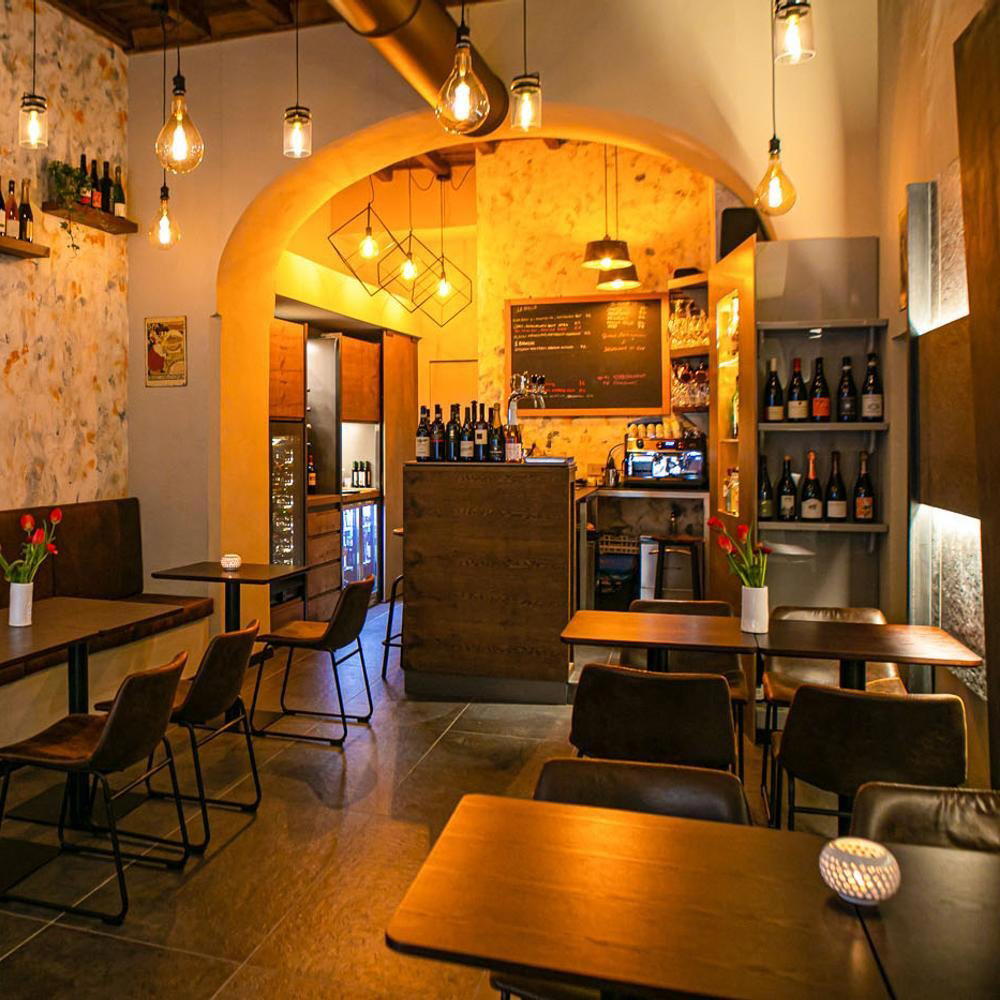
Old Mill, Aged Wine, and the Scent That Names a Restaurant
Approach Riola Sardo from the coast road and the Sinis Peninsula spreads out to the west: shallow lagoons, flamingos in the shallows, and the salt-flat light that defines this part of central-western Sardinia. The village itself is quiet, and Su Murruai earned a Michelin Plate in 2024. Su Murruai earned that Plate in 2024, placing it in the small company of Sardinian addresses that Michelin's inspectors consider worth a detour from the better-trafficked coastline. The setting is a converted old mill attached to the Agriturismo Su Barroccu, stone walls, the structural memory of agricultural work, and a name drawn from su murruai, the Sardinian word for the particular scent that aged Vernaccia di Oristano releases. That wine, a singular oxidative white produced only in this sub-region, is not incidental to the restaurant's identity; it is the first cultural signal the kitchen sends.
Where the Ingredients Come From, and Why That Geography Matters
The sourcing logic at the restaurant is organised by concentric geography. The innermost ring is the Gulf of Oristano, whose brackish lagoons and coastal fishing grounds produce fish that differ in character from Sardinia's more tourist-familiar northern waters. The second ring is the Sardinian interior: inland pastures supplying meat, including mutton, which appears on the menu in a preparation the kitchen calls pintadera, an open ravioli format with saffron and liquorice, two ingredients with deep Sardinian roots, one from the island's spice trade history, the other from its wild coastal shrubland.
That ingredient pairing shows how contemporary Sardinian cooking can work within the Mediterranean tradition. Where many Italian regional kitchens now look outward to French technique or Nordic minimalism for their contemporary credentials, this kitchen looks inward, finding complexity in the island's own pantry before reaching further. The continental mainland does make an appearance: chef Ivan Matarese comes from Campania, and that origin shows most clearly in the dessert section, where roughly half the sweets are reimagined Campanian classics. A reinterpreted pastiera and a reworked babà sit alongside more strictly Sardinian finishes, a division that makes the menu's dual geography explicit rather than concealed.
The decision to source from both the local coastline and mainland culinary memory is consistent with a broader pattern in Italian destination restaurants outside the major cities. Tables like Uliassi in Senigallia or Quattro Passi in Marina del Cantone are rooted in a specific coastal geography but allow the chef's formation and palate to shape how those ingredients are handled. The restaurant works in a similar register, though at a considerably lower price point and without the multi-decade track record those addresses carry.
The Menu in Context
The pricing sits at the €€€ tier, which in Sardinia's agriturismo-heavy dining culture signals a more formal meal. This is not a region where that bracket is the default setting; most eating around the Sinis Peninsula happens at tables where the bill is lower, the cooking is traditional, and no inspector from Paris has ever stopped by. The restaurant positions itself above that baseline, offering contemporary technique applied to regional ingredients, which is a more ambitious proposition in a village of this scale than it would be in Cagliari or Alghero.
That kind of rating, held over a substantial review count, is harder to sustain at a place that makes ambitious cooking choices than at a simple trattoria where expectations are calibrated lower. It suggests the kitchen's reinterpretations land with the people eating them rather than existing primarily as a concept.
For reference, contemporary Sardinian cooking includes addresses like Reale in Castel di Sangro or Piazza Duomo in Alba, both of which occupy the starred tier that restaurant has not yet reached. The Michelin Plate is an acknowledgement of quality cooking rather than a higher accolade, and it confirms the food warrants a trip.
The Vernaccia Factor
Vernaccia di Oristano is one of Italy's most overlooked wine categories, a sherry-adjacent oxidative white produced in tiny volumes from old vines concentrated around this exact part of Sardinia. The fact that a restaurant takes its name from the wine's aged aroma is not decorative, it indicates a kitchen that understands its relationship to the local wine culture as something more than a list of bottles for sale. In a region where wine tourism is thinner on the ground than in Tuscany or Piedmont, that orientation matters. Visitors with an interest in Italian wine outside the familiar appellations will find in this area a productive pairing of a genuinely marginal denomination with cooking designed around its register. Check our full Riola Sardo wineries guide for more on the local producers.
Planning a Visit
The restaurant is attached to the Agriturismo Su Barroccu at the address in Riola Sardo village, which sits a short drive inland from the Sinis Peninsula coast. The €€€ pricing and Michelin Plate status mean advance booking is advisable, particularly in summer when Sardinia's visitor numbers are at their highest and tables at recognised addresses fill quickly. Reservations are recommended. Visitors combining the peninsula's archaeology, the Tharros ruins and the Santa Giusta basilica are both close, with an evening at the restaurant will use the geography sensibly. For broader planning in the area, see our full Riola Sardo restaurants guide, hotels guide, bars guide, and experiences guide.
Those whose Italian fine dining itinerary extends beyond Sardinia might also consider Dal Pescatore in Runate, Enoteca Pinchiorri in Florence, Enrico Bartolini in Milan, Osteria Francescana in Modena, Atelier Moessmer Norbert Niederkofler in Brunico, Casa Perbellini 12 Apostoli in Verona, and Le Calandre in Rubano for further reference points across different price tiers and regional traditions. For contemporary cooking in international contexts, César in New York City and Jungsik in Seoul show how the Mediterranean-influenced contemporary register travels globally.
A Quick Peer Check
Comparable venues nearby, for context on price, style, and recognition.
| Venue | Cuisine | Price | Awards | Notes |
|---|---|---|---|---|
| Su MurruaiThis venue — the venue you are viewing | Contemporary Mediterranean Seafood | $$$ | Michelin Plate | Not listed |
| Osteria de' Mercati | Modern Mediterranean Seafood | $$$ | Michelin Plate | city center |
| La Saletta | Modern Sardinian Tasting | $$$ | Michelin Plate | historic centre |
| 20 Posti | Contemporary Mediterranean Fine Dining | $$$ | Michelin Plate | Empoli town centre |
| Millo Ristorante | Modern Sardinian Seafood | $$$ | Michelin Plate | Santa Teresa Gallura |
| Belvedere | Traditional Sardinian Seafood | $$$ | Michelin Plate | Porto Cervo |
Recognition history
Dated appearances from independent guides and award organizations, with the underlying list record or original source where available.
Michelin Plate
Michelin
Michelin Plate
Michelin
Michelin Plate
Michelin
Continue exploring
More in Riola Sardo
Restaurants in Riola Sardo
Browse all →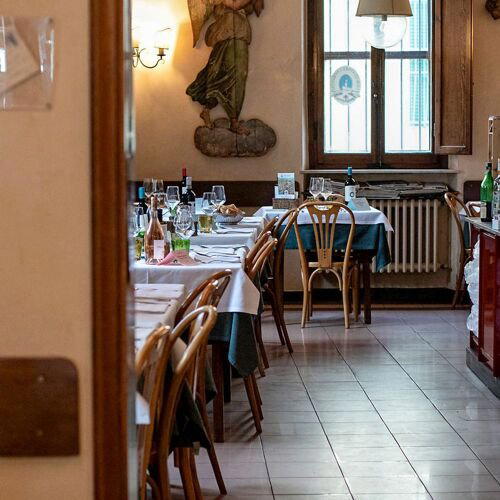
Hotels in Riola Sardo
Browse all →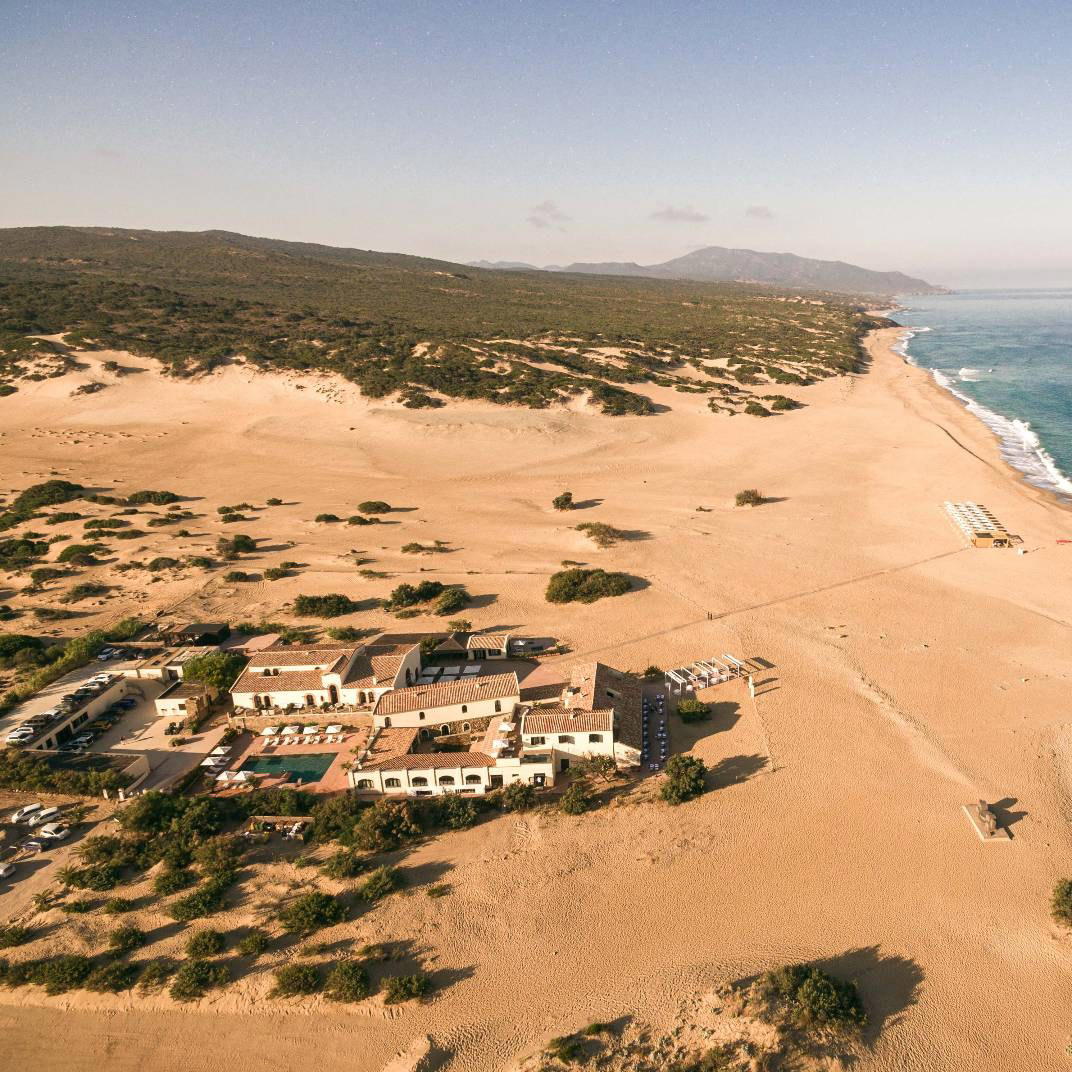
Wineries in Riola Sardo
Browse all →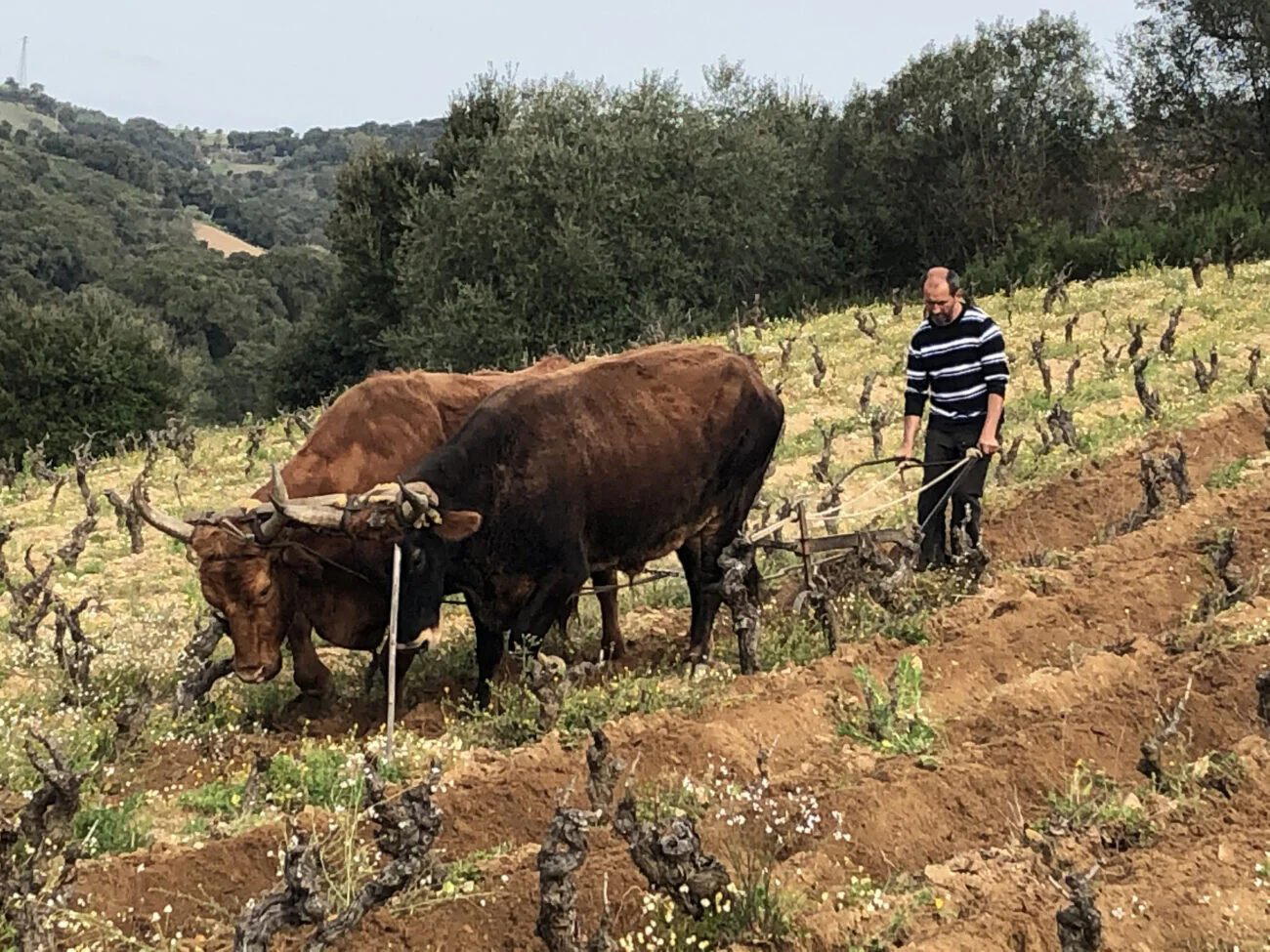

At a Glance
- Elegant
- Intimate
- Rustic
- Sophisticated
- Special Occasion
- Date Night
- Historic Building
- Open Kitchen
- Extensive Wine List
- Local Sourcing
Refined and delicate ambiance with soft lighting, tasteful decor, high ceilings, and tables spaced comfortably apart in a warm modern style within an historic old mill.