Stow



Michelin Plate · SquareMeal UK Top 100 Restaurants #31 · The Good Food Guide GFG Good
Our verdict
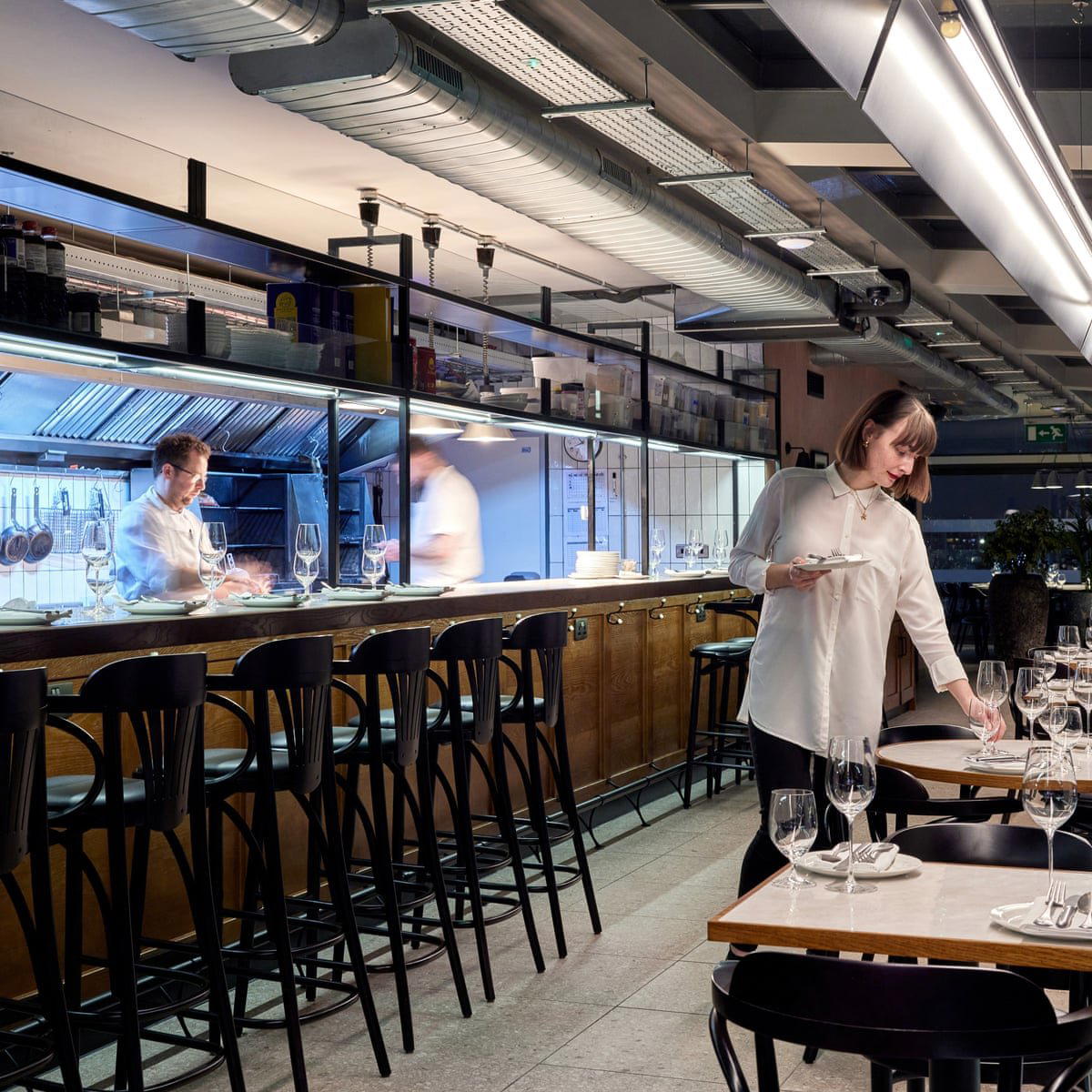
A counter-dining room tucked behind a cocktail bar on Bridge Street, Stow is one of Manchester's most committed open-fire kitchens. The short, regularly changing menu puts ex-dairy beef, whole fish, and coal-roasted vegetables through live-fire technique, watched close-up from a compact chef's table. The all-French wine list and excellent draught cocktails complete a format that punches well above its cramped square footage.

Pearl is the En Primeur Club membership app, where members save venues, book tables and use the concierge.

The menu
What to order
- Milk Bread with Burnt Onion Butter
- Ex-Dairy Ribeye
- Whole Monkfish Tail
- Le Ratte Potatoes with Cora Linn
Fire, Counter, Occasion
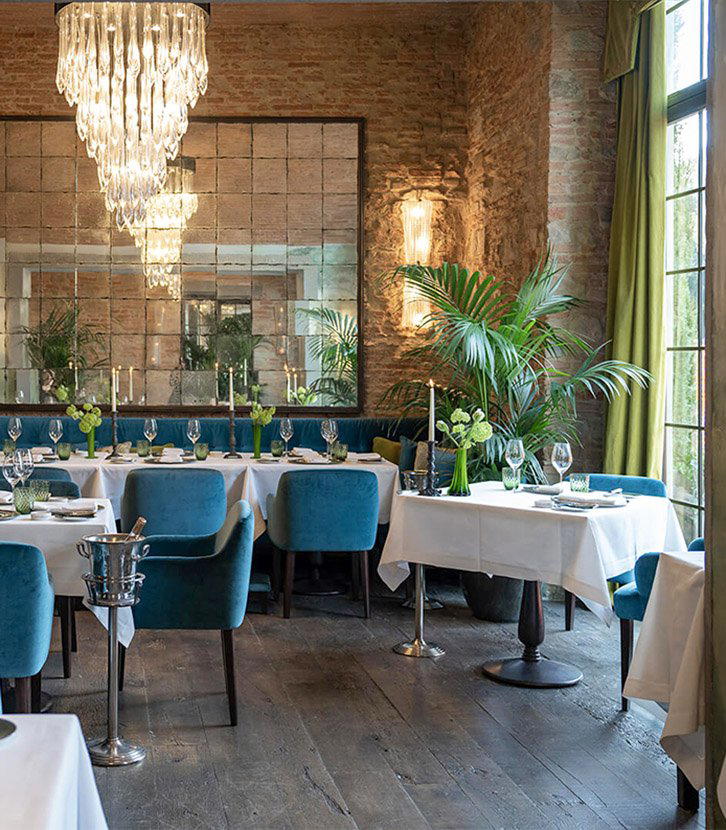
Manchester's serious dining scene has consolidated around a small number of formats: the white-tablecloth tasting menu, the neighbourhood bistro operating above its price point, and, increasingly, the counter-led open-fire room where the cooking is the theatre. Stow, on Bridge Street, belongs firmly to the last category. The dining room is compact and deliberately stripped back, with none of the soft-furnishing ambience that cushions a special occasion at larger restaurants. What it offers instead is proximity: proximity to the fire, to the chefs, and to the kind of cooking that makes the case for itself without needing a room designed to impress.
That positioning matters when you are choosing where to mark a milestone. The formal tasting-menu tier in Manchester, represented by operators such as mana and Skof, and sitting in the same ££££ bracket nationally as rooms like L'Enclume in Cartmel or Moor Hall in Aughton, delivers occasion through choreography and length. Stow delivers it through intensity. A dinner here is shorter, louder, and more visceral. Whether that fits the occasion is a question of personality, not quality.
What the Room Asks of You
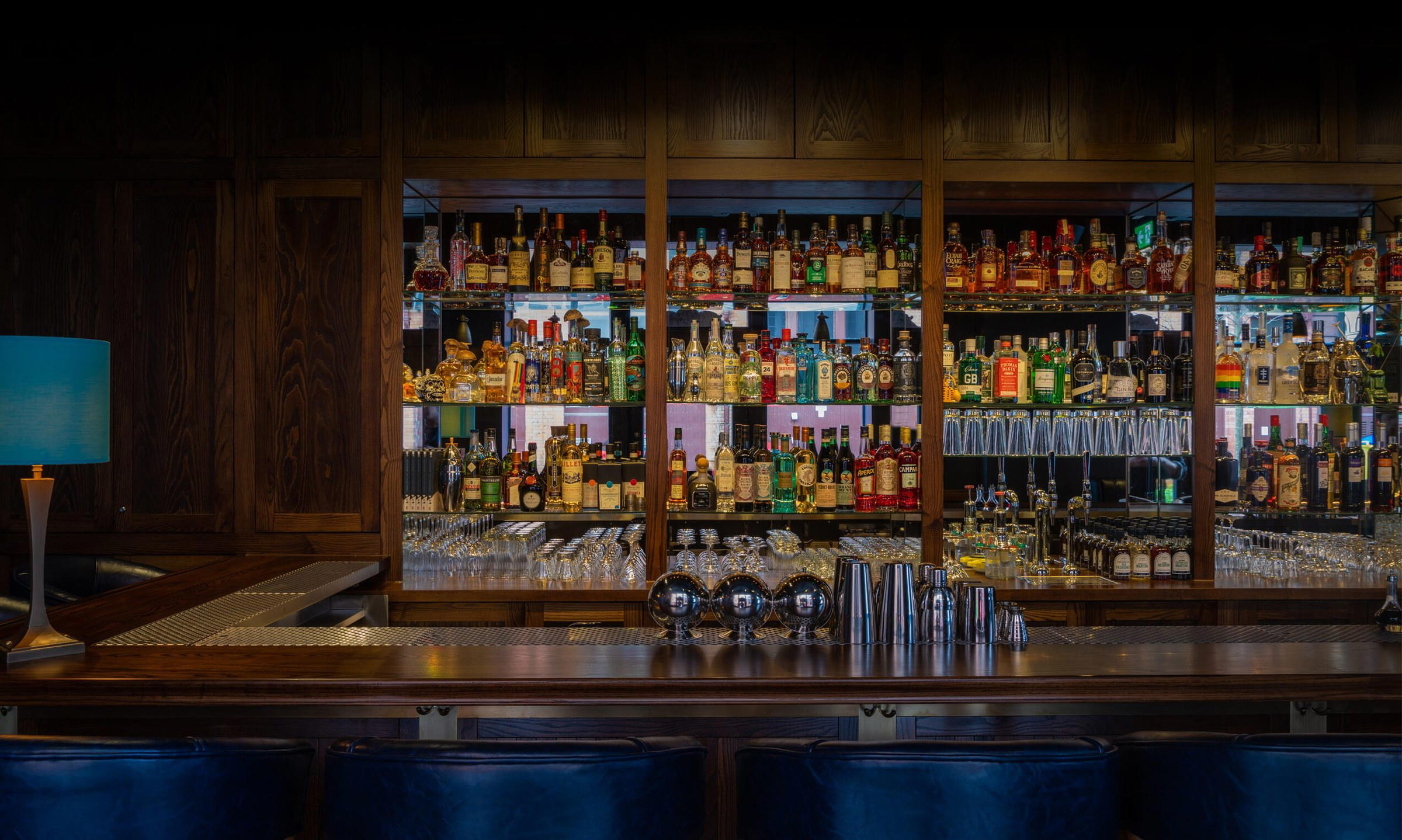
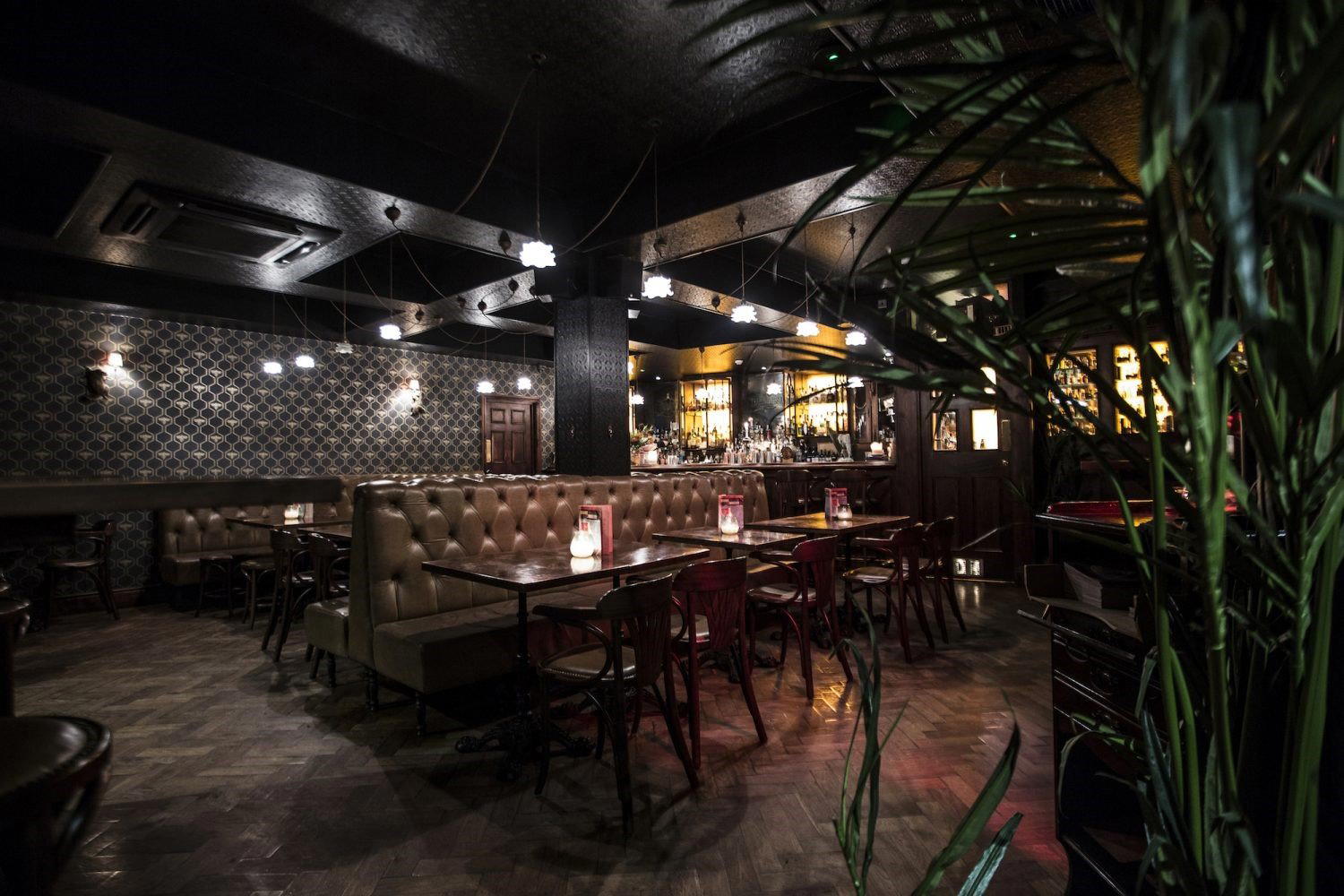
Entering from Bridge Street, you pass through a front bar where cocktails are taken seriously enough to anchor both the start and end of an evening. The bar is not a waiting area dressed up with a drinks list; it functions as a genuine first act, and the cocktail program is considered enough to hold attention on its own terms. The transition to the dining room behind it is a shift in register: the space tightens, the light drops slightly, and the fire becomes the dominant sensory fact. The room is cramped in the way that the leading counter restaurants often are, the constraint is part of the design logic, not an apology for it.
The chef's table, positioned directly at the counter overlooking the kitchen, is the seat that defines what Stow is. From there, the mechanics of open-fire cooking, the timing, the rotation of cuts, the management of heat, are visible in full. Fire cooking at this level is not a decorative choice. It requires continuous adjustment, and watching it close-up explains decisions on the plate that would otherwise read as direct. Booking the counter specifically, if available, is worth the effort for any occasion where the cooking itself is meant to be part of the conversation.
The Menu as Occasion Anchor
Open-fire restaurants across the UK have multiplied in the past decade, from the wood-burning rooms that now populate London's dining neighbourhoods to rural operators like Hand and Flowers in Marlow. The technique has become fashionable enough to attract superficial imitators, which makes the discipline of Stow's short, regularly changing menu more significant. The menu does not stretch to accommodate fashion; it covers a lot of ground in a small number of dishes, and it changes frequently enough that return visits yield a different experience.
Vegetables hold their own on the menu rather than functioning as filler between protein courses, overnight-coal beets with ricotta and smoked honey, or celeriac pappardelle with black garlic and an anchovy sauce built on golden, punchy fat. These are dishes structured to carry the meal, not to pace it. Soft milk bread with burnt-onion butter arrives as the kind of practical luxury that sets the tone for the cooking register: technique applied to comfort rather than to spectacle.
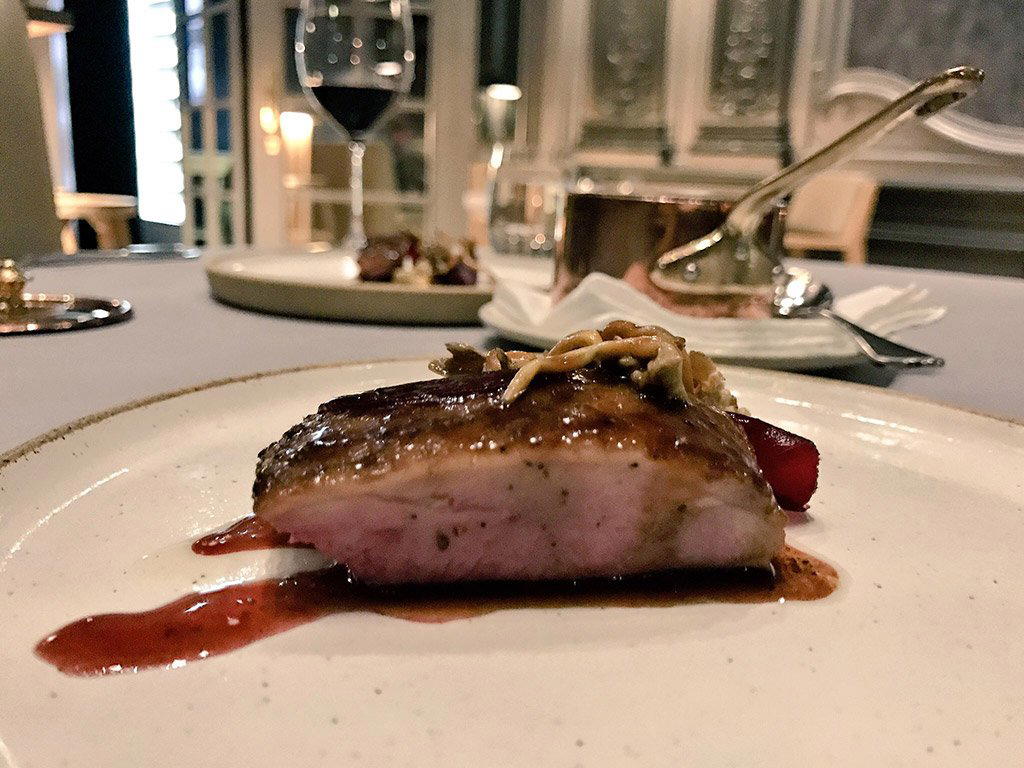
The protein courses anchor around ex-dairy beef and whole fish. Ex-dairy ribeye is a meaningful choice in sourcing terms, these are animals at the end of a working life rather than cattle raised specifically for the table, and the flavour profile reflects that: deeper, more developed, with the marbling that comes from age rather than breed alone. Paired with garlicky ratte potatoes and finely grated Corra Linn cheese, it is the kind of dish that earns a place in the conversation about occasion meals precisely because it tastes of something specific rather than something generic. A whole monkfish tail, served in trout roe and dill beurre blanc, applies the same logic to fish: a single ingredient given full attention rather than broken into components across courses.
The smoked cream tart with forced rhubarb closes the menu on a note that rewards attention. The blackened leading is intentional, and the flavour, somewhere between cinder toffee and dulce de leche, is the kind of thing that either converts or confuses a table. That a dessert can generate genuine disagreement is, in the context of occasion dining, a mark in its favour.
Drink, Service, and the Full Evening Format
All-French wine list is a curatorial position rather than a practical limitation, France covers enough ground in terms of style, price, and region that the constraint rarely bites. It does signal something about the kitchen's frame of reference: a preference for precision and structure over eclecticism. Cocktails and beers on draught offer an alternative for those who want to stay outside wine entirely. Service is engaged and direct without the formality that attends the tasting-menu tier, appropriate for a room where the format already does a lot of the communicative work.
For occasion dining specifically, the full-evening logic of Stow, cocktails in the front bar, counter seats, fire cooking watched close-up, drinks back at the bar to close, produces a structure that longer tasting menus arrive at through sheer duration. Here it happens faster and with more heat, literally. The room holds its intensity across that arc in a way that larger, quieter rooms sometimes cannot.
Where Stow Sits in Manchester's Dining Picture
Manchester's mid-to-upper dining tier has filled in significantly. Operators like Adam Reid at the French, Another Hand, and Bell occupy different points on the formality and price spectrum but share a seriousness of intent that has changed what Manchester diners expect from a restaurant at this level. Stow sits within that broader shift while occupying a format niche, the fire-counter room, that none of those operators directly replicate.
Internationally, the counter-fire format has achieved some of its most recognised expressions at places with entirely different scale and price points: Le Bernardin in New York City applies precision and classical structure to a different tradition, while Atomix demonstrates what a counter format can do with rigorous tasting-menu architecture. Its ambition is more focused and its format more immediate. That is not a limitation; it is a choice, and the consistency with which critics have noted its quality suggests the choice is being executed well.
Stow is located at 62 Bridge Street, Manchester M3 3BW, a short walk from Spinningfields and the central Manchester hotel cluster covered in our full Manchester hotels guide. The front bar format means arriving early is productive rather than just logistically convenient. For the broader picture of where Stow sits among Manchester's restaurants, bars, and experiences, see our full Manchester restaurants guide, our full Manchester bars guide, our full Manchester wineries guide, and our full Manchester experiences guide.
Frequently asked questions
Where do I go for Stow?
Stow is located at 62 Bridge St, Manchester M3 3BW, United Kingdom, Manchester.
Is Stow Michelin-listed?
Stow has received recognition including: With its winning combo of cocktails and cooking over fire, Stow feels like a restaurant for our times. Start (and end) your visit with a drink in the front bar, before taking your seat at the counter in the tucked-away dining room. The smal….
What's the signature dish at Stow?
The menu at Stow rotates regularly, so no single dish is permanent. The smoked cream tart appears consistently enough across reviews to function as a calling card, its blackened top and cinder-toffee-meets-dulce-de-leche flavour profile is the most discussed single item in critical coverage. The ex-dairy ribeye with ratte potatoes and Corra Linn cheese runs it close among the savoury courses.
How hard is it to get a table at Stow?
Stow's dining room is small by deliberate design, the counter format and chef's table configuration mean seat count is limited, and the venue has attracted sustained critical attention since opening. Booking ahead is advisable, particularly for counter or chef's table seats, which are the positions critics specifically recommend for the full open-fire spectacle.
Where It Fits
| Venue | Cuisine | Price | Awards | Notes |
|---|---|---|---|---|
| StowThis venue (the venue you are viewing) | Modern European Fire Cooking | $50–100 | Michelin Plate · SquareMeal UK Top 100 Restaurants #31 | Not listed |
| mana | Modern British Fine Dining | $200–300 | 1 Michelin Star · Star Wine List | Progressive Cuisine, Creative British |
| Skof | Modern British Fine Dining | $150–200 | 1 Michelin Star · AA Rosettes 3 Rosettes | Creative |
| MAYA | Modern European Bistro | Not listed | Michelin Plate · La Liste Top Restaurants | Mexican, Modern Cuisine |
| Erst | Modern European Small Plates | $50–100 | Michelin Bib Gourmand · Star Wine List | Wine Bar, British Contemporary |
| Higher Ground | Modern British | $50–100 | Michelin Bib Gourmand · Star Wine List | Not listed |
Recognition history
Dated appearances from independent guides and award organizations, with the underlying list record or original source where available.
Michelin Plate
Michelin
SquareMeal UK Top 100 Restaurants #31
SquareMeal
The Good Food Guide GFG Good
The Good Food Guide
Continue exploring
More in Manchester
Restaurants in Manchester
All restaurants in Manchester →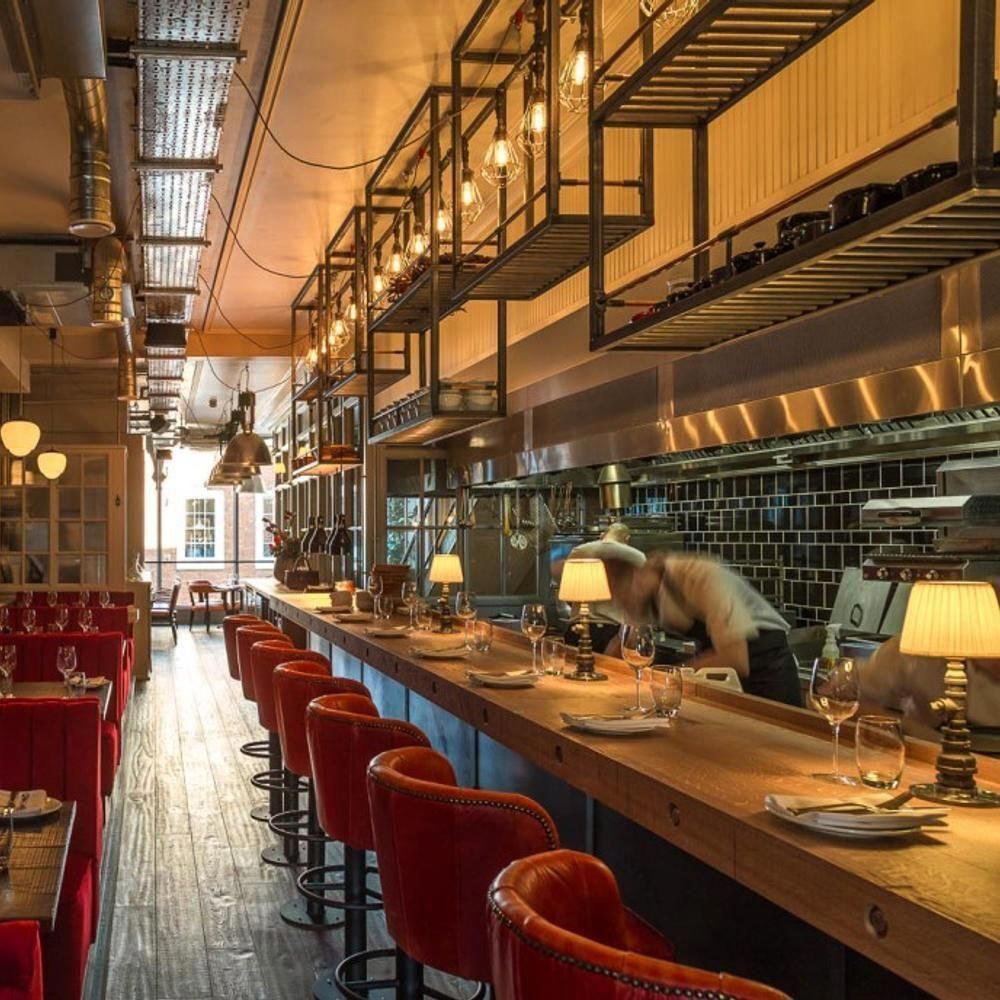

Details
- Cozy
- Intimate
- Trendy
- Modern
- Date Night
- Special Occasion
- Group Dining
- Open Kitchen
- Craft Cocktails
- Small Plates
- A La Carte
Current opening hours
- Monday
- Closed
- Tuesday
- 5–11 PM
- Wednesday
- 12–11 PM
- Thursday
- 12–11 PM
- Friday
- 12 PM–12 AM
- Saturday
- 12 PM–12 AM
- Sunday
- 12–10 PM
Hours can change for holidays and private events. Hours as of .
Warm, inviting, and buzzy with an open kitchen view, noir charm, and cosy seating.