Our verdict
Stone Korea brings Korean cooking to Stoneybatter, one of Dublin's most food-literate neighbourhoods. Operating from Manor Street, it occupies a city where Korean cuisine remains a relatively compact category, giving the restaurant a distinct position among Dublin's expanding roster of Asian dining options.

Pearl is the En Primeur Club membership app — saves, bookings, and concierge access live there. Same editors, same standards.
- Address
- Unit 1, Norseman Court, Manor St, Stoneybatter, Dublin 7, D07 ECK8, Ireland
- Phone
- +35317645088
- Hours
- Mon–Wed 12–10 PMThu–Sat 12–10:30 PMSun 12–10 PM
- Website
- stonekorea.ie
- Directions
- Get directions
- Booking
- Book on OpenTable
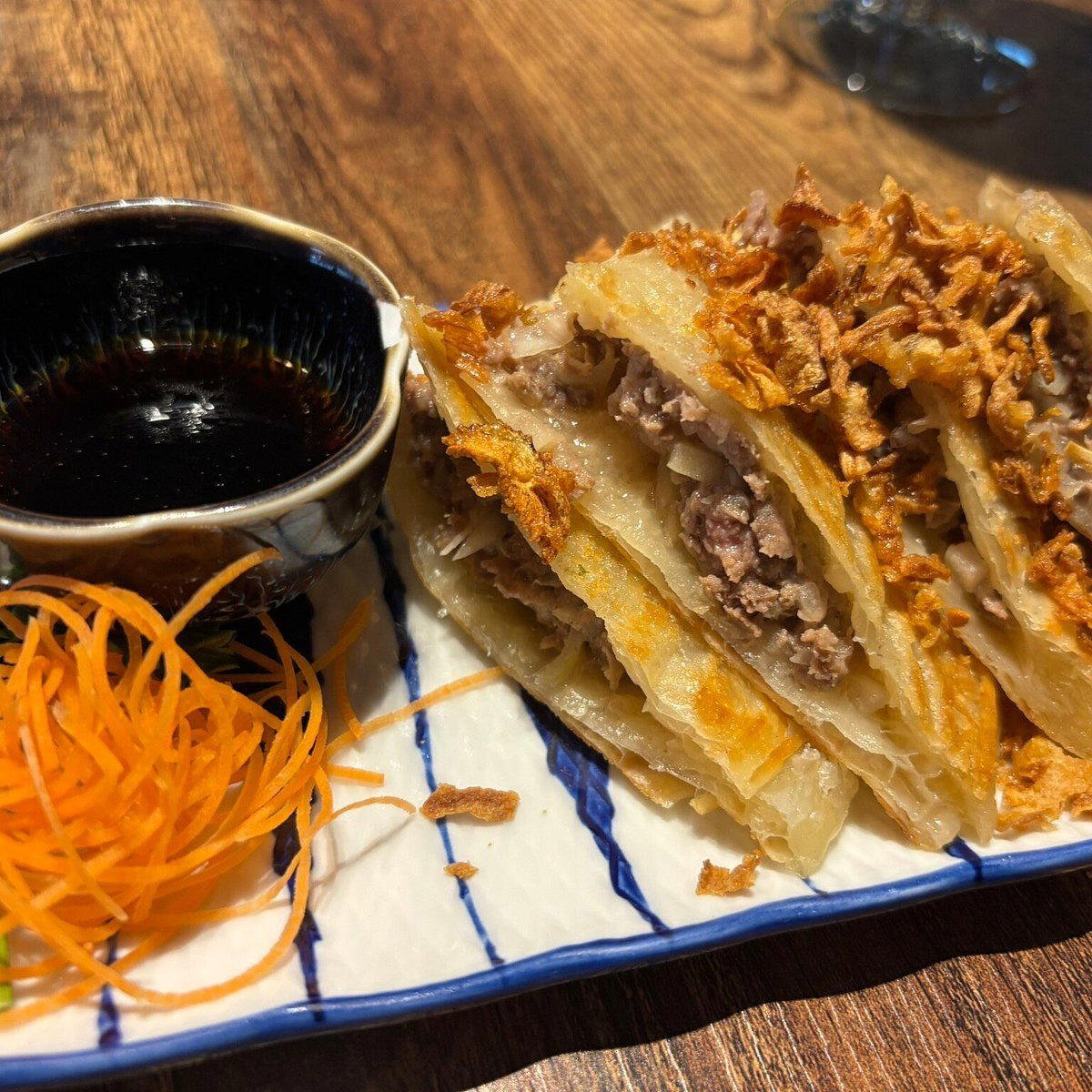
Korean Cooking in a Neighbourhood Built on Independent Dining
Manor Street in Stoneybatter has become one of the more reliable corridors for independent restaurants in Dublin 7, drawing a local crowd that follows cooking quality rather than celebrity names or hotel dining rooms. The street-level units along this stretch tend toward the unpretentious: counter seating, tight room plans, kitchens that punch above their square footage. The surrounding neighbourhood has developed a food culture shaped largely by resident rather than tourist demand, which creates different pressures on a kitchen than the tourist-facing blocks nearer the Liffey.
Korean cuisine in Dublin occupies a narrower slice of the dining market than in cities like London or New York, where large Korean communities have produced multiple tiers of restaurants, from fast-casual barbecue chains to refined tasting-menu formats. For comparison, Atomix in New York City operates at the formal end of Korean fine dining, with a tasting-menu structure that draws on banchan tradition and modern technique simultaneously. Dublin's Korean category is less stratified, which means a restaurant like Stone Korea sits in a less crowded competitive space than its counterparts in larger cities.
Where Stoneybatter Sits in Dublin's Dining Map
Dublin's food geography has shifted noticeably over the past decade. The concentration of Michelin-starred cooking in the city centre, represented by venues such as Chapter One by Mickael Viljanen and Patrick Guilbaud, has existed alongside a quieter movement of independent kitchens establishing in residential neighbourhoods. Stoneybatter belongs to the latter wave. The area's dining character is defined by accessible price points, short menus that change with supply, and a loyalty from regulars that sustains operations without relying on walk-in tourist traffic.
That neighbourhood dynamic shapes how a Korean kitchen can operate here differently than it might in a high-footfall city-centre location. Across Ireland more broadly, kitchens rooted in strong sourcing ethics have built loyal followings: Aniar in Galway has made terroir-driven sourcing central to its identity, while Bastible on Leonard's Corner operates on a similar philosophy of ingredient-first cooking. The broader pattern suggests Dublin diners in neighbourhood settings increasingly expect transparency around sourcing, not just as a marketing position but as a functional part of how kitchens compose their menus.
The Sustainability Dimension of Korean Kitchen Practice
Korean culinary tradition has a structural relationship with fermentation, preservation, and whole-ingredient use that aligns with contemporary sustainability priorities more naturally than many Western cooking traditions. Kimchi and its many variants are, at their core, preservation techniques. Doenjang, ganjang, and gochujang represent fermented staples that extend ingredient life and deepen flavour across months or years of ageing. The banchan format, in which multiple small dishes accompany a main, creates a kitchen logic that uses a wide range of cuts, offcuts, and pickled vegetables that might otherwise be discarded in a protein-forward menu structure.
This is relevant context for any Korean restaurant operating in a city where ethical sourcing and waste reduction have become genuine points of differentiation. In Ireland, where farm-to-table credentials carry weight with a specific segment of the dining public, a Korean kitchen's inherent use of fermentation and preservation can be read as a natural extension of those values rather than a trend adopted from outside. Restaurants such as Liath in Blackrock and Chestnut in Ballydehob have built reputations partly on their commitment to minimal-waste cooking; the structural logic of Korean cuisine positions any serious Korean kitchen to make similar claims with credibility.
For diners thinking about the environmental cost of their choices, Korean cuisine's protein diversity also matters. Dishes built around fermented vegetables, tofu preparations, and grain bases offer lower-impact alternatives to red-meat-centred menus without requiring the kitchen to signal virtue overtly. The food simply does what it does, and the sustainability credentials follow from the tradition rather than from positioning.
Irish Korean Dining in a Wider Context
Across Ireland, the range of cuisines available outside Dublin has expanded, but Korean cooking remains concentrated in the capital. Visitors coming from counties with strong food scenes, such as those familiar with dede in Baltimore, Bastion in Kinsale, Terre in Castlemartyr, or Campagne in Kilkenny, will find Korean options almost exclusively in Dublin. Stone Korea's Stoneybatter location places it within reach of the city's north side, a zone that also contains some of the capital's more adventurous independent food operations.
Internationally, the appetite for Korean food at the serious dining level has grown substantially. Le Bernardin in New York City represents the formal French tradition against which many fine-dining kitchens worldwide still measure technique, but the rise of Korean-influenced cooking in premium contexts, including Atomix's multi-course format and the broader wave of Korean culinary visibility post-2020, has reshaped how Western diners understand the cuisine's range. Stone Korea operates in a market where that education is still in progress, which gives it both an opportunity and a responsibility to represent the breadth of what Korean cooking can offer.
For diners exploring Dublin's full range, the EP Club Dublin restaurants guide covers the city's dining scene across price tiers and neighbourhood contexts, from formal rooms like Glovers Alley and D'Olier Street to the more casual neighbourhood operations that define areas like Stoneybatter. Elsewhere in Ireland, Homestead Cottage in Doolin, House in Ardmore, and Lady Helen in Thomastown anchor regional dining itineraries for those travelling beyond the capital.
Know Before You Go
- Address: Unit 1, Norseman Court, Manor St, Stoneybatter, Dublin 7, D07 ECK8, Ireland
- Website: Not currently available — verify hours and menu directly before visiting
- Booking: Contact; walk-in availability may vary by day and season
- Price range:, contact venue for current pricing
- Neighbourhood: Stoneybatter, Dublin 7, accessible by bus from the city centre; parking limited on Manor Street
Frequently asked questions
What is Stone Korea known for?
Stone Korea is a Korean restaurant operating in Stoneybatter, one of Dublin's more food-focused residential neighbourhoods. It occupies a category of Korean dining that remains relatively compact in Dublin, making it a reference point for diners seeking Korean cuisine on the city's north side.
What do regulars order at Stone Korea?
Korean kitchens of this type typically anchor their menus around fermented staples, banchan assortments, and grilled or braised protein dishes.
Should I book Stone Korea in advance?
Stoneybatter restaurants with strong local followings tend to fill quickly on weekends, and Dublin's Korean dining options are limited enough that demand can outpace walk-in capacity during peak hours. Contacting the venue ahead of a planned visit is the practical approach, particularly for groups or weekend dining.
Can Stone Korea accommodate dietary restrictions?
Korean menus frequently include gluten-containing fermented sauces and shellfish-based broths, which can affect guests with specific allergies or dietary requirements. Contacting the venue directly before visiting is advisable for anyone with strict dietary needs.
Is Stone Korea suitable for diners who want to explore Korean food beyond Korean barbecue?
Korean cuisine extends well beyond the tabletop-grill format that tends to be most visible in Western markets. A kitchen rooted in Korean tradition will typically draw on fermentation, banchan variety, and braised or soup-based dishes that represent a broader cross-section of the cuisine. Dublin's limited Korean dining options mean Stone Korea serves a city where most diners are still building familiarity with that range, positioning it as a reference point for the cuisine in the Stoneybatter area.
Recognition Snapshot
Comparable venues nearby, for context on price, style, and recognition.
| Venue | Cuisine | Price | Awards | Notes |
|---|---|---|---|---|
| Stone KoreaThis venue — the venue you are viewing | Korean-Chinese Fusion | $20–30 | Not listed | Not listed |
| Brasileirinho | Brazilian Steakhouse | $30–50 | Not listed | Inns Quay C |
| Jay Kays Cafe | Irish Breakfast & Brunch Café | $10–20 | Not listed | North City |
| Millstone | Irish Steakhouse | $30–50 | Not listed | Royal Exchange A |
| Bunsen | Classic American Burgers | $10–20 | World Best Burgers World's 101 Best Burgers #23 | Royal Exchange A |
| Camden Kitchen | Modern Irish Bistro | $30–50 | Not listed | Saint Kevin'S |
Continue exploring
More in Dublin
Restaurants in Dublin
Browse all →
Bars in Dublin
Browse all →
Hotels in Dublin
Browse all →


Wineries in Dublin
Browse all →
Details
- Lively
- Warm
- Cozy
- Casual Hangout
- Date Night
- Open Kitchen
- A La Carte
- Small Plates
- Vegetarian Friendly
Current opening hours
- Monday
- 12–10 PM
- Tuesday
- 12–10 PM
- Wednesday
- 12–10 PM
- Thursday
- 12–10:30 PM
- Friday
- 12–10:30 PM
- Saturday
- 12–10:30 PM
- Sunday
- 12–10 PM
Hours can change for holidays and private events. Last verified .