
Stone Dial occupies the oldest building on Uccle's Crabbegat path, where a wood-burning stove and timber ceiling set the scene for a menu that threads Chinese technique through traditional ingredients. Spring rolls stuffed with poultry and caramelised onions, hand-tossed noodles, and Peking duck position it firmly outside the French-leaning mainstream of south Brussels dining.
Pearl is the En Primeur Club membership app — saves, bookings, and concierge access live there. Same editors, same standards.
- Address
- 2 Chemin du Crabbegat
- Phone
- +32 483 11 31 13
- Website
- stonedial.be
- Directions
- Get directions
 Saves & bookings on Pearl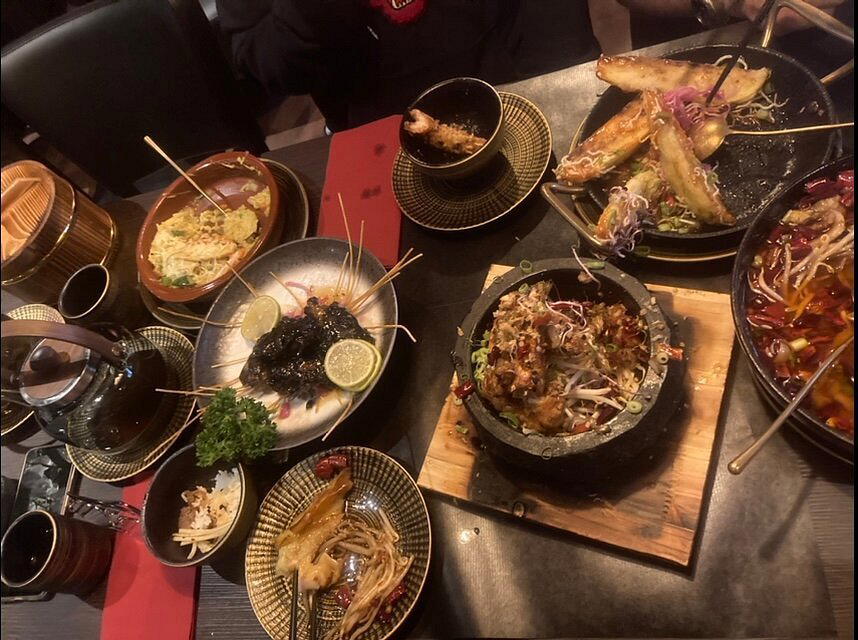
The Crabbegat Path and What It Says About Brussels' Quiet Dining Edge
Uccle's restaurant scene divides, roughly, between the formal French tradition represented by addresses like Le Chalet de la Forêt at the summit of the price range and the neighbourhood bistros, country kitchens, and Italian tables that fill out the mid-tier. What the arrondissement does not produce often, or loudly, is Asian cooking rooted in a sense of place. Stone Dial, at 2 Chemin du Crabbegat, is an exception to that pattern, and the building it occupies is part of what makes the exception register.
The Crabbegat path sits in a part of Uccle that has retained its pre-suburban texture: narrow, tree-lined, with an unhurried quality that the rest of Brussels' southern communes has largely traded away. The oldest building on that path is now Stone Dial's address. Inside, a wooden ceiling and an old wood-burning stove anchor the room to its material history, and the result is a dining environment that reads less like a restaurant fit-out and more like a found space that has been carefully inhabited. For a kitchen delivering Chinese-inflected cooking, that setting does something specific: it removes the usual visual grammar of Chinese restaurant design and replaces it with something older, more local, and considerably harder to replicate.
Where Chinese Technique Meets a Belgian Address
The editorial question worth asking about any cuisine operating outside its geographic origin is whether the result is adaptation or transplant. Stone Dial leans toward the former. The menu works with Chinese culinary logic, the structural roles of spring rolls, noodles, and roast duck are not decorative, while the specific preparations carry details that suggest sourcing choices shaped by the local supply context rather than by imported convention.
Spring rolls here are stuffed with poultry and caramelised onions. That filling is worth reading carefully. Caramelised onions are a product of slow, attentive preparation; they do not arrive in a packet. Their presence in a spring roll that could easily have gone toward a cheaper, faster protein-and-beansprout formula signals a kitchen that is thinking about ingredient quality at the component level. The same logic applies to the Peking duck. Duck of that preparation requires sourcing discipline from the start: the right bird, appropriate age and weight, the right drying process. A kitchen that cannot source well cannot produce that dish at any reasonable standard. That restaurant is doing it in a converted historical building in a quiet Uccle lane rather than in a purpose-built restaurant space in central Brussels tells you something about the priorities at work.
The noodles tossed with crunchy vegetables sit at the other end of the textural register: fresh, bright, calibrated toward contrast rather than richness. In a menu that also carries caramelised preparations and roasted duck, that balance matters. It is the kind of range that separates a kitchen thinking about a menu's arc from one producing individual dishes in isolation. For broader context on where Belgian kitchens are currently pushing produce-led and technique-driven cooking, addresses like Hof van Cleve in Kruishoutem and Boury in Roeselare represent the formal end of that conversation. The restaurant operates in a different register, but the underlying seriousness about ingredient quality is recognisable across both.
Reading Stone Dial Against Its Uccle Peers
Uccle's mid-range dining options cluster around French and country cooking formats. Le Pigeon Noir and Au repos de la montagne represent that tradition at the €€€ and €€ tiers respectively, and Caffè Al Dente and Charlu add Italian and French options at the accessible end of the price range. Against that backdrop, the restaurant's Chinese-leaning menu occupies a genuine gap. It is not competing on the same axis as the brasserie and bistro formats around it, which means the relevant comparison set for assessing value and quality is not local.
Readers who want to map the restaurant against Belgian dining more broadly might look at Zilte in Antwerp or Willem Hiele in Oudenburg for a sense of what Belgian kitchens are doing at the ambitious end, though those are formal fine dining addresses, and the restaurant is operating in a more informal, atmospheric register closer to what Bartholomeus in Heist demonstrates is possible when a strong sense of place shapes a restaurant's identity. Internationally, the model of a cuisine translated through a specific local environment and ingredient logic is something restaurants like Le Bernardin in New York and Emeril's in New Orleans have long demonstrated: that culinary identity is built as much through context and sourcing discipline as through technique alone.
Planning a Visit
The restaurant sits at 2 Chemin du Crabbegat in Uccle, a commune in the south of Brussels accessible from the centre by tram and bus connections that serve the broader Uccle-Stalle and Fort Jaco axes. The Crabbegat path itself is not a major thoroughfare, which is precisely the point: arriving here requires a small act of navigation that the broader dining public does not often make. That low ambient footfall probably contributes to the slightly mysterious character the room projects. For everything else happening in the neighbourhood, the full Uccle restaurants guide covers the range, and the Uccle hotels guide, bars guide, wineries guide, and experiences guide fill out the surrounding picture. The Bozar Restaurant in central Brussels is a useful point of reference for the broader Brussels dining register if you are building a longer itinerary around the city.
Side-by-Side Snapshot
Comparable venues nearby, for context on price, style, and recognition.
| Venue | Cuisine | Price | Awards | Notes |
|---|---|---|---|---|
| Stone DialThis venue — the venue you are viewing | Authentic Chinese Contemporary | $$$ | Michelin Plate | Not listed |
| Colonel Fort Jaco | Premium Steakhouse | $$$ | Michelin Plate | Fort Jaco |
| Jaco | Italian Bistro | $$$ | Michelin Plate | Uccle |
| Charlu | French-Belgian Bistro | $$ | Michelin Plate | Saint-Job |
| St Kilda | Modern Belgian Cuisine | $$$ | Bib Gourmand | Uccle |
| La Branche d'Olivier | Classic French-Belgian Bistro | $$ | Bib Gourmand | Uccle |
Recognition history
Dated appearances from independent guides and award organizations, with the underlying list record or original source where available.
Michelin Plate
Michelin · 2026 Michelin Plate
Michelin Bib Gourmand
Michelin
Continue exploring
More in Uccle
Restaurants in Uccle
Browse all →
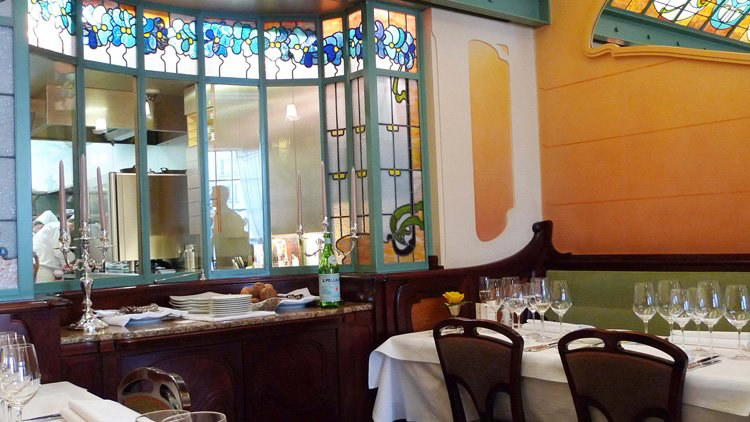
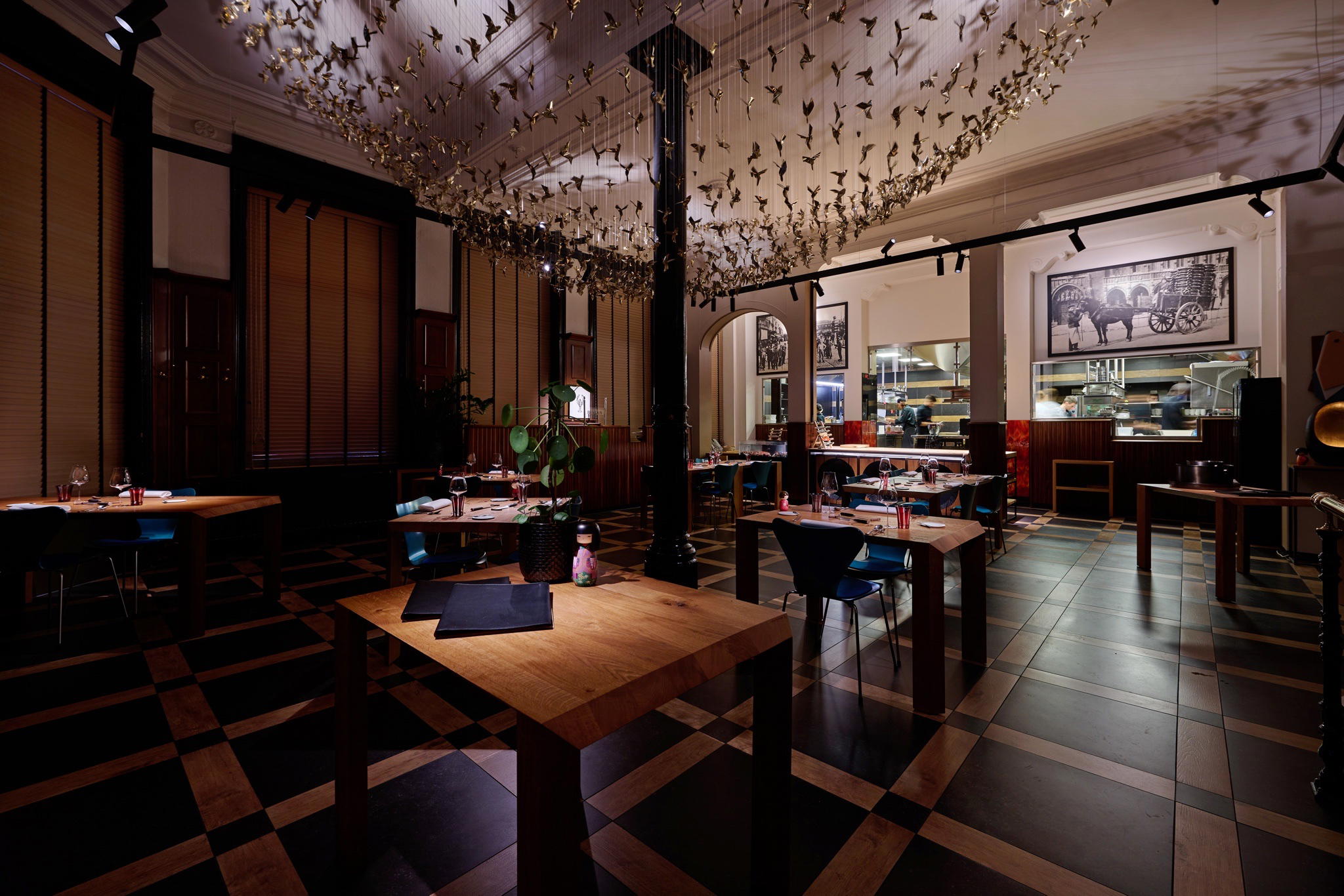
Bars in Uccle
Browse all →
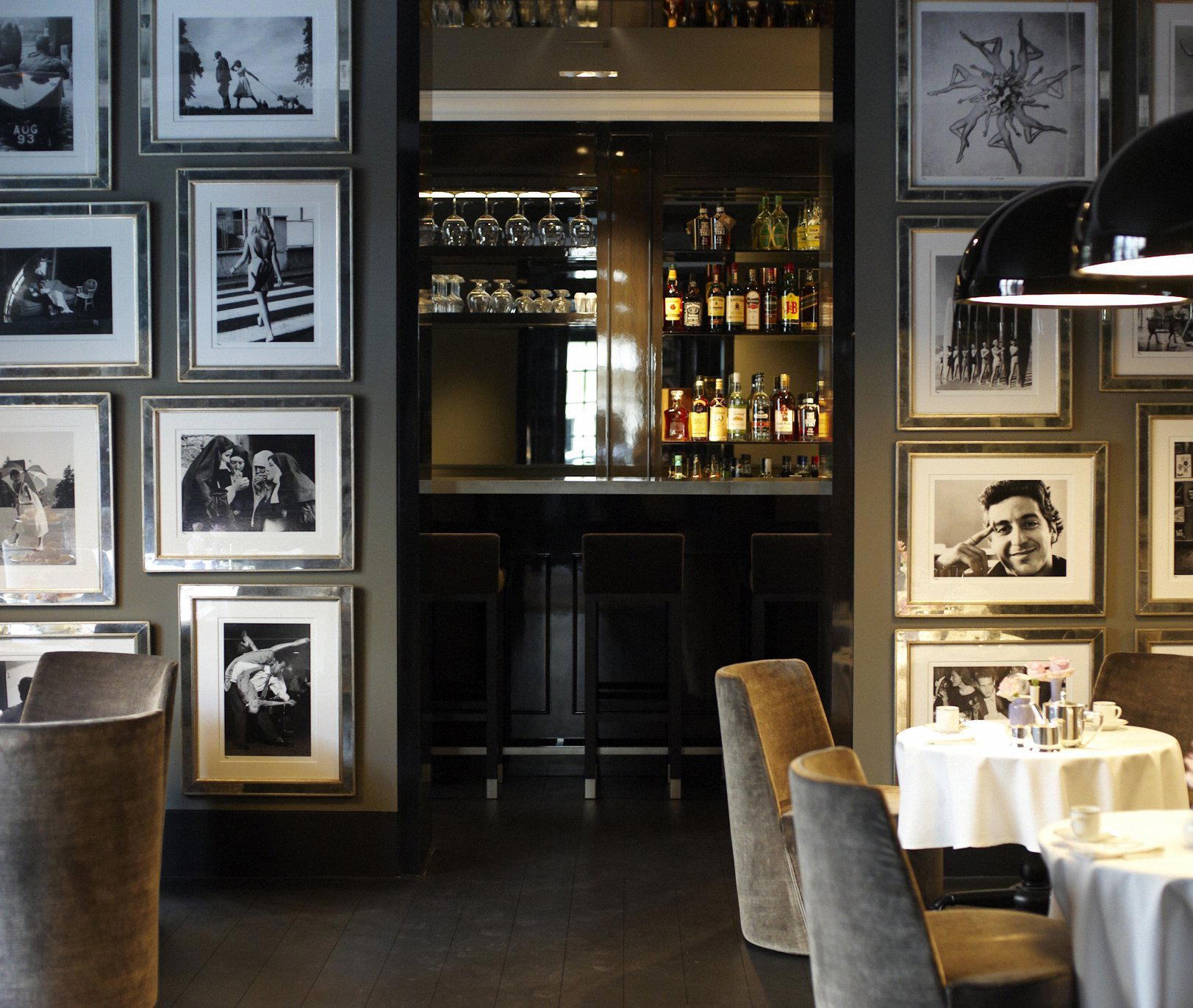
Hotels in Uccle
Browse all →
Wineries in Uccle
Browse all →
At a Glance
- Elegant
- Cozy
- Intimate
- Sophisticated
- Historic
- Date Night
- Special Occasion
- Historic Building
Current opening hours
- Monday
- 12–3 PM, 6–10 PM
- Tuesday
- 12–3 PM, 6–10 PM
- Wednesday
- 12–3 PM, 6–10 PM
- Thursday
- Closed
- Friday
- 12–3 PM, 6–11 PM
- Saturday
- 6–11 PM
- Sunday
- 12–3 PM, 6–10 PM
Hours can change for holidays and private events. Last verified .
Elegant and artistic with vintage details such as wooden ceiling and old wood-burning stove, cozy and refined historic atmosphere.