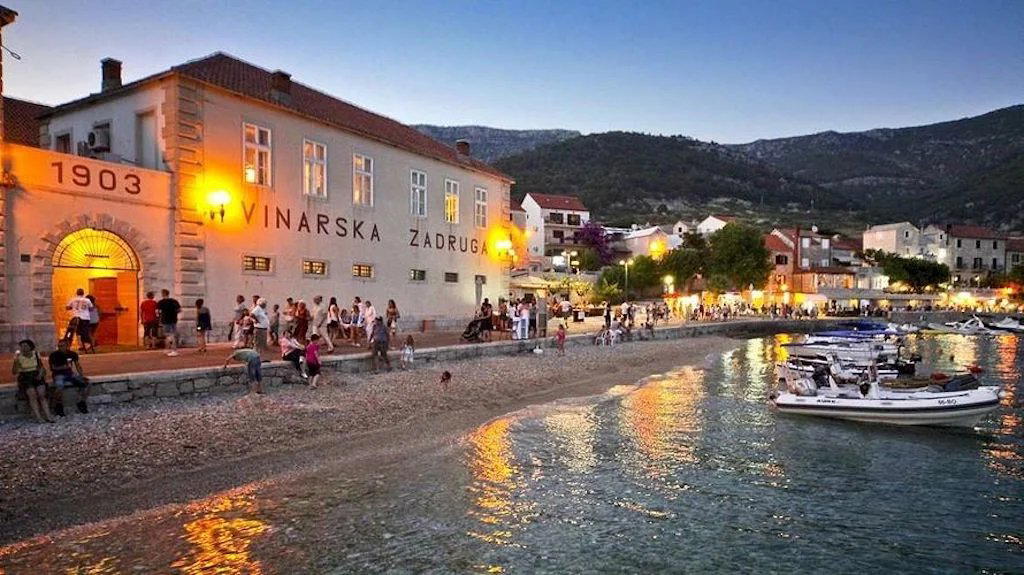
Stina Winery sits on Bol's seafront at Riva 16, where the Adriatic island of Brač meets one of Dalmatia's most serious indigenous wine traditions. The winery draws on Brač's native Plavac Mali and Pošip grapes, grown on the island's limestone-heavy terrain that shapes the character of the wines more than any winemaking intervention. For visitors combining the beach at Zlatni Rat with a serious bottle, Stina is the address on the promenade worth knowing.
 Discover on Pearl
Pearl is the En Primeur Club membership app — saves, bookings, and concierge access live there. Same editors, same standards.
- Address
- Riva 16, 21420, Bol, Croatia
- Phone
- +38521306220
- Website
- stina-vino.hr
Where the Island's Geology Pours Into the Glass
The Dalmatian coast has always sold itself on scenery first, wine second. That ordering is changing, slowly but measurably, and the island of Brač sits near the centre of that shift. Stina Winery is a Croatian Winery Tasting Room at Riva 16 in Bol, Brač, where the water is close enough that you can hear it, and where the connection between this place and its wine feels less like branding and more like geography. Bol is a small, specific town: it draws visitors for Zlatni Rat, the tombolo beach that reshapes itself with the current, but increasingly it draws a different kind of visitor who wants to understand what grows on this island's sun-scorched, karst-driven terrain.
Brač's limestone plateau is not easy agricultural land. The soil is shallow, drainage is extreme, and summer temperatures push vines into a kind of productive stress that concentrates what ends up in the bottle. Plavac Mali, the dominant red grape of the Dalmatia region and a relative of Zinfandel, performs differently here than it does on the Pelješac peninsula or the slopes above Split. At altitude and on rock, it produces wines with more angular structure and less of the overripe, jammy weight that can characterise the grape at lower elevations. Stina's location on this island is as much a statement about terroir philosophy as it is a postal address.
Dalmatia's Indigenous Grape Tradition and Where Brač Sits Within It
Croatian wine has spent the past two decades recovering a sense of itself after the production-volume mentality of the Yugoslav period. The country has around 130 indigenous grape varieties, one of the highest counts in Europe relative to its size, and the most serious producers have staked their identity on those varieties rather than on international plantings. Plavac Mali, Pošip, Grk, Bogdanuša, these are the grapes that define a regional argument for why Croatian wine deserves attention on its own terms, not as an Adriatic alternative to Italian or French benchmarks.
Brač's contribution to that argument runs through Plavac Mali primarily, but the island also has a claim on white wine production that is less discussed internationally. The limestone terroir that punishes red grapes into concentration does similar work with whites, producing wines with mineral tension and pronounced acidity that hold up well in the heat for which the Dalmatian coast is known. This positions the island's better producers in a comparable set that includes the wine houses of Korčula and Hvar rather than the higher-profile but red-dominant Pelješac operations.
For broader context on how Croatia's premium restaurant scene has begun to match this wine seriousness, the country's dining conversation now includes addresses like Pelegrini in Sibenik, Agli Amici Rovinj in Rovinj, and Boskinac in Novalja, all of which have built wine programs that treat Dalmatian and Istrian indigenous varieties as the foundation, not the footnote.
The Promenade Setting and What It Says About the Bol Experience
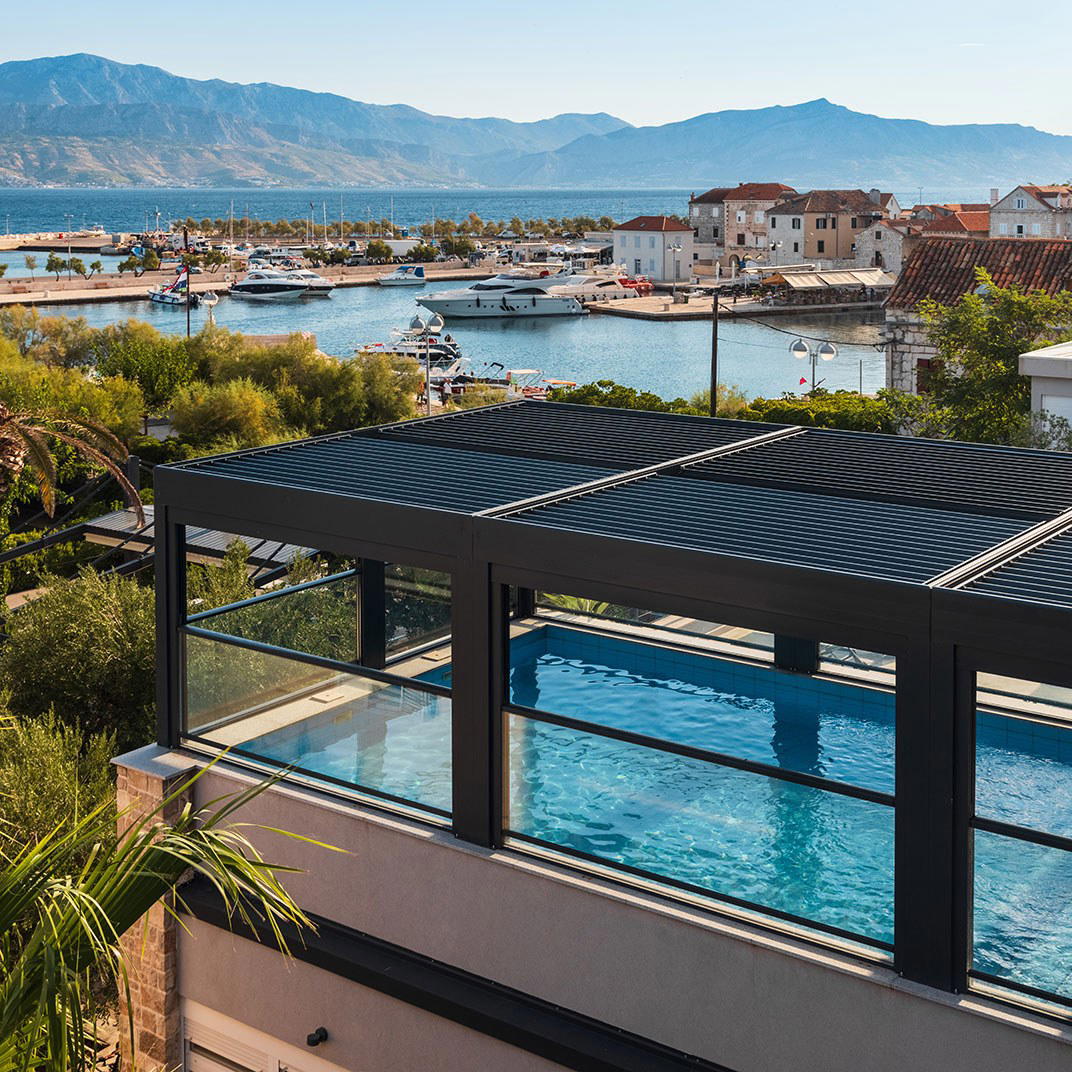
Bol is a town that can read as a beach resort if you arrive in August and leave two days later. The streets behind the Riva fill with rental apartments, the water taxis run constantly toward Zlatni Rat, and the restaurants on the main strip lean toward the kind of Adriatic-tourist menu, grilled fish, risotto, šalata od hobotnice, that exists to feed volume rather than to make a point. Stina, at Riva 16, is physically on the same promenade but operates at a different register: a winery address rather than a restaurant in the seasonal sense, where the conversation is about what's in the bottle and where it came from.
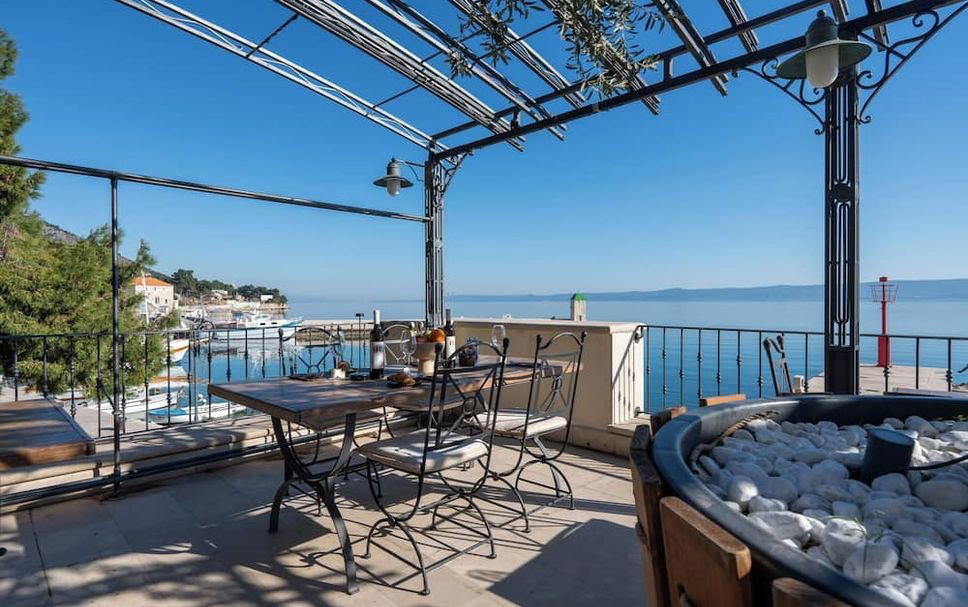
The location on the waterfront matters because it creates a specific kind of tasting context. The Adriatic light in the late afternoon has a quality that Dalmatian islanders describe with the word svitanje in other registers, a particular luminosity off the water that makes the whole stretch feel slightly out of time. Sitting with a Plavac Mali in that light, with Hvar visible across the channel, positions the wine-tasting experience as something distinct from the standard cellar-door visit, which in Croatian wine tends to mean a table in someone's konoba and a plate of pršut.
Bol's Broader Table: Where to Eat Around Stina
The dining options in Bol reward some navigation. BioMania Bistro Bol takes a more produce-conscious approach to the island's ingredients, while Ribarska Kućica focuses on the kind of direct seafood that justifies why people come to fishing-village Dalmatia in the first place. Boket78 and Gogy each occupy a slightly different position in the town's dining spectrum, and Bretanide offers a more resort-oriented context for an evening meal. A full picture of how these venues map to the Bol experience is in our full Bol restaurants guide.
Beyond Bol, the Croatian coastal wine-and-dining circuit worth building an itinerary around runs through LD Restaurant in Korčula, Krug in Split, and Restaurant 360 in Dubrovnik for those moving along the coast. For a contrast that reaches inland, Dubravkin Put in Zagreb and Korak in Jastrebarsko show how Croatian wine culture translates away from the sea. And Nebo by Deni Srdoč in Rijeka and Alfred Keller in Mali Losinj anchor the northern Adriatic end of that same conversation. For reference points outside Croatia entirely, the precision-led tasting formats at Le Bernardin in New York City and Atomix in New York City represent the kind of focused single-subject dining, fish, Korean fermentation, that Stina approximates in wine terms: one island, one argument, made clearly.
Planning a Visit
Stina Winery is at Riva 16, Bol, on the island of Brač. Bol is reached by ferry from Split, with crossings running to Supetar on the northern coast of Brač and then by road south across the island, or by faster catamaran direct to Bol. The high season runs from June through August, when Bol's population and ferry frequency both increase substantially; shoulder months of May and September offer calmer conditions and more direct conversation at the winery.
Continue exploring
More in Bol
Restaurants in Bol
Browse all →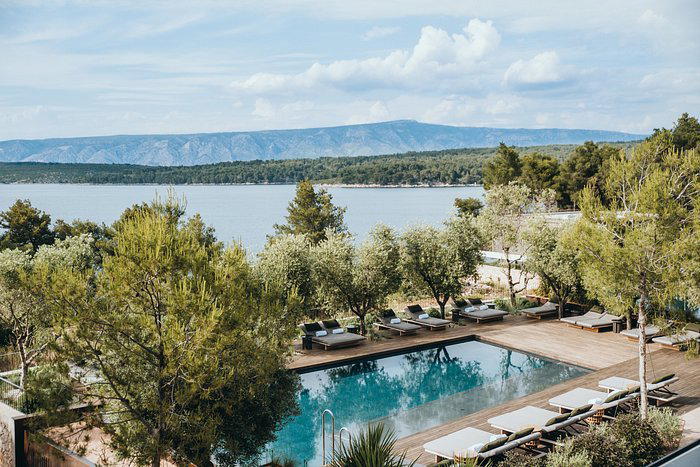
At a Glance
- Scenic
- Rustic
- Romantic
- Cozy
- Date Night
- Celebration
- Waterfront
- Wine Cellar
- Extensive Wine List
- Local Sourcing
- Waterfront
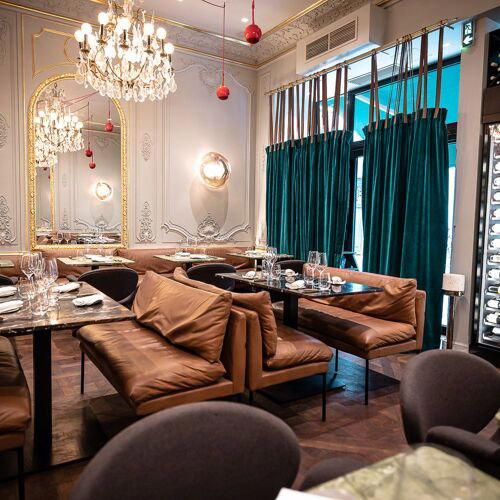
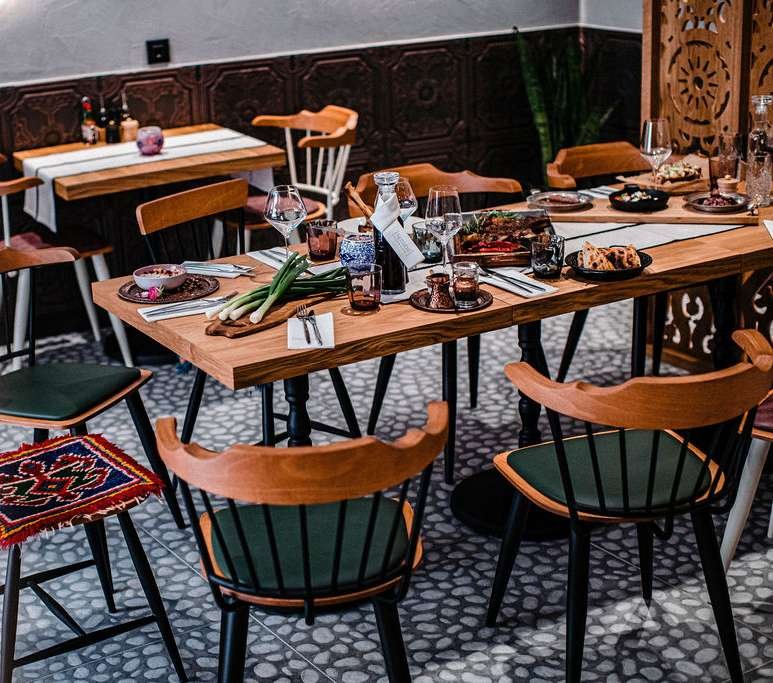
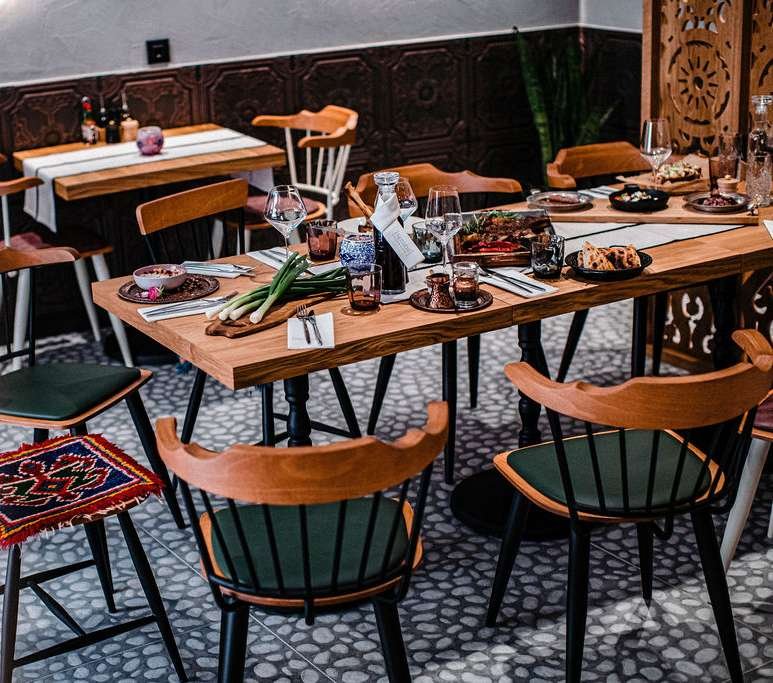
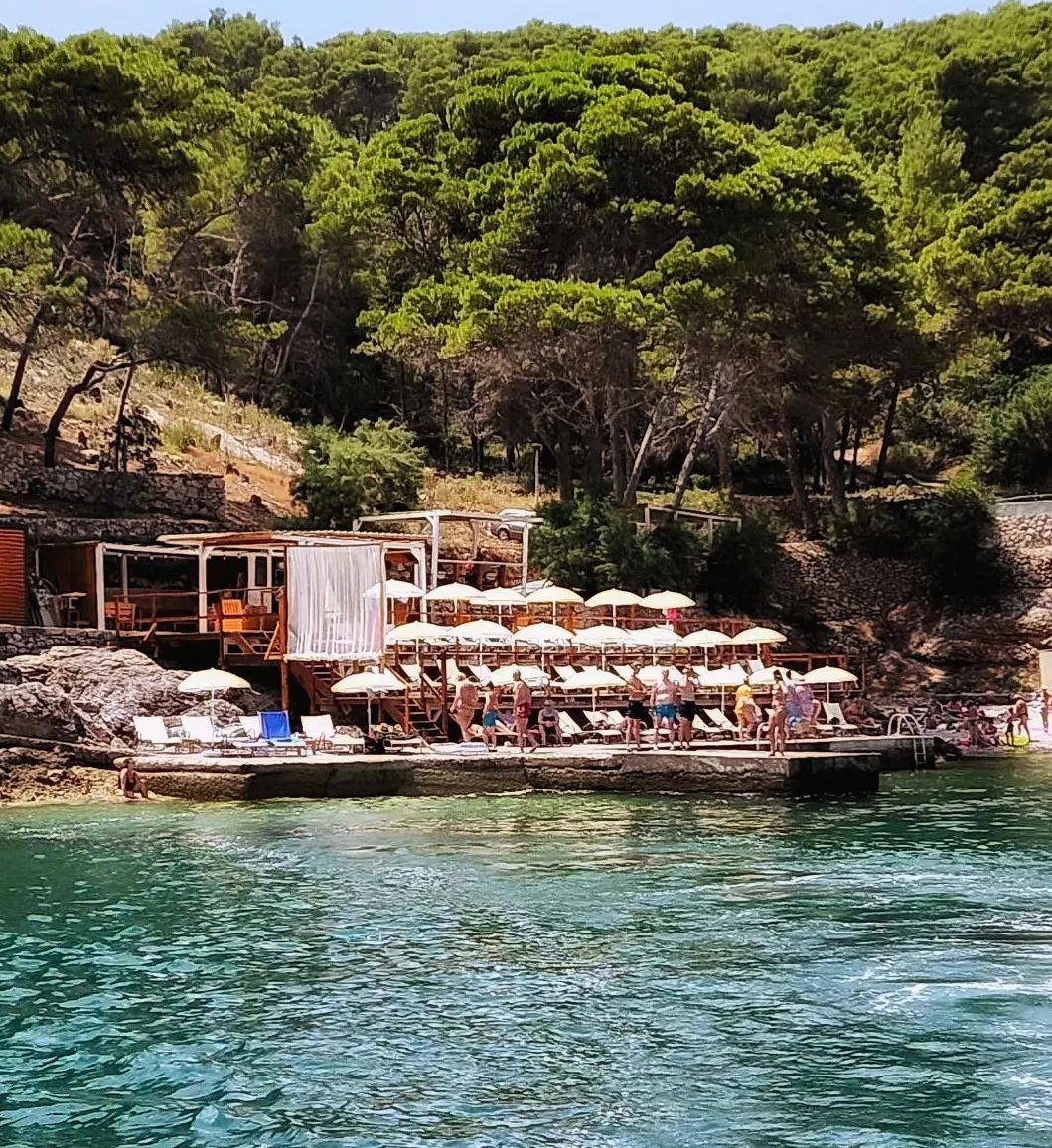
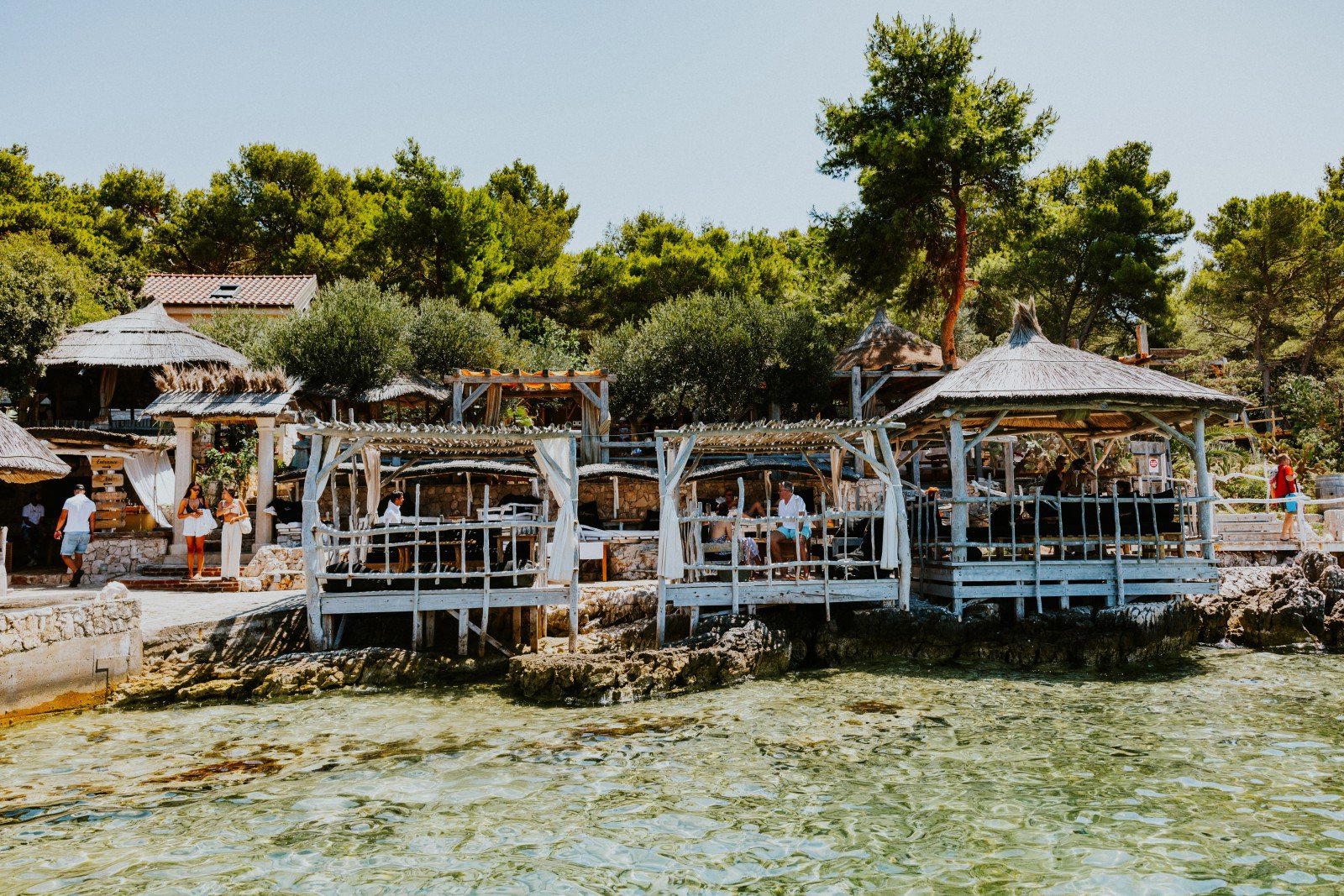
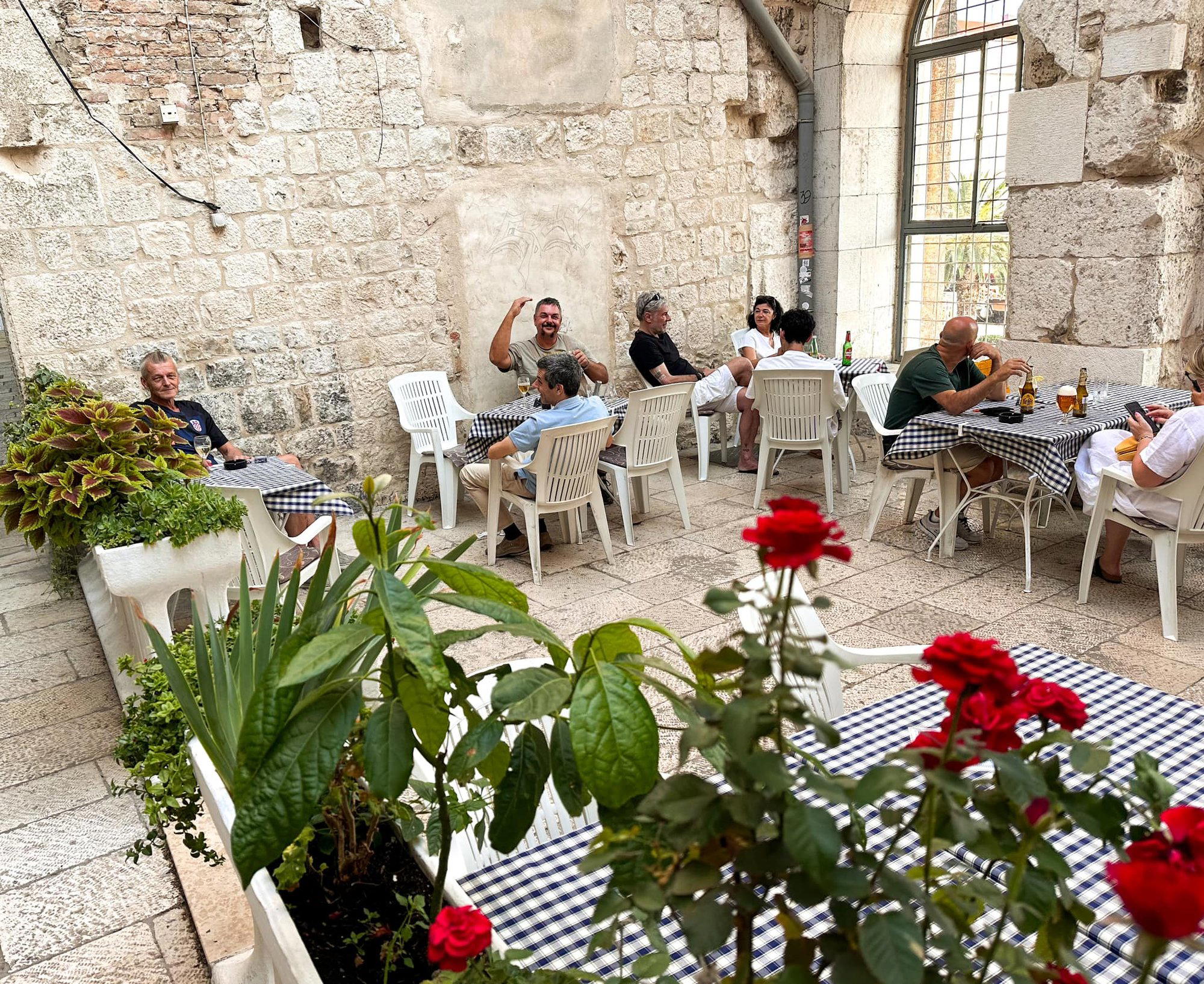
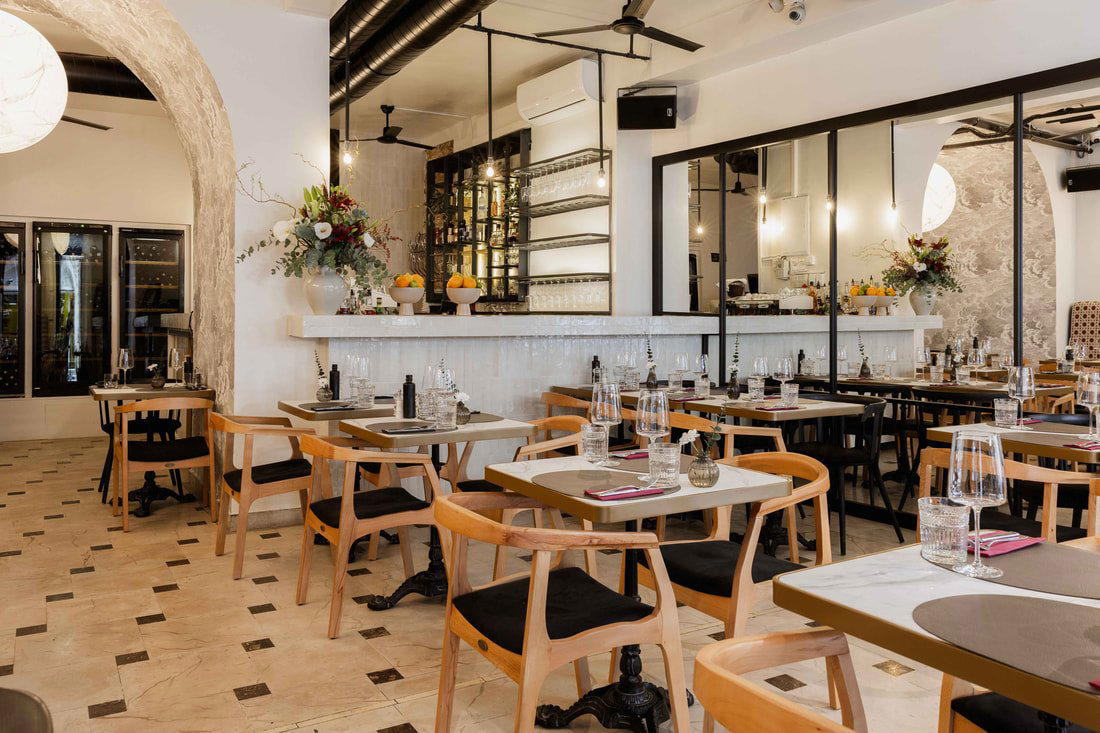
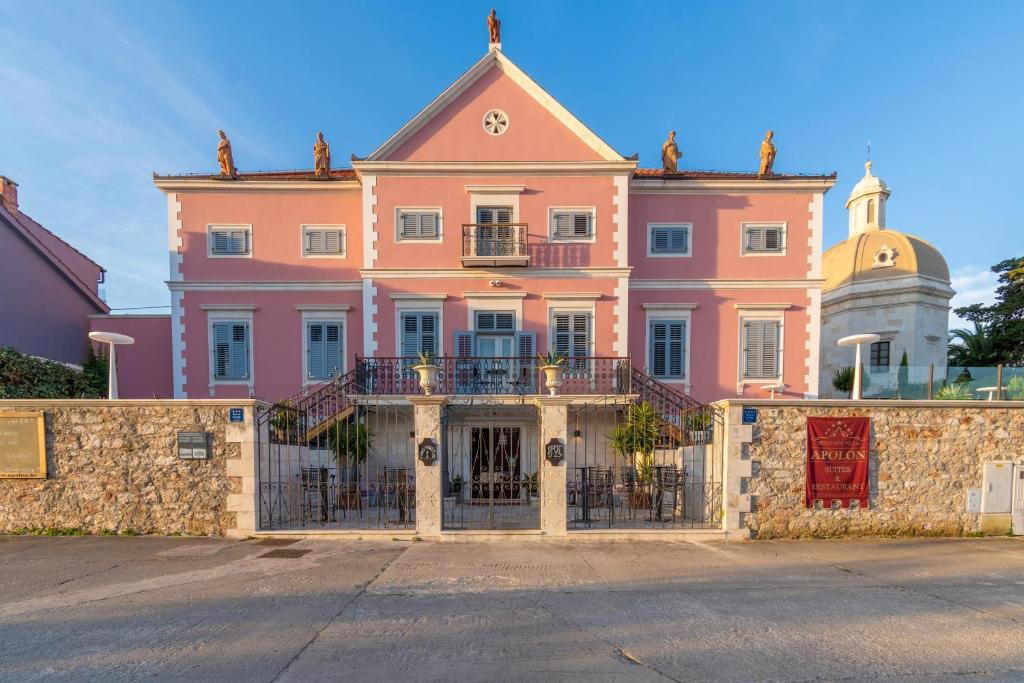
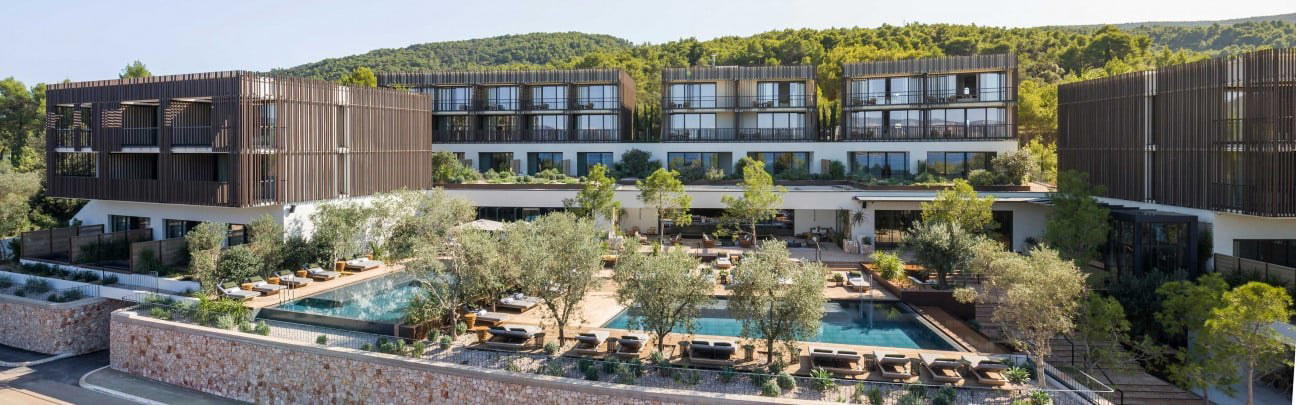
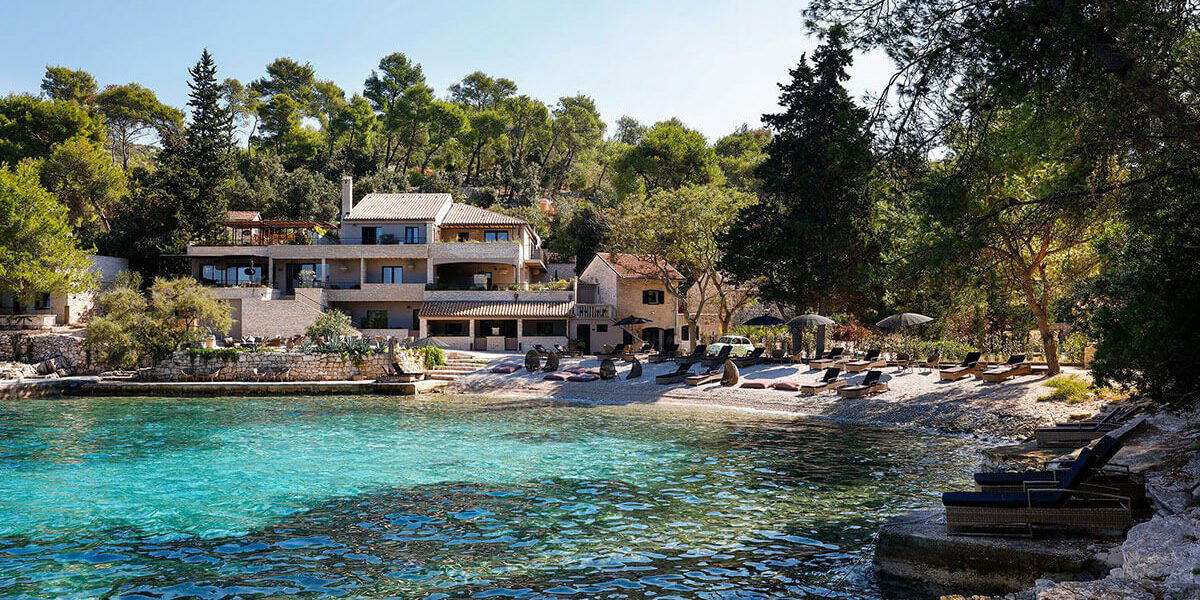
Cozy and elegant atmosphere in a renovated historic building with indoor and outdoor seating including waterfront cushions, creating a relaxed yet sophisticated setting.