

Vilnius's most committed classic French address, Stikliai on Gaono gatvė holds consecutive Michelin Plate recognition in 2024 and 2025 for cooking that references the European canon rather than chasing local trends. Under chef Guido Boerenkamp, the kitchen and dining room operate as a coordinated team, placing it in a different comparable set from the modern Lithuanian restaurants that dominate the city's current conversation. At the €€€€ tier, it is the Old Town reference point for formal French dining.
Pearl is the En Primeur Club membership app — saves, bookings, and concierge access live there. Same editors, same standards.
- Address
- Gaono g. 7, Vilnius, 01131 Vilniaus m. sav., Lithuania
- Phone
- +370 5 264 9580
- Website
- stikliai.com
- Directions
- Get directions
 Saves & bookings on Pearl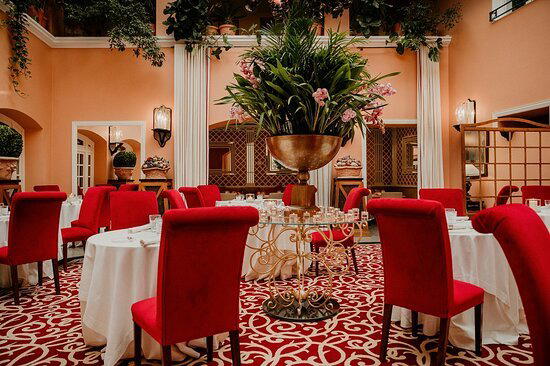
French Classicism in the Old Town
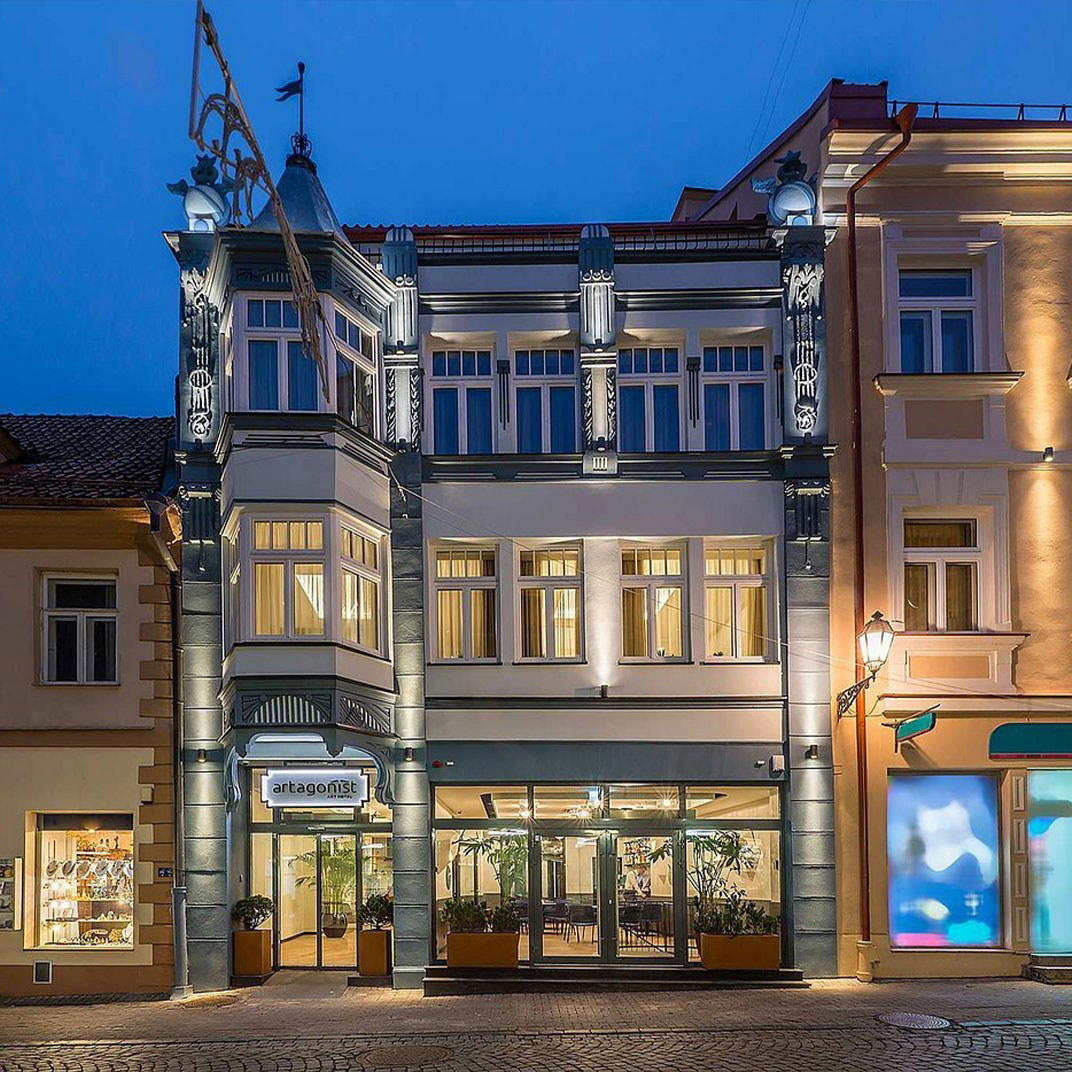
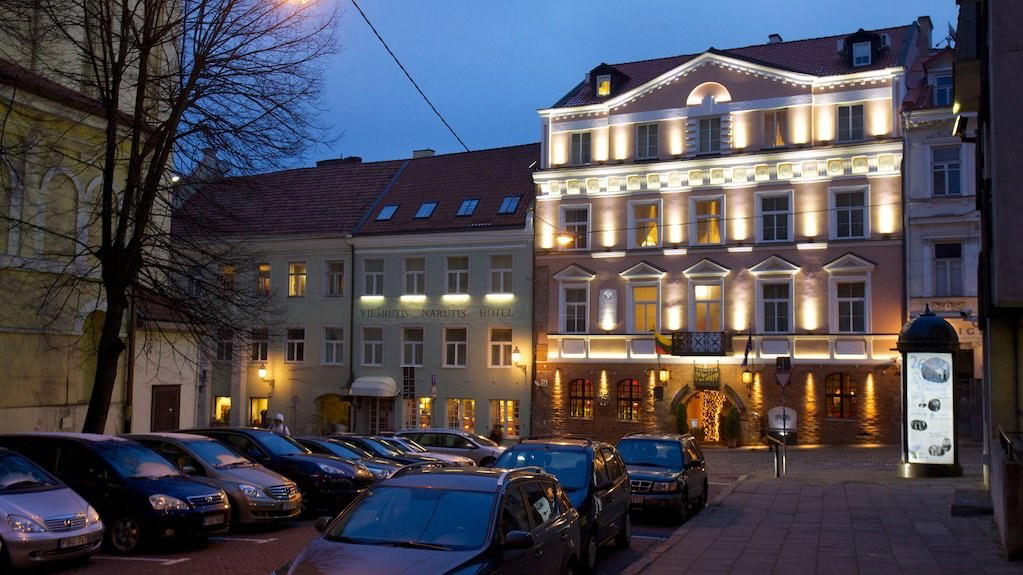
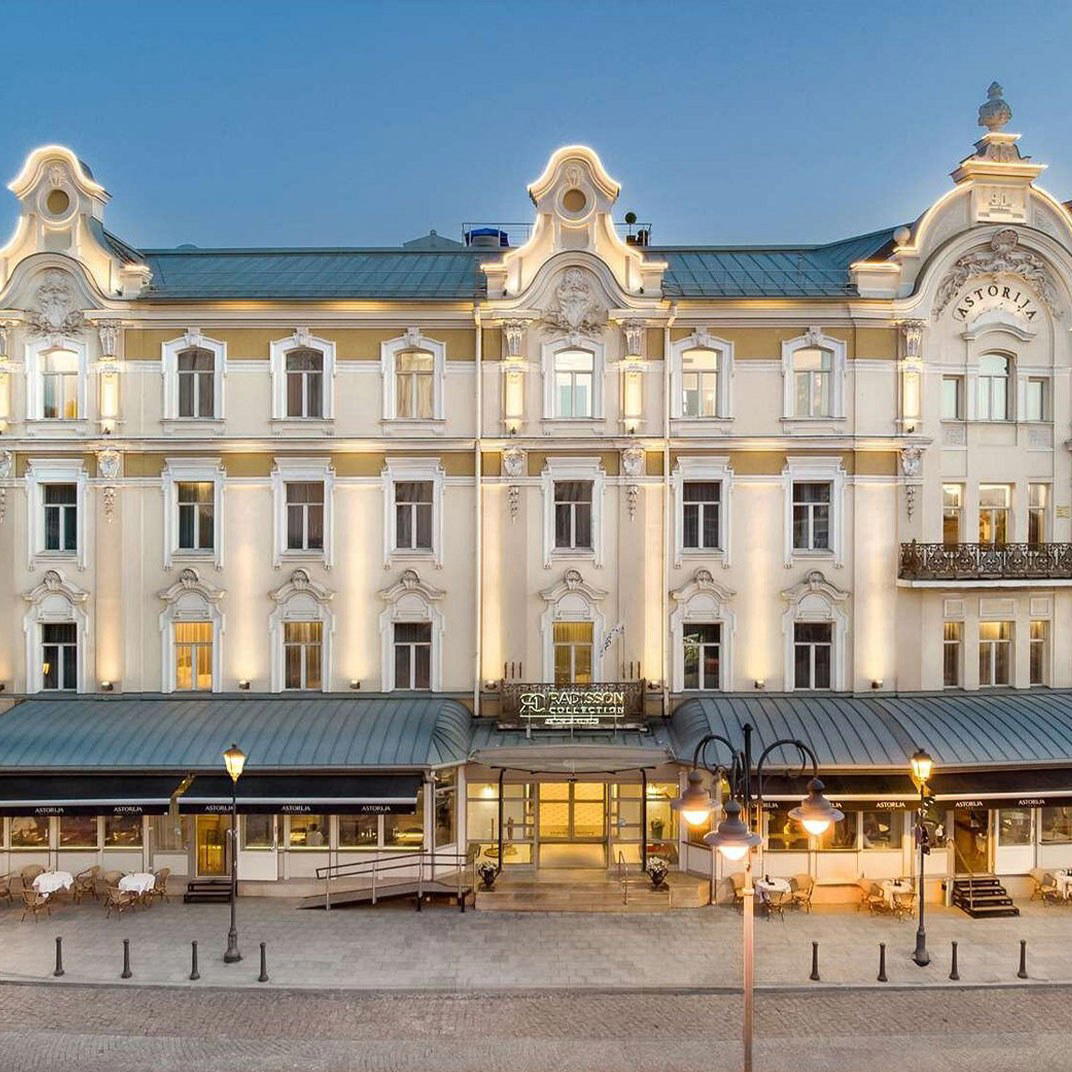
Vilnius has spent the last decade building a reputation on modern Lithuanian cooking: fermented, foraged, and emphatically local. Against that backdrop, a restaurant that stakes its identity on classic French technique occupies an unusual position. Gaono gatvė, a short cobbled street inside the Old Town's UNESCO-protected core, sets the physical tone before you reach the door. The stone façades, the compressed scale of the street, and the relative quiet compared to Pilies gatvė a block away create a context that suits formal dining in a way that few addresses in the city can claim.
Stikliai works within that environment rather than against it. The address at Gaono g. 7 places it at the heart of the medieval quarter, and the building's architecture signals permanence. In a city where new restaurants tend to announce themselves loudly, there is something deliberate about choosing a format, French classicism, that asks for attention rather than volume.
The Kitchen's Point of Reference
Classic French cuisine in 2025 sits in a complicated position across Europe. The tradition that defined restaurant culture for a century has fragmented into several competing interpretations: the Escoffier-era formalism still practised at a handful of long-standing houses, the post-nouvelle lightened canon, and a hybrid register that uses classical technique as a foundation for ingredient-led contemporary cooking. Michelin Plate recognition in both 2024 and 2025 under the cooking classics category signals that the kitchen is working with genuine technical competence rather than a surface-level French aesthetic applied to unrelated ingredients.
Chef Guido Boerenkamp leads the kitchen. In the current Vilnius dining scene, a European-trained chef running a French programme at this price point is a deliberate editorial statement. The €€€€ pricing bracket places Stikliai alongside Demo as one of a small group of Vilnius restaurants operating at the upper end of the market. Where Demo works in a modern European register with a wine bar format, Stikliai's commitment to the French classical canon sets it apart within that tier.
Team Architecture: Kitchen, Sommelier, Floor
The editorial angle at Stikliai is less about a single dominant personality and more about how the three components of a formal dining room, kitchen, wine service, and front-of-house are coordinated into a coherent experience. This is a distinction that matters in practice. Restaurants that function well as systems rather than as extensions of one individual tend to deliver more consistent results across visits and across the full arc of a service.
Classic French cooking demands this kind of systemic discipline. The timing and sequencing of a multi-course French meal, the temperature management of sauces, the pacing between courses, these are team problems, not individual ones. A room running at the €€€€ level carries an expectation that the sommelier's wine guidance integrates with the kitchen's progression rather than operating as a separate retail exercise, and that the front-of-house team knows the food well enough to narrate it without reading from a card.
Vilnius's Michelin-tracked restaurants as a group have moved toward this integrated model. Nineteen18 and Džiaugsmas, both working in modern cuisine formats at lower price points, have built reputations partly on floor professionalism. At the €€€€ tier and with a classic French identity, the standard expected of the full team at Stikliai is higher, and the Michelin Plate across two consecutive years suggests it is being met.
Where Stikliai Sits in the Vilnius Scene
The Vilnius restaurant market has developed quickly since the mid-2010s, with a concentration of interesting cooking at the €€ level. Pas mus and 14Horses represent the modern cuisine segment operating at accessible price points, where the city's current creative energy is most visible. The upper tier, €€€€, is thinner: there are fewer restaurants, the peer comparisons are more international than local, and the audience skews toward visitors and expense-account diners rather than the local regulars who fill the mid-market.
This creates a specific dynamic for Stikliai. Its natural comparable set is not defined by geography but by format. The houses it competes with intellectually are French-classical restaurants elsewhere in Europe: Waterside Inn in Bray, Cheval Blanc by Peter Knogl in Basel, d'Eugénie à Emilie in Baudour, and GästeHaus Klaus Erfort in Saarbrücken, all of which maintain the classical French programme with regional inflection and strong Michelin recognition. Within Lithuania itself, the scene is anchored by restaurants like ALBA Bistro in Klaipėda, Arrivée in Kaunas, and Apvalaus Stalo Klubo in Trakai, each taking a different approach to fine dining outside the capital. Against all of these, Stikliai's position in Vilnius's Old Town, with consecutive Michelin recognition at the classic French register, is a specific and coherent one.
Practical Considerations
Stikliai is located at Gaono g. 7 in the centre of the Old Town, walkable from the Cathedral Square and the main hotel cluster. The address makes it a logical choice for visitors staying in the medieval quarter and a deliberate journey for those based further out. At the €€€€ tier, an evening here should be treated as a full commitment: the format and price point are calibrated for unhurried dining rather than a quick pre-theatre dinner. Booking ahead is advisable, particularly during the summer months when Vilnius sees its highest visitor volumes.
What to Order at Stikliai
Michelin Plate recognition in both 2024 and 2025 is categorised under cooking classics, which gives a direct signal about where the kitchen's strengths lie. Classic French preparations, properly executed, are the reason to be here: technique-forward dishes that reference the canon rather than subvert it. In a city where the dominant creative register is modern and local, ordering against that grain, leaning into the classical French programme rather than looking for Lithuanian inflection, is the more coherent decision. The wine programme, at a room operating at this price point with a coordinated team model, should be treated as part of the meal rather than a separate consideration. A sommelier-guided pairing through a multi-course menu makes structural sense with French classical cooking in a way that à la carte wine ordering often does not.
Where It Fits
Comparable venues nearby, for context on price, style, and recognition.
| Venue | Cuisine | Price | Awards | Notes |
|---|---|---|---|---|
| StikliaiThis venue — the venue you are viewing | Classical French Haute Cuisine | $$$$ | Michelin Plate | Not listed |
| Ertlio Namas | Modern Historical Lithuanian Cuisine | $$$ | Michelin Plate | Old Town |
| Amandus | Modern European Fine Dining | $$$$ | Michelin Plate | Uzupis |
| Fabrikėlis | Modern Lithuanian Fine Dining | $$$ | Michelin Plate | Valakampiai |
| Stebuklai | Modern European Raw & Grill | $$$ | Michelin Plate | Cathedral Square |
| Dine | Modern European Fine Dining | $$$$ | Michelin Plate | Gediminas Avenue (Central Vilnius) |
Recognition history
Dated appearances from independent guides and award organizations, with the underlying list record or original source where available.
Michelin Plate
Michelin
Relais Chateaux Award
Relais Chateaux
Michelin Plate
Michelin
Relais Chateaux Award
Relais Chateaux
Michelin Plate
Michelin
At a Glance
- Romantic
- Elegant
- Sophisticated
- Cozy
- Classic
- Date Night
- Special Occasion
- Business Dinner
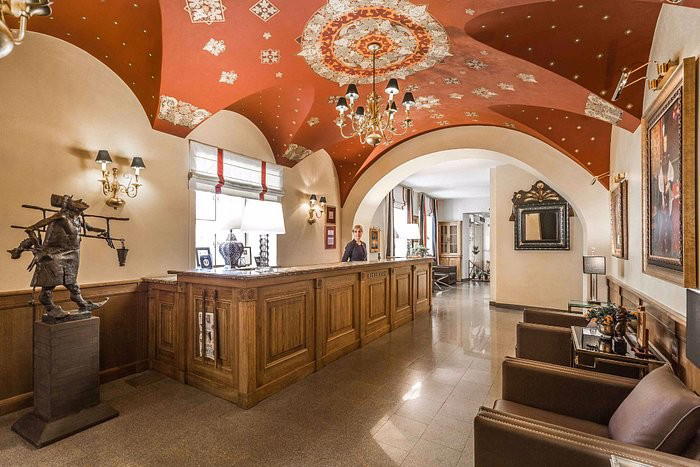
- Hotel Restaurant
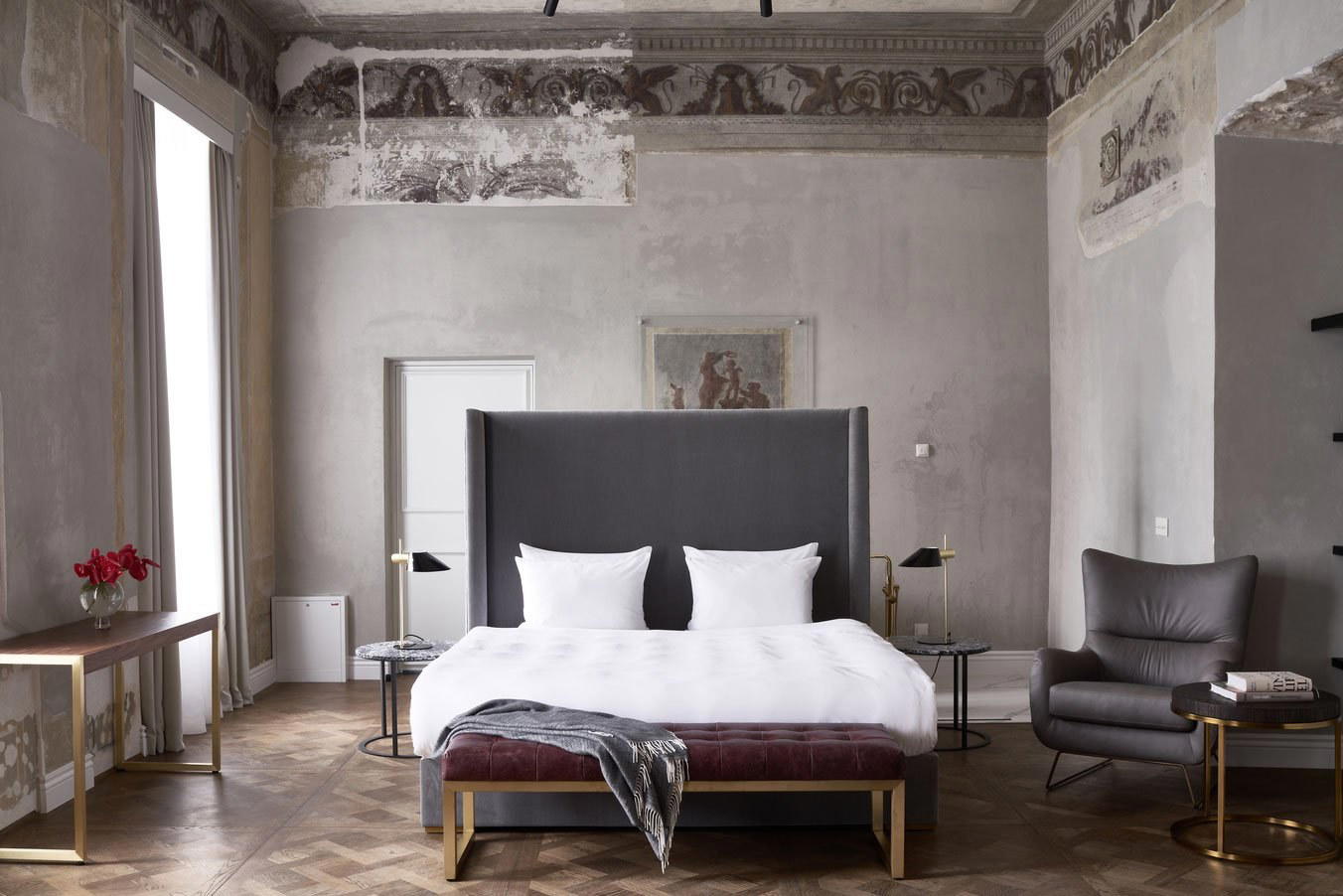
- Historic Building
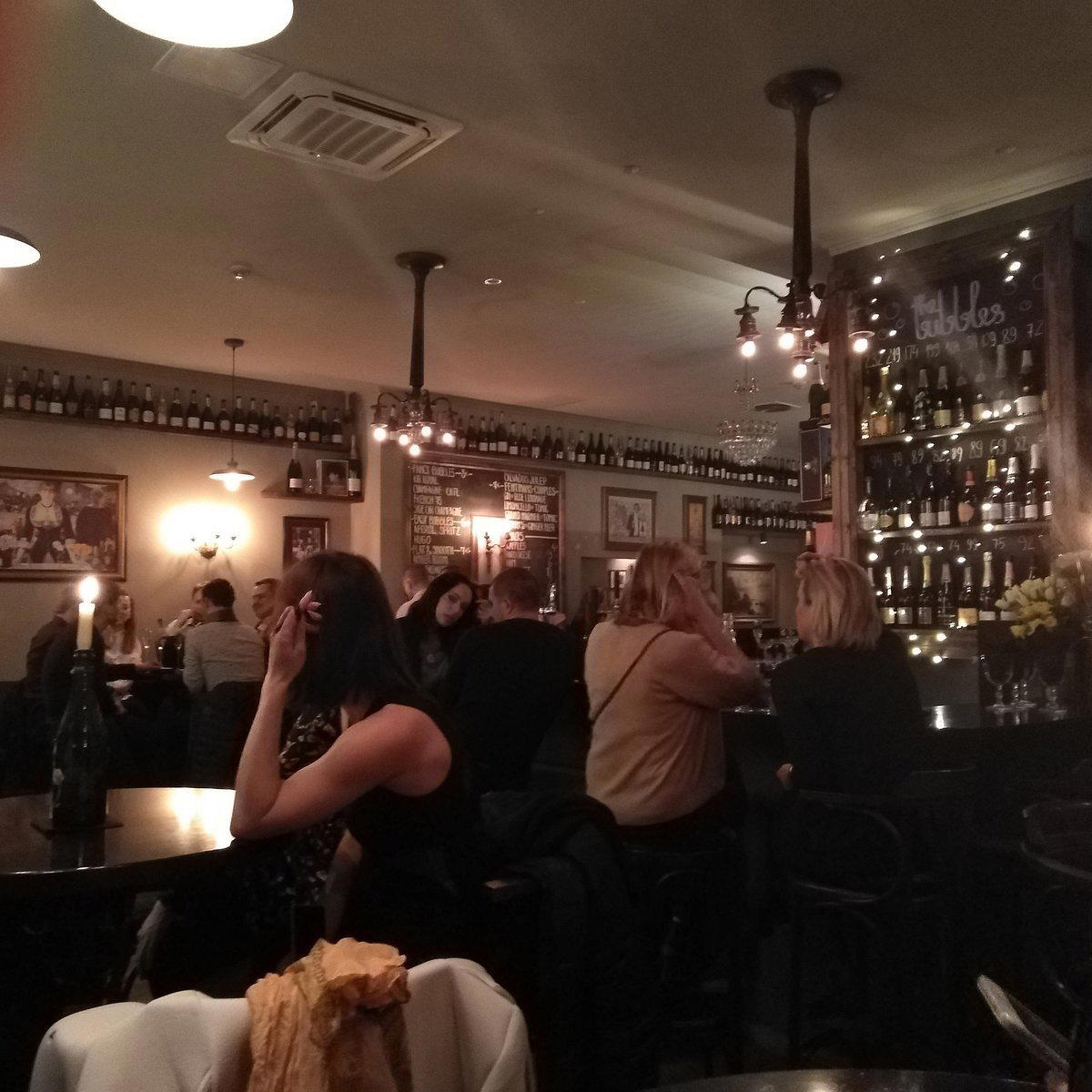
- Extensive Wine List
- Local Sourcing
- Biodynamic
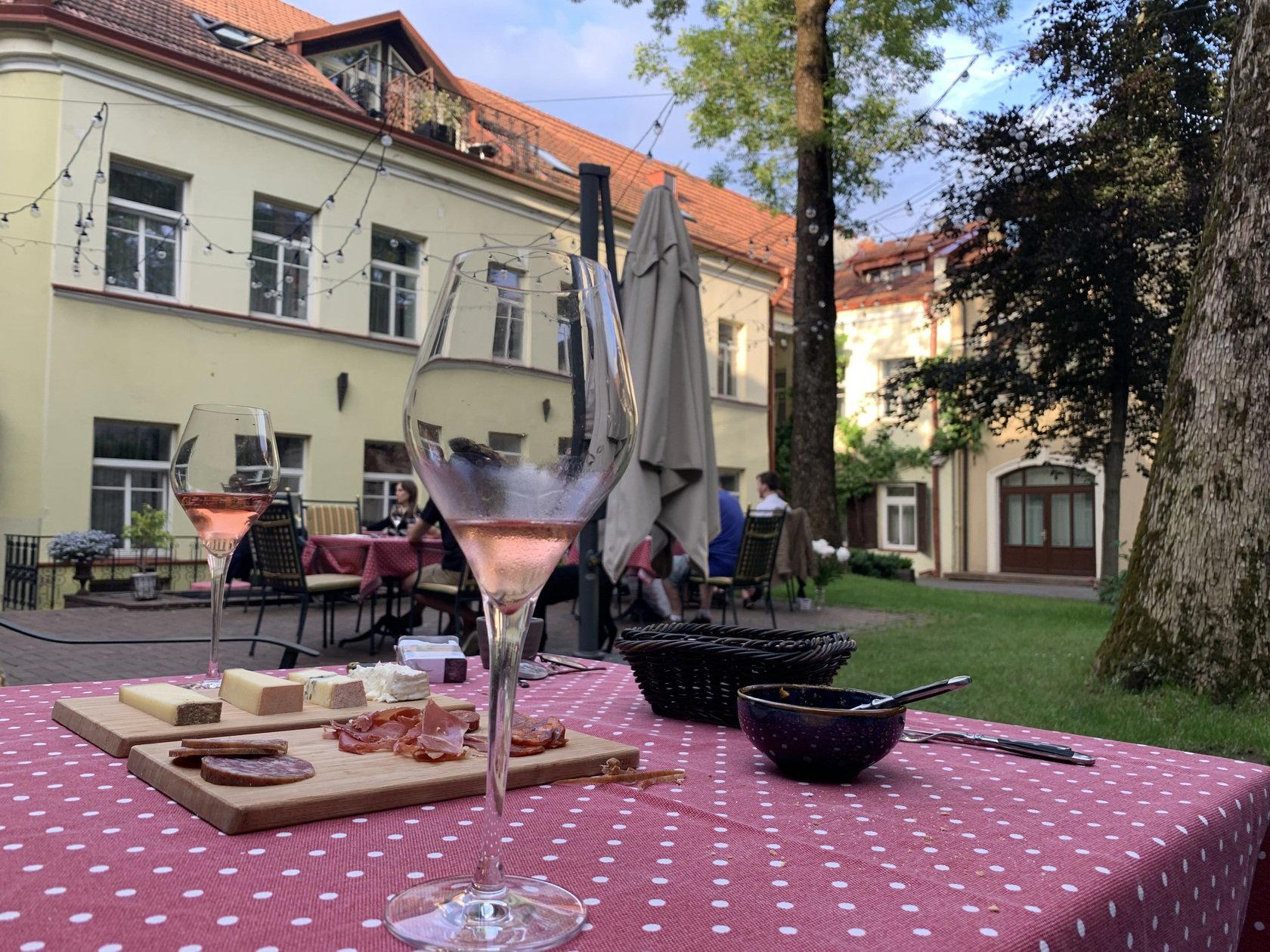
- Garden
Current opening hours
- Monday
- 12–11 PM
- Tuesday
- 12–11 PM
- Wednesday
- 12–11 PM
- Thursday
- 12–11 PM
- Friday
- 12–11 PM
- Saturday
- 12–11 PM
- Sunday
- 12–11 PM
Hours can change for holidays and private events. Last verified .
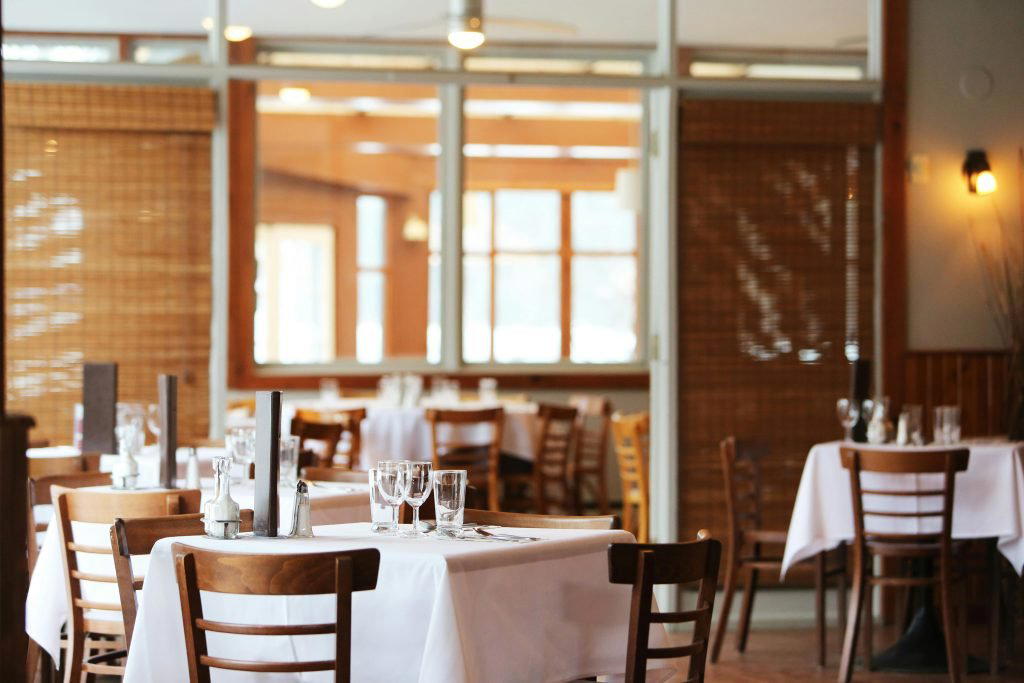
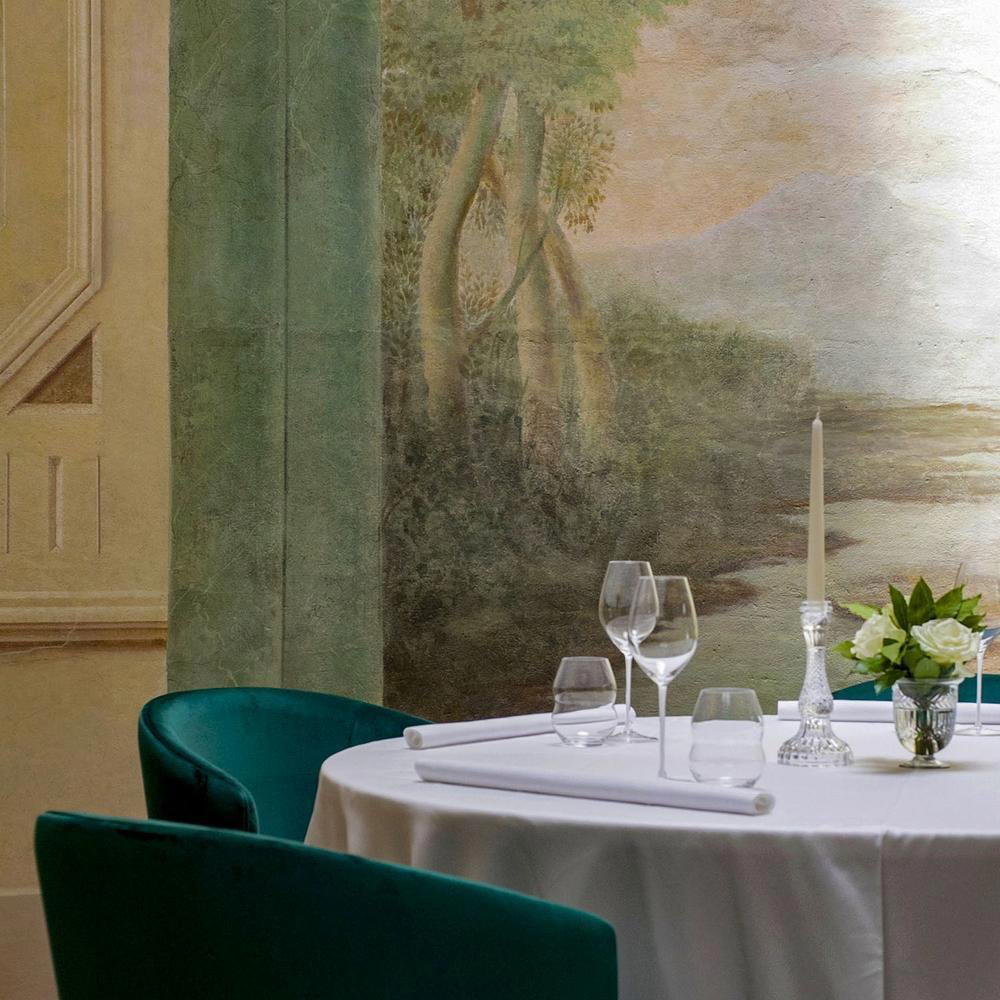
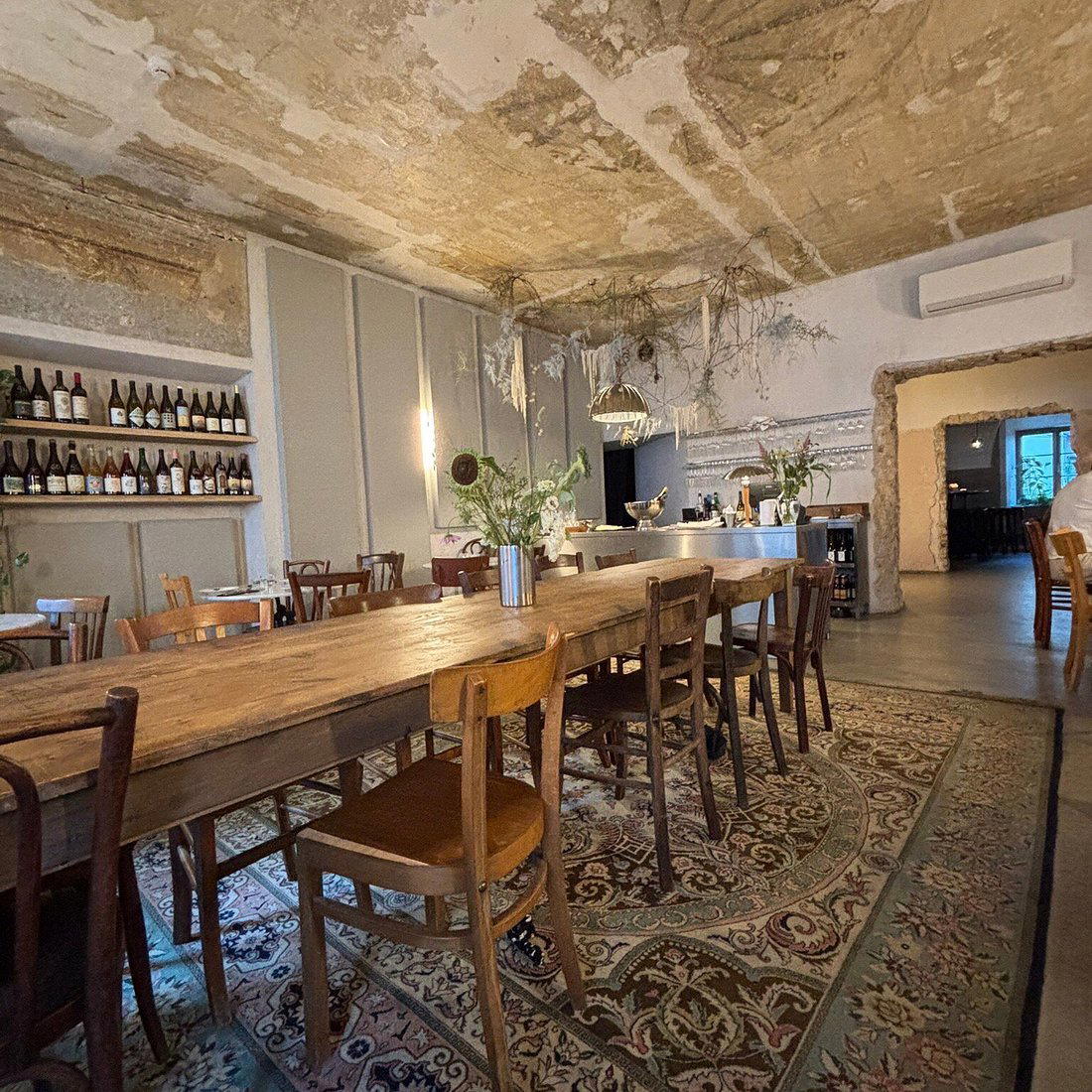
Romantic atmosphere under a glass dome with greenery, plants, candlelight, and warm lighting creating a cozy, luxurious setting.