Steakyard
Steakyard occupies a residential stretch of northeast Dallas at 6726 Shady Brook Lane, placing it outside the usual corridors where the city's steakhouse competition clusters. Dallas has long treated red meat as a serious dining category, and Steakyard enters that conversation as a neighborhood-anchored alternative to the high-wattage rooms downtown. Expect a focused operation where the wine list and the cut on the plate carry the evening.
Pearl is the En Primeur Club membership app — saves, bookings, and concierge access live there. Same editors, same standards.
- Address
- 6726 Shady Brook Ln, Dallas, TX 75231
- Phone
- +12142380012
- Website
- steakyard.com
- Directions
- Get directions
 Saves & bookings on Pearl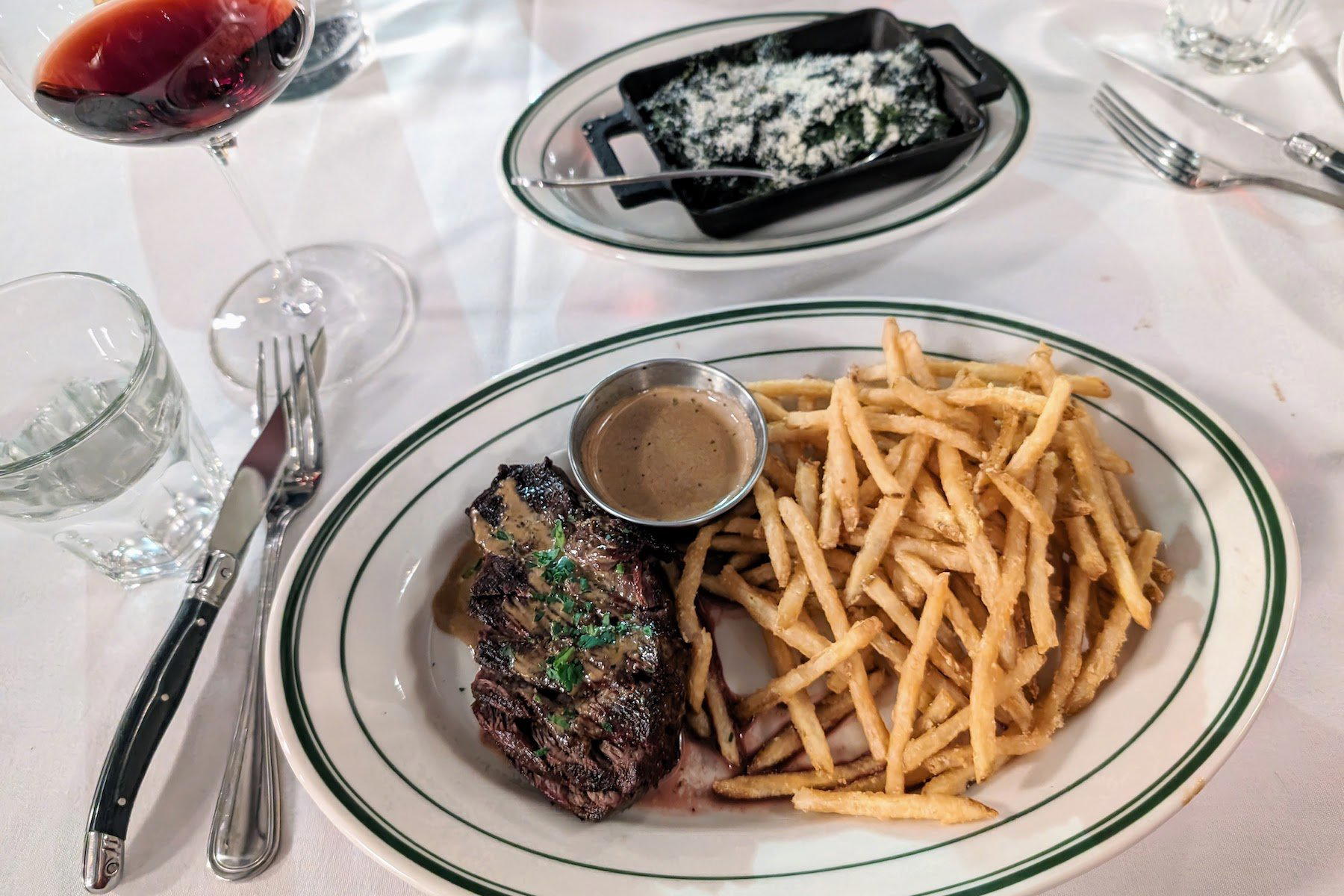
Where Northeast Dallas Eats Its Steak
The steakhouse in American dining carries more cultural weight per square foot than almost any other format. It is the room where business gets done, where anniversaries accumulate, and where a city's protein identity gets tested against itself year after year. In Dallas, that identity runs deep. Texas beef production and a long civic habit of treating the dining room as a stage have combined to make the local steakhouse category one of the most competitive in the country, sitting alongside serious contenders in cities like New York, Chicago, and San Francisco that host institutions such as Le Bernardin in New York City and Alinea in Chicago. Within Dallas itself, the field spreads from the high-ceremony rooms of Uptown and the Arts District to the more neighborhood-facing operations that have taken root in less trafficked postal codes.
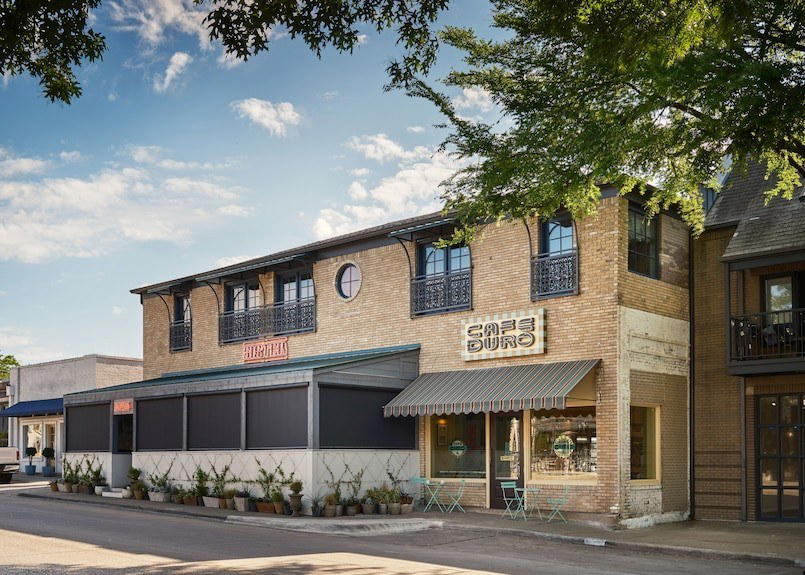
Steakyard at 6726 Shady Brook Lane, Dallas TX 75231, sits in that second category. The address places it in northeast Dallas, away from the Uptown axis where options like Tatsu Dallas and the broader downtown dining cluster compete for the same expense-account dollar. That geographic separation is not a disadvantage so much as a positioning choice: the room draws from a neighborhood that has historically been underserved by serious sit-down dining, and regulars from nearby zip codes fill the dining room without the valet theater of central Dallas.
The Wine Question at a Dallas Steakhouse
The wine list is where steakhouses most reliably separate themselves in this era of dining. The format's food component is relatively fixed: cut, temperature, fat content, and resting time are the variables, and the ceiling on differentiation through the kitchen alone is real. What a steakhouse can do on the cellar side, however, varies enormously. The most ambitious programs in the American steakhouse tier maintain deep California Cabernet holdings alongside significant Bordeaux verticals, with Burgundy and Rhône sections that allow a table to move away from the obvious Napa pairing and into something more considered. The sommelier's role in these rooms has shifted from order-taker to guide, particularly as wine-literate diners increasingly arrive with specific asks rather than defaulting to the by-the-glass list.
Dallas as a city has shown appetite for serious wine programming. The dining culture here tracks closely with peer Sunbelt cities where wealth concentration and a willingness to spend on the table has attracted sommeliers from more established wine markets. Comparative reference points in the broader Dallas scene include Italian-focused Mamani, which approaches its list through a different regional lens, and the cocktail-forward format at 3Eleven Kitchen and Cocktails, where beverage programming serves a different dining tempo entirely. For pure steak-centric comparison, 12 Cuts Brazilian Steakhouse offers the churrascaria format as an alternative register, where the wine relationship to the meal functions differently than in a traditional à la carte steakhouse setting.
The operational calculus for a neighborhood steakhouse differs from a flagship downtown room: the list needs to work across a broader range of ticket sizes rather than skewing entirely toward three-figure bottles.
Dallas Steak in Context
Texas barbecue operates at one end of the city's meat-focused dining continuum, with operations like Mamani anchoring a very different tradition. Cattleack Barbeque represents the smoke-and-paper-towel register of Dallas protein culture, a format that charges under thirty dollars and makes no concessions to the white-tablecloth vocabulary. The traditional steakhouse sits at the other end: formal, expensive, wine-heavy, and oriented toward the kind of occasion that justifies the check. Fearing's in the Ritz-Carlton brings a Southwestern inflection to the category with a four-dollar-sign price point; Tei-An occupies a Japanese-influenced tier at similar price levels. What these operations share is a downtown or high-traffic address that supports the volume and average check needed to sustain a large room.
Steakyard's northeast Dallas location positions it differently. The category comparison that matters most here is not against Fearing's or Tei-An but against the mid-tier neighborhood steakhouse that serves as a community anchor rather than a destination. These rooms survive through frequency rather than occasion: they need diners who return monthly, not annually. That changes everything from cellar buying strategy (depth over spectacle, rotation over vintage trophy-hunting) to the hospitality register (recognition over ceremony).
For readers who want to understand how the Dallas steak scene fits within the broader American fine-dining picture, the distance from here to operations like The French Laundry in Napa, Blue Hill at Stone Barns in Tarrytown, or Single Thread Farm in Healdsburg is not merely geographic. Those are tasting-menu destinations where wine pairing is a curatorial exercise. The steakhouse, even at its most ambitious, remains a format organized around guest autonomy: you choose your cut, you choose your bottle, and the kitchen's job is execution rather than authorship.
Planning a Visit
Steakyard's address at 6726 Shady Brook Lane places it within northeast Dallas, accessible by car with direct parking in the surrounding area. For a broader read on where Steakyard sits within the city's full dining picture, see our full Dallas restaurants guide. Readers who want a brunch alternative in the same northeast quadrant should consider 360 Brunch House for a different meal format in a similar neighborhood radius.
How Steakyard Compares on Logistics
| Venue | Format | Price Tier | Location |
|---|---|---|---|
| Steakyard | Steakhouse | Not confirmed | Northeast Dallas |
| Fearing's | Southwestern / American | $$$$ | Uptown (Ritz-Carlton) |
| Tei-An | Izakaya / Japanese | $$$$ | Downtown Arts District |
| 12 Cuts Brazilian Steakhouse | Churrascaria | Mid-tier | Dallas metro |
| Cattleack Barbeque | Barbecue | $$ | North Dallas |
At a Glance
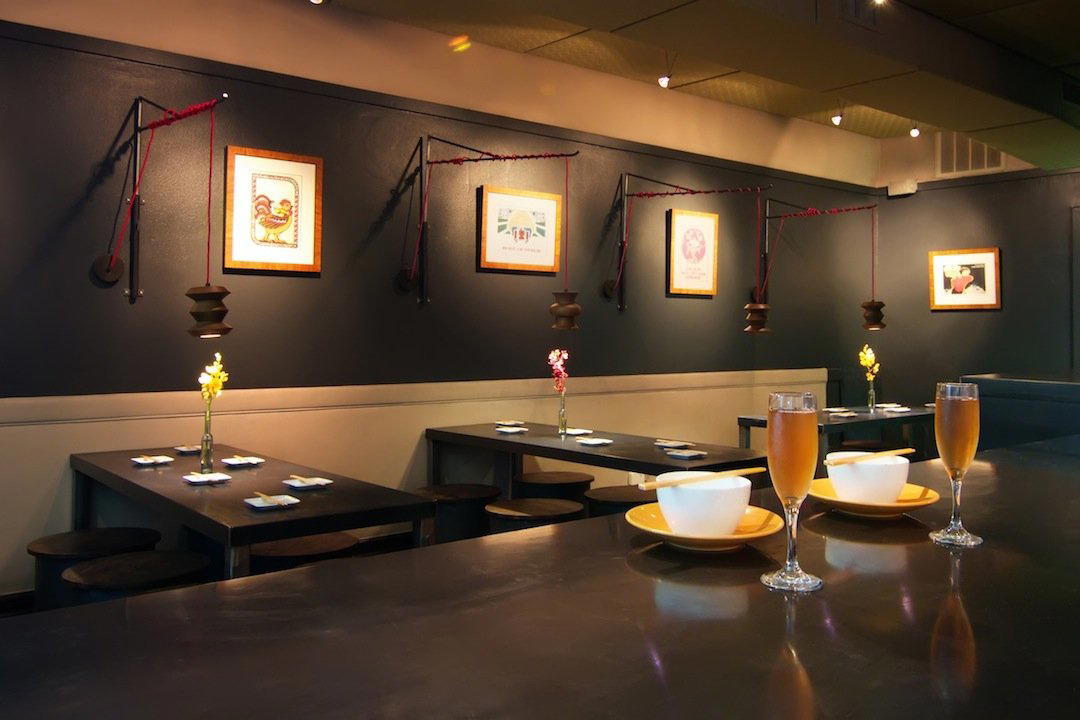
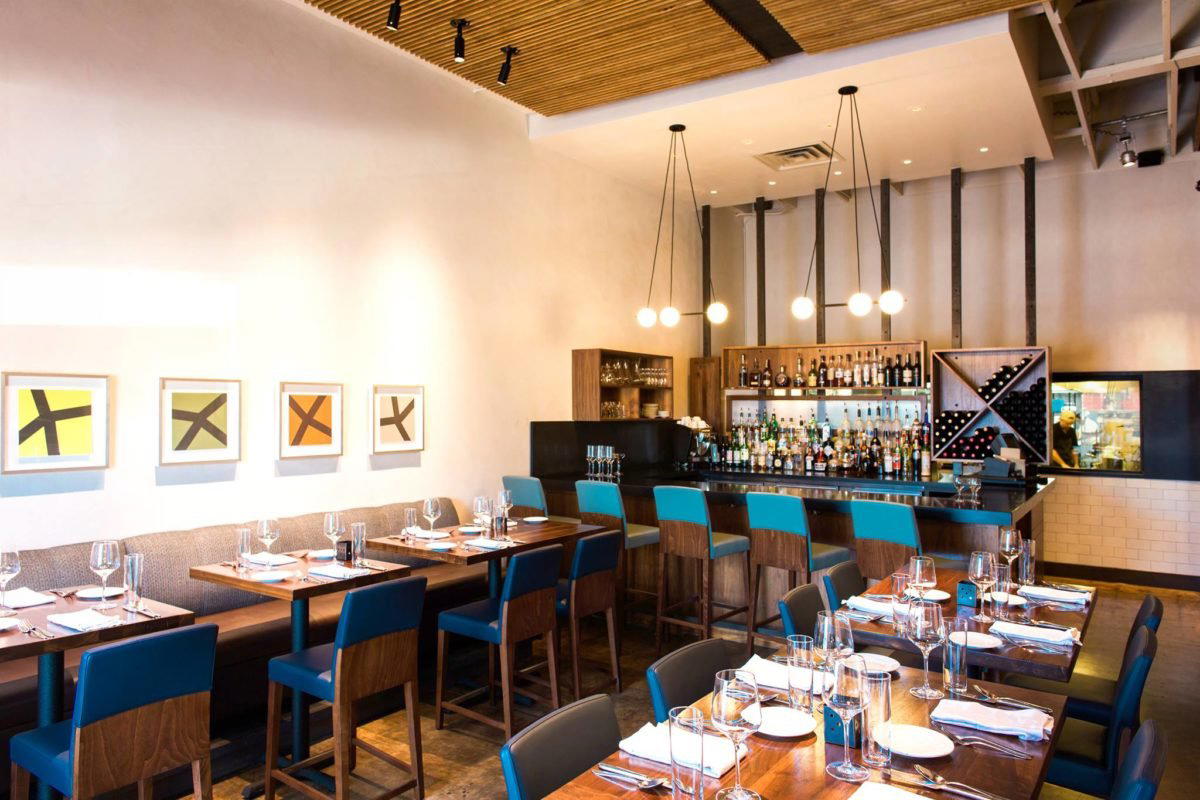
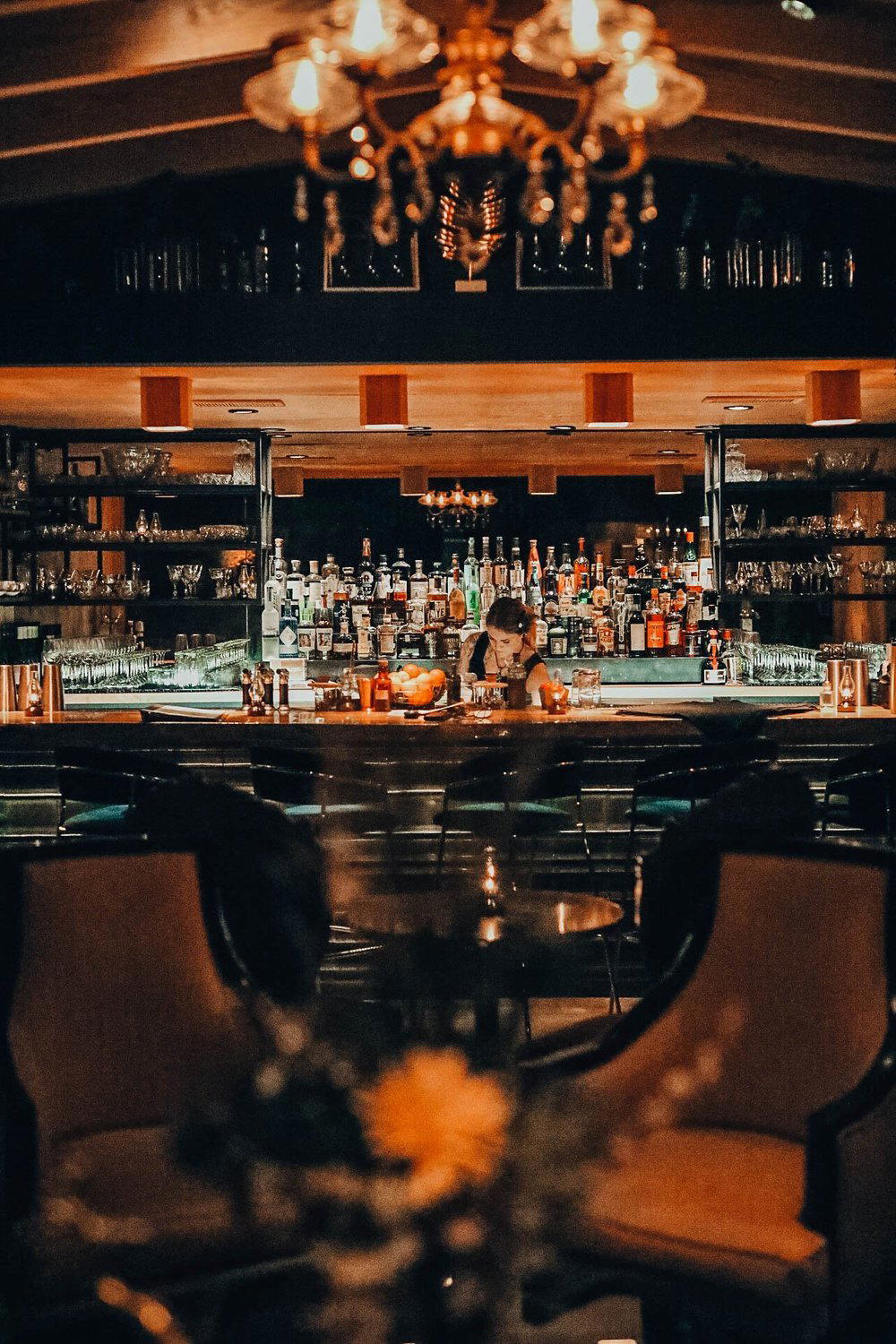
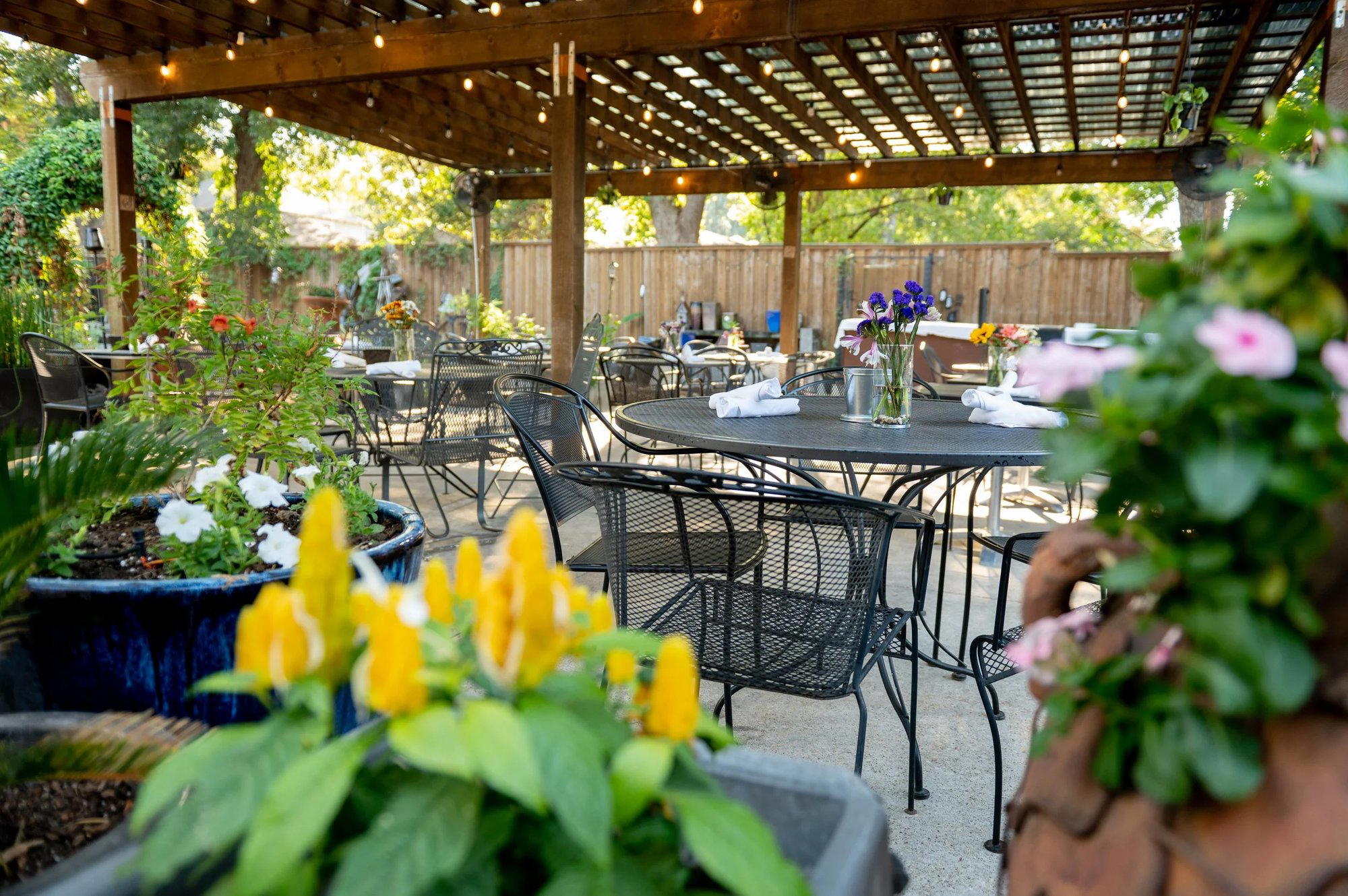
- Industrial
- Modern
- Trendy
- Elegant
- Date Night
- Casual Hangout
- Group Dining
- Open Kitchen
- Craft Cocktails
Current opening hours
- Monday
- 4:30–9 PM
- Tuesday
- 4:30–9 PM
- Wednesday
- 4:30–9 PM
- Thursday
- 4:30–9 PM
- Friday
- 4:30–10 PM
- Saturday
- 4:30–10 PM
- Sunday
- 4:30–9 PM
Hours can change for holidays and private events. Last verified .
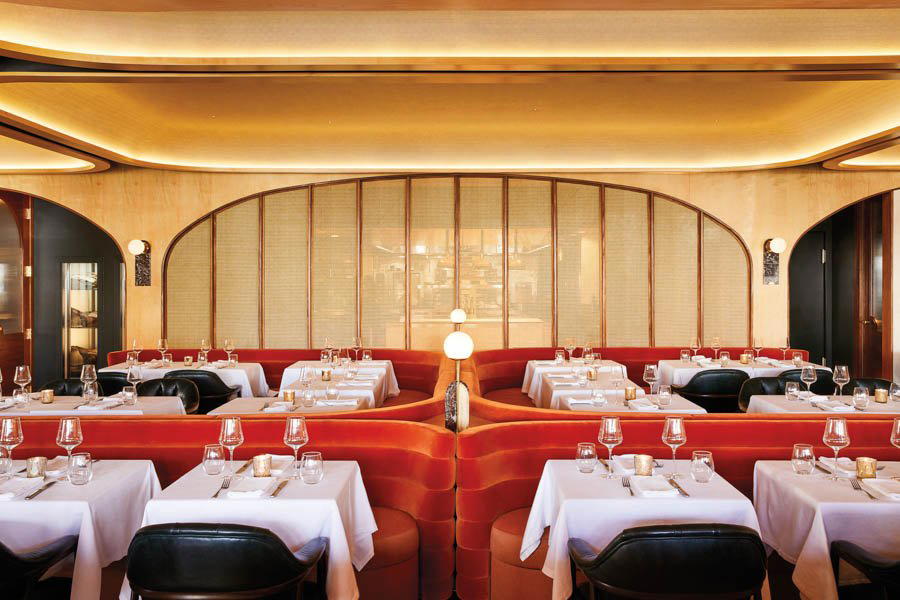
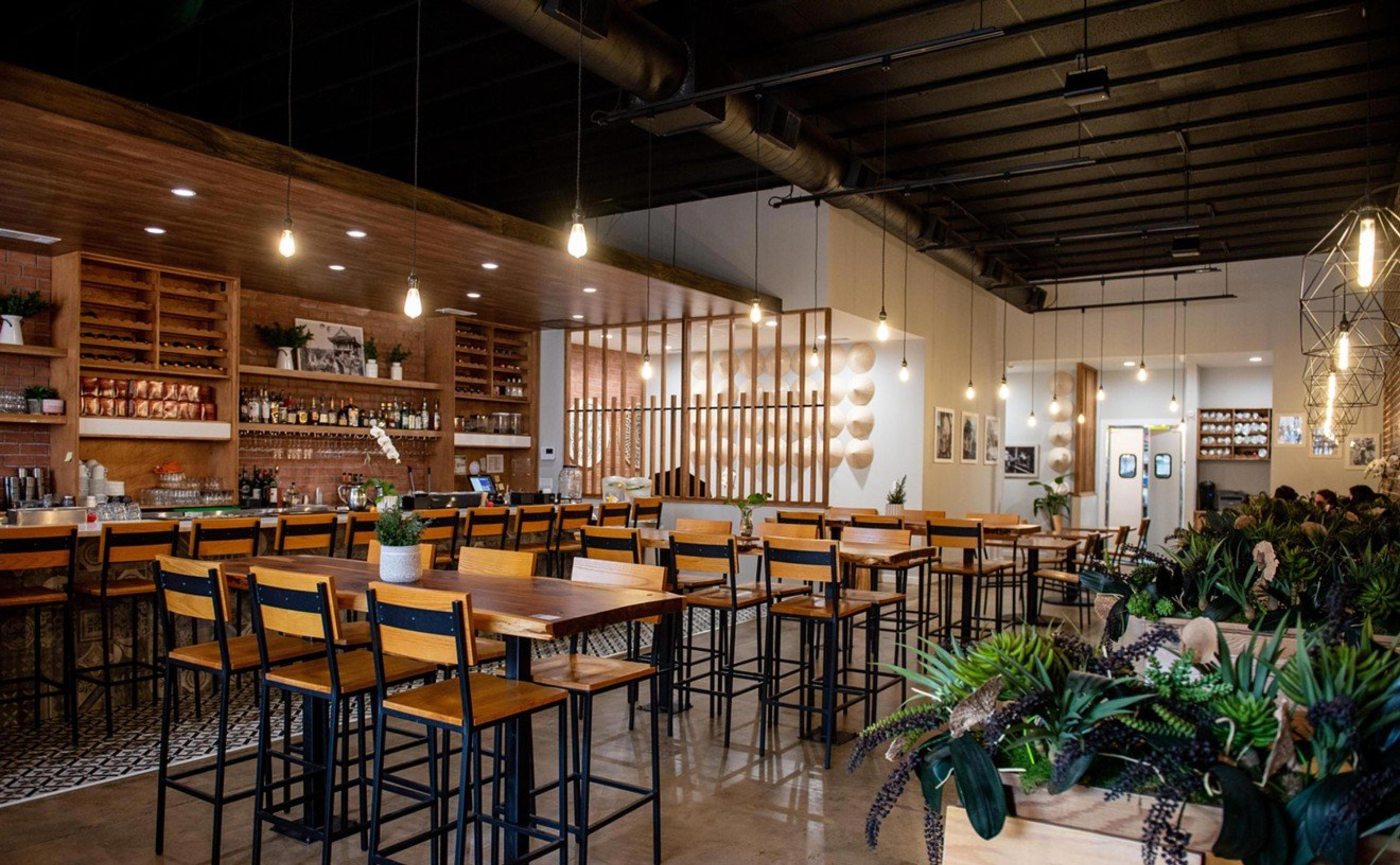
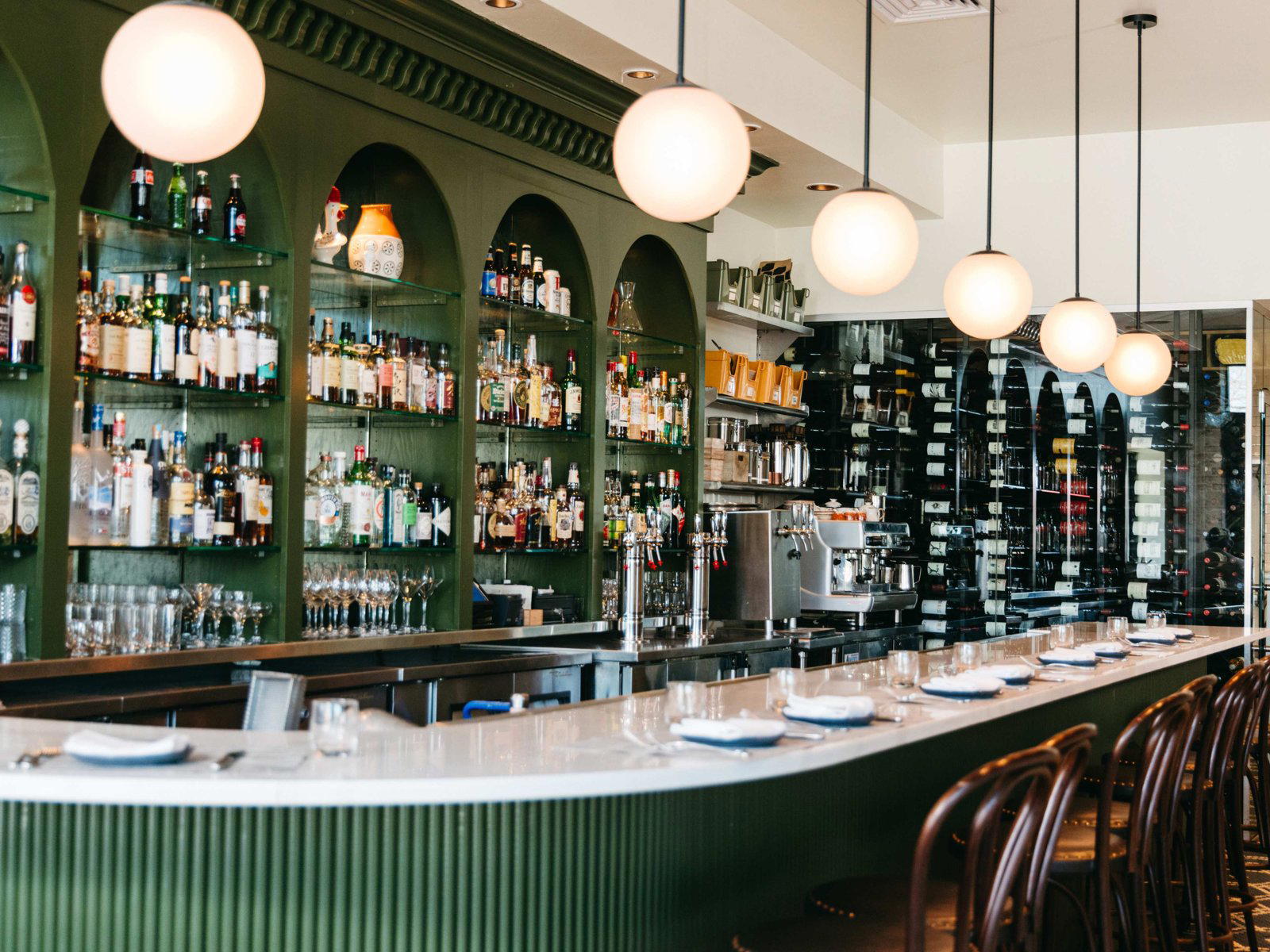
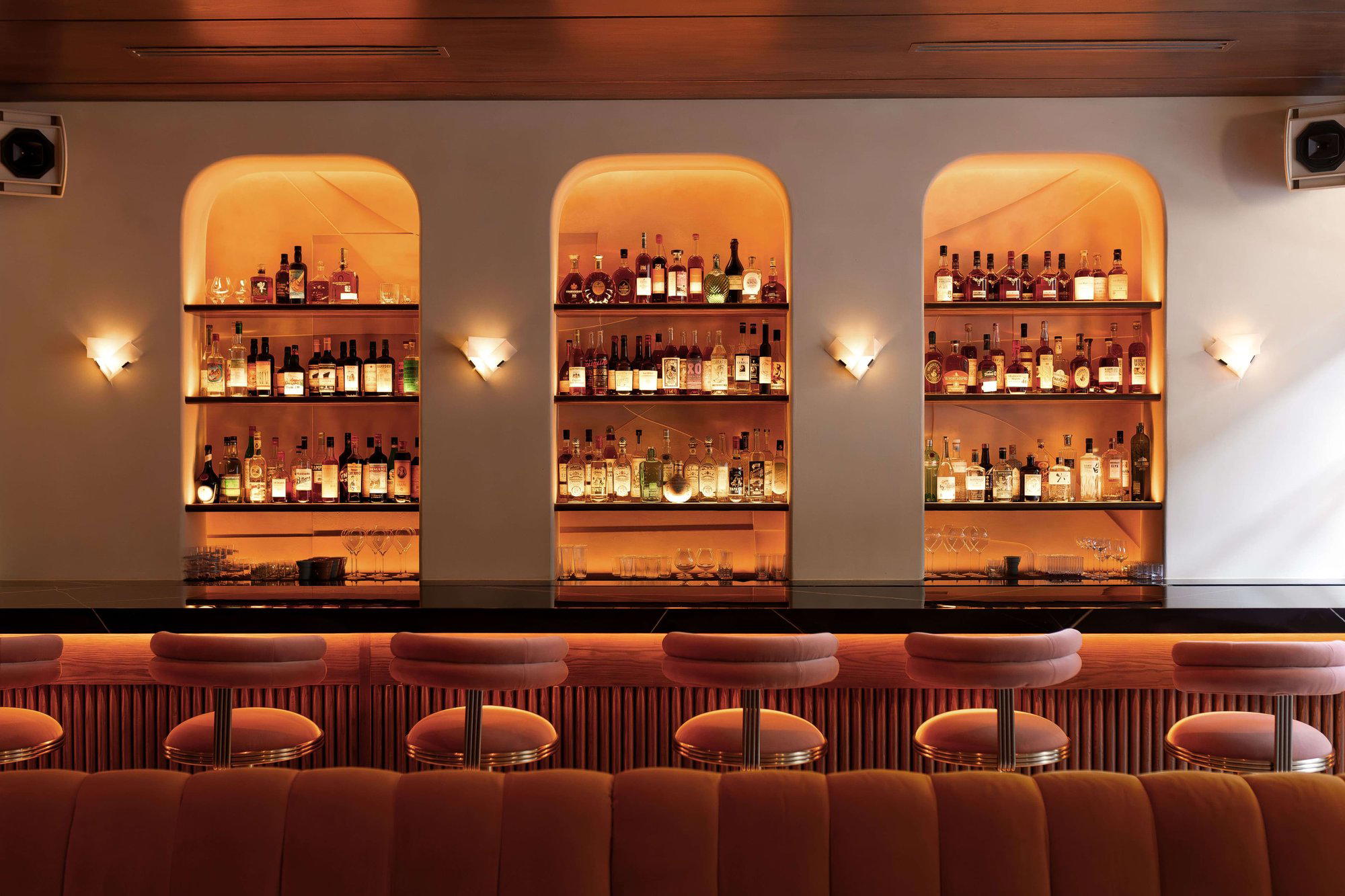
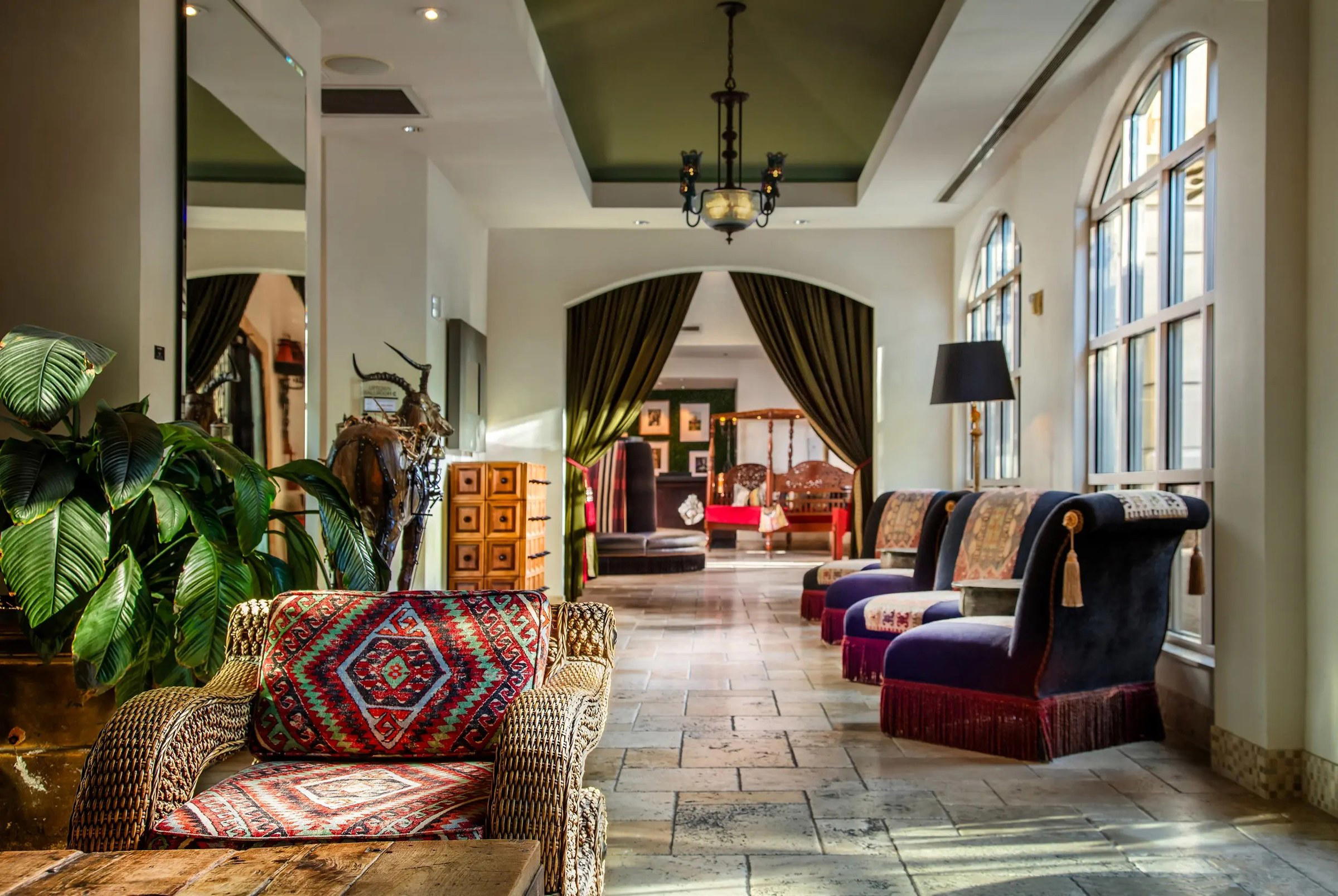
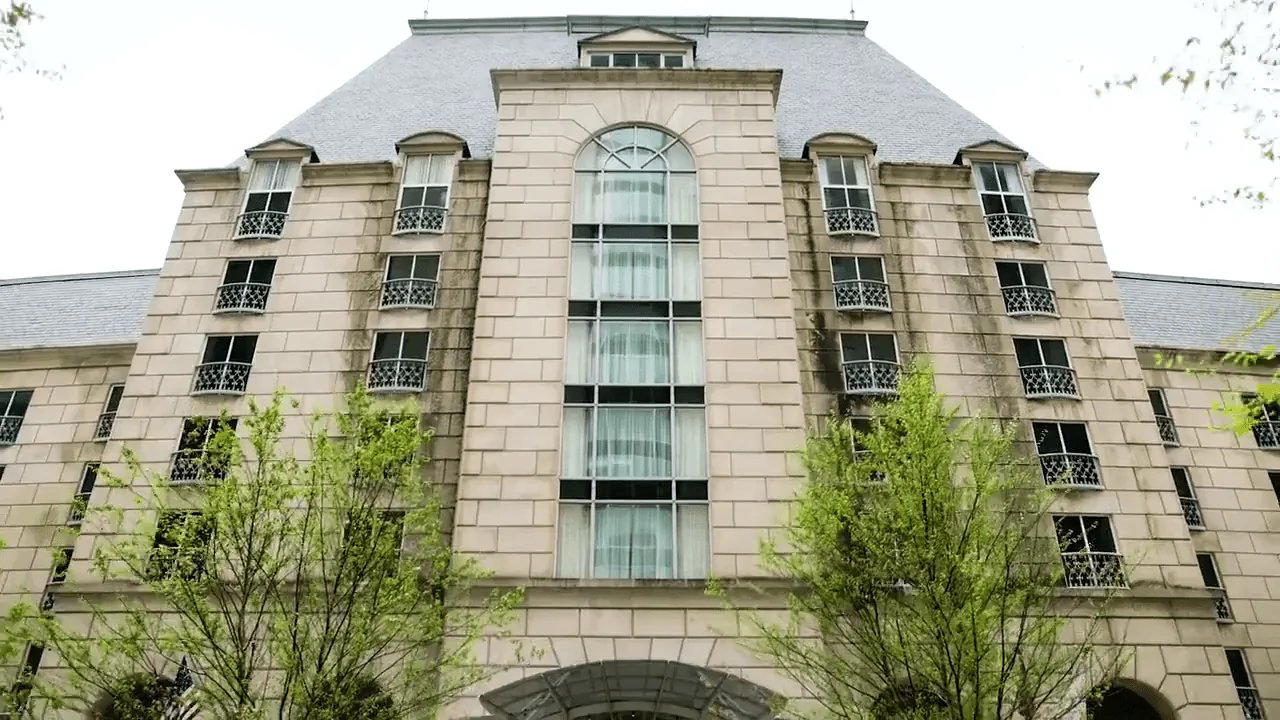
Industrial-chic warehouse atmosphere with exposed brick, concrete floors, comfortable booths, nice lighting, and an open kitchen featuring a massive wood-fired hearth.
Know Before You Go
- Getting there
- 6726 Shady Brook Ln, Dallas, TX 75231