Splash Seafood Bar and Grill

Wine Spectator Award of Excellence
Our verdict
Splash Seafood Bar and Grill sits at 303 Locust Street in the heart of Des Moines, bringing coastal cooking to a landlocked city with a wine list of 230 selections and 1,800-bottle inventory priced at the $$ tier. Chef Ryan Baber leads the kitchen while Wine Director Adam Pepe oversees a California-focused list with broad price accessibility. Dinner-only service makes it the city's cleaner choice for a serious seafood evening.

Pearl is the En Primeur Club membership app, where members save venues, book tables and use the concierge.
The menu
What to order
- Splash Crab Cake
- Lobster Mac & Cheese
- Royal Surf & Turf
Seafood Dining in a Landlocked City: What That Actually Means
The premise of a serious seafood restaurant in Des Moines raises an obvious question: how far has that fish traveled, and through how many hands? The American Midwest sits roughly 1,500 miles from the nearest major coastline in almost every direction, which means the ingredient sourcing decisions made by a kitchen on Locust Street carry more weight than the same decisions made at a portside restaurant in Boston or Seattle. At venues operating at comparable price tiers along the coasts Le Bernardin in New York City or Providence in Los Angeles, for instance, proximity to suppliers is a built-in structural advantage. Inland kitchens have to build that supply chain deliberately, and the effort (or absence of it) shows up on the plate in ways that are hard to disguise.
Splash Seafood Bar and Grill, operating at 303 Locust Street in downtown Des Moines, positions itself inside this challenge. The $$ cuisine pricing bracket, covering a typical two-course dinner in the $40 to $65 range, places it in a tier where ingredient quality needs to justify the spend without the theatre of a tasting-menu format. That's a specific kind of pressure: accessible enough to fill a room most nights, priced high enough that guests have real expectations about what lands on their plate.
The Room on Locust Street
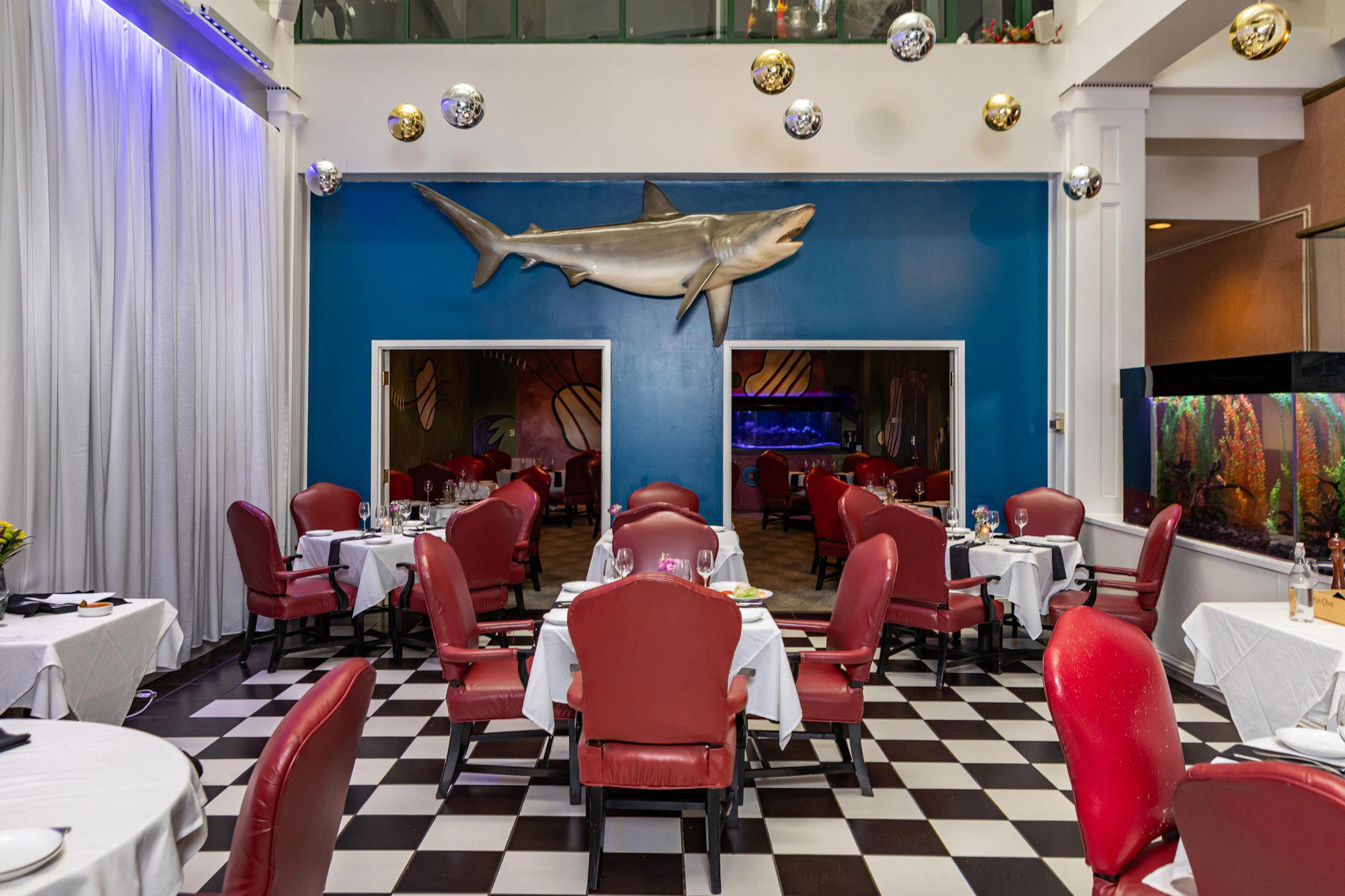
Downtown Des Moines has consolidated most of its serious dining within a few walkable blocks, and the Locust Street address puts Splash inside that cluster. The physical environment of a seafood restaurant in a landlocked market tends to run in one of two directions: either it leans hard into nautical pastiche as a kind of geographic apology, or it makes its case through the food alone and keeps the room neutral. Restaurants that rely on sourcing credentials rather than decor to tell their story generally sit in the second category, the room exists to facilitate the meal rather than to simulate a coastline you're not on.
Des Moines's downtown dining scene has matured over the past decade into a city that supports multiple dinner-only formats operating at the $$ and $$$ tiers simultaneously, without the kind of volume that coastal markets depend on. That makes the reservation environment different: the city doesn't generate the same walk-in traffic as Chicago or Minneapolis, which means a well-run room here depends more on locals returning regularly than on tourist churn. For context on how Des Moines's dining options compare more broadly, see our full Des Moines restaurants guide.
The Wine Program: A Signal Worth Reading
A 230-selection wine list with a 1,800-bottle inventory is, by any practical measure, a serious program for a mid-market American seafood restaurant. The $$ wine pricing tier, indicating a range of bottle prices rather than a purely budget-driven or purely premium list, suggests Adam Pepe has built something accessible in breadth. California anchors the program, which aligns logically with the cuisine: West Coast whites and light reds have the acidity profiles that work against shellfish and grilled fish without overwhelming them.
The scale of that inventory is worth noting in context. Tasting-menu destinations like Alinea in Chicago or Lazy Bear in San Francisco build cellar depth partly because their fixed formats allow for pairing architecture across many courses. A seafood grill operating à la carte at the $$ price point maintaining 1,800 bottles signals a different kind of institutional commitment, the list is a genuine destination element rather than a compliance exercise. For guests who care about the wine as much as the food, that inventory depth provides meaningful choice without requiring a $$$ spend. If you want to explore more of what Des Moines's drinks scene offers, our full Des Moines bars guide covers the broader picture.
Sourcing in the Middle of the Country
The editorial angle that matters most for a seafood restaurant in Iowa is not what's on the menu but where it comes from and how that supply chain holds up night to night. Coastal peers operating at the high end of the market, Single Thread Farm in Healdsburg or Blue Hill at Stone Barns in Tarrytown, have built sourcing into their identity at the level of verifiable farm and water relationships. The sourcing requirements for a Midwest seafood kitchen are structurally harder: overnight freight from Gulf, Atlantic, or Pacific sources is the norm rather than the exception, and the quality of that logistics relationship determines what the kitchen can credibly put on a menu.
Chef Ryan Baber operates within those constraints. What the $$ price tier allows for in a Des Moines market, and what it demands, is a menu that stays honest about what inland sourcing can deliver reliably rather than overreaching into items that will be inconsistent. The restaurants in this tier that work over time tend to build menus around species and preparations that travel well rather than chasing the prestige ingredient that doesn't survive the freight. That's a discipline rather than a limitation, and it's worth recognizing as such.
For comparison, the ambition gap between a midmarket Des Moines seafood dinner and what The French Laundry in Napa or Addison in San Diego execute at the $$$$ tier is real and structural.
Planning Your Visit
Splash operates dinner service only, which shapes the practical calculus. Downtown Des Moines is compact enough that the Locust Street address is reachable on foot from most central hotels, for accommodation context, our full Des Moines hotels guide maps the options. The $$ cuisine pricing means a two-course dinner lands between $40 and $65 per person before wine, a range that makes the 1,800-bottle wine inventory feel like an invitation to spend up on the glass or bottle rather than an obligation. Reservations are advisable for weekend evenings; the city's dinner crowd concentrates on fewer venues than a larger metro, which means the rooms that have established a consistent reputation fill on the nights that matter. For anyone building a broader Des Moines itinerary, our full Des Moines experiences guide and our full Des Moines wineries guide offer further context on what the city does well beyond the restaurant floor.
Frequently asked questions
Can I bring kids to Splash Seafood Bar and Grill?
The dinner-only format and $$ price range (two courses around $40–$65, before wine) place this in adult-dinner territory by design rather than by strict policy. Des Moines dining culture is generally accommodating, and nothing in the venue data indicates a formal children's restriction. That said, a restaurant with a 1,800-bottle wine inventory and evening-only hours is built around a different occasion than family dining.
Is Splash Seafood Bar and Grill better for a quiet night or a lively one?
A seafood bar at the $$ price point in a downtown setting typically runs louder than a tasting-menu room but quieter than a full bar operation. The "bar and grill" format signals counter energy and social seating alongside table dining, so expect ambient noise rather than controlled quiet. It reads more suited to a relaxed dinner with conversation than to a celebratory group booking, though the wine list depth supports either purpose.
Is Splash Seafood Bar and Grill Michelin-listed?
Splash Seafood Bar and Grill has received recognition including: WINE: Wine Strengths: California Pricing: $$ i Wine pricing: Based on the list\'s general markup and high and low price points:$ has many bottles < $50;$$ has a range of pricing;$$$ has many $100+ bottles Selections: 230 Inventory: 1,800 CU….
What should I eat at Splash Seafood Bar and Grill?
Chef Ryan Baber runs a dinner-only seafood kitchen, which means the menu is structured around fish and shellfish preparations that hold quality through a supply chain originating well outside Iowa. The $$ price range (typically $40–$65 for two courses) suggests a format broad enough to include both lighter and more composed plates. For specific current dishes, checking directly with the restaurant before visiting is the practical move.
Where do I go for Splash Seafood Bar and Grill?
Splash Seafood Bar and Grill is located at 303 Locust St, Des Moines, IA 50309, Des Moines.
How hard is it to get a table at Splash Seafood Bar and Grill?
Des Moines operates at a lower reservation pressure than coastal urban markets, but Splash runs dinner service only, which compresses demand into fewer available hours. Downtown Des Moines has a compact serious-dining corridor, and a restaurant at the $$ price point with a wine program of this depth draws from a loyal local base. Same-week bookings are likely achievable, but Friday and Saturday evenings warrant advance planning.
What's the signature at Splash Seafood Bar and Grill?
Wine Director Adam Pepe oversees the list, which is priced at the $$ tier, meaning range rather than purely high-end allocation. That pairing focus, rather than any single dish, appears to be the defining character of the operation.
How It Stacks Up
Comparable venues nearby, for context on price, style, and recognition.
| Venue | Cuisine | Price | Awards | Notes |
|---|---|---|---|---|
| Splash Seafood Bar and GrillThis venue (the venue you are viewing) | Seafood Grill | $50–100 | Wine Spectator Award of Excellence | Not listed |
| 801 Chophouse | Classic USDA Prime Steakhouse | $100–150 | Wine Spectator Best of Award of Excellence | downtown |
| Café Madeleine | Chef’s Table French Tasting Menu | $150–200 | Wine Enthusiast Best Wine Restaurants | Downtown Des Moines |
| Clyde's Fine Diner | Modern American Diner | $20–30 | Not listed | East Village |
Recognition history
Dated appearances from independent guides and award organizations, with the underlying list record or original source where available.
Wine Spectator Award of Excellence
Wine Spectator
Full recognition history (2 entries)
Wine Spectator Award of Excellence
Wine Spectator
Continue exploring
More in Des Moines
Restaurants in Des Moines
All restaurants in Des Moines →
Bars in Des Moines
All bars in Des Moines →

Hotels in Des Moines
All hotels in Des Moines →
Splash Seafood Bar and Grill
The wine
Splash Seafood Bar and Grill holds the Wine Spectator Award of Excellence, which Wine Spectator gives to lists of usually 90 or more selections.
- Wine Spectator
- Wine Spectator Award of Excellence
Details
- Elegant
- Modern
- Intimate
- Sophisticated
- Date Night
- Special Occasion
- Business Dinner
- Open Kitchen
- Sustainable Seafood
- A La Carte
Current opening hours
- Monday
- Closed
- Tuesday
- 4:30–9 PM
- Wednesday
- 4:30–9 PM
- Thursday
- 4:30–9 PM
- Friday
- 4:30–10 PM
- Saturday
- 4:30–10 PM
- Sunday
- Closed
Hours can change for holidays and private events. Hours as of .
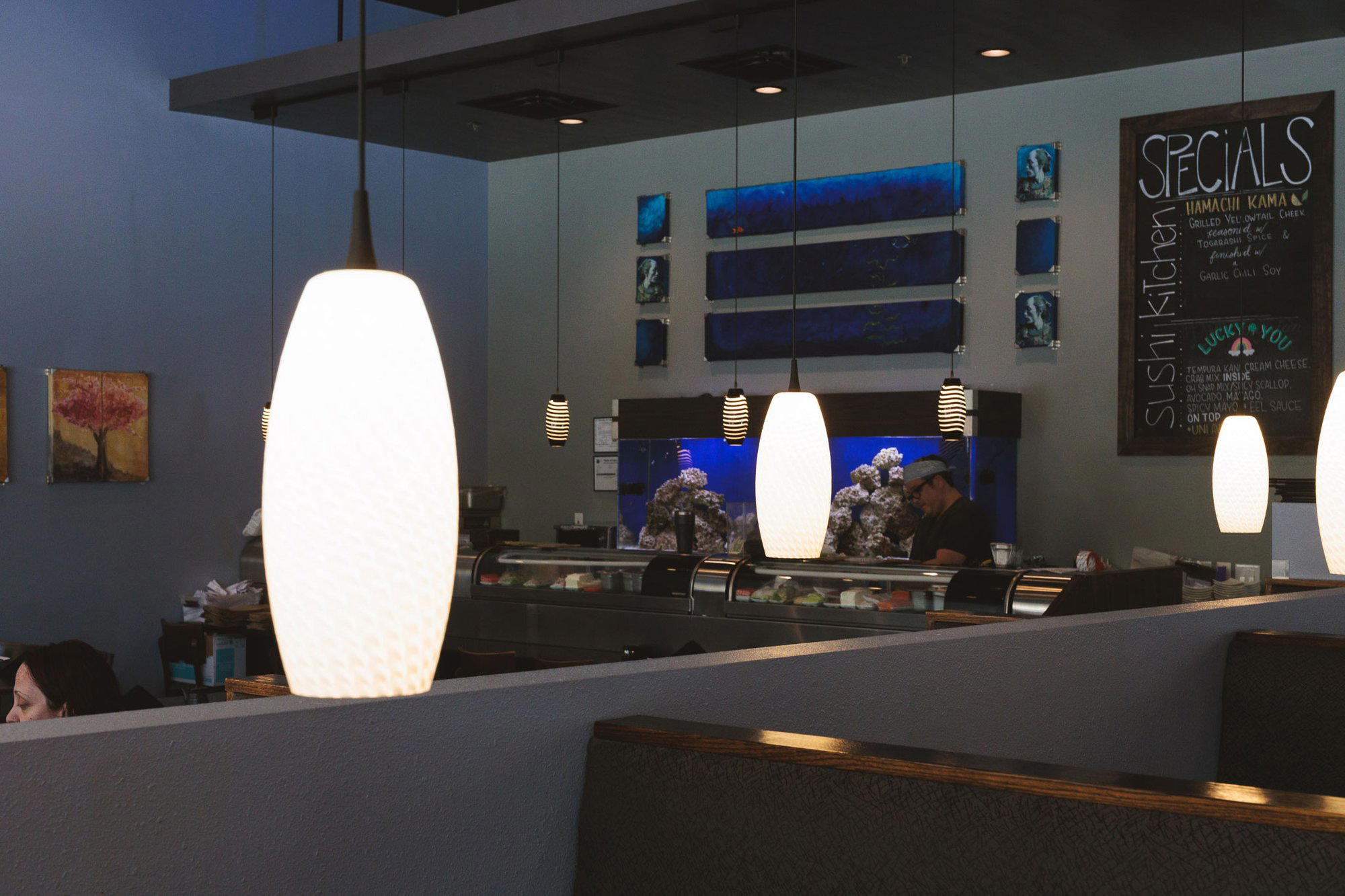
Elegant and intimate atmosphere with colorful modern decor in a renovated historic building and saltwater aquariums.