Spice Mill Restaurant
Spice Mill Restaurant sits in New Castle on the quieter northeastern coast of St. Kitts, where the island's agricultural interior meets the Caribbean shoreline. The kitchen operates within a dining tradition shaped by locally grown spices, root vegetables, and fresh catch, placing it in a regional category where sourcing proximity is both a practical reality and a point of culinary identity. For visitors exploring beyond Basseterre, it represents a grounded alternative to resort-circuit dining.
Pearl is the En Primeur Club membership app — saves, bookings, and concierge access live there. Same editors, same standards.
- Address
- 69H7+QM2, New Castle, St. Kitts & Nevis
- Phone
- +1 869 765 6706
- Website
- spicemillrestaurant.com
- Directions
- Get directions
 Saves & bookings on Pearl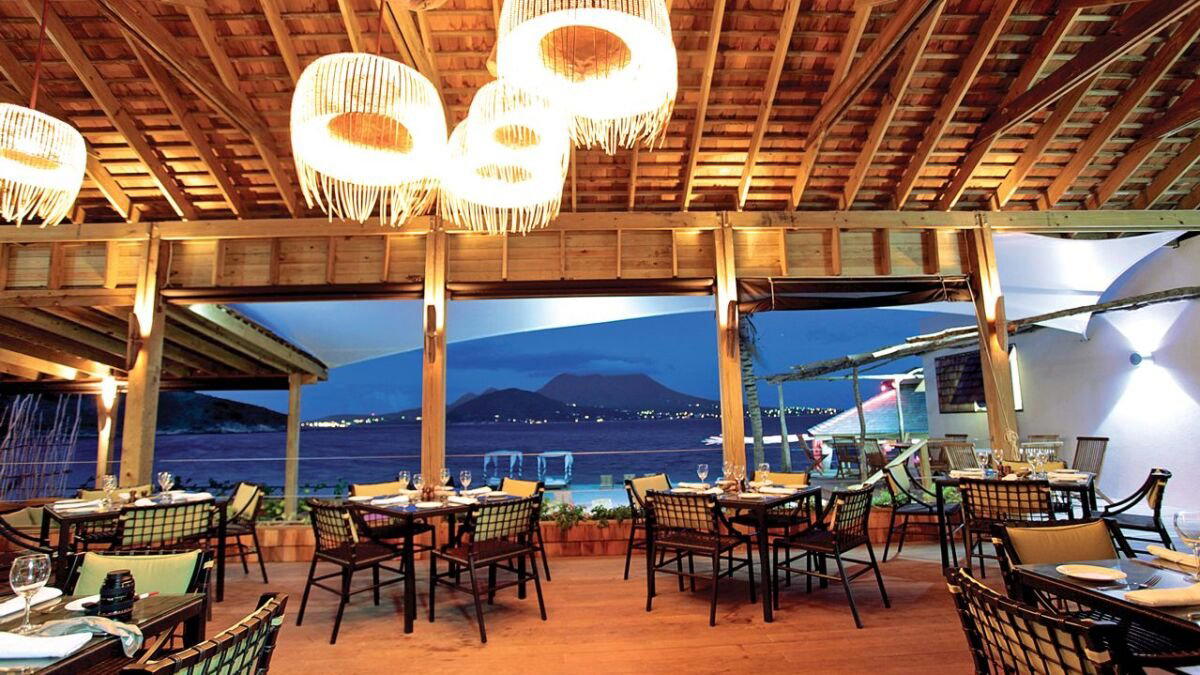
Where the Island's Interior Reaches the Table
The northeastern tip of St. Kitts operates at a different frequency from the resort corridor that runs along the southeast peninsula. New Castle sits closer to the island's working agricultural heartland than to its tourist infrastructure, and that geography has a direct effect on what ends up on local tables. The volcanic soil that built these islands over millennia supports a density of aromatic crops — scotch bonnet, thyme, ginger, turmeric, allspice — that Caribbean kitchens have drawn on for centuries. Spice Mill Restaurant takes its name from that tradition rather than from any decorative impulse, positioning itself within a culinary lineage where the spice rack is a local supply chain, not a global import order.
For a broader picture of where Spice Mill fits within the island's dining options, our full New Castle restaurants guide maps the area's distinct eating character against the rest of St. Kitts.
A Sourcing Model the Caribbean Has Always Known
There is a conversation happening across Caribbean dining about the gap between what islands produce and what resort restaurants actually serve. Much of the fine-dining infrastructure in the region imports heavily: proteins from Miami, produce from Miami or Puerto Rico, wine from Europe. The more compelling dining experiences on smaller islands tend to invert that model, building menus from the shoreline and the hillside outward rather than from a shipping manifest. Spice Mill's location in New Castle, within reach of both fishing communities and the island's farming interior, places it in a position to participate in that more grounded approach.
The Caribbean spice tradition itself has deep historical roots. Kittitian cooking absorbed influences from West African, British colonial, and indigenous Carib foodways, producing a cuisine where slow-braised meats, rice and peas, salt fish preparations, and pepper-forward sauces share table space. The seasoning layering in traditional dishes is not a simplification of French technique applied to local ingredients; it is its own discipline, one that rewards restraint in the kitchen and attentiveness to what each crop delivers in a given season.
This sourcing-first frame separates the island's most credible tables from those offering a generic Caribbean aesthetic. Restaurants like Carambola Beach Club in Frigate Bay and Circus Grill in Basseterre serve the island's more accessible dining tier, while Arthur's Restaurant and Bar in Dieppe operates in a similarly community-anchored register on the island's southern coast. Spice Mill occupies the northeastern end of that map, where visitor density drops and local character tends to come through more directly in what's cooked and how.
The Ingredient Logic of Volcanic Islands
Small volcanic islands like St. Kitts present both constraints and advantages for kitchens that pay attention. The constraints are well known: limited arable flat land, high import costs for anything not grown locally, seasonal volatility. The advantages are less frequently discussed but equally real. The combination of volcanic mineral-rich soil, tropical rainfall patterns, and year-round warmth produces herbs and root vegetables of concentrated flavor that their supermarket counterparts, grown at scale and shipped across continents, rarely match. Ginger grown in Kittitian soil carries a sharpness that distinguishes it from the fibrous, mild root arriving in bulk from China or Peru.
Across the wider Caribbean, this sourcing advantage has animated some of the region's more serious dining projects. At a different scale entirely, restaurants with recognized kitchen programs at institutions like Le Bernardin in New York City or Atelier Moessmer Norbert Niederkofler in Brunico have built their reputations partly on the specificity of regional sourcing. The principle scales down: proximity to origin is a genuine quality signal, whether the kitchen in question holds Michelin stars or serves grilled catch on a wooden table twenty metres from the water. The argument for eating at Spice Mill rests on exactly that logic, applied to a corner of St. Kitts that most visitors don't reach.
How to Plan Around a Visit to New Castle
New Castle is not a destination built around dining options, it is a working community on the island's quieter coast, which means that planning matters more here than it would in Basseterre or the southeast peninsula. Visitors without a rental car will find the area harder to reach; the island's bus routes operate on informal schedules that are reliable for local residents but less so for time-constrained travellers. For those driving, New Castle sits roughly along the road that circles the island's northern tip, making it a natural stop on a full circumnavigation of St. Kitts rather than a dedicated out-and-back trip. Given that venue-specific booking details are not currently published, confirming hours and availability directly before making the drive is advisable, the northeastern coast of the island operates at a pace that does not always align with published listings. Travellers already planning to explore the island's agricultural interior, or those staying in villas rather than the peninsula's resort cluster, will find the detour to New Castle considerably more convenient.
Where Spice Mill Sits in Broader Dining Terms
One instructive comparison for Spice Mill is not drawn from the fine-dining tier represented by places like Dal Pescatore in Runate, Uliassi in Senigallia, or Piazza Duomo in Alba, all of which carry significant institutional recognition and operate at price points well above the Caribbean mid-market. It belongs instead to a category of regionally specific, locally sourced restaurants found on islands and in agricultural communities globally, where the kitchen's main editorial statement is geographic fidelity rather than tasting-menu architecture. In that company, Spice Mill's value proposition is the directness of its relationship with the land and sea immediately around it.
For travellers whose dining reference points include technically sophisticated programs at Lazy Bear in San Francisco, Atomix in New York City, or Reale in Castel di Sangro, Spice Mill will read as a different kind of proposition entirely. That contrast is the point. The island's agricultural character and its fishing communities represent a form of food knowledge that elaborate kitchen technique does not improve upon. Eating closer to the source, in a community that actually depends on those sources, is a different exercise from dining at a destination restaurant, and the northeastern coast of St. Kitts is one of the more honest places on the island to do it.
Those exploring the broader range of serious Caribbean and coastal dining will also find useful reference points in Quattro Passi in Marina del Cantone, Waterside Inn in Bray, HAJIME in Osaka, Le Calandre in Rubano, Quique Dacosta in Dénia, and Emeril's in New Orleans, each anchoring a distinct approach to coastal and regional produce in their respective settings.
| Venue | Cuisine |
|---|---|
| Spice Mill RestaurantThis venue — the venue you are viewing | This venue |
Continue exploring
More in New Castle
Restaurants in New Castle
Browse all →
Bars in New Castle
Browse all →
At a Glance
- Scenic
- Date Night
- Casual Hangout
- Waterfront
- Local Sourcing
- Waterfront
Current opening hours
- Monday
- 11 AM–9 PM
- Tuesday
- Closed
- Wednesday
- 11 AM–9 PM
- Thursday
- 11 AM–9 PM
- Friday
- 11 AM–9 PM
- Saturday
- 11 AM–9 PM
- Sunday
- 11 AM–9 PM
Hours can change for holidays and private events. Last verified .
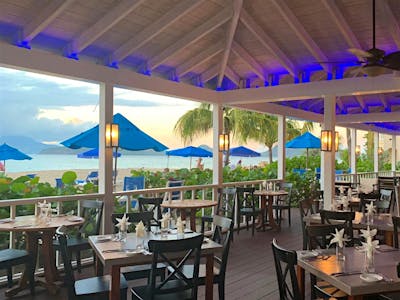
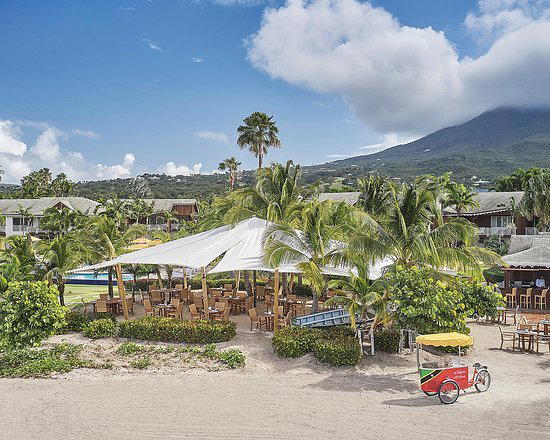
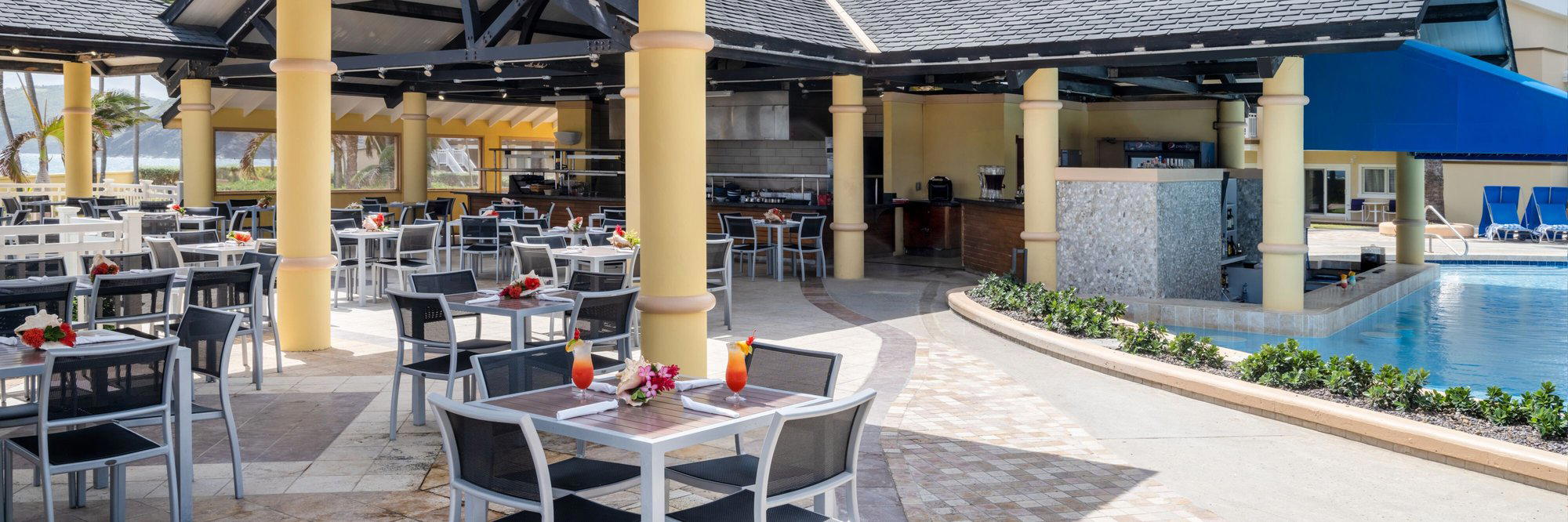
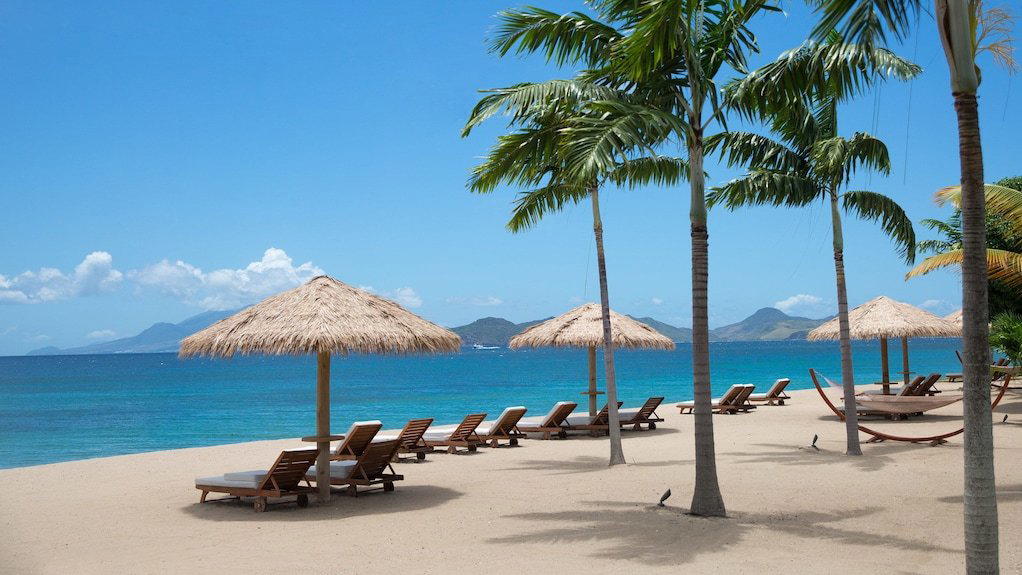
Beachfront setting with ocean views from virtually every table and welcoming service.