Falstaff Restaurant - 92 Falstaff Points
Our verdict
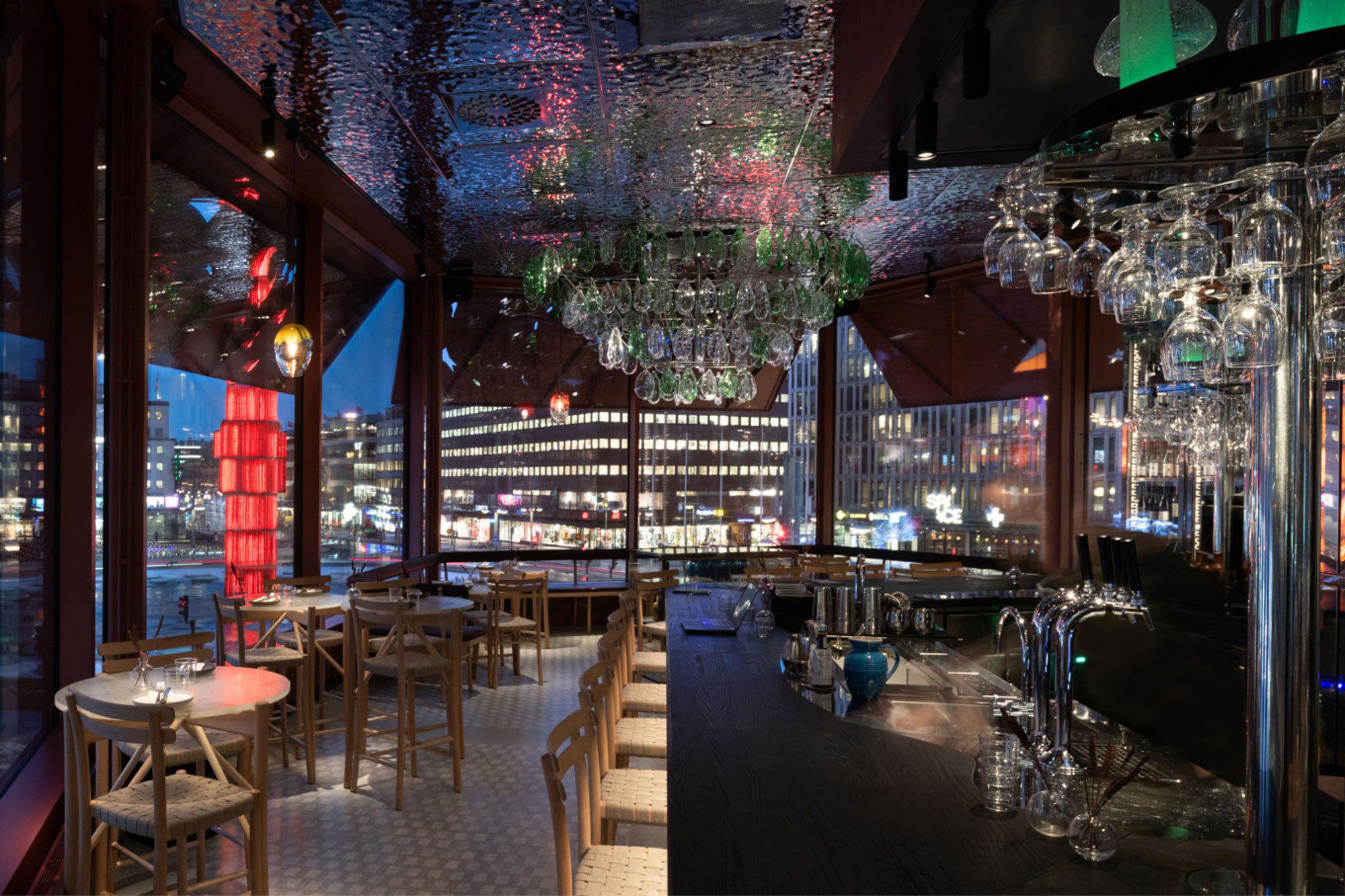
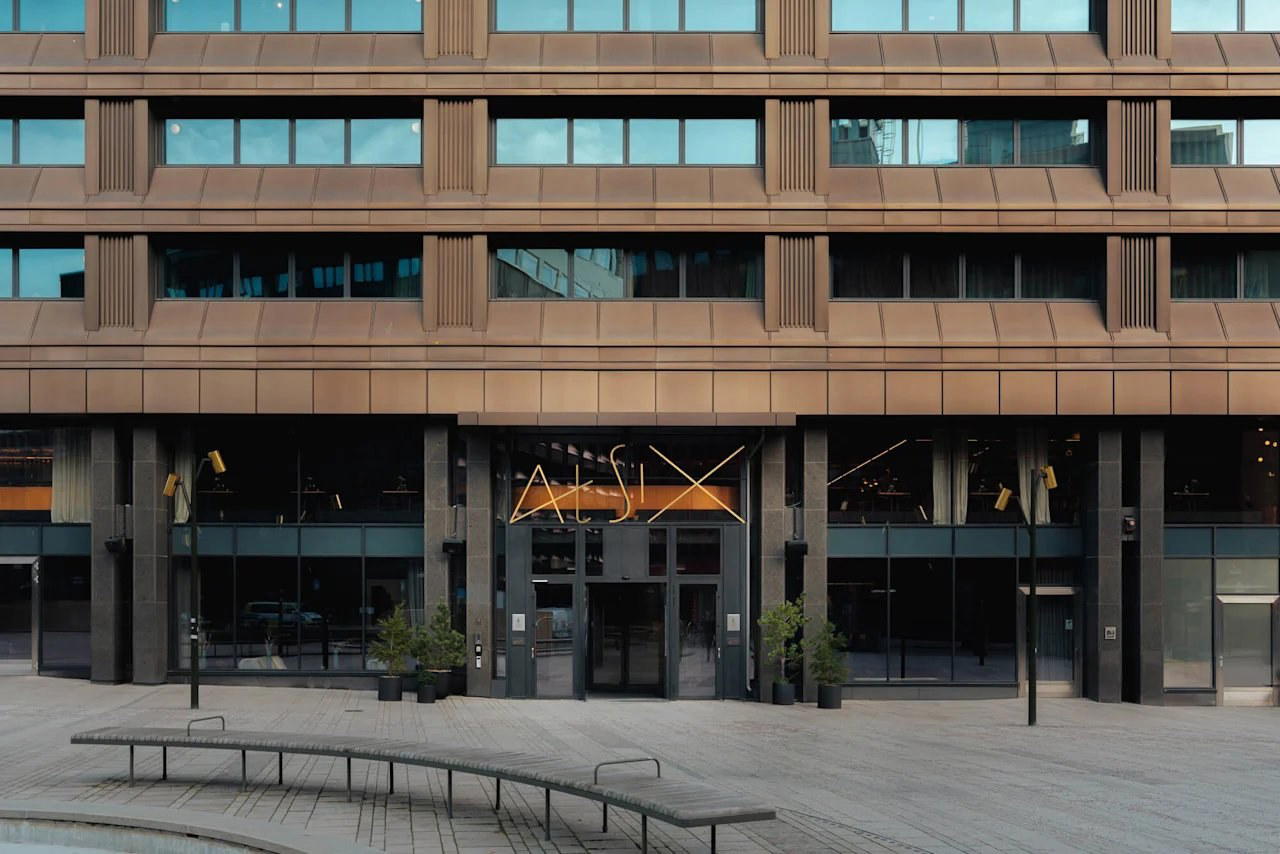
Soyokaze occupies a address at Sergels Torg 18 in central Stockholm, positioning it within the city's most densely contested dining tier. The name, Japanese for 'gentle breeze,' hints at a sensibility that regulars describe as quietly deliberate, a counter to Stockholm's more theatrical tasting-menu format. For those tracking the Swedish capital's evolving restaurant scene, it warrants attention.

Pearl is the En Primeur Club membership app, where members save venues, book tables and use the concierge.
Sergels Torg and the Question of Staying Power
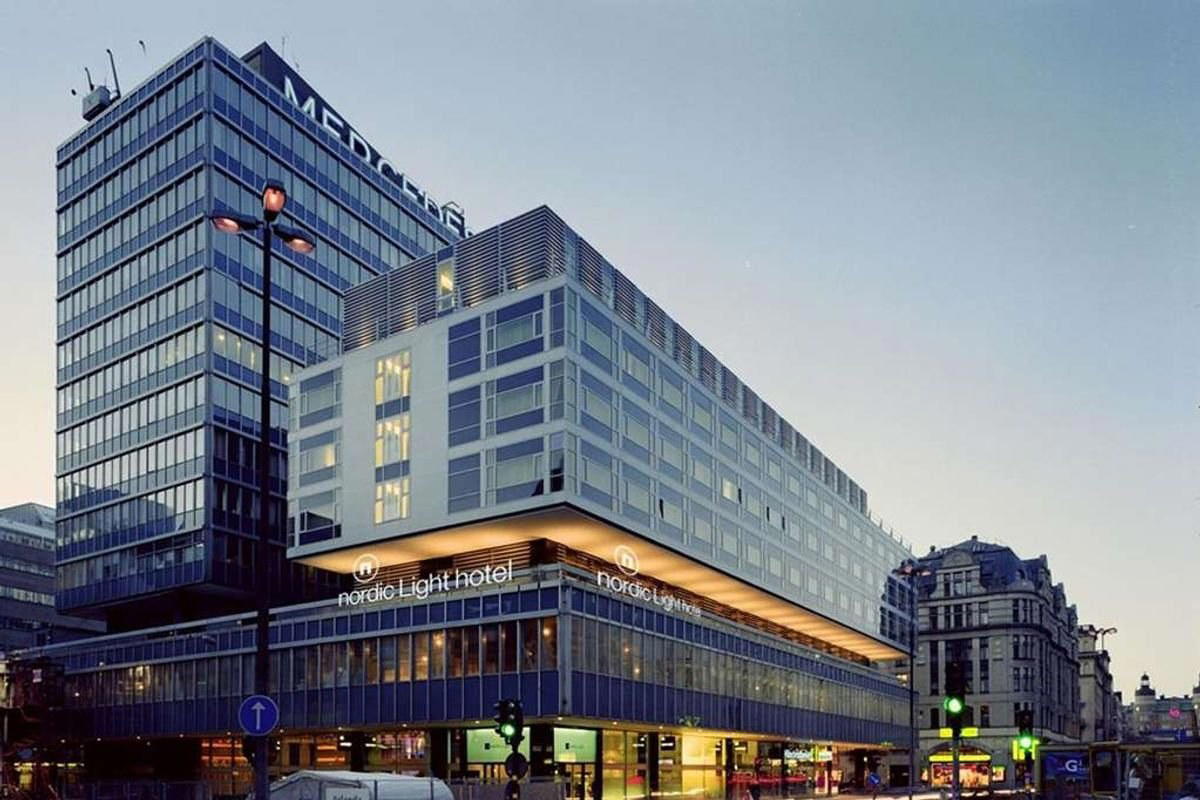
Sergels Torg is not where most Stockholm restaurants go to be quiet. The square anchors the city's commercial centre, its glass obelisk flanked by commuter traffic and the perpetual churn of Kulturhuset visitors. Restaurants in this orbit typically play to volume and visibility. Soyokaze, at number 18, reads against that grain. The name translates from Japanese as 'gentle breeze,' and that framing, understated, precise, resistant to spectacle, tells you something about the register it occupies before you have read a single menu line.
Stockholm's serious dining scene has spent the last decade consolidating around a recognisable formula: New Nordic tasting menus, foraged ingredients, wood-fire theatrics, and Michelin validation as the primary currency of legitimacy. Frantzén sits at the apex of that structure. AIRA and Aloë operate within its logic. Adam / Albin and Operakällaren extend it into different registers of formality. Soyokaze's positioning, a Japanese-inflected name at a central-city address with limited public documentation, suggests it is working a different angle entirely, one that depends less on institutional recognition and more on the kind of word-of-mouth loyalty that keeps a room full without a publicist.
What Regulars Come Back For
The most reliable indicator of a restaurant's actual quality is not its awards page but its regulars. A table that fills because critics said so empties the moment the critics move on. A table that fills because the people who sat there last week told two friends is a different proposition.
In Stockholm's broader dining context, this is not unusual for a certain category of restaurant: the neighbourhood anchor that a specific kind of diner discovers and protects. What makes Soyokaze's version of that pattern more interesting is the location. Sergels Torg is not a neighbourhood. It is a thoroughfare. A restaurant without a marketing apparatus that sustains itself in a high-footfall commercial zone is doing something right at the level of the return visit. Regulars at venues like this tend to describe a consistent experience rather than a revelatory one, the kind of place where the kitchen knows what it is and does not audition for approval each service.
The Japanese thread in the name aligns Soyokaze with a broader trend visible in Stockholm and across Scandinavian dining more generally: the absorption of Japanese technique and aesthetic discipline into kitchens that are not strictly Japanese restaurants. This is not fusion in the sense the 1990s used the word. It is closer to a shared methodological vocabulary, restraint, product focus, temperature precision, the absence of unnecessary decoration, that Scandinavian and Japanese culinary traditions arrived at through different routes. Atomix in New York represents the high-end Korean version of this synthesis. Le Bernardin has long demonstrated that technique-first French cooking and Japanese minimalism share more than they diverge. Soyokaze's name positions it somewhere in that conversation, though the specific form it takes remains, for now, a matter for the room rather than the record.
Stockholm's Dining Tiers and Where Soyokaze Sits
Stockholm currently runs a clear hierarchy in its serious restaurant sector. At the leading, a handful of multi-course destination venues charge accordingly and require booking windows of several weeks. Below that, a middle tier of technically accomplished, moderately formal restaurants serves a mix of regulars and occasional visitors at price points that still reflect the city's cost structure, Stockholm does not have a budget fine-dining category in the way some European cities do. Further down, a growing number of casual venues offer quality product in stripped-back formats.
What the address and name suggest is a venue that has chosen to operate without the external scaffolding, awards, press, social media presence, that most restaurants in the serious tier rely on to signal credibility. That is either a principled editorial choice or a function of being genuinely under-documented. Either way, it places Soyokaze in interesting company: restaurants whose authority comes from operational consistency rather than institutional endorsement.
For comparison, consider the Swedish scene outside Stockholm. Vollmers in Malmö and VYN in Simrishamn both operate with significant public profiles and documented recognition. Signum in Mölnlycke, ÄNG in Tvååker, and Knystaforsen in Rydöbruk represent the country's serious destination-dining outside the major cities. Closer to the urban mainstream, 28+ in Gothenburg, PM & Vänner in Växjö, Adrian Restaurang in Borås, Brasserie Park in Jonköping, and Enoteket in Norrköping all operate with more public-facing documentation than Soyokaze currently presents. That absence is worth noting, not as a criticism, but as a data point about how this particular venue chooses, or has so far happened, to operate.
Planning a Visit
Soyokaze's address at Sergels Torg 18 places it within easy reach of Stockholm's T-Centralen, the city's main transit hub, which makes access direct from any part of the city or from Arlanda Airport via the Arlanda Express. The square itself is central enough that most visitors to Stockholm will pass through it at some point during a stay. Given the pattern of under-documented restaurants in Stockholm's middle tier, arriving with a reservation rather than as a walk-in is the safer approach. For a fuller view of where Soyokaze sits within the city's restaurant options, our full Stockholm restaurants guide maps the scene by neighbourhood and format.
Frequently asked questions
How do I find Soyokaze?
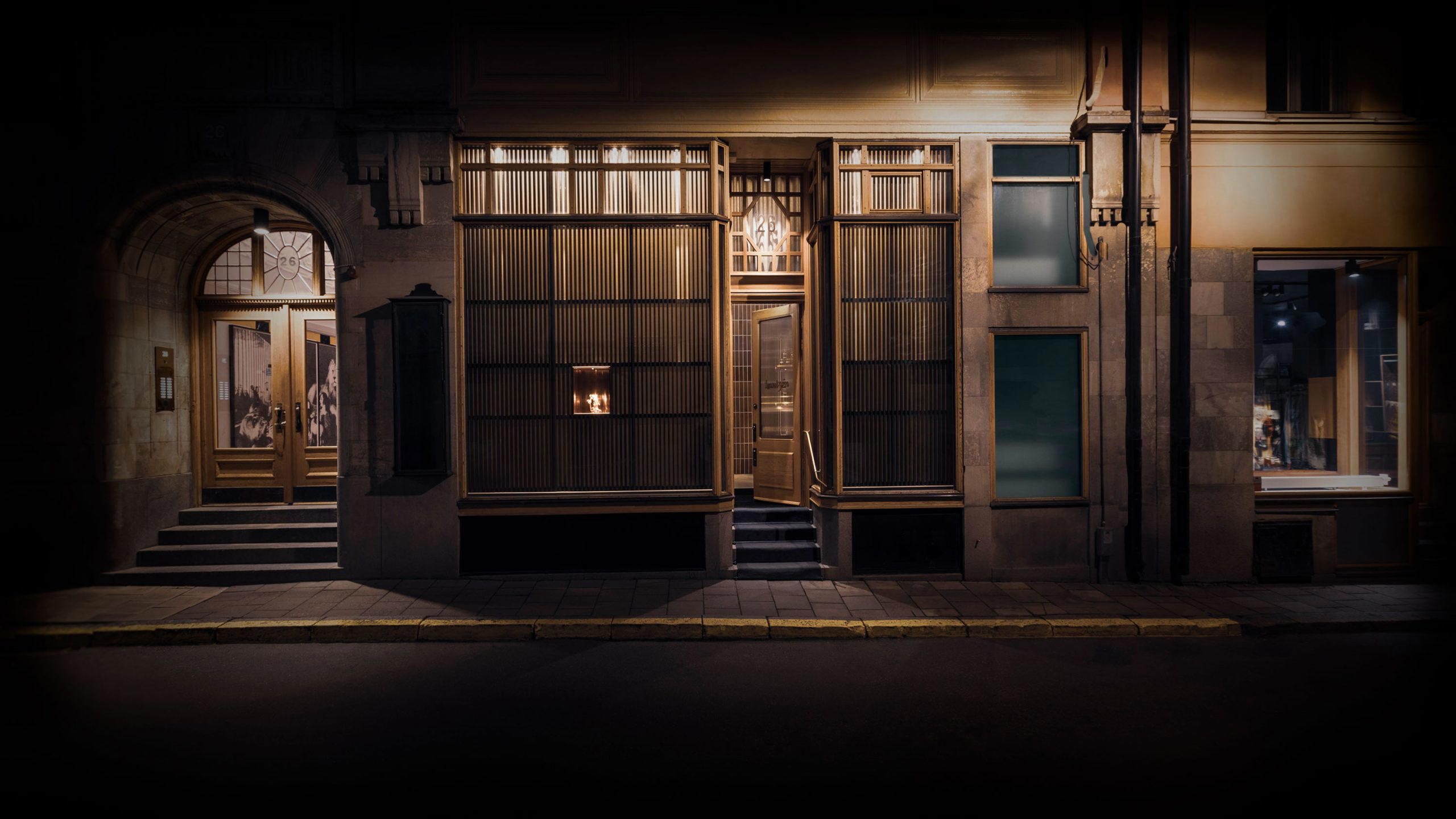
Soyokaze is located at Sergels Torg 18, 111 57 Stockholm, Sweden, Stockholm.
What kind of restaurant is Soyokaze, and how does it fit into Stockholm's dining scene?
Soyokaze occupies Sergels Torg 18, placing it at the geographic centre of Stockholm rather than in the quieter residential neighbourhoods where many of the city's destination restaurants operate. That positioning puts it in a different category from the multi-course tasting venues that anchor Stockholm's upper dining tier, and closer to the places that serve the city's daily working population.
What's the best thing to order at Soyokaze?
Ask the staff what has been on the menu longest, longevity on a city-centre menu is a better signal than anything newly introduced.
Should I book Soyokaze in advance?
Soyokaze sits at Sergels Torg 18, one of Stockholm's highest-footfall addresses, which means walk-in competition is real, particularly at lunch and early evening. Booking ahead is the practical choice, especially for groups or weekend visits. Contact details are best confirmed directly via the venue's current listings.
What do critics highlight about Soyokaze?
No awards or critical citations are currently documented in EP Club's record for Soyokaze. What the venue's Sergels Torg address does signal is durability: restaurants that hold a position in Stockholm's commercial centre without critical scaffolding tend to do so on the strength of repeat custom rather than press cycles.
Can Soyokaze accommodate dietary restrictions?
For confirmed information on allergen handling or menu flexibility at Sergels Torg 18, contacting the venue directly before your visit is the most reliable approach.
Budget and Context
Comparable venues nearby, for context on price, style, and recognition.
| Venue | Cuisine | Price | Awards | Notes |
|---|---|---|---|---|
| SoyokafeThis venue (the venue you are viewing) | Luxury Omakase Sushi | $200–300 | Falstaff Restaurant - 92 Falstaff Points | Not listed |
| Nana | Modern Nordic-Japanese Kaiseki | $200–300 | Not listed | Norrmalm, Modern Nordic-Japanese Kaiseki |
| Tengu | Japanese Ramen and Small Plates | $20–30 | White Guide Sweden Restaurants - Fine Level | Östermalm, Japanese Ramen and Small Plates |
| Misshumasshu | Japanese Izakaya Fusion | $30–50 | Star Wine List · White Guide Sweden Restaurants - Very Fine Level | Östermalm, Japanese Izakaya Fusion |
| Bistro Zissou | French Bistro | Not listed | Not listed | Gamla Stan, French Bistro |
| Washoku TOMO | Modern Japanese Omakase | Not listed | Michelin Plate | Riddarholmen, Modern Japanese Omakase |
Recognition history
Dated appearances from independent guides and award organizations, with the underlying list record or original source where available.
Falstaff Restaurant - 92 Falstaff Points
Falstaff
Opinionated About Dining Top Restaurants in Europe Recommended
Opinionated About Dining
Full recognition history (3 entries)
Opinionated About Dining Newly Added European Restaurants
Opinionated About Dining