
SOUPHOLIC puts Akita’s quieter daytime dining culture into focus: soup and cafe cooking treated as a deliberate meal rather than a stopgap. Its selection for Tabelog 100 - Yoshoku - EAST - 2025 gives the small-format room a broader signal beyond the city, while the appeal remains rooted in breakfast, lunch, vegetables, and an easy solo or family rhythm.
Pearl is the En Primeur Club membership app — saves, bookings, and concierge access live there. Same editors, same standards.
- Address
- 秋田県秋田市中通6-9-10
- Phone
- +81188347700
- Website
- soupholic.com
 Saves & bookings on Pearl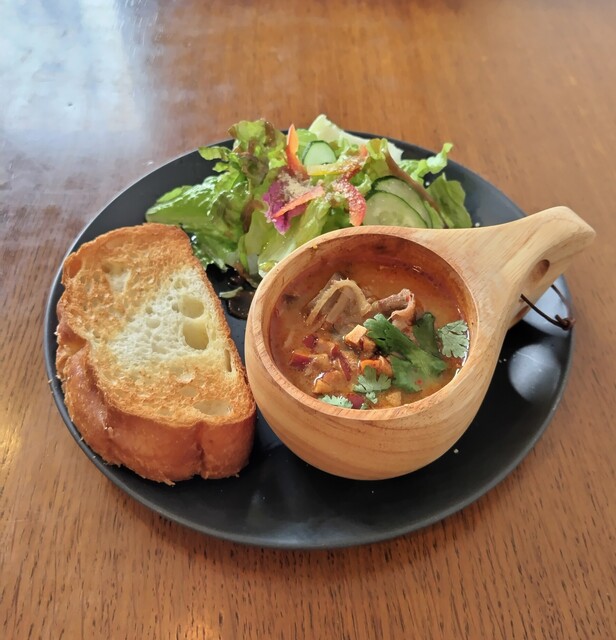
The ritual begins at street level rather than across a white tablecloth. Akita’s Nakadori area has a practical, morning-to-afternoon tempo, and soup fits that rhythm with unusual precision: a bowl, a counter seat, a menu that can serve the solo diner, the parent with a stroller, and the traveler between trains without turning the meal into ceremony. SOUPHOLIC sits inside that everyday category, but its selection for Tabelog 100 - Yoshoku - EAST - 2025 pushes it beyond the usual cafe bracket. The point is not luxury. The point is how a modest format can carry discipline.
Yoshoku in Japan is often discussed through cutlets, omelet rice, curry, and hamburg steak, dishes that show how Western techniques were absorbed and rebuilt for Japanese appetites. Soup is a quieter branch of that family. It rewards pacing, temperature, and the question of whether a meal can feel complete without the theatre of courses. In Akita, where many destination meals lean toward local beef, chicken, sake-led izakaya culture, or sushi counters, this vegetable-forward soup-and-cafe format offers a different kind of dining ritual: shorter, lighter, and more compatible with daylight.
A small Akita room built around the bowl, not the banquet
Akita’s dining reputation is often carried by hearty regional products and evening formats. A visitor mapping the city through meals might compare the heavier spend of Horumo Saru, Eiraku Shokudo, Torikou, or Sushi Cho with a daytime address that operates closer to the cafe end of the spectrum. That contrast matters. SOUPHOLIC belongs to a category where the meal is measured less by procession and more by repeatability: breakfast availability, take-out, counter seating, menu photos, and a health-and-wellness orientation that includes vegan and vegetarian options.
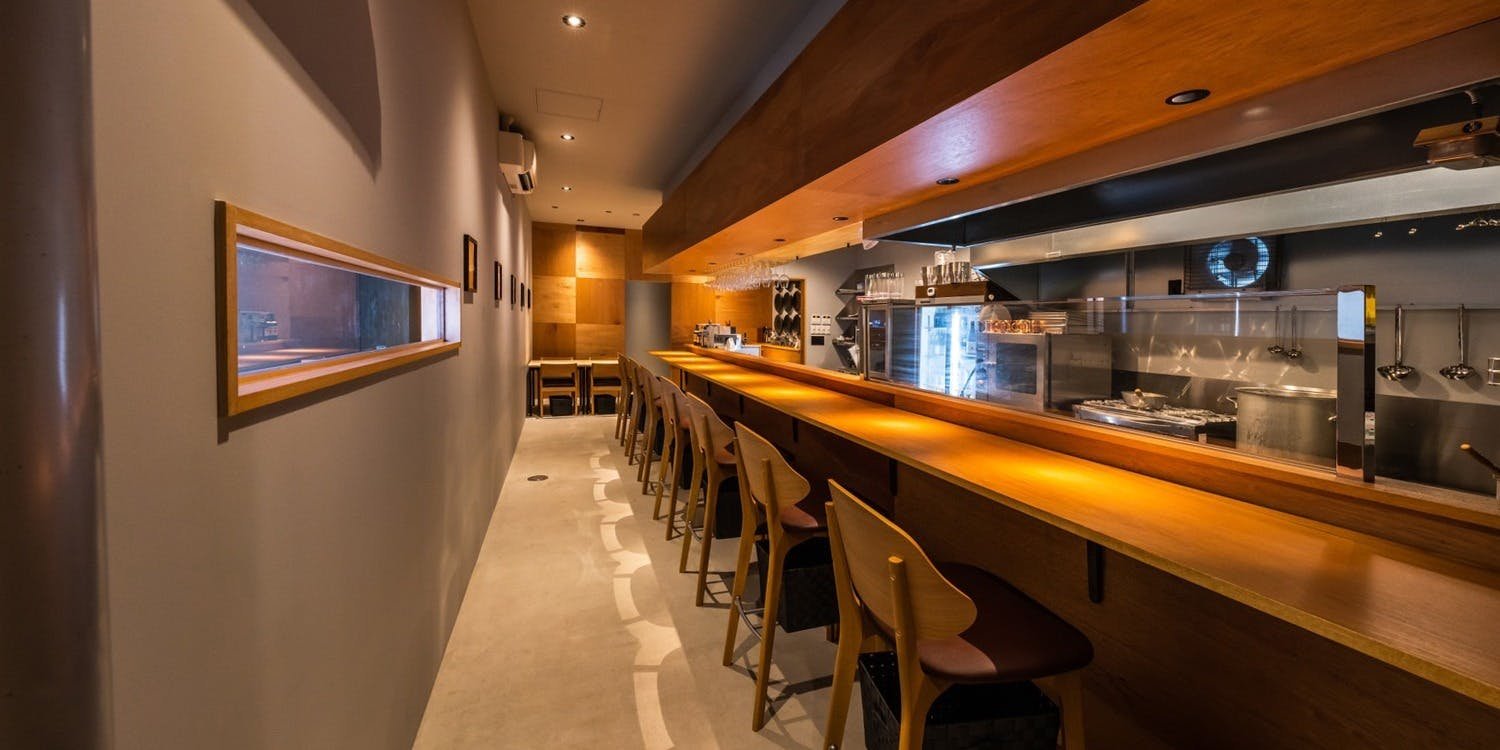
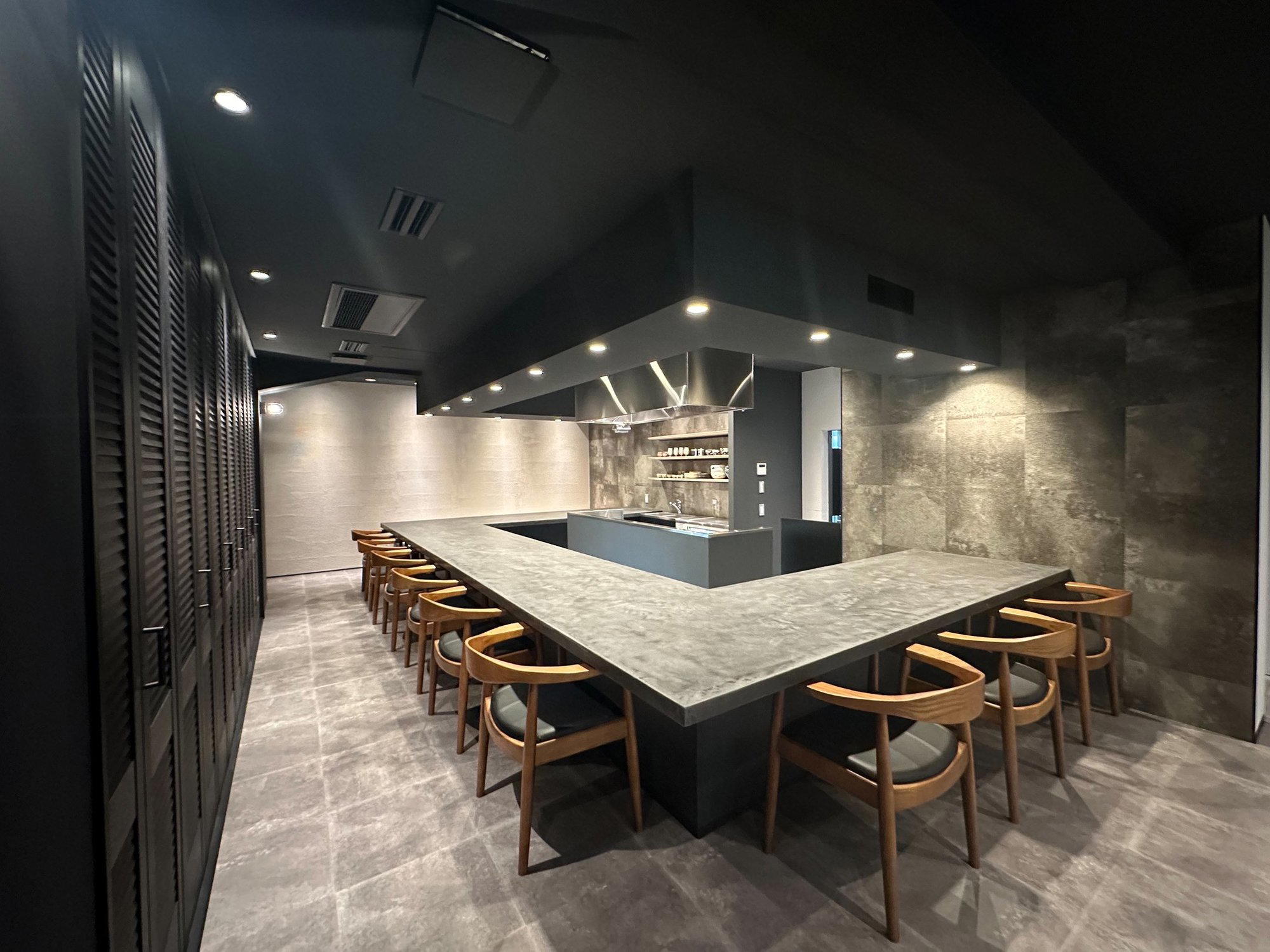
The room’s scale sharpens the experience. Fourteen seats, including a six-seat counter, make the meal feel closer to a neighborhood routine than a destination production. Counter dining changes the etiquette: arrive ready to choose, keep the turn brisk, and treat the table as part of the city’s working day rather than a long lunch appointment. That is why the format suits Akita particularly well. The city does not need every meal to declare itself. Some of its stronger eating happens in compact rooms where the decision is simple and the cooking has to carry the argument.
The Tabelog 100 Yoshoku East selection is the useful trust signal here because it places a soup cafe inside a broader eastern Japan yoshoku conversation. This is not the same competitive set as a high-spend counter or a formal tasting-menu restaurant. It is a category award that rewards consistency, public attention, and category fit. For travelers, that distinction is valuable: the recognition suggests a serious version of an everyday format, not a luxury restaurant disguised as casual dining.
Vegetable-led yoshoku and the modern Japanese daytime meal
Japan’s cafe culture has moved well beyond coffee and cake. In regional cities, the better daytime rooms often perform several jobs at once: breakfast, light lunch, solo meal, family stop, and take-away option. Soup is particularly flexible because it can accommodate dietary preference without forcing the kitchen into a separate identity. Here, the listed emphasis on vegetables, health-and-wellness menus, vegan choices, and vegetarian choices gives the place its editorial weight. It reflects a broader shift in Japanese casual dining, where the demand for lighter, plant-aware meals has become visible even outside Tokyo and Kyoto.
The dining ritual is therefore restrained. There is no need to decode a long chef’s menu or build an evening around a booking. The etiquette is closer to a good urban cafe: look at the photo menu, order with clarity, use the counter if dining alone, and let the meal stay compact. For travelers moving through Akita, that can be more useful than another elaborate dinner. A city’s food culture is not only measured after dark. Breakfast and lunch reveal who a restaurant is built for, and this format makes space for locals as much as visitors.
Accessibility also shapes the experience. Wheelchair access is listed, the room is non-smoking, and children are welcome, including babies, preschoolers, and school-age children. Strollers are accepted, which is not a minor detail in a small room. The family-readiness changes the tone: this is casual dining with structure, not a hushed room where parents are treated as a disruption. Food-avoidance requests such as spice, strong flavors, or allergens are handled at ordering where possible, which fits the practical, menu-led nature of the place.
How to place it in an Akita itinerary
SOUPHOLIC is strongest as a daytime anchor, particularly when the rest of an Akita trip leans heavier. Use it to offset grilled meat, izakaya dinners, or sake-focused evenings. For deeper restaurant planning, Our full Akita restaurants guide gives the wider city view, while specific contrasts include affetto akita, Akita Gyugentei Ekimae honten, Akita Gyugentei Sannou bekkan, Akita Hinaiya Oodate honten, and Akita Kurasu. The broader trip frame sits across Our full Akita hotels guide, Our full Akita bars guide, Our full Akita wineries guide, and Our full Akita experiences guide.
Seen nationally, the useful comparison is not cuisine-for-cuisine but format-for-format: casual meals with a clear identity and a narrow promise. That thread runs through addresses as different as -Grilled beef Sukiyaki- KAMAKURA TANUKIAN 鎌倉 たぬき庵 in Kamakura. 鮪と炭火焼き うお炭 秋葉原店 in Tokyo.cafe in Osaka.know in Kumamoto, (Shoku) Vietnam in Kawasaki, [Curry Senmon Ten] Maruyama Kyoju. in Sapporo, Jōdo Saké Bar in Los Angeles, and Onigiri Time in Pasadena. The lesson is simple: modest formats become memorable when the ritual is clear. In Akita, a bowl of soup can do that work without borrowing the grammar of fine dining.
Category Peers
Nearby venues at a similar price tier for orientation.
| Venue | Cuisine | Price | Notes |
|---|---|---|---|
| SOUPHOLICThis venue — the venue you are viewing | Soup Café | $ | Not listed |
| Lady | Classic Japanese cocktail bar | $$ | Akita |
| Eiraku Shokudo | Japanese Izakaya | $ | Akita |
| The Bar 1980 | Craft Cocktail & Whisky Bar | $$ | Akita |
| Shuan Tanaka | Traditional Japanese Izakaya | $$ | Akita |
| é ç | Japanese | Not listed | Akita |
Recognition history
Dated appearances from independent guides and award organizations, with the underlying list record or original source where available.
Tabelog 100 #54 · No. 54
Tabelog · Tabelog 100 - Yoshoku - EAST - 2025
Continue exploring
More in Akita
At a Glance
- Cozy
- Modern
- Quiet
- Solo
- Family
- Brunch
- Casual Hangout
- Standalone
- Local Sourcing
- Street Scene
A small, pleasant, hideout-like café atmosphere focused on warm, nourishing soups and a calm daytime dining experience.