Soup Kitchen Cafe
Our verdict
Soup Kitchen Cafe on East Susquehanna Avenue sits in Philadelphia's Fishtown neighborhood, a stretch of the city where casual storefronts and community-driven dining have defined the local character for decades.
- Address
- 2146 E Susquehanna Ave, Philadelphia, PA 19125
- Phone
- (215) 427-1680
- Directions
- Get directions
The menu
What to order
- Pulled pork sandwich
- Shakshuka
- Crab cake
East Susquehanna and the Fishtown Dining Character
Philadelphia's Fishtown has undergone one of the more legible transformations in American urban dining over the past fifteen years. What was once a working-class neighborhood of row houses and corner stores now holds a dense concentration of independent restaurants, and the stretch of East Susquehanna Avenue reflects that layered history: newer openings sit alongside storefronts that predate the neighborhood's national profile. Soup Kitchen Cafe at 2146 E Susquehanna Ave occupies this kind of in-between space, the sort of address that exists because a neighborhood has depth, not because it has been curated for visitors.
In cities like Philadelphia, the cafe-and-counter format carries specific social weight. These are the places that absorb weekday regulars, host quiet celebrations that don't require a reservation, and operate in the register of daily life rather than destination dining. That context matters when approaching Soup Kitchen Cafe, which presents to the street without the visual signals of the city's more photographed openings.
Occasion Dining Without the Theatre
Philadelphia's occasion-dining tier has expanded in one direction and contracted in another. On the higher end, spots like Fork (New American) and Friday Saturday Sunday (New American) have built a case for the city as a serious dining destination, with the kind of tasting menus and reservation windows that place them in conversation with comparable programs at Smyth in Chicago or Lazy Bear in San Francisco. At the other end, neighborhood spots have retained value precisely because they don't perform occasion dining — they simply deliver it, without choreography.
The distinction matters for anyone planning a meal around a specific moment. A birthday dinner at The French Laundry in Napa or Le Bernardin in New York City arrives with structured ceremony built into the format. A meal at a neighborhood cafe makes the occasion personal rather than institutional. Neither is a lesser choice; they are different instruments for different intentions. Fishtown's dining density, which now includes addresses covering Filipino, Cambodian, and Mexican traditions alongside American formats, means that occasion dining in this zip code can look many different ways.
For visitors building a Philadelphia itinerary around specific meals, the broader Fishtown and Kensington corridor rewards planning. Mawn (Cambodian, Pan-Asian) and My Loup (French-Inspired) both operate within a navigable distance and represent the range the neighborhood now sustains. South Philly Barbacoa (Mexican), while south of the neighborhood proper, illustrates how Philadelphia's most compelling dining is distributed across distinct zones rather than concentrated in a single district.
What the Format Suggests
The name Soup Kitchen Cafe points toward a specific register of American casual dining: counter service or table service built around composed soups, sandwiches, and rotating daily preparations. This format has genuine occasion utility. A post-ceremony lunch, a low-key work anniversary, a weekday birthday that doesn't call for white tablecloths — all of these fit the rhythm of a well-run neighborhood cafe better than they fit a tasting menu room. The format also tends to support dietary flexibility more naturally than prix-fixe programs, where the kitchen's creative direction sets the terms rather than the guest's preferences.
Philadelphia's cafe culture has its own density and internal logic. The city supports a significant number of independent breakfast and lunch operations, many of which have developed loyal followings without formal awards recognition or media profiles. In that context, longevity itself becomes a signal. A cafe that has maintained a physical presence on a street like East Susquehanna through multiple cycles of neighborhood change has done so by serving a community, not by positioning itself for national coverage.
Comparable neighborhood resilience is visible in other American cities: the counter formats that persist in Chicago's north side neighborhoods, the long-running soup and sandwich rooms in lower Manhattan that predated the current generation of restaurant openings. These are not venues that compete with Blue Hill at Stone Barns in Tarrytown or Single Thread Farm in Healdsburg, they occupy a different axis of the dining map entirely, one measured in neighborhood utility rather than national aspiration.
Philadelphia in Context
For travelers arriving from cities with more concentrated fine-dining footprints, Philadelphia's distribution of quality can take adjustment. The city does not stack its leading meals in one neighborhood. Addison in San Diego or Providence in Los Angeles sit within identifiable luxury corridors; Philadelphia's dining character is more dispersed, and the gaps between formats are smaller than they appear from the outside.
Fishtown in particular has matured into a neighborhood where a single block can hold a serious cocktail bar, a counter-service operation, and a chef-driven dinner room within walking distance. That compression is part of what makes it interesting to map. Soup Kitchen Cafe on East Susquehanna exists within that compression, and understanding the neighborhood context is as useful as knowing the menu when deciding whether an address fits a particular occasion.
For those building a full Philadelphia dining plan, the EP Club Philadelphia restaurants guide maps the city's key addresses across neighborhoods and formats, from occasion-specific tasting rooms to the neighborhood operations that define daily life in areas like Fishtown, Passyunk, and Rittenhouse. The city's dining range is wider than its national reputation currently reflects, and the informal tier is as worth mapping as the destination tier.
Planning a Visit
Given the address and format signals, this is most likely a walk-in operation suited to daytime visits. East Susquehanna Avenue is accessible by the Market-Frankford Line with a short walk from the Girard Station, and street parking in the surrounding blocks is typically available outside peak hours. For the most current operational details, a direct visit or a local inquiry is the most reliable approach, given the absence of confirmed web or phone contacts. Venues operating at this scale in Philadelphia neighborhoods often update hours seasonally, particularly around spring and fall when foot traffic in Fishtown shifts.
Frequently asked questions
What do people recommend at Soup Kitchen Cafe?
What's the ideal way to book Soup Kitchen Cafe?
What's the defining dish or idea at Soup Kitchen Cafe?
How does Soup Kitchen Cafe handle allergies?
Is Soup Kitchen Cafe a good option for a winter lunch in Fishtown?
Comparable Options
A short peer table to compare basics side-by-side.
| Venue | Cuisine | Price | Awards | Notes |
|---|---|---|---|---|
| Soup Kitchen CafeThis venue — the venue you are viewing | Comfort Food Cafe | Not listed | Not listed | Not listed |
| Friday Saturday Sunday | Modern American Tasting Menu | $100–150 | 1 Michelin Star · World's 50 Best #40 | New American |
| Fork | Seasonal New American | Not listed | James Beard Award Outstanding Restaurateur #1 · Wine Spectator Award of Excellence | New American |
| South Philly Barbacoa | Authentic Mexican Barbacoa Taqueria | $10–20 | James Beard Award Best Chef: Mid Atlantic · Chef's Table Featured on Chef's Table | Mexican |
| Jean-Georges Philadelphia | Modern French Fine Dining | $200–300 | La Liste Top Restaurants · Wine Spectator Best of Award of Excellence | French |
| Helm | Seasonal New American Small Plates | $50–100 | Not listed | Filipino |
Continue exploring
More in Philadelphia
Restaurants in Philadelphia
Browse all →
Bars in Philadelphia
Browse all →
Details
- Cozy
- Modern
- Rustic
- Casual Hangout
- Beer Program
- Craft Cocktails
- Local Sourcing
- A La Carte
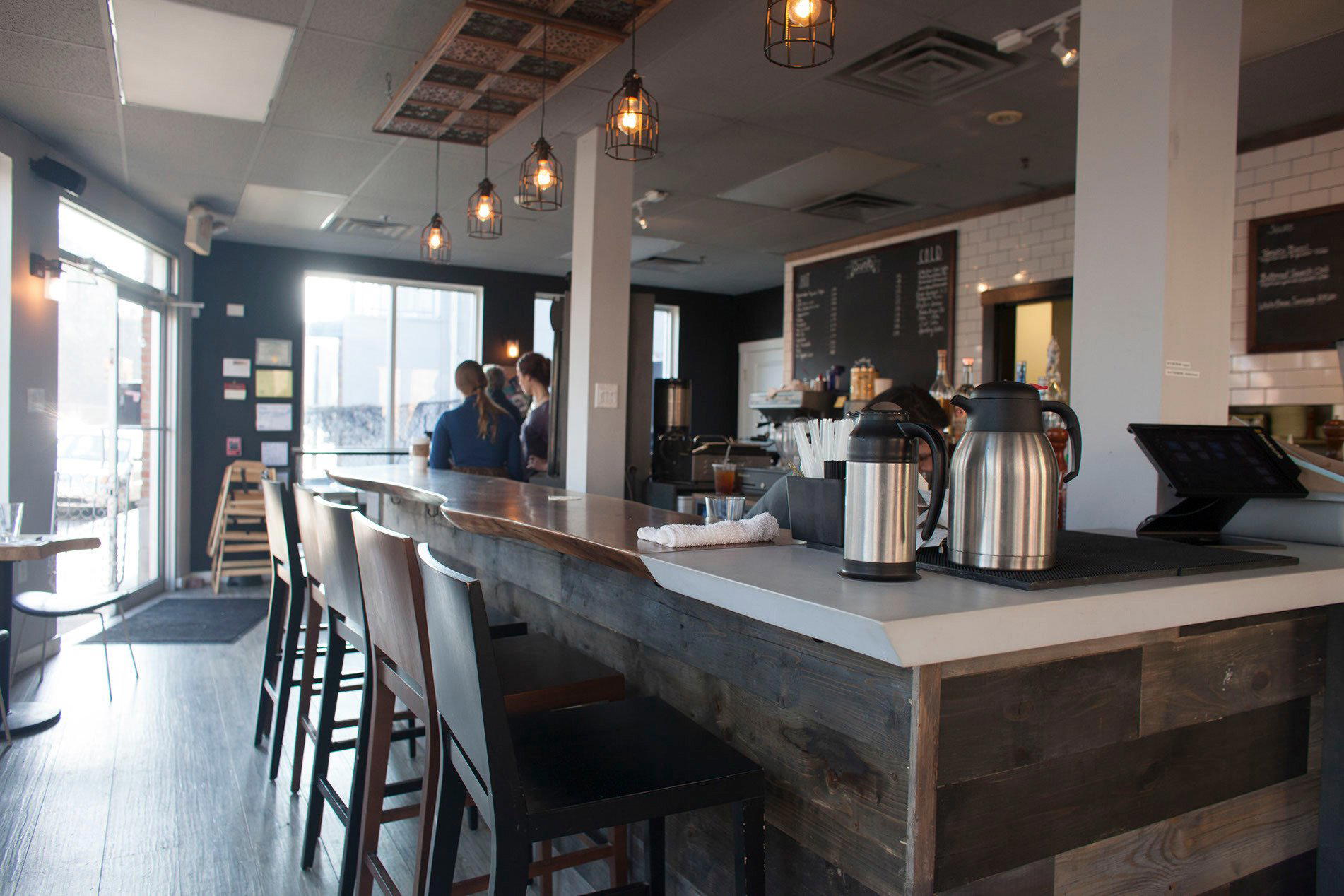
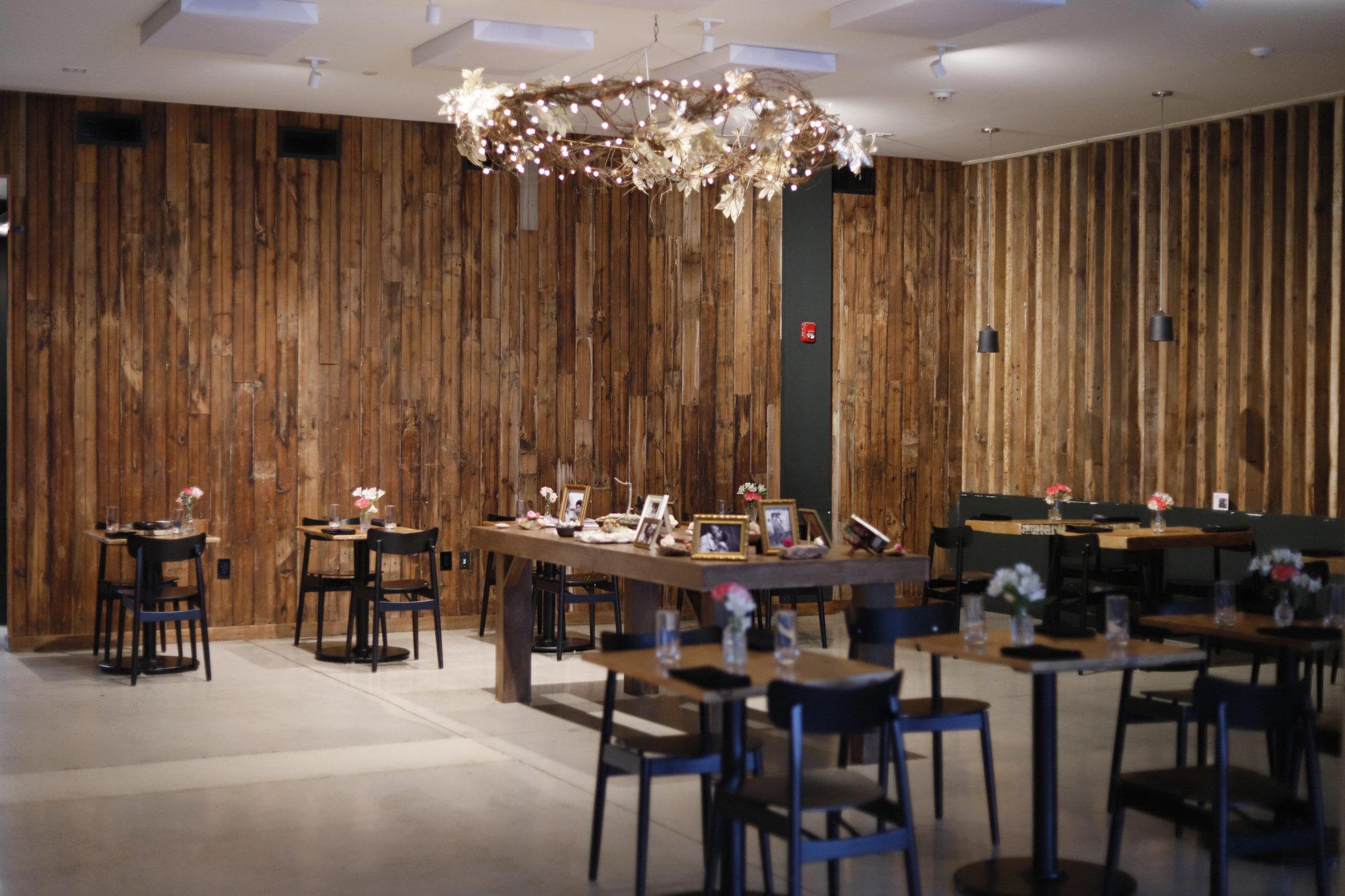
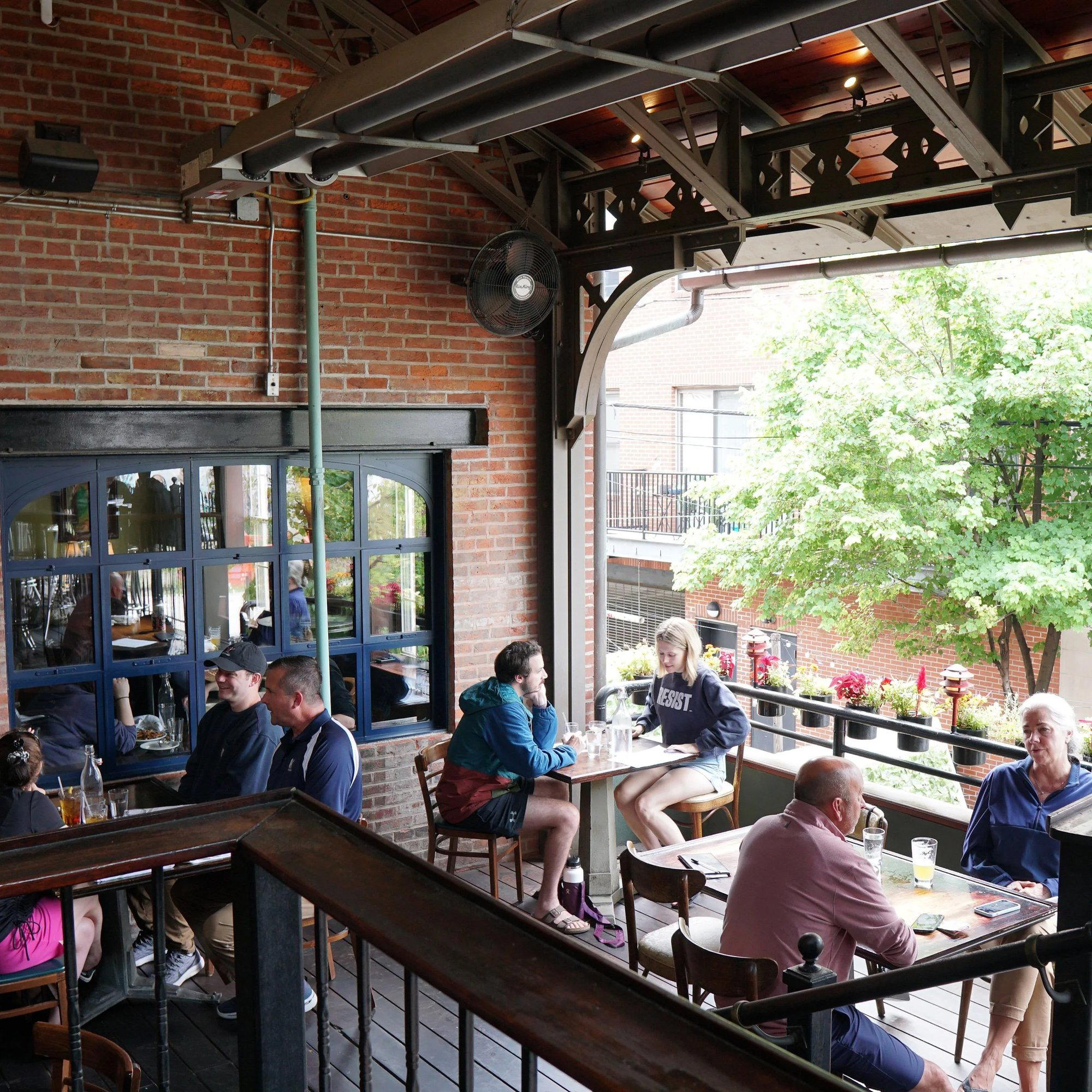
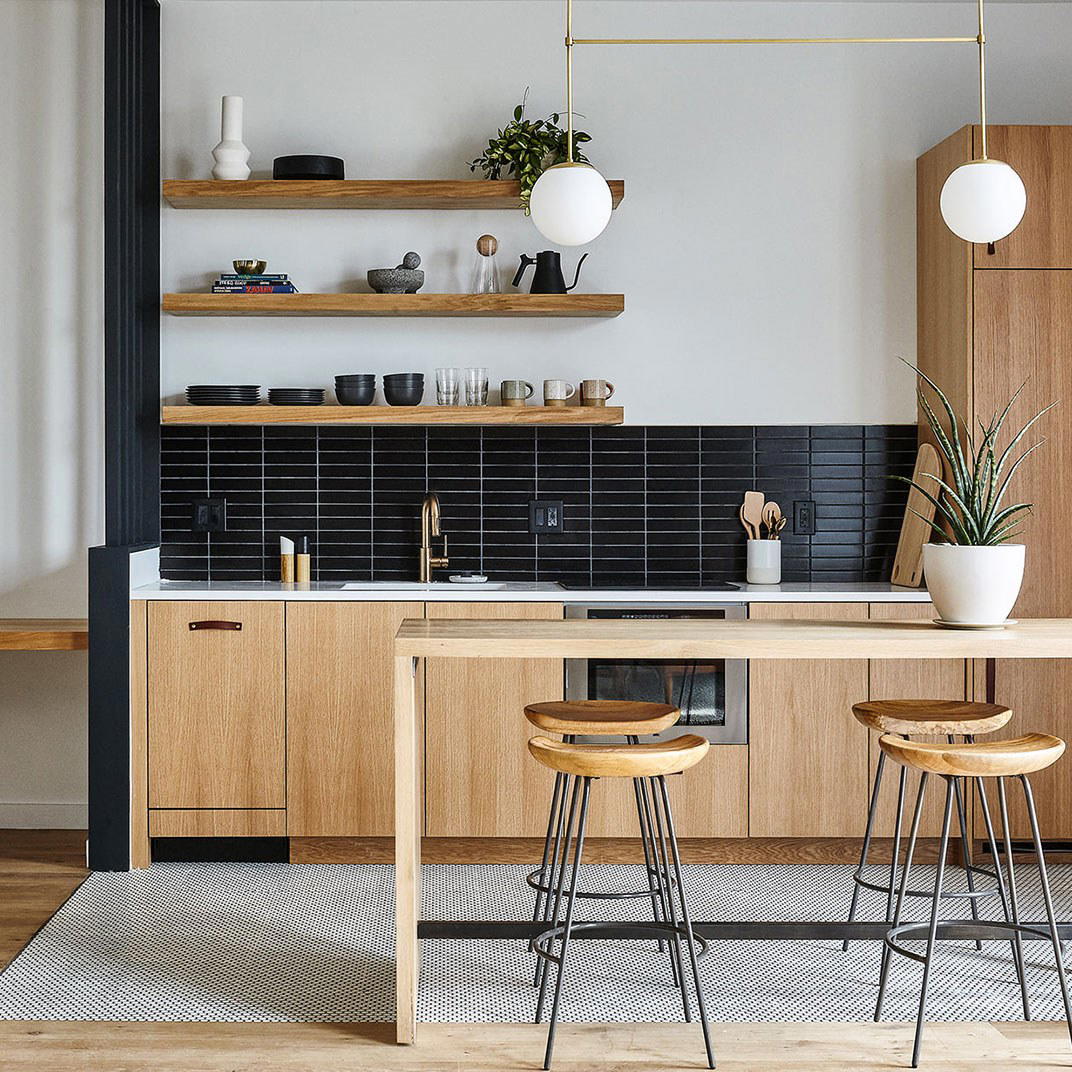
Simple, unassuming space with acoustic ceiling tiles and white linoleum floors, offering a cozy casual atmosphere for lunch.