Glick's Rib Shack
Our verdict
At Reading Terminal Market, The Rib Stand occupies one of Philadelphia's most storied food-hall settings, where smoked and slow-cooked traditions have held ground for decades. It sits within a market that has long served as a reference point for understanding how American cities sustain food culture rooted in provenance and craft — a counter worth knowing before exploring the wider Philadelphia dining scene.

Pearl is the En Primeur Club membership app — saves, bookings, and concierge access live there. Same editors, same standards.
- Address
- 51 N 12th St (at Reading Terminal Market), Philadelphia, PA 19107
- Directions
- Get directions
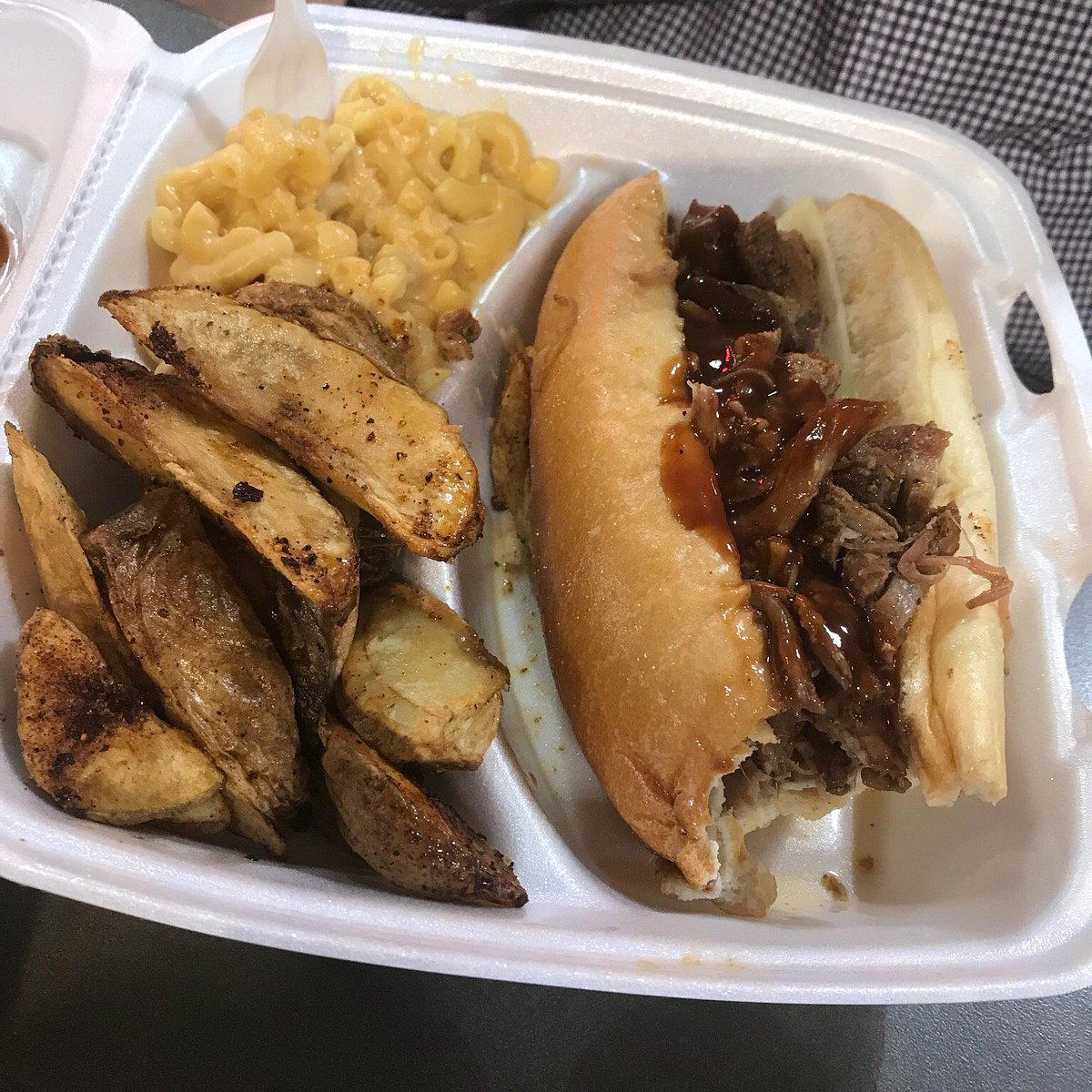
The menu
What to order
- Dry-rubbed spareribs
- Baby back ribs
- Boneless rib sandwich
Reading Terminal Market and the Architecture of Sustained Food Culture
Walking into Reading Terminal Market at 51 N 12th Street is not a neutral experience. The 1893 train shed overhead, the compressed grid of vendor stalls, the competing smoke signals of barbecue and roasting meats — it all lands at once. The Rib Stand operates within that environment, which means it inherits both the market's considerable institutional weight and the particular scrutiny that comes with it. This is a space where Philadelphians have been eating since the city's commercial infrastructure was still industrial, and the vendors that endure here tend to do so because they serve something the neighbourhood has actually decided it needs, not something imported for tourists.
Reading Terminal ranks among the oldest continuously operating public markets in the United States, a category that includes Faneuil Hall in Boston and the Ferry Building in San Francisco. The difference is that Reading Terminal has largely resisted gentrification as its primary identity: it remains a working market with butchers, cheese counters, and prepared-food stalls drawing a cross-section of the city. The Rib Stand's address inside that ecosystem matters because the market's foot traffic is not curated — it is democratic in a way that few premium food environments manage to sustain.
Where Barbecue Fits in Philadelphia's Dining Argument
Philadelphia's dining identity over the past decade has been shaped by a wave of technically sophisticated restaurants, from the New American precision of Fork and the produce-driven ambition of Friday Saturday Sunday to the Thai intensity of Kalaya and the Cambodian counter-programming of Mawn. That conversation tends to dominate national coverage of the city's food scene. But the market-stall format that The Rib Stand inhabits operates at a different register, one where the cooking tradition precedes the celebrity-chef era and where longevity is the primary credential.
Slow-cooked rib formats, whether Memphis-style, Kansas City, or the wood-smoke variants that have proliferated in the Northeast, share a structural commitment that separates them from other fast-service options: time is the main input. A rack that has been smoking for hours cannot be hurried to meet an unexpected lunch rush. That constraint is itself a form of sourcing discipline, it forces an operation to project demand accurately, limit waste, and maintain product consistency rather than volume flexibility. At a market stall with fixed footprint and no reservation system, those pressures are amplified further.
Sustainability in American barbecue is not frequently discussed in the same breath as farm-to-table tasting menus, places like Blue Hill at Stone Barns or Single Thread Farm in Healdsburg, which have built explicit environmental frameworks around their sourcing. But the logic of nose-to-tail cooking that underpins serious rib cookery, using the whole animal, applying long cooking to tougher, less expensive cuts, is an older form of the same principle. The market-stall context enforces it further: operators who over-purchase face direct losses; those who under-purchase lose the service window. The result, in long-running stalls, is a kind of enforced efficiency that sustainability-focused fine dining spends considerable effort trying to engineer deliberately.
The Market-Stall Format Against Full-Service Peers
Comparing The Rib Stand to full-service Philadelphia restaurants is less useful than comparing it to the broader market-stall category. Its immediate peers are not My Loup or the white-tablecloth tier of the city, but the cluster of prepared-food counters inside Reading Terminal itself, where South Philly Barbacoa, Dutch Country bakers, and a rotating cast of regional specialists compete for a finite daily crowd.
At the national level, the market-stall format as a serious dining category is often underweighted in editorial coverage. Venues like Le Bernardin in New York City or Alinea in Chicago attract attention because they operate in formats that award systems know how to assess. The market counter resists those systems, no dress code, no reservation architecture, no tasting menu structure, but that resistance is also what makes it a different kind of reliable. Emeril's in New Orleans, Providence in Los Angeles, and The French Laundry in Napa are all operating within frameworks where the room, the service, and the narrative around the chef's biography are part of the product. A market stall strips all of that away. What's left is the cooking.
That is not a lesser proposition. It is a different one, and for visitors building a picture of Philadelphia's food culture, both tiers deserve attention. See our full Philadelphia restaurants guide for a mapped breakdown of where the city's dining energy is concentrated by neighbourhood and format.
Planning Your Visit
Reading Terminal Market is one of the more logistically accessible eating destinations in central Philadelphia, located at 12th and Arch in the Market East corridor. Arrival on foot from Center City takes under ten minutes from most hotel clusters. Parking within the market's own structure is available, though weekday lunch hours generate significant competition for spaces.
Market hours and individual vendor hours are not always aligned, some stalls operate only on specific days or pull product when it sells out rather than maintaining inventory to closing. For a vendor in the slow-cooked category, this is worth accounting for: arriving in the final hour of service increases the risk of finding limited selection. Midday on weekdays tends to represent the peak service window, which means queues form but product is at its fullest.
| Venue | Format | Reservation Required | Price Tier | Cuisine |
|---|---|---|---|---|
| The Rib Stand | Market stall | No | Low-moderate | Barbecue / slow-cooked |
| South Philly Barbacoa | Market stall | No | Low-moderate | Mexican |
| Barbuzzo | Full-service restaurant | Recommended | Moderate | Italian |
| Federal Donuts | Counter service | No | Low | Doughnuts / fried chicken |
| Fork | Full-service restaurant | Required | High | New American |
Frequently asked questions
Where is The Rib Stand located?
The Rib Stand is located at 51 N 12th St (at Reading Terminal Market), Philadelphia, PA 19107, Philadelphia.
What makes The Rib Stand different from other barbecue options in Philadelphia?
Location is the clearest differentiator. The Rib Stand sits inside Reading Terminal Market, a functioning public market operating continuously since 1893 at 51 N 12th Street — a setting that no standalone Philadelphia barbecue restaurant replicates. Eating there means barbecue in the context of one of the oldest continuously operating urban market halls in the United States, surrounded by an unusually dense concentration of independent food vendors.
What dish is The Rib Stand famous for?
The name is the menu: ribs are the anchor. Operating inside Reading Terminal Market at 51 N 12th Street, the stall is built around smoked and prepared rib cuts served in the fast-casual format standard to the market's vendor grid. Specific preparations are not documented in available detail, but the focus is narrow and intentional.
Do I need a reservation for The Rib Stand?
No. As a vendor stall within Reading Terminal Market, The Rib Stand operates on a walk-up basis — no reservations, no booking system. Timing matters more than planning: the market draws significant midday crowds, particularly on weekdays when the downtown office population converges with tourists at 12th and Arch.
What's The Rib Stand best at?
Focused execution in a market-stall format. Where Reading Terminal Market's broader vendor mix covers everything from Pennsylvania Dutch produce to Vietnamese noodles, The Rib Stand narrows to one category and stays there. That specificity is the point — it is not trying to be a full-service barbecue restaurant, and it does not need to be.
What if I have allergies at The Rib Stand?
No allergen or dietary information is publicly documented for The Rib Stand. Given the market-stall format at Reading Terminal Market, the most reliable approach is to ask staff directly at the counter before ordering — standard practice across the market's vendor network.
Just the Basics
| Venue | Cuisine | Price | Awards | Notes |
|---|---|---|---|---|
| The Rib StandThis venue — the venue you are viewing | Amish BBQ Ribs | $10–20 | Not listed | Not listed |
| Fork | Seasonal New American | Not listed | James Beard Award Outstanding Restaurateur #1 · Wine Spectator Award of Excellence | New American |
| Friday Saturday Sunday | Modern American Tasting Menu | $100–150 | 1 Michelin Star · World's 50 Best #40 | New American |
| South Philly Barbacoa | Authentic Mexican Barbacoa Taqueria | $10–20 | James Beard Award Best Chef: Mid Atlantic · Chef's Table Featured on Chef's Table | Mexican |
| Barbuzzo | Mediterranean Small Plates & Pizza | $30–50 | Not listed | Italian |
| Federal Donuts | Fried Chicken & Donuts | $10–20 | Not listed | Doughnuts |
Continue exploring
More in Philadelphia
Restaurants in Philadelphia
Browse all →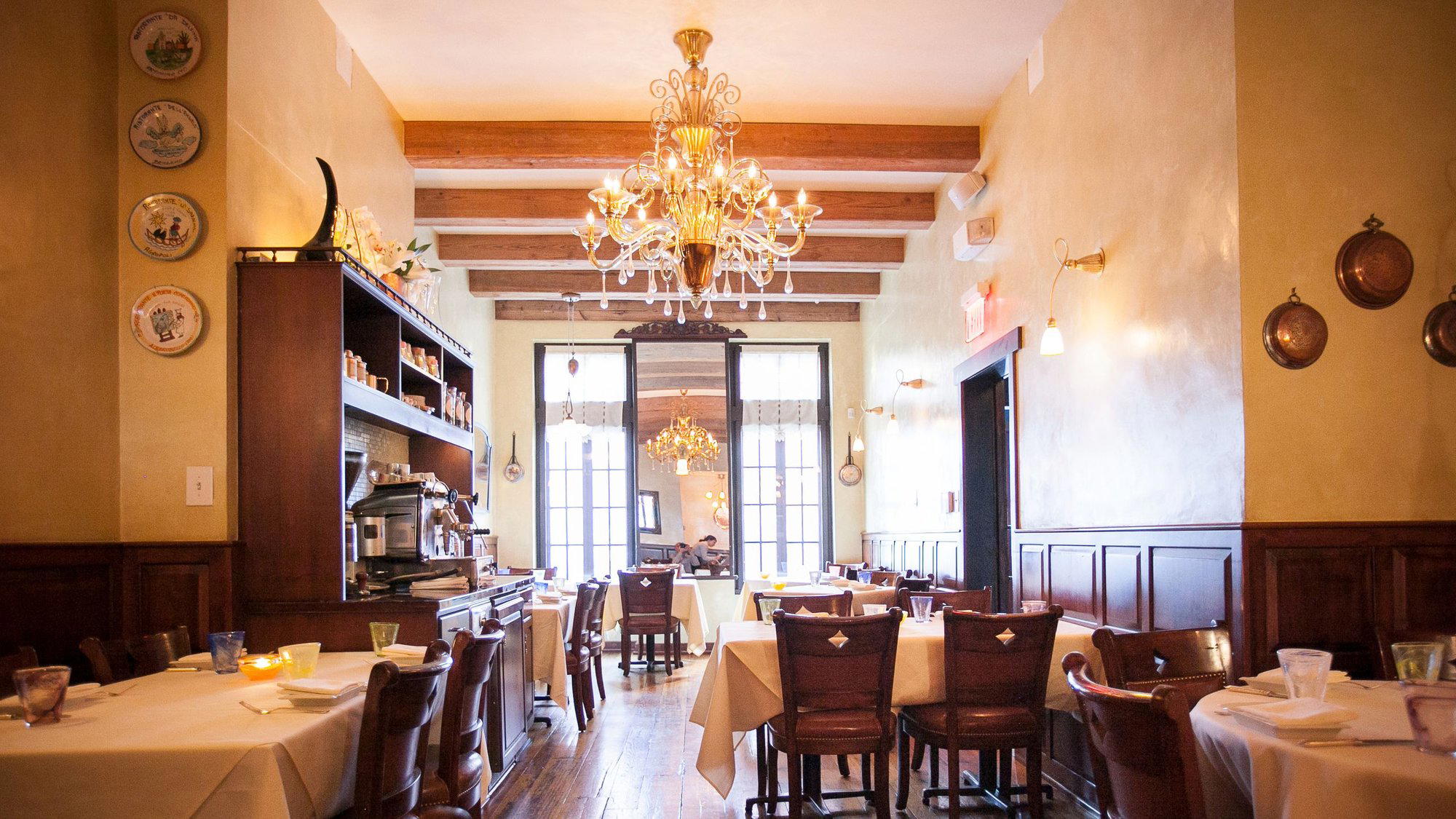
Bars in Philadelphia
Browse all →
Details
- Lively
- Rustic
- Casual Hangout
- Standalone
- A La Carte
Casual market stand with big barbecue aromas in a bustling indoor food hall atmosphere.