Chestnut Grill & Sidewalk Cafe
Our verdict
A Chestnut Hill fixture at 8229 Germantown Ave, Chestnut Grill & Sidewalk Cafe occupies a neighborhood tier that Philadelphia's grill-and-cafe format has quietly refined over decades. Set against one of the city's most walkable commercial corridors, it draws comparison to the broader shift in American casual dining toward sourcing transparency and communal outdoor space.

Pearl is the En Primeur Club membership app — saves, bookings, and concierge access live there. Same editors, same standards.
- Address
- 8229 Germantown Ave, Philadelphia, PA 19118
- Phone
- (215) 247-7570
- Hours
- Mon–Thu 11 AM–10 PMFri 11 AM–12 AMSat 10:30 AM–12 AMSun 10:30 AM–10 PM
- Website
- chestnuthillhotel.com
- Directions
- Get directions
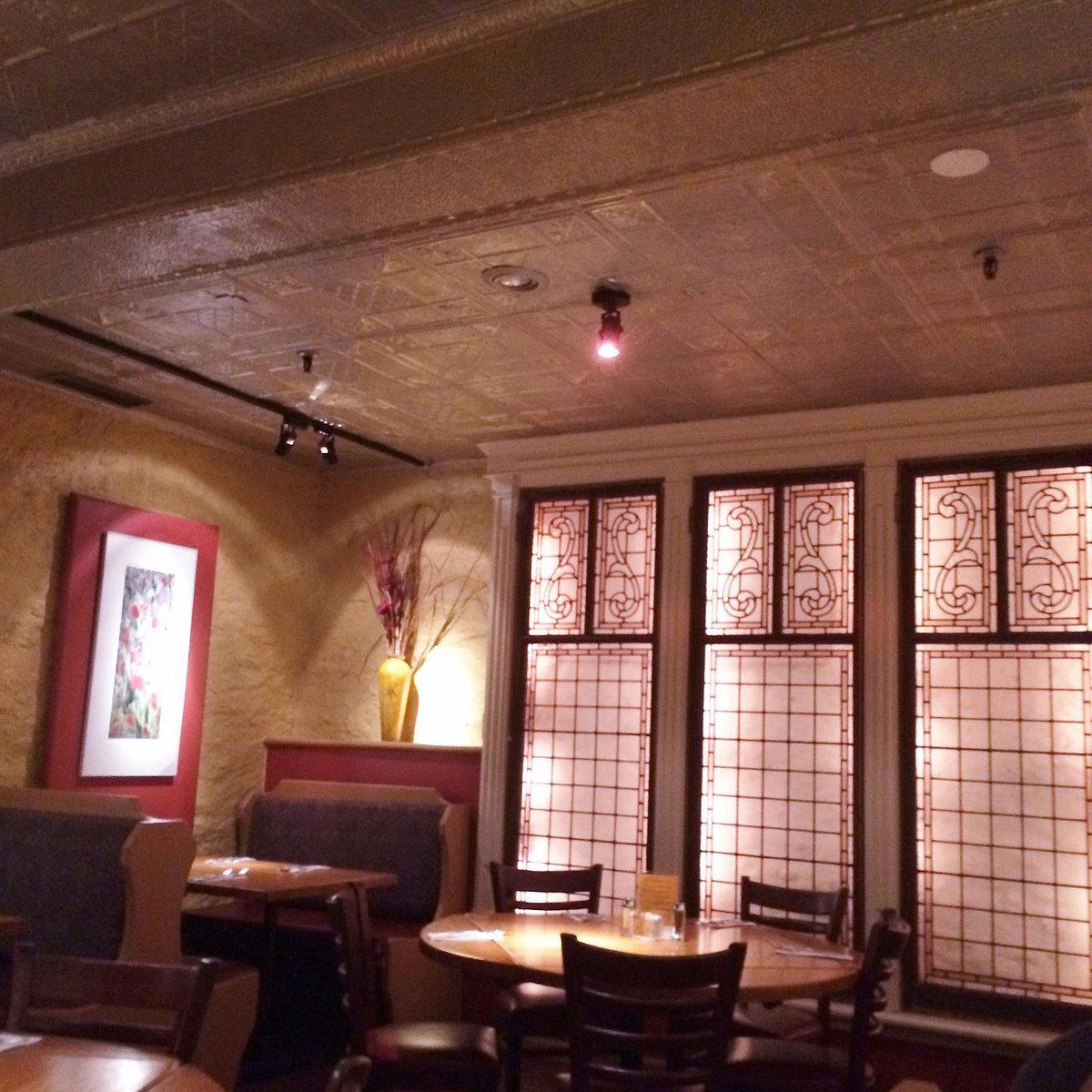
The menu
What to order
- Lamb Burger
- Flat Iron Steak
- Roasted Salmon
Germantown Avenue's Dining Corridor and Where Casual Fits In
Chestnut Hill sits at the northern edge of Philadelphia's dining map, a neighborhood where independent operators have held ground against the Center City concentration that dominates most serious restaurant conversation. Germantown Avenue, the corridor that runs through its commercial heart, functions differently from Passyunk Avenue or Rittenhouse Square: it rewards the kind of restaurant that earns repeat business from residents rather than destination diners chasing tasting menus. Chestnut Grill & Sidewalk Cafe, at 8229 Germantown Ave, operates inside that logic. It is a neighborhood anchor of the type that American cities increasingly struggle to sustain, where the format — grill plus open-air seating — has to earn its place through consistency rather than novelty.
The sidewalk cafe component matters more than it might appear. In a city where outdoor dining went from exception to expectation after 2020, venues that had already committed to street-facing seating found themselves ahead of a structural shift. The physical accessibility of Chestnut Grill's format, with its direct relationship to the avenue's pedestrian flow, places it in a category of dining that American urbanism has started to take seriously again: the restaurant as neighborhood infrastructure rather than destination event.
The Sustainability Angle Embedded in Grill-Format Dining
Across American casual dining, the grill format has become an unlikely vehicle for sourcing transparency. The reason is partly mechanical: fire-based cooking requires fewer processed inputs, and a tightly edited menu built around grilled proteins and seasonal produce is structurally easier to source responsibly than a kitchen running twenty-five covers of intricate plated food. This is the same logic that has pushed farm-to-table commitments deeper into the mid-market tier, not just the tasting-menu bracket.
The broader trend in Philadelphia reflects this. Operators along the city's more established dining corridors, from Fork's New American sourcing rigor on Old City's Market Street to the ethical-supply commitments visible at venues across the our full Philadelphia restaurants guide, have demonstrated that sourcing transparency is no longer the exclusive territory of white-tablecloth dining. Neighborhood grill operations in markets like Chestnut Hill are positioned to participate in that shift precisely because their menus are compact enough to manage ingredient provenance without the supply-chain complexity of larger kitchens.
Nationally, the restaurants most closely associated with environmental accountability in sourcing tend to operate at far higher price points. Blue Hill at Stone Barns in Tarrytown and Single Thread Farm in Healdsburg have built their reputations on closed-loop agricultural models that most neighborhood operations cannot replicate. But the directional pressure they represent, sourcing as a differentiator, has filtered into the casual tier. Smyth in Chicago and Addison in San Diego demonstrate how West Coast and Midwest operators have built sourcing narratives into formats that were not originally defined by them. Philadelphia's neighborhood dining scene is absorbing the same influence at its own pace.
Chestnut Hill as a Dining Neighborhood
Understanding Chestnut Grill requires understanding Chestnut Hill's position in Philadelphia's dining geography. The neighborhood does not generate the restaurant press that Fishtown or South Philly commands, and it does not carry the same concentration of destination-tier operators. What it has is a sustained independent dining culture supported by a residential population that eats locally by habit rather than occasion. That produces a different kind of restaurant economy, one where longevity matters more than launch press.
The comparison set for Chestnut Grill is therefore not the Center City operators that dominate EP Club's Philadelphia coverage, places like Friday Saturday Sunday or My Loup, which operate in a higher-intensity competitive bracket with tasting formats and significant critical attention. It is also not the nationally recognized ethnic operators like South Philly Barbacoa or Mawn, which have built audiences on the specificity of their regional cuisines. Chestnut Grill sits in the generalist American grill tier, where the competitive question is not what you cook but how well you serve a neighborhood that has other options and knows it.
The Sidewalk Format and What It Signals
Outdoor seating at a street-level cafe on Germantown Avenue is a social contract as much as a design choice. It means the restaurant is visible, accountable to its block, and dependent on the avenue's foot traffic rather than insulated from it. The leading neighborhood cafes in American cities have always understood this: the sidewalk is not an amenity, it is an operating condition. Venues that have made outdoor dining central to their identity, from the terrace-focused operations of New Orleans reviewed alongside Emeril's in New Orleans to the garden formats that distinguish certain Los Angeles operators near Providence in Los Angeles, tend to develop a different relationship with their immediate environment than enclosed dining rooms allow.
For a grill operation in a walkable neighborhood like Chestnut Hill, the sidewalk component also connects to the sustainability conversation in a practical way. Open-air dining reduces energy load, extends the usable season in Philadelphia's temperate shoulder months, and positions the restaurant as part of the street rather than separate from it. These are not abstractions; they are operational choices with measurable consequences for how a venue relates to its neighborhood and its resource consumption.
Philadelphia Context: Where This Fits the Broader Scene
Philadelphia's restaurant scene has matured in ways that redistribute prestige across the city's neighborhoods rather than concentrating it exclusively downtown. The decade-long rise of operators like Fork on the New American side of the spectrum established that Philadelphia could sustain serious dining outside the obvious luxury tier. More recently, the city has demonstrated range across cuisines and formats that few mid-sized American cities can match. That context matters for Chestnut Hill because it means a neighborhood grill on Germantown Avenue operates in a city where diners have developed sophisticated expectations, even for casual formats.
The national comparison set for this level of environmental and sourcing consciousness in casual dining includes operators who have built reputations on transparency at all price points. Lazy Bear in San Francisco and The French Laundry in Napa represent the high end of that movement. At the other end of the formal spectrum, European operators like Atelier Moessmer Norbert Niederkofler in Brunico have built entire culinary identities around regional and seasonal constraint. The directional influence of those models is felt in American neighborhood dining even when the formats and price points are entirely different.
Planning Your Visit
Chestnut Grill & Sidewalk Cafe is located at 8229 Germantown Ave, Philadelphia, PA 19118, in the Chestnut Hill neighborhood at the city's northern edge. Germantown Avenue is accessible by the SEPTA Chestnut Hill West and Chestnut Hill East regional rail lines, both of which terminate within walking distance of the restaurant's block, making it one of the more transit-accessible neighborhood dining destinations in Philadelphia's outer neighborhoods.
Venue Comparison: Casual Dining on Philadelphia's Neighborhood Corridors
| Venue | Neighborhood | Format | Price Tier | Outdoor Seating |
|---|---|---|---|---|
| Chestnut Grill & Sidewalk Cafe | Chestnut Hill | American Grill / Cafe | Casual mid-market | Yes (sidewalk) |
| Friday Saturday Sunday | Rittenhouse | New American tasting | Upper mid-market | Limited |
| Fork | Old City | New American | Upper mid-market | Seasonal |
| South Philly Barbacoa | South Philly | Mexican | Casual | Limited |
| Atomix (NYC peer ref) | New York | Korean tasting | Luxury | No |
Frequently asked questions
What part of town is Chestnut Grill & Sidewalk Cafe in?
Chestnut Grill & Sidewalk Cafe is located at 8229 Germantown Ave, Philadelphia, PA 19118, Philadelphia.
Is Chestnut Grill & Sidewalk Cafe suitable for outdoor dining in Philadelphia's Chestnut Hill neighborhood?
The sidewalk cafe component at 8229 Germantown Ave places Chestnut Grill directly on one of Philadelphia's most established independent dining corridors, where street-level seating functions as part of the neighborhood's social fabric rather than an afterthought. Chestnut Hill's position at the city's northern edge means the avenue sees meaningful foot traffic from local residents rather than tourist circuits, which tends to shape the pace and character of outdoor service. Seasonal availability of exterior seating should be confirmed with the venue.
What should I order at Chestnut Grill & Sidewalk Cafe?
The grill format, standard to this category of Germantown Avenue casual dining, typically anchors the menu around fire-cooked proteins — a reasonable starting point when asking staff for current highlights. Given the neighborhood's lean toward independent operators who rotate sourcing, it's worth asking what's running as a daily feature.
Can I walk in to Chestnut Grill & Sidewalk Cafe?
At the 8229 Germantown Ave address in Chestnut Hill, the sidewalk cafe format — street-facing and visible from the avenue — is typically associated with walk-in-friendly operations rather than advance-booking-only dining. Contacting the venue directly before a visit is the surest approach.
The Short List
Comparable venues nearby, for context on price, style, and recognition.
| Venue | Cuisine | Price | Awards | Notes |
|---|---|---|---|---|
| Chestnut Grill & Sidewalk CafeThis venue — the venue you are viewing | American Bistro | $20–30 | Not listed | Not listed |
| Huda Burger | Smashed Burgers | $10–20 | Not listed | Fishtown, Smashed Burgers |
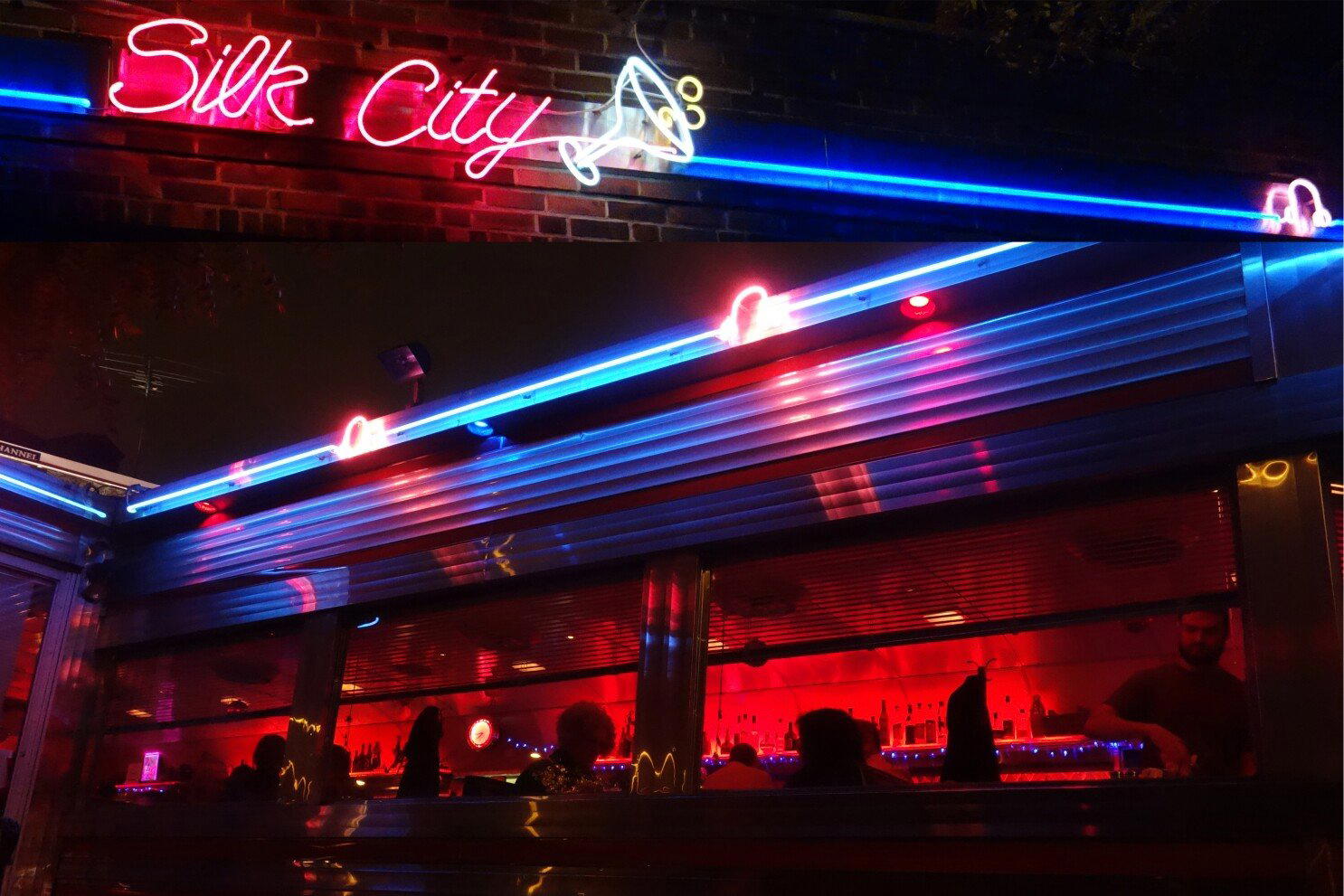
| Silk City | New American Diner | $20–30 | Diners, Drive-Ins and Dives Featured Bar | Northern Liberties, New American Diner |
| Fitzon4th | Modern Vegan Tapas | $30–50 | Not listed | Tattoo Alley, Modern Vegan Tapas |
| A Fine Line Screening + Brunch & Bubbles Reception | American Brunch with Bubbles | Not listed | Not listed | Logan Square, American Brunch with Bubbles |
| The Foodery | Craft Beer & Deli Sandwiches | $20–30 | Not listed | Northern Liberties, Craft Beer & Deli Sandwiches |
Continue exploring
More in Philadelphia
Restaurants in Philadelphia
Browse all →
Bars in Philadelphia
Browse all →
Hotels in Philadelphia
Browse all →
Wineries in Philadelphia
Browse all →
Details
- Cozy
- Lively
- Rustic
- Casual Hangout
- Brunch
- Terrace
- Open Kitchen
- Craft Cocktails
- Beer Program
- Local Sourcing
- Street Scene
- A La Carte
- Vegetarian Friendly
- Gluten Free Options
Current opening hours
- Monday
- 11 AM–10 PM
- Tuesday
- 11 AM–10 PM
- Wednesday
- 11 AM–10 PM
- Thursday
- 11 AM–10 PM
- Friday
- 11 AM–12 AM
- Saturday
- 10:30 AM–12 AM
- Sunday
- 10:30 AM–10 PM
Hours can change for holidays and private events. Last verified .
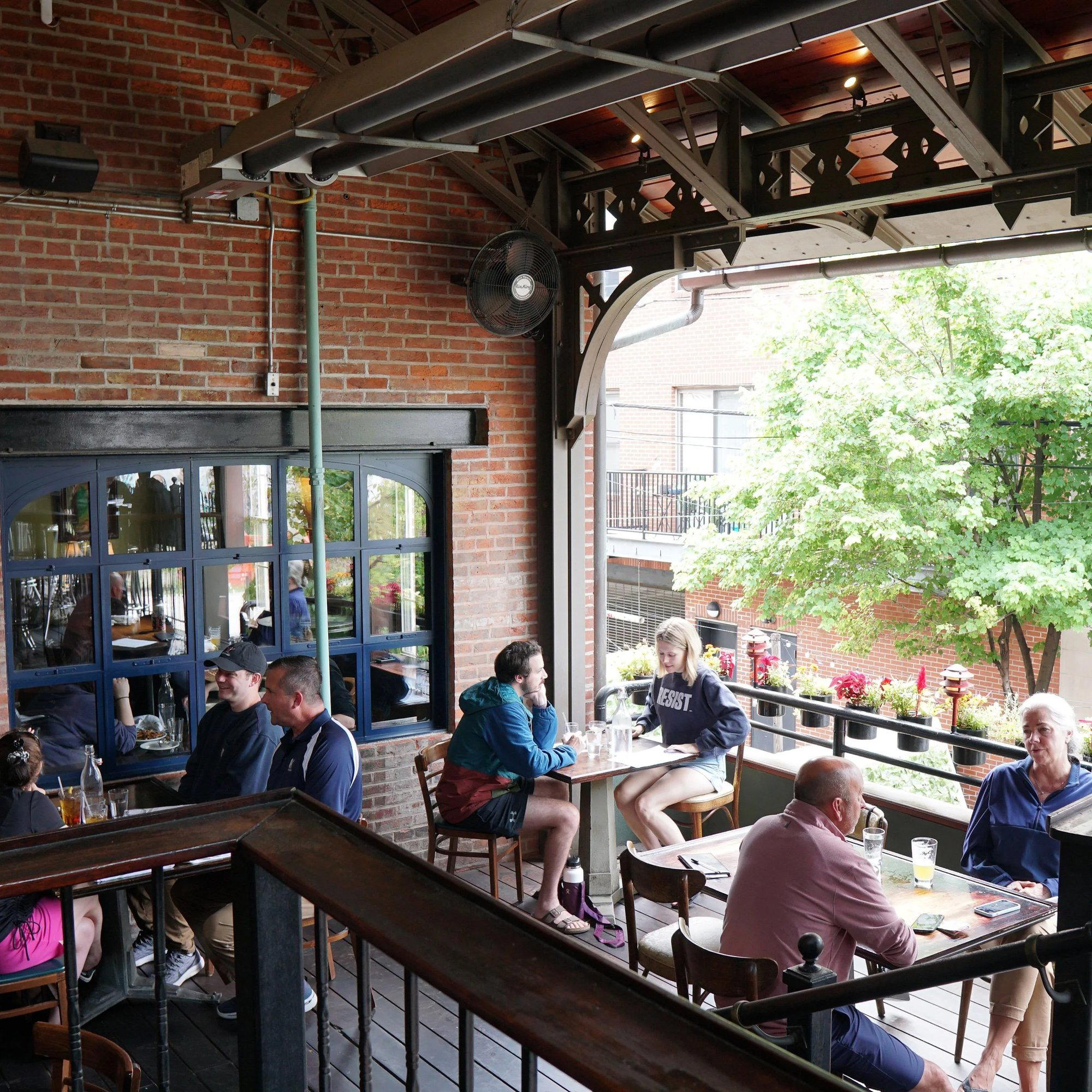
Casual urban bistro with relaxed indoor bar seating and lively outdoor patios ideal for people-watching.